Wine Making Yeast Nutrient: Essential Tips for Perfect Fermentation
If you want your homemade wine to taste just right, there’s one secret ingredient you can’t overlook: wine making yeast nutrient. Without it, your yeast might struggle, leading to stuck fermentation and off-flavors that ruin all your hard work.
But when you use the right nutrient, your yeast thrives, turning grapes into smooth, delicious wine with ease. You’ll discover why yeast nutrient is essential, how it works, and how to choose the best one for your wine. Keep reading, and you’ll learn how to take your wine making to the next level.
Role Of Yeast Nutrients
Yeast nutrients play a crucial role in winemaking by supporting the health and activity of yeast during fermentation. Without the right nutrients, yeast can become stressed or sluggish, leading to incomplete fermentation or off-flavors. Understanding how yeast nutrients work helps you create a smoother, more predictable fermentation process.
Why Yeast Nutrients Matter
Yeast cells need more than just sugar to thrive; they require vitamins, minerals, and nitrogen to multiply and convert sugars efficiently. If these nutrients are missing, yeast may struggle, causing stuck fermentation or producing undesirable compounds.
Have you ever noticed a batch of wine that tasted off or didn’t ferment completely? That’s often a sign yeast didn’t get what it needed. Adding the right nutrients at the right time can prevent these issues and improve the final taste.
Key Components In Nutrients
Yeast nutrients usually contain a mix of:
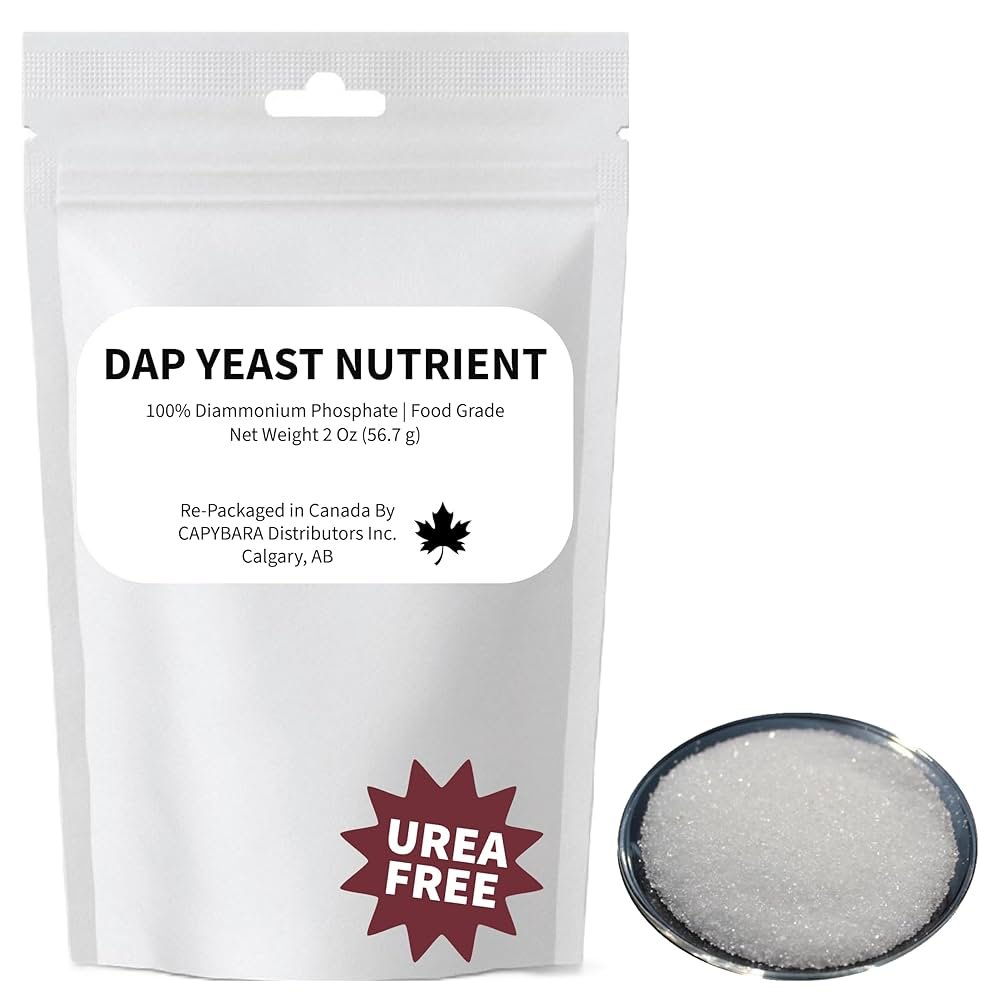
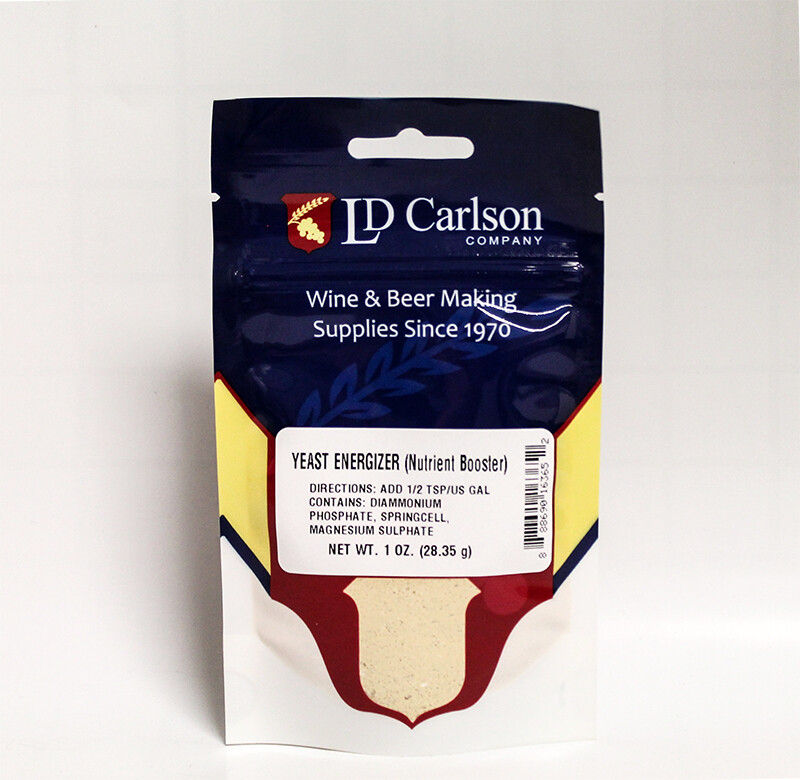
- Nitrogen sources:Essential for yeast growth and protein synthesis. Diammonium phosphate (DAP) is a common form.
- Vitamins:Especially B vitamins that help yeast metabolism.
- Minerals:Such as magnesium and zinc, which support enzyme activity.
- Amino acids:Building blocks for yeast cell repair and reproduction.
These components work together to keep your yeast happy and active. Skipping any one of them can lead to fermentation problems. Have you checked your nutrient levels before starting fermentation? It’s a simple step that can save a lot of trouble later.

Credit: www.walmart.com
Types Of Yeast Nutrients
Yeast nutrients play a vital role in the winemaking process. They help yeast grow and ferment the grape juice smoothly. Different types of yeast nutrients exist to meet various winemaking needs. Choosing the right nutrient can improve fermentation and wine quality.
Organic Vs. Inorganic Nutrients
Organic yeast nutrients come from natural sources. They often include things like yeast hulls, amino acids, and vitamins. These nutrients support healthy yeast activity and add subtle flavors to the wine.
Inorganic nutrients contain minerals and compounds like ammonium salts and phosphates. They provide essential nitrogen and other elements quickly to yeast. Inorganic nutrients are usually more concentrated and act faster during fermentation.
Both types have benefits. Organic nutrients improve yeast health gradually. Inorganic nutrients boost fermentation speed and strength. Many winemakers use a mix of both for balanced results.
Common Nutrient Formulations
- DAP (Diammonium Phosphate):A popular inorganic nutrient that supplies nitrogen.
- Yeast Hulls:Organic sources that supply vitamins and protect yeast cells.
- Complex Nutrient Blends:Mixes of organic and inorganic nutrients for complete yeast support.
- Fermaid Series:Specialized blends designed for different fermentation stages.
- Vitamin Supplements:Provide essential B vitamins to help yeast metabolism.
Choosing the right formulation depends on the grape type and fermentation conditions. Proper nutrient use avoids stuck fermentations and enhances wine flavor.
Choosing The Right Nutrient
Choosing the right nutrient for wine making yeast is essential for a healthy fermentation. Nutrients help yeast grow and work efficiently. Using the correct nutrient improves wine flavor and prevents stuck fermentation. Understanding your must and yeast needs guides nutrient selection. This ensures a balanced and successful fermentation process.
Assessing Must Composition
The must’s makeup affects nutrient needs. Sugar levels, acidity, and nitrogen content are key factors. Low nitrogen can slow or stop fermentation. Check the must for natural nutrients and potential deficiencies. This helps decide which nutrients to add. Testing the must before fermentation gives valuable information.
Matching Nutrients To Yeast Strains
Different yeast strains have unique nutrient demands. Some need more nitrogen, others require vitamins or minerals. Select nutrients that fit the yeast’s needs. This supports yeast health and activity. Proper nutrient matching reduces off-flavors and fermentation problems. Always follow yeast supplier recommendations for nutrient use.
Credit: www.ebay.com
Timing Nutrient Additions
Timing nutrient additions is crucial in wine making because it directly affects yeast health and fermentation quality. Adding nutrients at the right moments helps avoid stuck fermentations and off-flavors. Think of it as giving your yeast the fuel they need exactly when they need it.
Initial Addition Strategies
Adding yeast nutrient at the beginning of fermentation sets the stage for a strong yeast population. This early boost helps yeast cells multiply rapidly and start converting sugars efficiently. I’ve noticed that skipping this step often leads to sluggish starts and uneven fermentation.
Typically, you want to add about 1 gram per gallon of a balanced nutrient mix right after yeast inoculation. This ensures yeast get essential nitrogen, vitamins, and minerals from the start. Have you ever seen your fermentation lag right after pitching yeast? This initial nutrient addition can prevent that.
Staggered Nutrient Feeding
Instead of dumping all nutrients at once, try splitting them into multiple doses during fermentation. This approach matches the yeast’s changing nutrient needs as they grow and produce alcohol. I find that staggered feeding keeps fermentation steady and reduces the risk of off-aromas caused by stress.
- Add the first nutrient dose at yeast pitching.
- Feed again when fermentation reaches about 1/3 sugar depletion.
- Finish with a final boost near the end of fermentation to help yeast finish strong.
Have you tracked your fermentation progress to time these additions? Using a hydrometer can help you decide the best moments to feed your yeast. This hands-on approach often leads to cleaner, more consistent wines.
Signs Of Nutrient Deficiency
Signs of nutrient deficiency in wine making yeast show quickly in fermentation. Yeast needs certain nutrients to work well. Without these, fermentation slows or stops. The wine might taste bad or smell off. Spotting these signs early helps fix problems fast. Understanding what goes wrong can save your batch.
Common Fermentation Problems
- Slow fermentation or stuck fermentation
- Off or unusual flavors and odors
- Low alcohol level after fermentation
- Excessive foaming or little foam
- Yeast cells dying early during fermentation
These problems often point to a lack of nutrients. Yeast needs nitrogen, vitamins, and minerals to grow strong. Without these, yeast struggles to convert sugar into alcohol.
How To Diagnose Deficiencies
Check the fermentation speed and look for unusual smells. Measure sugar levels daily to track progress. Test yeast viability if possible. A quick drop in yeast cells means trouble. Smelling sulfur or rotten egg odors often signals nutrient lack. Testing wine pH and nitrogen levels helps find what is missing.
Use simple kits or lab tests for accurate diagnosis. Compare your fermentation with healthy batches. Note any differences in taste or smell. Observing these signs helps you adjust nutrient additions next time.
Best Practices For Use
Using yeast nutrient correctly can make a big difference in your wine’s fermentation quality and final taste. Knowing the best practices helps you avoid common pitfalls that can harm your yeast or alter the wine’s flavor. Let’s look at how to measure and mix nutrients properly and why you should avoid overfeeding yeast.
Measuring And Mixing Nutrients
Precise measurement is key when adding yeast nutrients. Use a digital scale for accuracy—eyeballing the amount often leads to problems.
Mix the nutrient thoroughly into the must or juice. Stir gently but well to ensure even distribution without introducing too much oxygen.
Remember, different yeast strains and grape varieties may require varied nutrient amounts. Check the nutrient package instructions and adjust based on your specific fermentation conditions.
Avoiding Overfeeding Yeast
It might seem like feeding your yeast more nutrients will speed up fermentation. But too much can stress the yeast, causing off-flavors or stuck fermentation.
Pay attention to the signs of overfeeding, such as excessive foaming or unusual smells during fermentation. These indicators mean you should reduce nutrient additions next time.
Think about your last batch—did you add nutrients without measuring? Did the fermentation stall or taste off? Adjusting nutrient levels based on past results helps you get it just right.
Enhancing Fermentation Outcomes
Enhancing fermentation outcomes is key to crafting exceptional wine. The right yeast nutrient supports yeast health, which directly impacts the taste and quality of your final product. Paying attention to nutrient use can transform your fermentation from a routine process into a precise craft.
Improving Flavor Profiles
Your yeast needs more than just sugar to thrive—it requires essential nutrients to produce complex and balanced flavors. Adding yeast nutrient helps prevent off-flavors caused by stressed yeast, such as sulfur or burnt rubber notes. Have you noticed how a simple nutrient addition can turn a flat-tasting batch into something vibrant and nuanced?
Yeast nutrients supply nitrogen, vitamins, and minerals that encourage the production of desirable aroma compounds. This results in a wine that tastes richer and more layered, with enhanced fruitiness or subtle spice depending on the yeast strain. You can experiment by adjusting nutrient levels to see how it shapes your wine’s character.
Boosting Fermentation Efficiency
Stuck or sluggish fermentations are frustrating and risk spoilage. Yeast nutrient fuels yeast cells, helping them multiply quickly and complete fermentation smoothly. This means fewer delays and a more predictable timeline for your winemaking.
By providing the right balance of nutrients, you reduce the chance of fermentation stopping prematurely. This keeps sugar conversion steady and minimizes the risk of residual sweetness or unwanted microbial growth. Do you track your fermentation speed? Adding nutrients could be the simple step that keeps your batches on track every time.

Credit: www.amazon.com
Troubleshooting Fermentation Issues
Fermentation can sometimes hit unexpected roadblocks, even when you think you’ve done everything right. Troubleshooting fermentation issues is crucial to saving your batch and achieving the wine quality you desire. Understanding the role of yeast nutrient can help you identify problems and apply solutions effectively.
Fixing Stuck Fermentations
A stuck fermentation happens when yeast stops converting sugar into alcohol before the process is complete. This can be frustrating, especially if you’ve invested time and ingredients into your batch.
Check if the yeast has enough nutrients. Lack of nitrogen, vitamins, or minerals can cause yeast to stall. Adding yeast nutrient at this point can sometimes revive the fermentation.
Temperature also plays a big role. Yeast activity slows down if it’s too cold or too hot. Aim to keep your fermenting wine between 65°F and 75°F for optimal yeast performance.
Have you noticed a film or off-smell? These signs may mean contamination or yeast stress. Racking the wine off the sediment and pitching fresh yeast with nutrient may help restart fermentation.
Adjusting Nutrients Mid-ferment
Adding nutrients only at the start isn’t always enough. Nutrient levels can drop during fermentation, leading to sluggish yeast.
You can top up yeast nutrients mid-ferment to maintain yeast health. Use a nutrient blend that includes nitrogen, phosphorus, and trace minerals.
Be cautious not to add too much at once. Excess nutrients can lead to off-flavors or unwanted microbial growth. Split your nutrient additions over a few days for best results.
How often do you check your wine’s fermentation progress? Regular monitoring lets you spot nutrient deficiencies before they cause bigger problems. A simple hydrometer reading can reveal if fermentation is slowing unexpectedly.
Frequently Asked Questions
What Is Wine Making Yeast Nutrient?
Wine making yeast nutrient is a blend of essential nutrients. It supports healthy yeast growth and fermentation. It typically contains nitrogen, vitamins, and minerals to boost yeast performance.
Why Use Yeast Nutrient In Wine Making?
Using yeast nutrient ensures a strong and steady fermentation process. It prevents stuck fermentations and off-flavors. Nutrients help yeast convert sugars efficiently into alcohol.
When Should Yeast Nutrient Be Added During Fermentation?
Yeast nutrient is usually added at the start of fermentation. Sometimes, additional nutrients are added mid-fermentation if needed. Timing helps maintain yeast health and fermentation speed.
Can Yeast Nutrient Improve Wine Flavor?
Yes, yeast nutrient promotes complete fermentation and reduces off-flavors. Healthy yeast produces cleaner, more balanced wines. It enhances the overall aroma and taste of wine.
Conclusion
Wine making yeast nutrients play a key role in fermentation. They ensure the yeast stays healthy and active. This results in better wine flavors and aromas. Using the right nutrients makes a big difference. It helps achieve desired wine quality.
Always choose nutrients suited to your specific wine needs. Experimenting can help find the perfect balance. Remember, healthy yeast leads to delicious wine. So, pay attention to yeast nutrition in your wine making process. This small step can improve your wine crafting journey significantly.
Cheers to better home-brewed wines!

Ethan Cole is a kitchen innovation enthusiast and food technology writer at DiningGadgets.com. With over 8 years of experience reviewing cookware, smart kitchen tools, and design trends, he helps readers discover gadgets that make cooking easier and dining more enjoyable. When he’s not testing the latest kitchen appliances, Ethan enjoys experimenting with recipes and sharing practical tips for modern homes.