Wine Making for Beginners: Easy Steps to Craft Perfect Wine
Have you ever wondered what it takes to create your own bottle of wine? Imagine the satisfaction of tasting a wine you made with your own hands, crafted exactly to your liking.
Wine making for beginners might seem complicated, but it’s easier than you think. With the right guidance, you can turn simple ingredients into something truly special. You’ll discover clear steps and insider tips that will make your first wine-making experience enjoyable and successful.
Ready to unlock the secrets of wine making and impress your friends with your own vintage? Let’s get started!
Choosing Grapes And Ingredients
Choosing the right grapes and ingredients sets the foundation for your homemade wine. The quality and type of grapes you pick will influence the flavor, aroma, and character of your final product. Paying attention to additional ingredients can also elevate your wine, making the process both creative and rewarding.
Types Of Grapes
Grapes come in many varieties, each offering unique tastes and qualities. Common wine grapes include Concordfor sweet, fruity wines and Cabernet Sauvignonfor bold, dry wines. If you want a lighter flavor, try Pinot Noiror Riesling.
Consider the climate where you live or buy grapes. Grapes grown in cooler areas tend to be more acidic, which can affect the wine’s balance. Have you thought about experimenting with a mix of grape types to create a unique blend?
Selecting Quality Ingredients
High-quality ingredients are key to great wine. Always choose fresh, ripe grapes free from mold or bruises. If you are buying grapes, ask the vendor about the harvest date to ensure freshness.
Water and yeast are also important. Use clean, pure water and select yeast strains that match your wine style. For instance, wine yeast like EC-1118works well for most beginners.
Additional Flavorings
Adding herbs, spices, or fruit can give your wine a special twist. Try adding cinnamon sticks, cloves, or orange peel during fermentation for an interesting aroma. Be careful not to add too much; subtlety often works best.
Some beginners add honey or sugar to boost sweetness and alcohol content. Have you thought about how these additions might change your wine’s taste and fermentation time?
Credit: practicalselfreliance.com
Essential Equipment
Starting your winemaking journey means gathering the right equipment. The tools you choose can make a big difference in the quality and success of your wine. Knowing what you need and how to care for it will save you time and frustration.
Basic Tools Needed
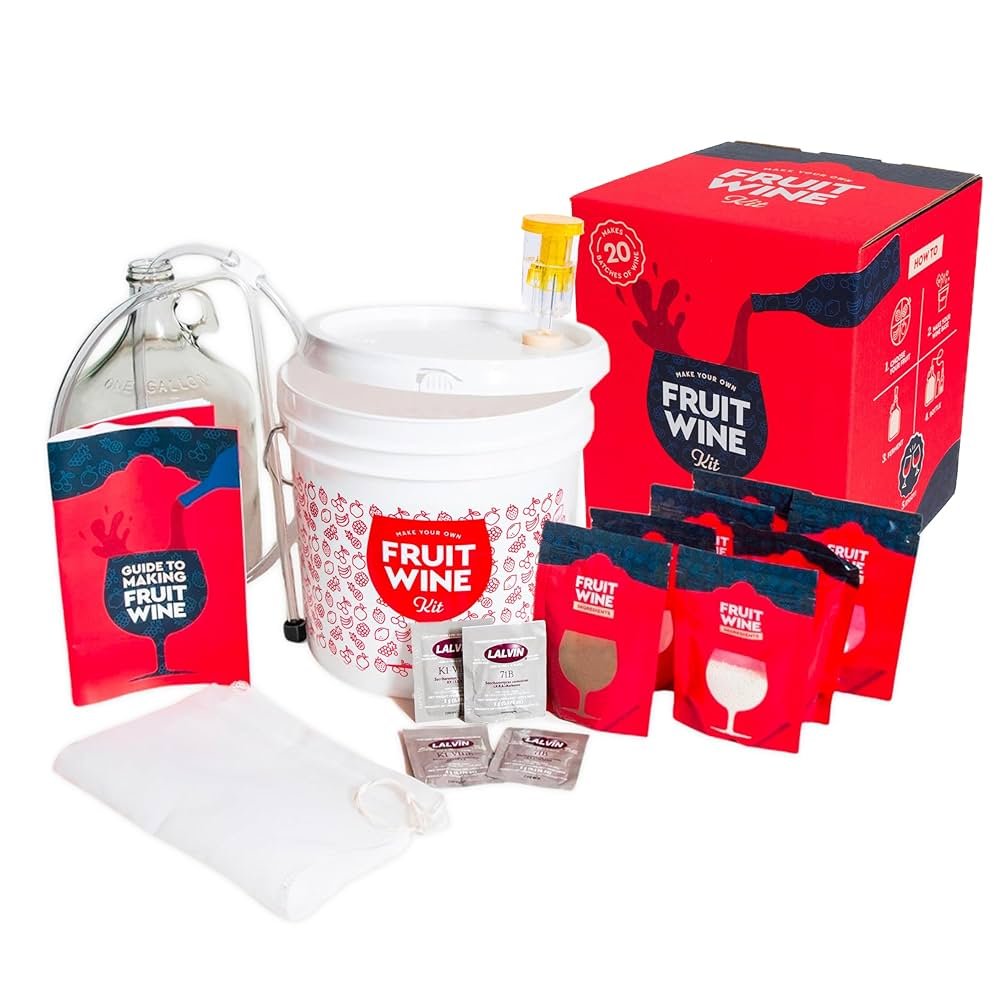
Every beginner needs a few simple tools to get started. A fermenting bucket or carboy is essential for holding your grape juice or fruit mixture during fermentation. You’ll also want a siphon tube to transfer wine without disturbing sediment.
Don’t forget a hydrometer to measure sugar levels and track fermentation progress. A good airlock is necessary to let gases escape while keeping air out. Lastly, a sturdy stirring spoon and a funnel help you handle liquids smoothly.
Sanitizing Your Gear
Sanitizing is one of the most important steps in winemaking. Any bacteria or wild yeast can spoil your batch. Use a no-rinse sanitizer designed for brewing, and soak all equipment before use.
Even something as simple as a bottle cap can carry contaminants. Think about this: how much effort would you put into cleaning if you knew a tiny speck could ruin your wine? Consistency in sanitizing protects your hard work.
Storage Containers
Choosing the right containers affects both fermentation and aging. Glass carboys are popular for their non-reactive surfaces, but plastic buckets are lighter and easier to handle. Just make sure plastic is food-grade and free of scratches where bacteria can hide.
When it’s time to store your wine, dark glass bottles help protect flavor from light damage. You’ll also need corks or screw caps, depending on your preference. Store bottles in a cool, stable place to keep your wine tasting its best.
Preparing The Must
Preparing the must is a key part of making wine. Must is the crushed grape juice, skins, seeds, and stems. It holds all the flavors and sugars needed for fermentation. Handling the must correctly affects the wine’s taste and quality. This process includes crushing and pressing the grapes, measuring sugar levels, and adjusting acidity.
Crushing And Pressing
Crushing breaks the grape skins to release juice. Use a crusher or crush by hand for small batches. Pressing separates the juice from skins and seeds. A gentle press avoids extracting bitter flavors. The goal is to get clean juice for fermentation.
Measuring Sugar Levels
Sugar in the must turns into alcohol during fermentation. Measure sugar using a hydrometer or refractometer. Ideal sugar level depends on the type of wine. Record measurements to track fermentation progress. Adjust sugar if it is too low or high.
Adjusting Acidity
Acidity balances sweetness and affects wine’s freshness. Test acidity with a pH meter or acid test kit. Add tartaric acid to raise acidity if needed. Use calcium carbonate to lower acidity carefully. Proper acidity creates a smooth, tasty wine.
Fermentation Process
The fermentation process is the heart of winemaking. It turns grape juice into wine by using yeast to convert sugars into alcohol. This stage shapes the wine’s flavor, aroma, and texture. Careful attention during fermentation ensures a better final product. Understanding key steps helps beginners gain confidence and control over their wine.
Choosing Yeast
Selecting the right yeast affects how the wine tastes and smells. Different yeast strains bring out various flavors and aromas. Some yeasts work faster, while others produce more complex tastes. Use a yeast type that matches your grape variety and desired wine style. You can buy yeast from winemaking shops or online.
Controlling Temperature
Temperature plays a major role in fermentation. Too hot or too cold can spoil the wine. Keep the fermentation area between 60°F and 75°F (15°C to 24°C). Cooler temperatures slow fermentation and keep fresh fruit flavors. Warmer temperatures speed it up but may cause off-flavors. Use a thermometer to check often and adjust as needed.
Monitoring Fermentation
Watch the fermentation progress to know when it is done. Look for bubbling and foam on the surface, signs of active yeast. Use a hydrometer to measure sugar levels daily. When sugar drops to a stable low level, fermentation is complete. Stir the mixture gently to keep yeast active and evenly distributed. Keep everything clean to avoid contamination.
Racking And Clarifying
Racking and clarifying are key steps in winemaking that help improve the taste and appearance of your wine. These processes involve moving the wine away from unwanted solids and making it clearer. Mastering them early on can elevate your homemade wine from cloudy and harsh to smooth and bright.
Transferring Wine
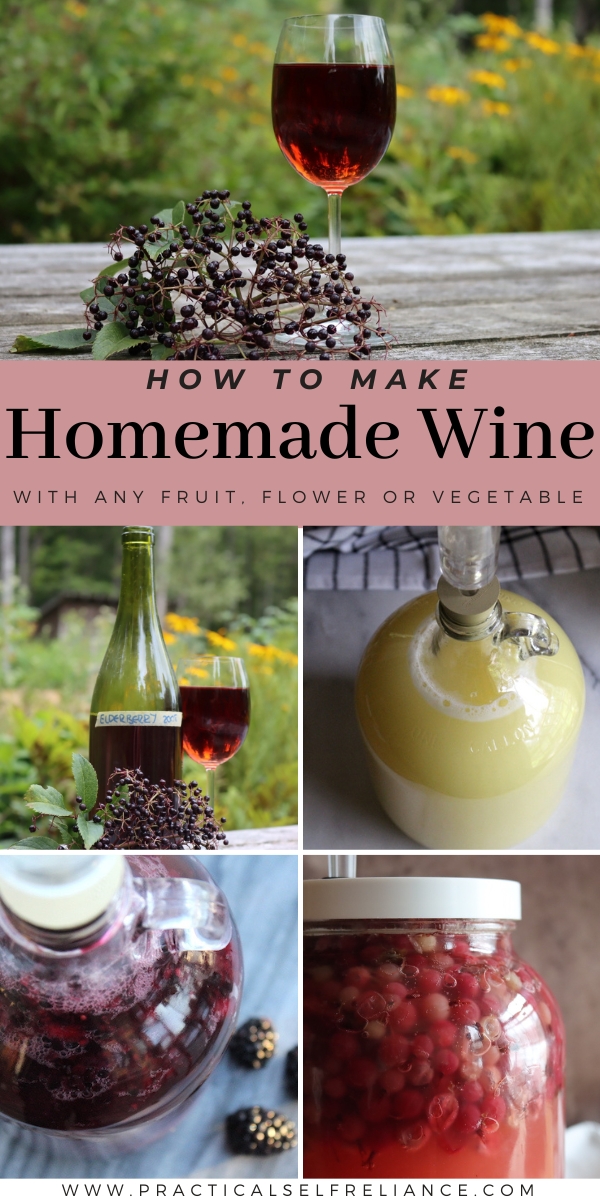
Transferring, or racking, means moving wine from one container to another. This helps separate the wine from sediment that settles at the bottom. You can use a siphon tube to gently move the wine without disturbing the sediment.
Be sure to leave some wine behind to avoid pulling sediment into the new container. This step might seem slow, but patience pays off by preserving the wine’s flavor and clarity. Have you noticed how much clearer wine looks after just one racking?
Removing Sediment
Sediment forms naturally during fermentation and aging. It includes dead yeast cells and grape particles that can make wine taste bitter if left in. Removing sediment improves both the taste and texture of your wine.
After racking, allow the wine to rest so more sediment can settle. Then, rack again if needed. You might find it helpful to use a wine thief or a clear glass container to check how much sediment remains.
Using Clarifying Agents
Clarifying agents help speed up the clearing process by binding with tiny particles and making them easier to remove. Common agents include bentonite clay and gelatin. Adding the right amount can make your wine sparkle without affecting its flavor.
Mix the clarifier in a small amount of water before adding it to your wine. Then, give the wine time to settle—sometimes several days. Have you tried using clarifying agents yet, or do you prefer natural settling?
Credit: practicalselfreliance.com
Aging And Bottling
Aging and bottling are crucial stages in winemaking that shape the final flavor and character of your wine. How you handle these steps can make a big difference in taste and quality. Paying close attention here ensures your hard work turns into a bottle worth savoring.
Selecting Bottles
Choose bottles made of thick glass to protect your wine from light and temperature changes. Dark-colored bottles, like green or brown, help prevent UV damage. Make sure the bottles are clean and free from any residue to avoid contamination.
Consider the size of the bottle too. Standard 750ml bottles are common, but smaller or larger sizes can suit different occasions or aging plans. Have you thought about how bottle shape might influence the wine’s aging process?
Sealing And Storing
Use high-quality corks or screw caps to seal your bottles tightly. A poor seal can let air in, spoiling your wine. If you choose corks, store them properly to avoid drying out or cracking.
Store your bottles horizontally to keep the cork moist, preventing shrinkage and air leaks. Keep the storage area cool, ideally between 50-59°F (10-15°C), with consistent humidity around 70%. Avoid places with strong odors as wine can absorb them.
Optimal Aging Time
Not all wines benefit from long aging. Some whites and light reds taste best within a year or two, while robust reds and fortified wines can improve over many years. How long should you wait before opening your first bottle?
Test your wine periodically by opening a bottle at different intervals to find the ideal aging time for your batch. This hands-on approach helps you understand the unique profile of your homemade wine. Remember, patience here often rewards you with richer, smoother flavors.
Troubleshooting Common Issues
Wine making is an exciting journey, but it can come with a few bumps along the way. Knowing how to troubleshoot common issues can save your batch and improve your skills. Let’s break down some frequent problems you might face and how to handle them effectively.
Off-flavors
Off-flavors can ruin the taste of your wine and often result from contamination or poor ingredient quality. You might notice a sour, bitter, or even medicinal taste. Check your equipment for cleanliness — leftover residue can introduce unwanted bacteria or wild yeast.
Sometimes, off-flavors come from overextraction of tannins, especially if you leave grape skins in contact with the juice too long. Try reducing skin contact time or adjusting fermentation temperature next time. Have you ever tasted your wine and wondered if it was “off”? Paying attention early can prevent bigger issues.
Stuck Fermentation
Fermentation might suddenly stop, leaving your wine sweet and unfinished. This happens if the yeast runs out of nutrients or the environment becomes too harsh, like too cold or too acidic. Gently warming your fermenter or adding yeast nutrients can help restart the process.
Another cause could be high sugar levels stressing the yeast. If you’re aiming for a stronger wine, consider using a yeast strain that tolerates higher alcohol. What steps can you take to monitor fermentation progress? Regularly checking specific gravity will give you clues before problems arise.
Cloudy Wine
Clear wine looks appealing, but sometimes your batch turns out cloudy. This cloudiness often comes from suspended yeast, proteins, or pectins that didn’t settle properly. Patience is key here; giving your wine more time to clear can work wonders.
If waiting isn’t an option, try cold crashing—chilling the wine to encourage particles to drop. Adding fining agents like bentonite clay can also help clarify your wine quickly. Have you considered how temperature control during fermentation affects clarity? Small adjustments might make a big difference.
Tips For Better Wine
Making better wine takes more than just following a recipe. It requires care, attention, and a bit of creativity. Small changes can improve the taste and quality of your wine. Use these tips to help your wine-making journey.
Experimenting With Blends
Mixing different grape varieties can create unique flavors. Try combining sweet and dry grapes for balance. Keep notes on how each blend tastes. This helps to find the best combination for your palate. Blending adds complexity and depth to your wine.
Keeping Records
Write down every step of your process. Note the ingredients, fermentation time, and temperature. Record any changes you make along the way. Good records help you repeat successes and avoid past mistakes. They also guide you in adjusting your methods over time.
Patience And Practice
Great wine needs time to develop its flavors. Allow your wine to age properly before tasting. Avoid rushing the fermentation or bottling stages. Each batch teaches you something new. Practice improves your skills and builds confidence in wine-making.

Credit: deepticlasses.com
Frequently Asked Questions
What Are The Basic Steps In Wine Making For Beginners?
The basic steps include selecting grapes, crushing, fermenting, clarifying, aging, and bottling. Each step influences flavor and quality. Beginners should follow these steps carefully to achieve good results.
How Long Does Homemade Wine Fermentation Take?
Fermentation typically takes one to two weeks, depending on temperature and yeast used. Proper fermentation ensures wine develops its desired taste and alcohol content.
What Equipment Is Essential For Beginner Wine Makers?
Essential equipment includes a fermenter, airlock, siphon, bottles, and sanitizer. These tools help maintain cleanliness and control fermentation for quality wine production.
Can Beginners Make Wine Without Specialized Grapes?
Yes, beginners can use various fruits like apples or berries. However, grape varieties specifically grown for wine yield the best results and authentic flavors.
Conclusion
Starting your wine-making journey can be fun and rewarding. With basic ingredients, anyone can create delicious wines. Just follow simple steps, practice patience, and enjoy the process. Mistakes might happen, but they are part of learning. Over time, you’ll improve your skills and taste.
Sharing your homemade wine with friends brings joy. Remember, each batch tells a unique story. Keep experimenting with different flavors and techniques. Stay curious and passionate. Soon, you’ll find confidence in your creations. Cheers to your new wine-making adventure!
Ethan Cole is a kitchen innovation enthusiast and food technology writer at DiningGadgets.com. With over 8 years of experience reviewing cookware, smart kitchen tools, and design trends, he helps readers discover gadgets that make cooking easier and dining more enjoyable. When he’s not testing the latest kitchen appliances, Ethan enjoys experimenting with recipes and sharing practical tips for modern homes.