Making Wine from Concord Grapes: Easy Steps for Perfect Flavor
Have you ever wanted to create your own wine right at home? Making wine from Concord grapes is easier than you might think, and it can be a rewarding experience that delights your taste buds and impresses your friends.
Imagine sipping a glass of rich, fruity wine crafted by your own hands. In this guide, you’ll discover simple steps and insider tips to turn those vibrant purple grapes into a delicious homemade wine. Ready to unlock the secrets of winemaking and enjoy your very own batch?
Keep reading, and let’s get started!
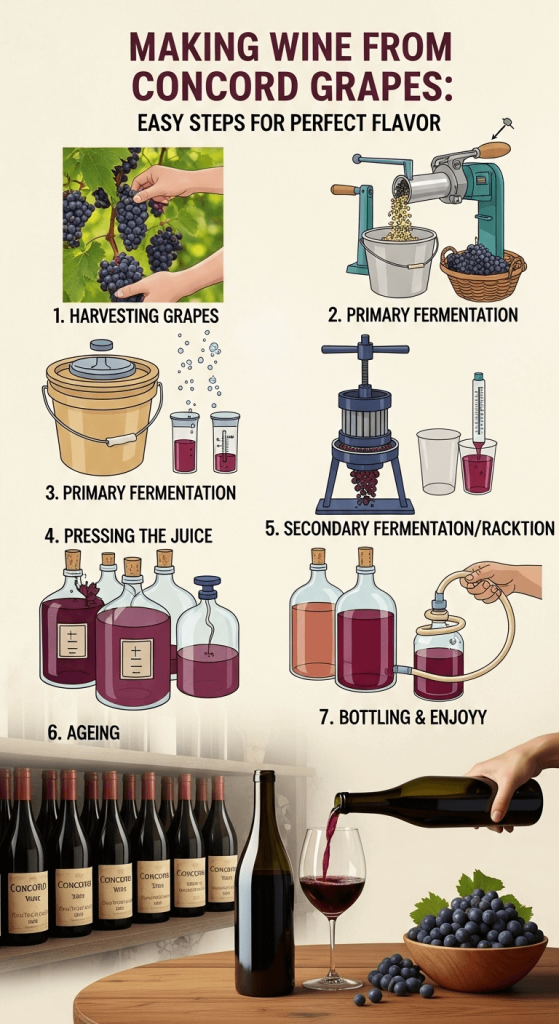
Image: Making Wine from Concord Grapes Easy Steps for Perfect Flavor
Choosing Concord Grapes
Choosing the right Concord grapes is key to making delicious wine. The quality of grapes affects the flavor, color, and aroma of the wine. Picking grapes at the right time and selecting the best ones ensures a smooth fermentation process. Careful selection helps avoid bitterness and off-flavors in the final product.
Best Time To Harvest
Harvest Concord grapes when they are fully ripe. This usually happens in late September to early October. Grapes should feel soft and taste sweet with a slight tartness. The color changes to a deep blue-purple shade. Testing sugar levels with a refractometer helps decide the perfect moment.
Selecting Quality Grapes
Choose grapes that are firm and plump. Avoid grapes that are shriveled, moldy, or damaged. Look for bunches with even color and no signs of pests. Healthy grapes produce better juice and richer wine. Remove leaves and stems before crushing to keep the wine clean and fresh.
Credit: winemakermag.com
Preparing Grapes For Winemaking
Preparing grapes for winemaking is a crucial stage that sets the tone for the entire process. How you handle your Concord grapes now will impact the flavor, clarity, and quality of your final wine. Attention to detail during preparation helps you avoid common pitfalls and brings out the best in your harvest.
Cleaning And Sorting
Start by removing any leaves, stems, or debris mixed with your Concord grapes. This step is essential because unwanted materials can introduce off-flavors or unwanted bitterness to your wine.
Next, sort through the grapes carefully. Discard any grapes that are bruised, moldy, or overly ripe. Using only healthy, firm grapes ensures the wine tastes fresh and vibrant.
Rinse the grapes gently under cool water to remove dirt and dust. Avoid soaking them for too long, as excess water can dilute the juice and affect fermentation.
Crushing Techniques
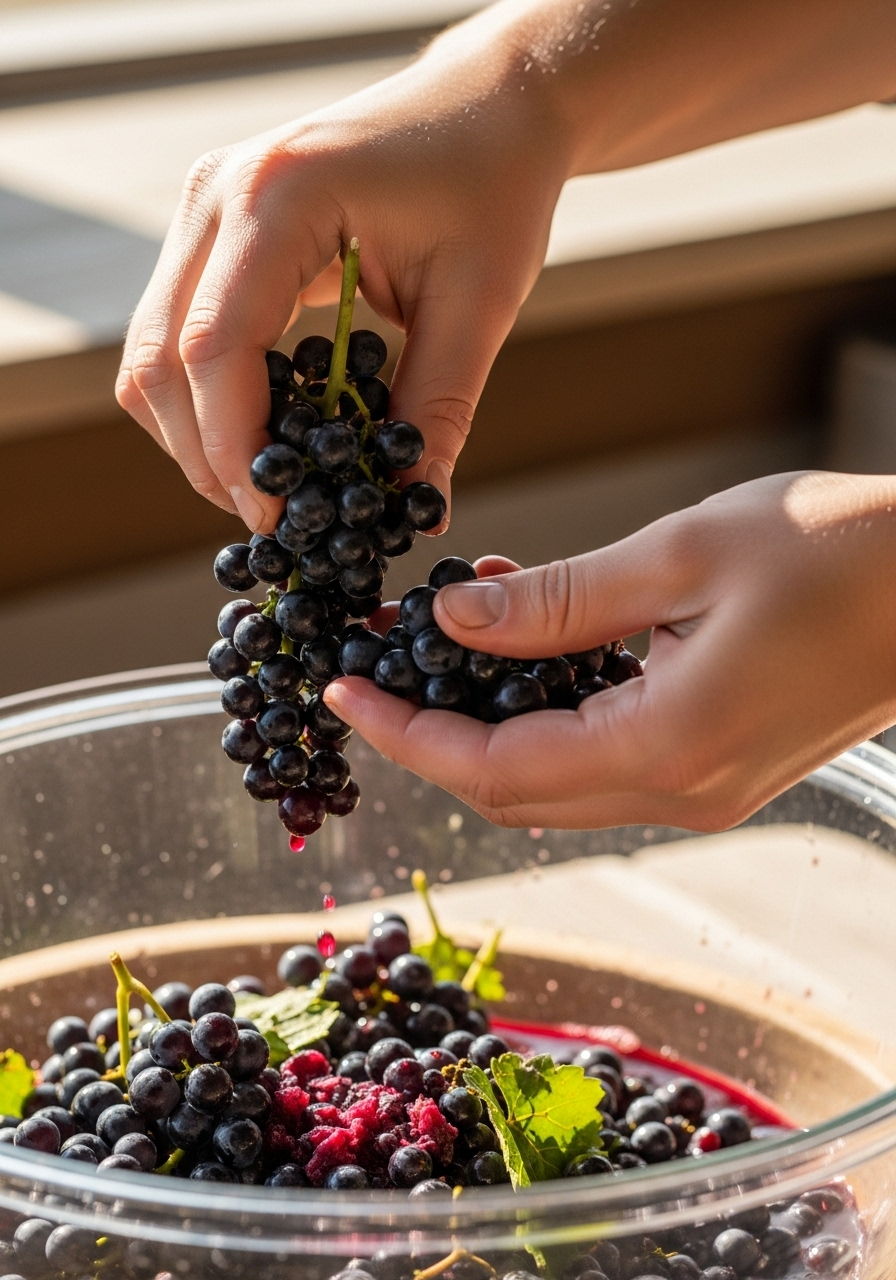
Crushing breaks the grape skins to release juice, but how you crush influences the wine’s character. You can crush grapes by hand for small batches, giving you control over the pressure to avoid crushing seeds, which can add bitterness.
For larger batches, a manual or electric crusher speeds up the process. Just remember to keep the crush gentle—too much force can release harsh tannins from seeds and skins.
Try to crush the grapes just enough to break the skins, leaving some whole berries intact. This technique can add complexity and help balance the wine’s texture.
Have you noticed how crushing feels like the first step in shaping your wine’s personality? Your choices here can turn a simple juice into something truly special.
Fermentation Process
The fermentation process transforms your Concord grape juice into vibrant, flavorful wine. It’s where sugars turn into alcohol, and the true character of your wine begins to emerge. Understanding how to manage this process will help you craft a wine that reflects the unique qualities of your grapes.
Selecting Yeast
The choice of yeast greatly influences the taste and aroma of your wine. You can use natural wild yeast found on grape skins, but it’s less predictable and may produce off-flavors. Most winemakers prefer adding a specific wine yeast strain, such as Lalvin EC-1118, which is reliable and enhances the fruity notes of Concord grapes.
Have you ever tasted a wine that smelled odd or tasted sour? That’s often due to the wrong yeast or contamination. Selecting a good-quality yeast ensures a clean fermentation and consistent results every time.
Controlling Temperature
Temperature control during fermentation is critical. If the temperature is too high, the yeast may produce harsh flavors or even die off. Too low, and fermentation slows down or stops entirely.
Keep your fermenting wine between 65°F and 75°F (18°C to 24°C). You can use a temperature-controlled space or wrap your fermentation vessel with a wet towel to help maintain stable conditions. Have you noticed how wine from warmer climates tastes different? Temperature is a big part of that.
Duration Of Fermentation
Fermentation usually lasts from 7 to 14 days but can vary depending on yeast and temperature. You’ll know it’s finishing when bubbles slow down and the wine tastes less sweet. Don’t rush this stage; patience helps develop complexity and balance in your wine.
Keep tasting your wine every couple of days. This hands-on approach lets you decide the perfect moment to stop fermentation by transferring the wine off the grape skins and yeast sediment. How closely you monitor this can change your wine’s final flavor profile dramatically.
Pressing And Straining
Pressing and straining are crucial steps in making wine from Concord grapes. These processes help you separate the juice from the grape skins, seeds, and pulp, setting the stage for fermentation. Handling this part carefully affects the flavor and clarity of your final wine.
Extracting Juice
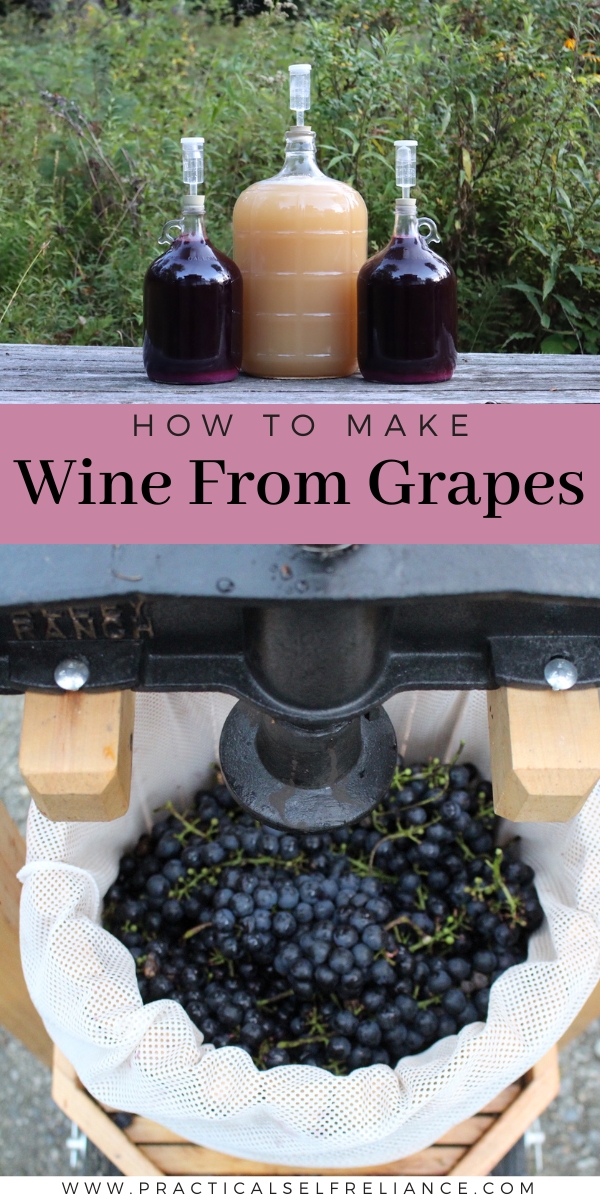
Start by gently pressing the crushed grapes to release their juice. You don’t want to apply too much pressure; squeezing too hard can release bitter flavors from the seeds and skins.
A simple hand press or even a clean cloth can work well. I once used a basic nylon bag to press, and it gave me surprisingly clear juice without any harshness. Have you tried different pressing tools? You might find one that suits your style and yield better.
Removing Solids
After pressing, strain the juice to remove any leftover solids. Use a fine mesh strainer or cheesecloth to catch pulp and seeds.
Removing solids early helps prevent unwanted bitterness and off-flavors. It also reduces the chance of spoilage during fermentation. If you want a brighter wine, take your time to strain thoroughly—your palate will thank you later.
Aging The Wine
Aging the wine is a key step in making Concord grape wine. It helps develop better flavors and smooths out harsh notes. The wine changes over time, becoming richer and more balanced. This process needs patience and careful attention. Proper aging brings out the best in your homemade wine.
Choosing Containers
Select the right container for aging your wine. Glass carboys are popular because they do not affect flavor. Oak barrels add extra taste but need more care. Stainless steel tanks keep the wine pure and fresh. Make sure containers are clean and airtight. This prevents unwanted air and bacteria from spoiling the wine.
Monitoring Flavor Development
Check your wine’s taste regularly during aging. Flavors evolve slowly, so test every few weeks. Use a clean glass and small amount each time. Note changes in sweetness, acidity, and aroma. Decide when the wine tastes smooth and balanced. This is the best time to stop aging and start bottling.
Bottling And Storage
Bottling and storage mark the final stages in making wine from Concord grapes. Proper care during these steps preserves the wine’s flavor and quality. Attention to detail ensures the wine ages well and stays fresh. Cleanliness and correct conditions keep the wine safe from spoilage and oxidation.
Sanitizing Bottles
Clean bottles prevent harmful bacteria from spoiling the wine. Use hot water and a mild detergent to wash each bottle. Rinse thoroughly to remove any soap residue. Sanitize bottles with a solution of one tablespoon of bleach per gallon of water. Let the bottles air dry completely before filling.
Sealing And Labeling
Use airtight corks or screw caps to seal the bottles tightly. This stops air from entering and spoiling the wine. Label each bottle with the date and wine type. Clear labels help track the wine’s age and variety. Write labels with waterproof ink to avoid smudging.
Ideal Storage Conditions
Store wine bottles in a cool, dark place to slow aging. Keep the temperature steady, ideally between 50°F and 60°F (10°C to 15°C). Avoid direct sunlight and strong odors that affect wine quality. Store bottles horizontally to keep corks moist and sealed. Maintain humidity around 70% to prevent cork drying.
Tips For Enhancing Flavor
Enhancing the flavor of Concord grape wine can make your homemade brew more enjoyable. Small changes during the winemaking process bring out richer tastes and aromas. These tips help you refine your wine’s flavor profile.
Adjusting Sugar Levels
Sugar affects the sweetness and alcohol content of your wine. Start by testing the grape juice’s natural sugar level with a hydrometer. Add sugar slowly to avoid over-sweetening. Dissolve sugar completely before fermentation begins. This creates balanced alcohol and smooth taste.
Adding Spices Or Herbs
Spices and herbs add unique notes to your wine. Try cinnamon sticks, cloves, or dried orange peel for warmth. Fresh herbs like mint or basil give a fresh twist. Add these during fermentation or aging in small amounts. Taste regularly to avoid overpowering the grape flavor.
Balancing Acidity
Acidity keeps the wine crisp and lively. Test the acidity using pH strips or a titration kit. Add lemon juice or tartaric acid to boost acidity if needed. If acidity is too high, dilute with water or add a bit of sugar. Proper acidity balance enhances freshness and drinkability.
Credit: practicalselfreliance.com
Credit: practicalselfreliance.com
Frequently Asked Questions
What Are The Best Grapes For Making Wine?
Concord grapes are ideal for homemade wine due to their rich flavor. They have high sugar content and natural acidity, which enhance fermentation. Their robust taste creates a unique, fruity wine that many enjoy.
How Long Does It Take To Make Concord Grape Wine?
Making Concord grape wine typically takes 4 to 8 weeks. Primary fermentation lasts 1 to 2 weeks. Aging the wine improves flavor and can take several more weeks or months.
What Equipment Is Needed For Concord Grape Winemaking?
Essential equipment includes a fermenter, airlock, siphon, bottles, and sanitizer. You also need a crusher or masher to extract juice from the grapes. Proper tools ensure clean fermentation and quality wine.
Can I Use Concord Grapes Without Additives?
Yes, Concord grapes contain natural yeast and sugar for fermentation. However, adding yeast and sugar can improve consistency and flavor. Avoiding additives may result in unpredictable fermentation and taste.
Conclusion
Crafting wine from Concord grapes is a rewarding journey. It’s simple and fun. You control the flavors and sweetness. Each sip tells a story of your effort. Enjoy the process and learn as you go. This homemade wine can impress friends and family.
Plus, it’s a way to use extra grapes. Experiment with different techniques. You might discover new tastes and aromas. Remember, practice makes perfect. Start your winemaking adventure today. Delight in creating something unique and personal.

Sophia Martinez is a culinary lifestyle writer and product reviewer for DiningGadgets.com. Passionate about blending style with functionality, she explores the latest dining essentials, kitchen décor, and cleaning hacks that transform everyday cooking spaces. With a background in home organization and design, Sophia brings readers expert advice on creating beautiful, practical kitchens that truly feel like the heart of the home.