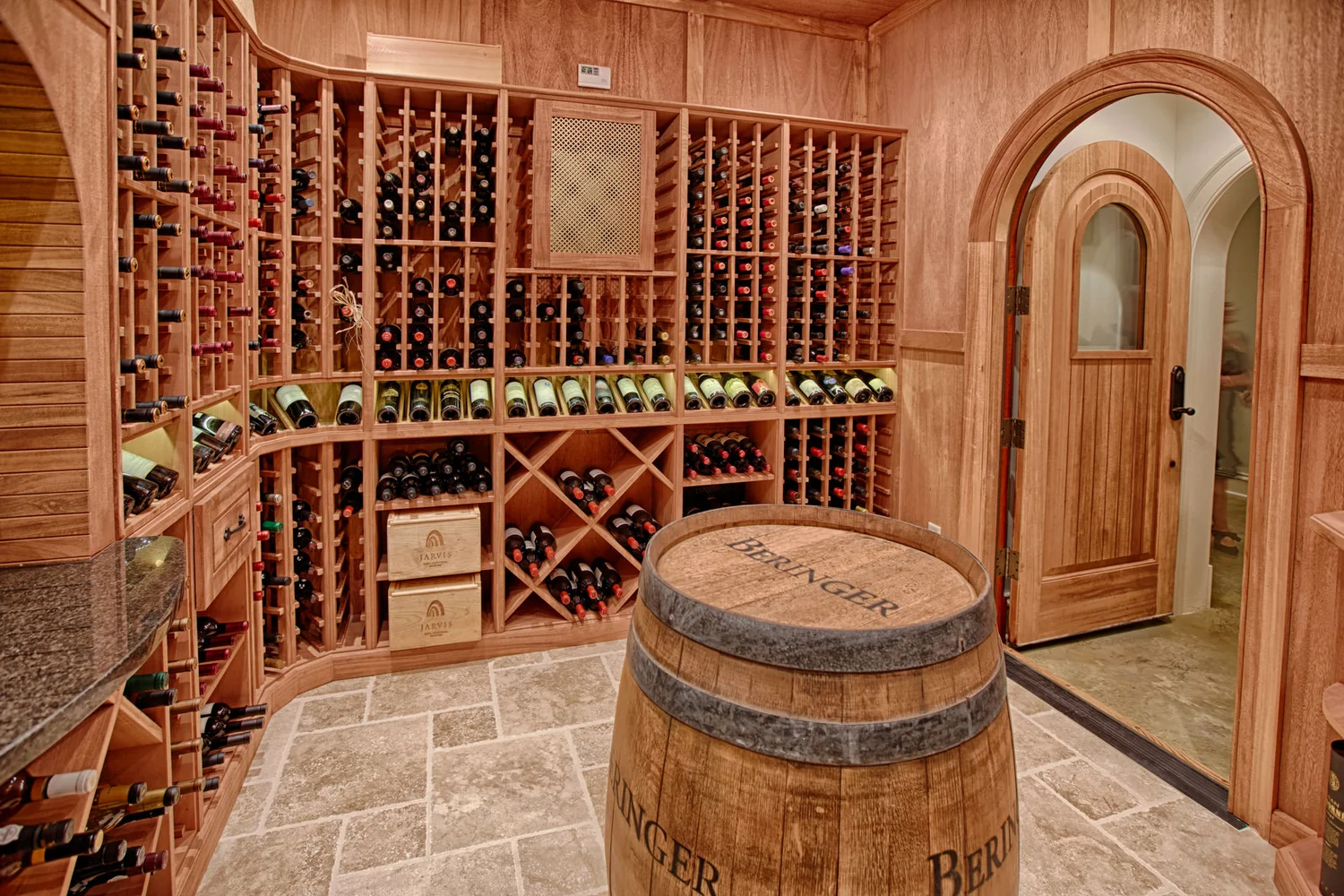
Making a Wine Cellar: Essential Tips for Perfect Wine Storage
Imagine having a special place in your home where your favorite wines are perfectly stored and ready to enjoy anytime. Making a wine cellar isn’t just about storage—it’s about creating an experience that brings your wine collection to life.
Whether you’re a casual drinker or a serious collector, building your own wine cellar can protect your investment and enhance every sip. You’ll discover simple steps to design a space that fits your style and keeps your wines in top condition.
Ready to turn a corner of your home into a wine lover’s paradise? Let’s get started.
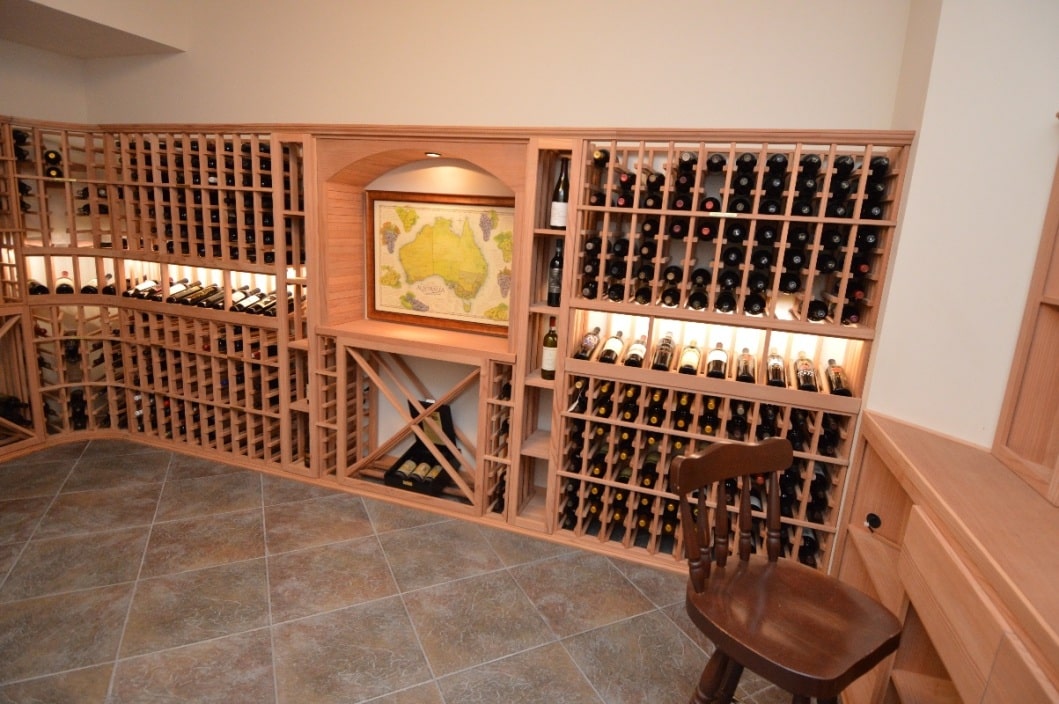
Credit: www.customwinecellarslosangeles.com
Choosing The Right Location
Choosing the right location for your wine cellar is the foundation of preserving and enhancing your wine collection. The spot you pick affects temperature, humidity, light exposure, and ease of access—all critical to keeping your wine in top condition. Think about where your wines will be safest and most comfortable over years or even decades.
Ideal Temperature Zones
Wines thrive best at a stable temperature between 50°F and 59°F (10°C to 15°C). Temperatures outside this range can spoil the taste or age your wine prematurely.
Basements often make great locations because they naturally stay cool. But if your basement tends to fluctuate, consider installing a cooling system designed for wine storage.
Ask yourself: Is the temperature steady year-round in this spot? If not, you risk ruining valuable bottles.
Avoiding Light And Vibrations
Light, especially sunlight, can damage wine by causing premature aging and unpleasant flavors. Choose a dark area or plan to use UV-protective glass if natural light is unavoidable.
Vibrations from nearby appliances or heavy foot traffic disturb the sediment in wine, which impacts taste. Avoid placing your cellar near washing machines, HVAC units, or busy hallways.
Have you noticed any constant shaking or noise in your proposed location? That’s a red flag you should not ignore.
Space And Accessibility
Think about how much wine you want to store now and in the future. Your location should have enough room not just for racks but for comfortable movement.
Easy access is essential. You want to grab a bottle without hassle, especially during gatherings or dinner parties.
Is the spot near your kitchen or dining area? Proximity makes enjoying your collection more convenient and encourages you to explore your wines more often.
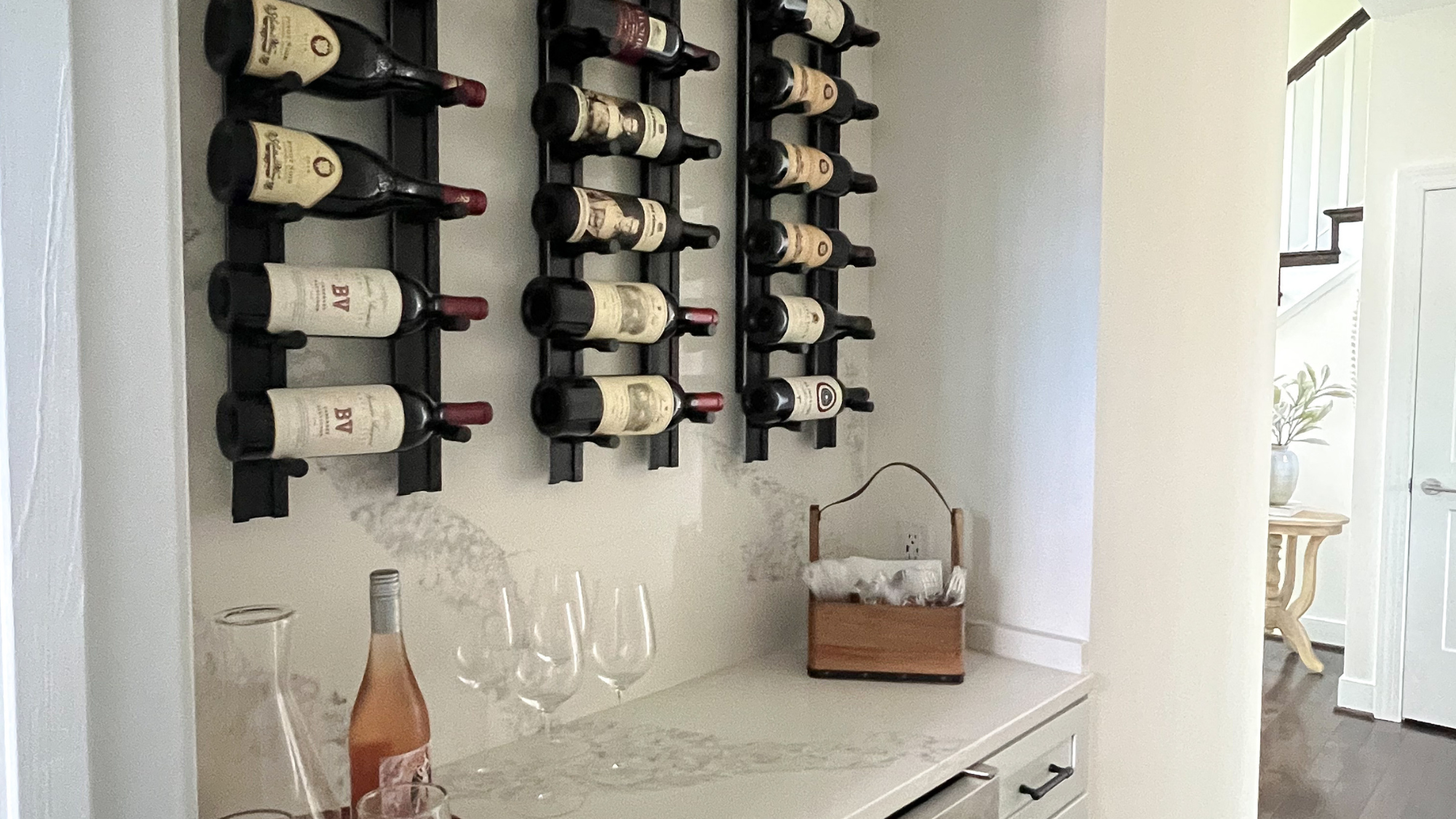
Credit: vintageview.com
Controlling Temperature And Humidity
Controlling temperature and humidity is the backbone of a successful wine cellar. Without the right environment, your wine’s flavor and aging process can suffer. Let’s look at how you can create the perfect climate for your collection.
Setting Optimal Temperature
Keeping your wine at the right temperature is crucial. Aim for a steady range between 50°F and 59°F (10°C to 15°C). Temperatures above 70°F can age wine too quickly, while colder temps may halt the aging process entirely.
Think about your current space—can it hold a constant temperature? Basements are often ideal because they naturally stay cooler. If your cellar fluctuates in temperature, your wine might develop off-flavors or spoil.
Maintaining Proper Humidity Levels
Humidity affects corks and labels more than the wine itself. Aim for 60-70% humidity to keep corks from drying out and shrinking. Dry corks let air in, which can ruin your wine.
Too much humidity, however, can cause mold and damage labels. Use a hygrometer to monitor humidity regularly. Simple solutions like a water pan or humidifier can help balance levels if needed.
Using Climate Control Systems
Investing in a climate control system can make managing temperature and humidity easier. These units regulate both factors automatically, providing consistent conditions 24/7.
Look for systems designed specifically for wine cellars—they are quieter and more efficient. Some models even offer smart controls, allowing you to check and adjust settings from your phone.
Have you considered how much your wine collection is worth to you? Spending a bit more on climate control could preserve your investment better than any other upgrade.
Selecting Storage Materials
Choosing the right materials for your wine cellar is crucial for preserving your collection. Storage materials affect temperature control, humidity, and overall wine quality. Durable, moisture-resistant materials keep wine safe over time. Each element, from racks to walls, plays a key role in maintaining ideal conditions.
Types Of Racks And Shelving
Wood racks create a classic look and absorb humidity well. Popular woods include redwood, mahogany, and cedar. Metal racks offer durability and modern style. They resist warping and are easy to clean. Wire racks are lightweight and affordable but less sturdy. Consider the bottle shape and size when choosing racks. Custom shelving fits unique collections and maximizes space. Make sure racks hold bottles horizontally to keep corks moist.
Insulation Options
Proper insulation stabilizes temperature and controls moisture. Foam board insulation is common for wine cellars. It offers strong thermal resistance and prevents air leaks. Spray foam insulation seals gaps and adds moisture control. Reflective insulation reduces heat from outside sources. Use vapor barriers with insulation to stop mold growth. Insulation thickness depends on cellar location and climate. Good insulation lowers energy costs and protects wine quality.
Flooring And Wall Considerations
Choose flooring materials that resist moisture and temperature changes. Stone, tile, and sealed concrete are excellent options. Avoid carpet or hardwood, which absorb moisture and can warp. Walls should be moisture-resistant and well insulated. Use mold-resistant drywall or cement board. Wood paneling adds warmth but requires sealing. Consider wall finishes that allow airflow to prevent dampness. Proper flooring and walls create a stable cellar environment.

Credit: rosehillwinecellars.com
Organizing Your Wine Collection
Organizing your wine collection is essential for easy access and proper care. A well-organized cellar helps preserve wine quality and saves time. It also makes your collection visually appealing and enjoyable.
Sorting By Type And Vintage
Group wines by type: red, white, rosé, or sparkling. This keeps similar wines together for better management.
Arrange each type by vintage year. Older wines go in one section; newer ones in another. This helps track aging and drinking times.
Sorting this way simplifies finding the right bottle for any occasion. It also protects delicate wines by storing them properly.
Labeling Techniques
Use clear labels on each bottle or shelf. Write important details like name, vintage, and origin.
Labels should be easy to read and moisture-resistant. Printed labels or waterproof tags work well.
Color coding can speed up identification. Assign colors for types or drinking windows.
Creating A Catalog System
Keep a catalog to track every bottle. Record type, vintage, purchase date, and location.
Choose digital tools or a simple notebook. Digital options offer search functions and updates.
Update the catalog regularly. Note bottles added, moved, or consumed.
Lighting And Security
Lighting and security are key for a successful wine cellar. Proper lighting shows off your collection without harming the wine. Security keeps your bottles safe from theft and damage. Both elements work together to create a safe and attractive space.
Choosing The Right Lighting
Use soft, warm lights to avoid heat that can spoil wine. LED lights are a great choice. They stay cool and use less energy.
Install dimmable lights to control brightness. This helps protect labels and wine color. Avoid fluorescent lights as they emit UV rays that can harm wine.
- Place lights away from direct contact with bottles.
- Use spotlights to highlight special bottles or areas.
- Consider motion sensor lights for convenience and energy saving.
Protecting Against Theft And Damage
Lock the cellar door with a sturdy lock. Use a keypad or biometric lock for extra security.
Install an alarm system and security cameras. These deter thieves and provide evidence if needed.
- Keep the cellar door closed to control temperature and security.
- Use sturdy racks to prevent bottles from falling.
- Label bottles clearly to avoid unnecessary handling.
Maintenance And Monitoring
Maintaining and monitoring a wine cellar is essential to protect your wine collection. Proper care keeps wine flavors intact and prevents damage. Regular checks help detect problems early, saving time and money.
Regular Inspection Routines
Check your wine cellar at least once a week. Look for signs of mold or leaks. Inspect bottles for any unusual odors or stains. Make sure the racks are stable and bottles are secure. Record temperature and humidity levels daily to track changes.
Handling Temperature Fluctuations
Keep the temperature steady between 50°F and 59°F. Sudden temperature changes can spoil wine. Use a reliable thermostat and thermometer to monitor levels. Adjust cooling systems if temperatures rise or fall. Avoid placing the cellar near heat sources or direct sunlight.
Cleaning And Upkeep
Clean the cellar regularly to prevent dust and mold buildup. Use mild soap and water on surfaces and racks. Avoid harsh chemicals that can affect wine quality. Clean spills immediately to prevent stains and odors. Keep the floor dry and free of debris to maintain a safe environment.
Frequently Asked Questions
How Do I Start Building A Wine Cellar?
To start building a wine cellar, begin by selecting an appropriate location. Consider factors like temperature, humidity, and space. Ensure proper insulation and choose cooling systems to maintain optimal conditions. Invest in quality wine racks and consider your wine collection’s size.
Planning and research are crucial for a successful wine cellar.
What Is The Ideal Temperature For Wine Storage?
The ideal temperature for wine storage is between 45°F and 65°F. Consistency is crucial, so avoid fluctuations. Red wines generally prefer slightly warmer temperatures, while whites thrive a bit cooler. Ensure your wine cellar maintains these conditions to preserve the wine’s flavor, aroma, and quality over time.
How Much Does A Wine Cellar Cost?
The cost of a wine cellar varies greatly, ranging from $500 to $100,000 or more. Factors influencing cost include size, location, materials, and cooling systems. Custom designs and high-end finishes increase expenses. Budgeting carefully and planning according to your needs ensures a satisfactory and functional wine cellar.
Why Is Humidity Important In Wine Cellars?
Humidity is crucial in wine cellars to maintain cork integrity and prevent spoilage. Ideal humidity levels range from 50% to 70%. Too low humidity can dry corks, causing oxidation. Excessive humidity encourages mold growth. Maintaining balanced humidity protects wine quality and ensures long-term storage success.
Conclusion
Creating a wine cellar adds value and charm to any home. It keeps wine fresh and ready for special moments. Proper temperature and humidity control are key. Choose the right space and materials carefully. Organize bottles so you can find them easily.
Enjoy the process of building and using your cellar. A well-made wine cellar brings joy to wine lovers. Start small, then expand as your collection grows. Your wine will thank you for good care. A cozy wine cellar makes every sip better.
Ethan Cole is a kitchen innovation enthusiast and food technology writer at DiningGadgets.com. With over 8 years of experience reviewing cookware, smart kitchen tools, and design trends, he helps readers discover gadgets that make cooking easier and dining more enjoyable. When he’s not testing the latest kitchen appliances, Ethan enjoys experimenting with recipes and sharing practical tips for modern homes.