Making Red Wine Vinegar: Easy Steps for Perfect Homemade Vinegar
If you love cooking and enjoy adding unique flavors to your dishes, making red wine vinegar at home is a skill you’ll want to master. Imagine having a fresh, tangy vinegar crafted by your own hands—perfect for salads, marinades, and even sauces.
It’s easier than you think, and once you learn how, you’ll never want to buy store-bought vinegar again. Ready to discover the simple steps to create your own red wine vinegar? Let’s dive in and transform your kitchen creations.
Choosing The Right Red Wine
Choosing the right red wine is key to making great red wine vinegar. The wine’s flavor shapes the vinegar’s taste. Pick wines that balance acidity and fruitiness. Avoid wines that are too sweet or too bitter. The best choice depends on the style of vinegar you want. Quality also matters for a pure, clean vinegar.
Types Of Red Wine To Use
Use dry or semi-dry red wines for the best results. Popular choices include Merlot, Cabernet Sauvignon, and Pinot Noir. These wines have good acidity and rich flavors. Light-bodied wines create delicate vinegar. Full-bodied wines produce stronger vinegar. Experimenting with blends can add unique taste profiles.
- Merlot: Smooth and fruity
- Cabernet Sauvignon: Bold and tannic
- Pinot Noir: Light and aromatic
- Zinfandel: Spicy and rich
Avoiding Wines With Additives
Choose wines without preservatives or additives. Sulfites and artificial flavors harm vinegar fermentation. Organic or natural wines are safer options. Read labels carefully to spot unwanted chemicals. Pure wine helps beneficial bacteria grow well. Clean fermentation means better vinegar flavor and aroma.
Credit: www.runninginaskirt.com
Gathering Equipment And Ingredients
Making red wine vinegar at home starts with gathering the right tools and ingredients. Having everything ready makes the process smooth and enjoyable. The quality of your vinegar depends on the materials you use. Simple equipment and fresh ingredients lead to the best results. Below is a list of what you need to begin.
Essential Tools
- Glass jar or ceramic crock for fermentation
- Cheesecloth or breathable cloth cover
- Rubber band or string to secure the cover
- Measuring cups and spoons
- Funnel for easy pouring
- Clean bottles for storing vinegar
- Thermometer to monitor temperature (optional)
Additional Ingredients Needed
- Red wine with good flavor and moderate alcohol
- Mother of vinegar or unpasteurized vinegar as starter
- Filtered water to dilute if needed
- Optional: sugar to speed up fermentation
Preparing The Wine For Fermentation
Preparing the wine for fermentation is a key step in making red wine vinegar. The wine needs the right conditions for good fermentation. This helps turn alcohol into vinegar smoothly. Proper preparation also prevents unwanted flavors and spoilage. Two important tasks in this stage are adjusting the alcohol level and adding the mother of vinegar.
Diluting And Adjusting Alcohol Content
High alcohol can stop vinegar bacteria from working well. The ideal alcohol level for fermentation is 5% to 7%. Dilute strong wine with clean water to reach this range.
- Measure the wine’s alcohol with a hydrometer or label info.
- Mix water slowly into the wine to lower alcohol.
- Stir gently to blend without adding air.
- Test alcohol again to confirm it is in the right range.
Proper dilution helps vinegar bacteria thrive and produce better flavor. Avoid too much water, or the vinegar will be weak.
Adding The Mother Of Vinegar
The mother of vinegar is a natural culture of acetic acid bacteria. It helps start and speed up fermentation. You can get the mother from raw vinegar or a previous batch.
- Pour some mother into the diluted wine.
- Use about one cup of mother per quart of wine.
- Cover the container with a breathable cloth to keep out dust.
- Keep the mixture in a warm, dark place for best results.
The mother will grow and turn alcohol into vinegar over time. Without it, fermentation may take much longer or fail.
Setting Up The Fermentation Environment
Setting up the right fermentation environment is key to making quality red wine vinegar. The environment affects how well the vinegar bacteria grow and turn alcohol into vinegar. Proper temperature and container choice help create the best conditions for fermentation. These factors ensure a smooth and efficient process, giving a rich flavor to your vinegar.
Ideal Temperature And Conditions
The best temperature for fermenting red wine vinegar is between 60°F and 80°F (15°C and 27°C). Temperatures too low slow down the bacteria. Too high can kill them. Keep the area well-ventilated but avoid strong drafts. The fermentation needs oxygen but not too much exposure. Light should be indirect because direct sunlight can harm the bacteria.
Humidity should be moderate. Too dry can dry out the liquid. Too wet can cause mold. Keep the fermentation spot clean to prevent unwanted bacteria. Check the temperature regularly to maintain a steady environment.
Choosing The Right Container
Pick a container that allows air flow but protects the vinegar from dust and bugs. Glass jars or ceramic crocks work well. Avoid metal containers because they can react with the vinegar and change its taste. Wooden barrels are traditional but need experience to use properly.
The container should be large enough to hold the wine plus space for air. Cover the opening with a breathable cloth or paper towel. Secure it with a rubber band to keep out insects while letting air in. Clean and sanitize the container before use to keep the fermentation safe.
Fermentation Process
The fermentation process is key to making red wine vinegar. It changes wine into vinegar through natural action. This process uses bacteria called acetic acid bacteria. They turn alcohol into acetic acid, the main vinegar component. The right conditions help these bacteria work well. Temperature, air, and time all affect fermentation. Patience is important to get the best flavor and quality.
Timeline For Fermentation
Fermentation usually takes between 3 to 6 weeks. The first stage is alcoholic fermentation if starting from grape juice. If using wine, the acetic acid fermentation begins directly. In the first week, bacteria start producing acetic acid slowly. By the third week, acidity rises noticeably. After 4 to 6 weeks, vinegar is often ready to taste. Some makers let it age longer for deeper flavor.
Signs Of Successful Fermentation
- Clear smell of vinegar, not wine or alcohol
- Formation of a thin film called “mother” on the surface
- Sharp, tangy taste with no sweetness
- Absence of foul or moldy odors
- Stable acidity level around 5-7% acetic acid
These signs show that bacteria have fully converted alcohol. The vinegar is then safe and ready to use in cooking.

Credit: www.fermentingforfoodies.com
Testing And Tasting Your Vinegar
Testing and tasting your red wine vinegar is essential to ensure it has the right acidity and flavor. This step helps confirm your vinegar is ready for use. It also guides any needed adjustments for a balanced taste. Careful tasting makes your vinegar enjoyable and safe.
Checking Acidity Levels
Acidity defines vinegar’s sharpness and preservation power. Use pH strips or an acid test kit to measure acidity. Ideal red wine vinegar acidity ranges between 5% and 7%. Dip the strip into a small vinegar sample. Compare the color change to the chart provided. Accurate acidity ensures your vinegar is strong and safe.
Adjusting Flavor
Taste the vinegar carefully. It should have a sharp, tangy flavor without bitterness. Add water to reduce acidity if it is too strong. Add more fermented wine if the flavor is too mild. Let the vinegar rest after adjustment to blend flavors. Repeat tasting until you reach the desired taste.
Bottling And Storing Vinegar
After patiently fermenting your red wine vinegar, bottling and storing it properly is key to preserving its vibrant flavors and acidity. The right containers and storage conditions can keep your vinegar fresh and ready to enhance your dishes for months or even years. Let’s look at how to choose the best bottles and keep your vinegar in top shape.
Selecting Bottles
Glass bottles are your best bet for storing red wine vinegar. They don’t react with the vinegar’s acidity, keeping the flavor pure. Dark-colored glass, like amber or green, is ideal because it protects the vinegar from light, which can degrade its quality.
Look for bottles with airtight caps or corks to prevent air from spoiling your vinegar. If you’ve ever tasted vinegar that smells off or lost its punch, it’s often because it was exposed to too much air. Smaller bottles can be handy, allowing you to open one at a time without exposing the whole batch.
Storage Tips For Longevity
Store your bottled vinegar in a cool, dark place away from heat sources like ovens or direct sunlight. A pantry or cupboard works well. Temperature fluctuations can speed up spoilage or change the taste.
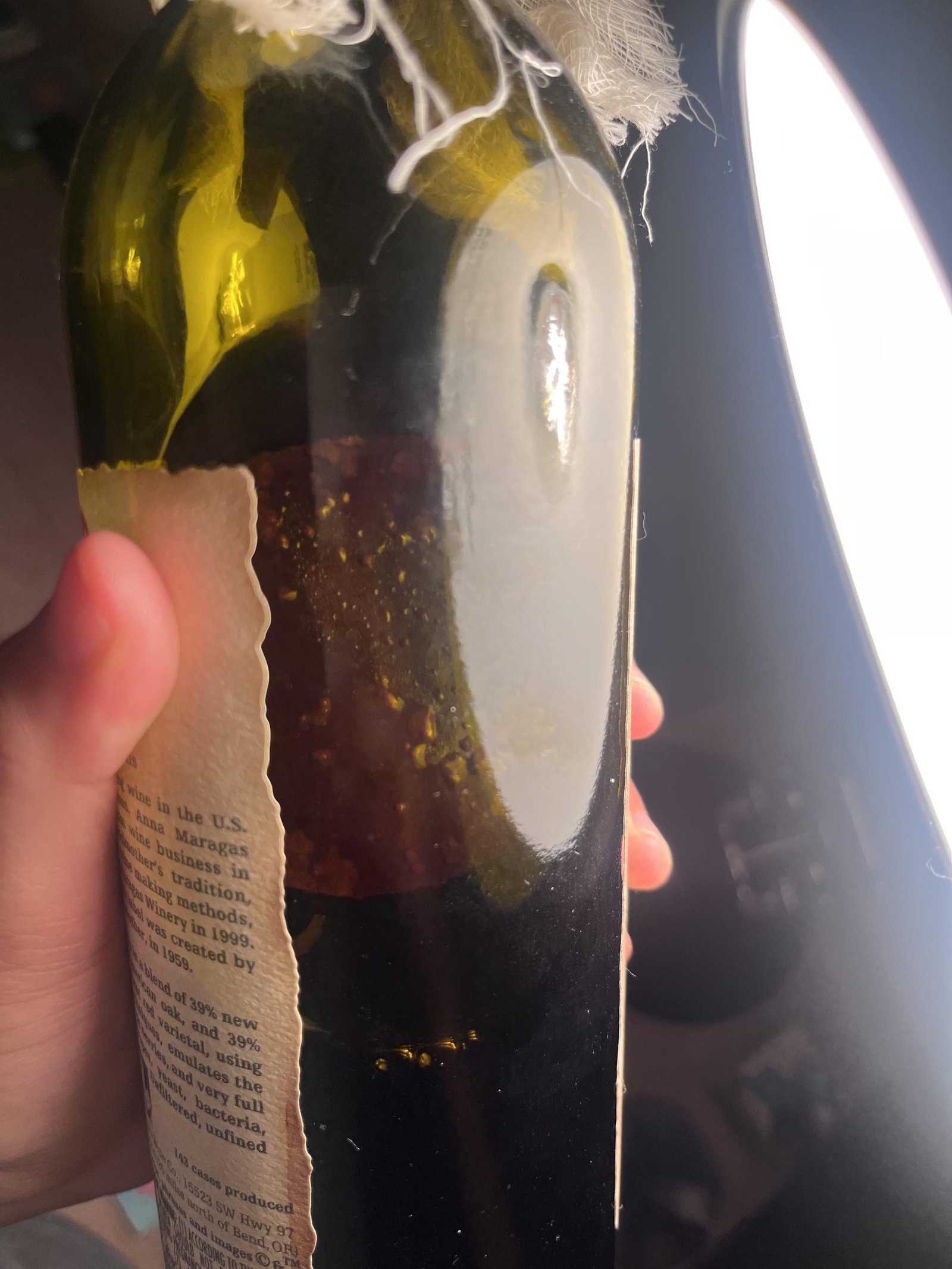
Keep your bottles upright to minimize the surface area exposed to air inside. If you notice sediment or cloudiness, don’t worry—this is natural and won’t harm the vinegar. However, always check for any off smells or mold, which means it’s time to discard.
Have you tried labeling your bottles with the bottling date? It helps you track freshness and rotate your stock before it loses flavor. Small details like this make a big difference in enjoying your homemade vinegar at its best.
Common Troubleshooting Tips
Making red wine vinegar is a rewarding process, but it doesn’t always go perfectly. You might face some common issues that can throw off the flavor or slow down your progress. Knowing how to troubleshoot these problems helps you get back on track quickly and ensures your vinegar turns out just right.
Dealing With Mold Or Off Smells
Mold on your vinegar’s surface or unpleasant smells can be alarming. Mold usually appears as fuzzy patches and means your vinegar was exposed to too much oxygen or contamination. The best way to handle mold is to carefully remove it with a clean spoon and discard any affected liquid around it.
Off smells, like rotten eggs or strong chemical odors, often indicate poor fermentation conditions. Check if your container is sealed properly and if the temperature is stable—around 60-80°F (15-27°C) works best. Sometimes, simply giving your vinegar more time to mature can resolve odd smells as natural acids develop.
Speeding Up Fermentation
If your vinegar is taking too long to ferment, there are a few ways to speed things up. First, make sure the temperature is warm enough but not too hot—around 75°F (24°C) is ideal. Warmer temperatures encourage the bacteria that turn alcohol into vinegar to work faster.
You can also add a “mother of vinegar” from a previous batch or store-bought vinegar with live cultures. This jumpstarts the fermentation process by introducing active bacteria. Keep your container in a well-ventilated area but avoid direct sunlight to maintain steady fermentation.
Creative Uses For Homemade Red Wine Vinegar
Homemade red wine vinegar has many creative uses beyond just cooking. It adds flavor and zest to dishes. It also works well in cleaning and around the house. Making your own vinegar gives you a fresh, natural product to enjoy in many ways.
Cooking And Dressings
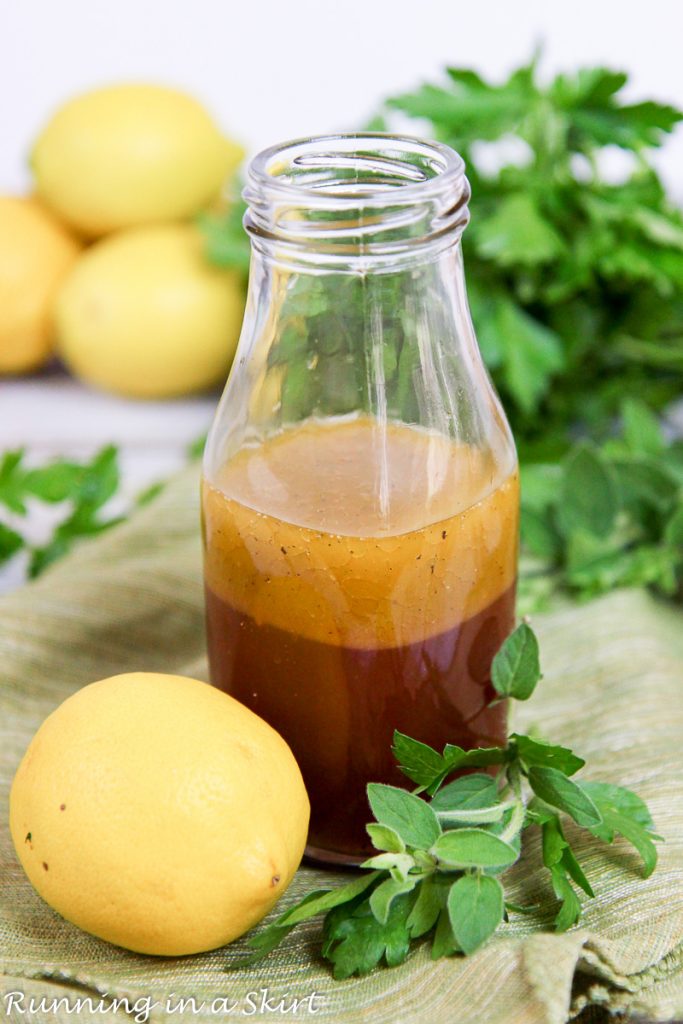
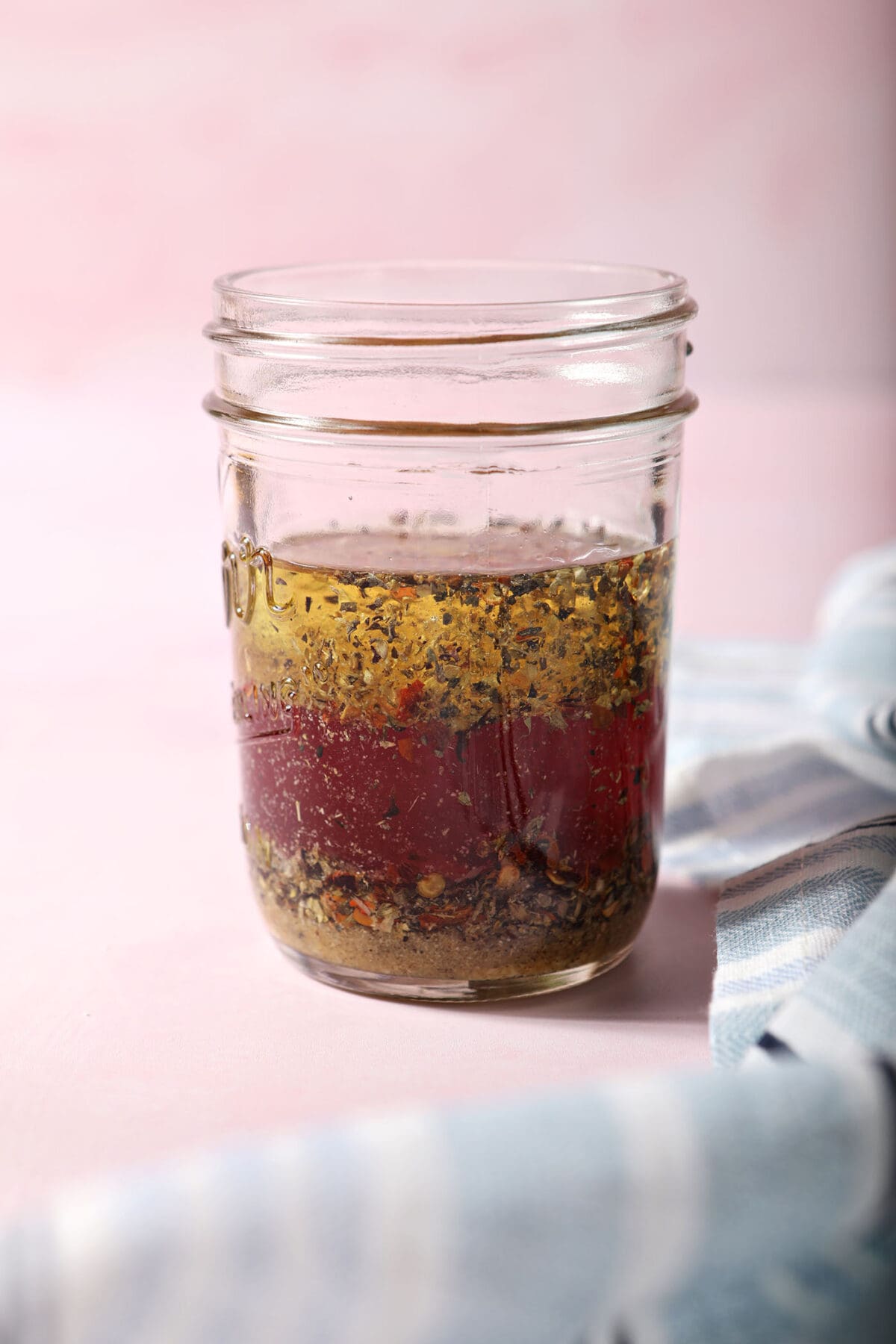
Use homemade red wine vinegar to brighten salads with a tangy kick. Mix it with olive oil for simple, tasty dressings. It enhances marinades for meats and vegetables. A splash can add depth to soups and stews. Try it in sauces to balance rich flavors. It also works well in pickling for a unique taste.
Cleaning And Other Household Uses
Red wine vinegar is a natural cleaner and deodorizer. Use it to remove stains from countertops and sinks. It helps cut grease on kitchen surfaces. Mix with water for a gentle glass cleaner. It can freshen laundry and remove odors from fabrics. Use it to clean cutting boards safely. It’s a chemical-free way to keep your home fresh and clean.
Credit: www.thespeckledpalate.com
Frequently Asked Questions
What Is Red Wine Vinegar Made From?
Red wine vinegar is made by fermenting red wine. Natural bacteria convert alcohol into acetic acid. This process gives it a tangy, acidic flavor ideal for cooking and dressings.
How Long Does Red Wine Vinegar Take To Ferment?
Fermentation usually takes 3 to 6 weeks. Time depends on temperature and bacteria activity. Proper air exposure and warmth speed up the process.
Can I Make Red Wine Vinegar At Home?
Yes, you can easily make it at home. Use leftover red wine, add vinegar mother, and allow fermentation. Store in a warm, dark place for best results.
What Is The Role Of Vinegar Mother In Fermentation?
Vinegar mother is a culture of acetic acid bacteria. It speeds up the conversion of alcohol to vinegar. Adding it ensures a successful and faster fermentation process.
Conclusion
Creating red wine vinegar at home is simple and rewarding. It adds a special touch to your dishes. Patience is key, as fermentation takes time. Gather the right ingredients and follow the steps. Your homemade vinegar will enhance flavors beautifully.
Share your creation with friends and family. They’ll appreciate the effort and taste. Start today and enjoy the process. Soon, you’ll have a unique addition to your kitchen. Experiment with different wines and discover new flavors. Making vinegar is a fun and tasty adventure.
Enjoy every drop of your homemade red wine vinegar!
Ethan Cole is a kitchen innovation enthusiast and food technology writer at DiningGadgets.com. With over 8 years of experience reviewing cookware, smart kitchen tools, and design trends, he helps readers discover gadgets that make cooking easier and dining more enjoyable. When he’s not testing the latest kitchen appliances, Ethan enjoys experimenting with recipes and sharing practical tips for modern homes.