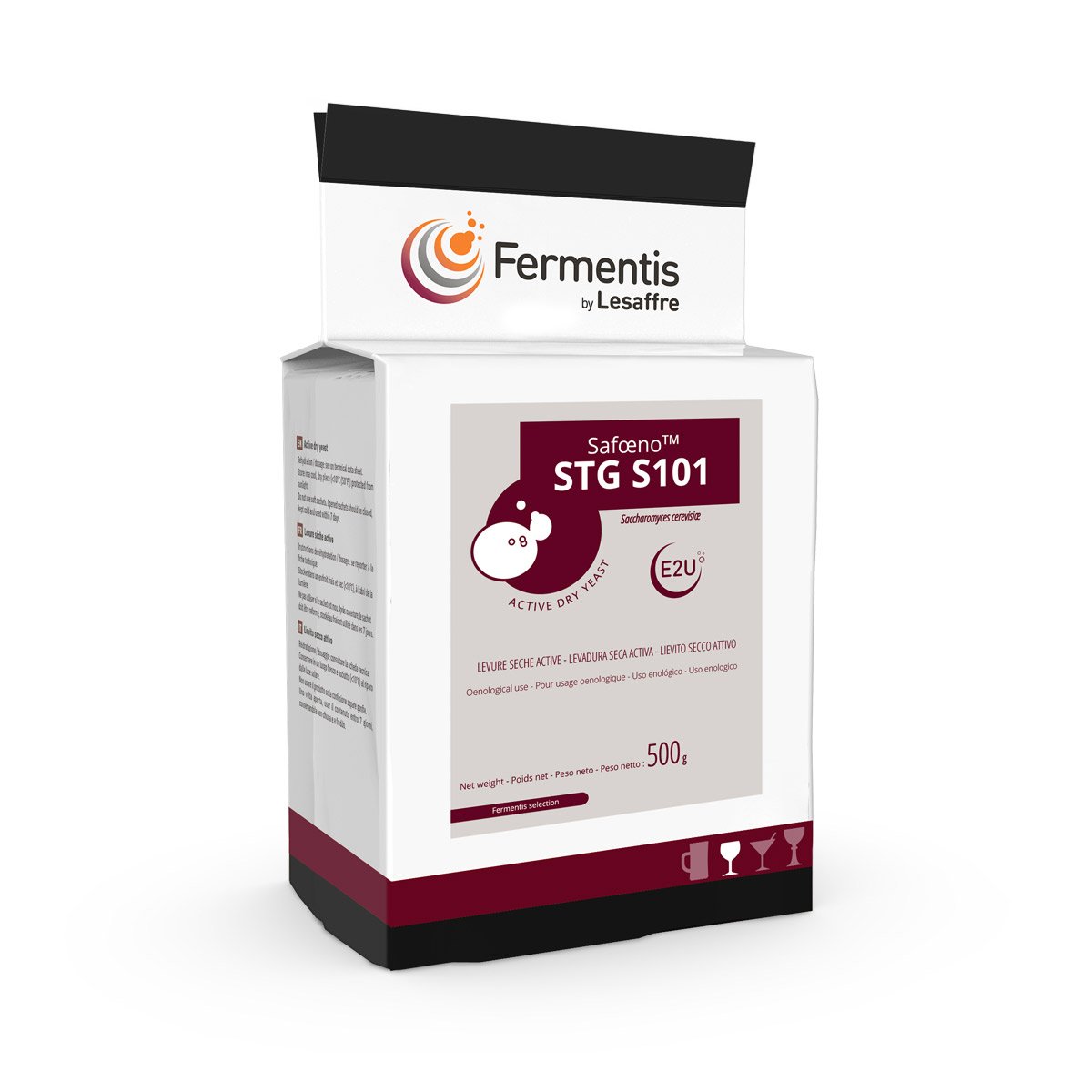
Wine Making Yeast Strains: Unlock Flavor with Top Varieties
If you want to make great wine at home or improve your winemaking skills, understanding yeast strains is key. The right yeast can change the flavor, aroma, and quality of your wine.
But with so many options, how do you choose the best one for your batch? This guide will help you discover the secrets behind different wine making yeast strains and show you how to pick the perfect match for your unique taste.
Keep reading to unlock the full potential of your winemaking process.
Role Of Yeast In Winemaking
Yeast plays a crucial role in winemaking, acting as the unseen force that transforms grape juice into wine. Without yeast, the sugars in grapes would never convert into alcohol, leaving winemakers with little more than sweet juice. Understanding how yeast works can help you make better decisions about the style and quality of your wine.
Yeast And Fermentation Basics
Yeast is a type of fungus that consumes sugar and produces alcohol and carbon dioxide through fermentation. This process typically takes several days to weeks, depending on the yeast strain and environmental conditions.
Different yeast strains have unique fermentation speeds and alcohol tolerances. Some strains work quickly, producing a dry wine, while others ferment slowly, leaving residual sweetness. Have you ever wondered why some wines feel smoother or more robust than others? Yeast is often the answer.
Impact On Wine Flavor
Yeast doesn’t just convert sugar into alcohol; it also creates flavor compounds that influence the wine’s aroma and taste. These compounds include esters, phenols, and acids, which can add fruity, spicy, or earthy notes to your wine.
Choosing the right yeast strain can highlight the grape’s natural characteristics or introduce new flavors. For example, some yeast strains enhance tropical fruit notes in white wines, while others bring out peppery or smoky hints in reds.
Next time you taste a wine, try to identify the subtle flavors that might come from the yeast. How does this change your appreciation for the wine’s complexity?
Common Wine Yeast Strains
Common wine yeast strains play a key role in winemaking. They influence the flavor, aroma, and texture of the wine. Choosing the right yeast strain impacts fermentation and the final product quality. Winemakers select strains based on grape type and wine style. Understanding these strains helps in crafting better wines.
Saccharomyces Cerevisiae Varieties
Saccharomyces cerevisiae is the most widely used yeast in winemaking. It ferments sugars quickly and efficiently. This yeast strain produces consistent and reliable results. Different varieties offer unique characteristics:
- EC-1118:Known for strong fermentation and high alcohol tolerance.
- QA23:Enhances fruity aromas in white wines.
- 71B:Converts some grape acids into esters, softening taste.
- CY3079:Adds complexity and body to red wines.
These varieties suit different grape types and winemaking goals.
Non-saccharomyces Yeasts
Non-Saccharomyces yeasts are less common but important for flavor diversity. They often start fermentation before Saccharomyces takes over. These yeasts add complexity and unique aromas. Examples include:
- Metschnikowia pulcherrima:Boosts fruity and floral notes.
- Pichia kluyveri:Enhances tropical fruit aromas.
- Hanseniaspora uvarum:Improves mouthfeel and acidity balance.
- Torulaspora delbrueckii:Adds creamy texture and reduces volatile acidity.
Winemakers use these yeasts carefully to improve wine complexity.
Flavor Profiles By Yeast Strain
Yeast strains play a crucial role in shaping the flavor of your wine. Each strain offers unique characteristics that influence the aroma and taste, allowing you to tailor your wine to your preferences. Understanding these flavor profiles can help you choose the right yeast to match the style you want to create.
Fruity And Floral Notes
Some yeast strains bring out bright, fruity flavors like apple, pear, or tropical fruits. These strains often add a fresh and lively character to white wines and light reds.
For instance, the Saccharomyces cerevisiae Lalvin QA23is known for enhancing citrus and floral aromas, making it a popular choice for Sauvignon Blanc. Have you tried selecting yeast specifically to highlight fruity notes? It can transform your wine’s personality dramatically.
Spicy And Earthy Tones
Other strains produce spicy and earthy flavors that add depth and warmth. These are ideal when you want your wine to have a complex, grounded profile, often found in reds like Syrah or Tempranillo.
Torulaspora delbrueckiiis an example that can contribute subtle peppery and herbal hints. Using yeast to introduce these tones can create a more intriguing wine that invites curiosity with every sip.
Complex Aromatic Layers
Certain yeast strains develop multi-dimensional aromas that evolve over time. These layers can include a mix of fruit, spice, and even mineral notes, enriching the wine’s bouquet.
The EC-1118 strainis favored for its ability to build complexity and stability in sparkling and still wines alike. What if you experimented with these strains to add unexpected aromatic depth? It might surprise you how much complexity your wine can gain.

Credit: www.amazon.com
Selecting Yeast For Different Wine Types
Choosing the right yeast strain is one of the most important decisions you make in winemaking. Each strain influences the flavor, aroma, and texture of your wine. Understanding how yeast behaves with different types of grapes helps you create a wine that expresses your unique style and meets your taste expectations.
Red Wine Strains
Red wine yeast strains typically promote strong color extraction and robust tannin structure. These strains often tolerate higher alcohol levels, which is crucial for bold reds like Cabernet Sauvignon and Syrah.
You might notice some red wine yeasts enhance fruity notes like blackberry or plum, while others emphasize spicy or earthy characteristics. Picking a strain that matches your grape variety can deepen complexity without overpowering the natural grape flavors.
Have you experimented with yeast strains that bring out unexpected layers in your reds? Sometimes, switching yeast can transform a good vintage into a great one.
White Wine Strains
White wine yeasts usually focus on preserving delicate aromas and maintaining crisp acidity. They ferment cooler and produce less intense phenolics, which keeps whites light and refreshing.
Strains used for Sauvignon Blanc or Riesling often bring out citrus, floral, or tropical fruit notes, adding vibrancy to the wine. On the other hand, Chardonnay yeast strains may encourage buttery or creamy profiles through malolactic fermentation compatibility.
Think about your favorite white wine—what yeast characteristics do you think contribute to its signature taste? Selecting the right strain can elevate freshness and complexity.
Sparkling Wine Strains
Sparkling wine yeast strains must handle high pressure and extended aging on lees. They ferment slowly, producing fine bubbles and subtle yeast-derived flavors that create a creamy mouthfeel.
These yeasts often tolerate low temperatures and high alcohol, essential for styles like Champagne and Prosecco. They can add notes of brioche, toast, or nuttiness, which enhance the wine’s elegance.
Have you noticed how the yeast’s role goes beyond fermentation in sparkling wines? Its contribution to texture and aroma is vital for that celebratory sparkle you enjoy.
Factors Influencing Yeast Performance
Yeast performance in winemaking depends on many factors. These factors shape the flavor, aroma, and quality of the final wine. Understanding them helps create better wine and avoid common fermentation problems.
Temperature And Nutrients
Yeast needs the right temperature to work well. Too hot or too cold slows down fermentation. Ideal temperature varies by yeast strain but usually stays between 18°C and 30°C.
Nutrients like nitrogen, vitamins, and minerals are also essential. Lack of nutrients weakens yeast and can cause stuck fermentation. Winemakers often add nutrients to grape juice to support yeast health.
Alcohol Tolerance
Yeast strains differ in their ability to survive alcohol. Some handle high alcohol levels better than others. Once alcohol reaches a certain point, yeast stops working and fermentation ends.
Choosing a strain with the right alcohol tolerance is key for the wine style. High-alcohol wines need strong yeast that can finish the process smoothly.
Fermentation Speed
Fermentation speed affects wine flavor and clarity. Fast fermentation can produce fresh, fruity wines but may create off-flavors.
Slow fermentation often leads to more complex flavors but risks spoilage if not controlled. Winemakers balance speed to match their wine goals and yeast strain used.

Credit: www.amazon.com
Innovations In Yeast Strain Development
Innovations in yeast strain development are reshaping how winemakers craft unique flavors and improve fermentation reliability. These advances help you achieve more control over the winemaking process, ensuring consistency and enhancing the wine’s character. The ongoing research and experimentation with yeast open new possibilities for both traditional and experimental wine styles.
Genetic Enhancement
Genetic enhancement allows scientists to modify yeast strains to better suit specific winemaking goals. This can mean improving sugar tolerance, speeding up fermentation, or reducing off-flavors.
One practical example is yeast engineered to produce less sulfur compounds, which often cause unpleasant aromas. Imagine finishing a batch without that hint of rotten egg smell—wouldn’t that improve your wine’s appeal?
These enhancements also help manage fermentation in challenging conditions, like high temperatures or difficult grape varieties. Could customizing yeast genetically be the key to unlocking new wine profiles in your vineyard?
Hybrid Strains
Hybrid strains combine traits from different yeast species, balancing robustness with desirable flavor production. Winemakers use these hybrids to get the best of both worlds—strong fermentation and complex aromas.
For example, hybrids might ferment stubborn sugars efficiently while producing fruity esters that brighten your wine’s bouquet. This means you no longer have to compromise between fermentation speed and flavor quality.
Using hybrids can also reduce the risk of stuck fermentations, a common headache in winemaking. Would you consider trying hybrid yeast to improve your batch’s consistency?
Wild Yeast Applications
Wild yeast, often seen as unpredictable, is gaining renewed interest for the unique character it brings to wine. These naturally occurring strains can add complexity that commercial yeasts sometimes lack.
Some winemakers intentionally encourage wild yeast fermentation to create distinctive, terroir-driven wines. However, managing wild yeast requires careful monitoring to avoid spoilage.
By blending wild and cultured yeasts, you can strike a balance between control and creativity. How might experimenting with wild yeast change the story your wine tells?
Practical Tips For Winemakers
Mastering yeast strains is key to crafting exceptional wine. But even the best yeast can falter if you overlook how you store it, track fermentation, or solve problems quickly. Practical care and attention make all the difference in achieving your desired wine profile.
Yeast Storage And Handling
Keep your yeast fresh by storing it in a cool, dry place—ideally in the refrigerator. Avoid temperature swings that can weaken yeast viability and lead to sluggish fermentation. Always check the expiration date before use; expired yeast may cause off-flavors or incomplete fermentation.
Handle yeast gently and avoid contamination. Use clean utensils and containers when measuring or rehydrating yeast. Have you noticed how even tiny impurities can throw off your fermentation? That’s why hygiene is non-negotiable.
Monitoring Fermentation
Tracking fermentation progress helps you catch issues early and adjust conditions to suit your yeast strain. Take regular gravity readings with a hydrometer or refractometer to see how sugar converts to alcohol. Record temperature too—most yeasts work best between 60-75°F (15-24°C).
Don’t ignore visual and smell cues. A healthy fermentation bubbles steadily and produces a pleasant aroma. If things smell off or stall, it’s time to intervene before your batch suffers.
Troubleshooting Common Issues
Stuck fermentation happens when yeast stops working prematurely. It might be due to nutrient deficiencies, temperature stress, or high alcohol levels. Try gently stirring the must or adding yeast nutrients to revive activity.
Off-flavors like sulfur or rotten eggs often point to stressed yeast. Make sure to control oxygen exposure and avoid sudden temperature changes. If you’ve dealt with stubborn off-aromas, which solutions worked best for you?
Every batch teaches you something new about your yeast and process. Pay attention, adjust quickly, and your wine will thank you with richer flavors and smoother finishes.
Credit: fermentaholics.com
Frequently Asked Questions
What Are The Best Yeast Strains For Wine Making?
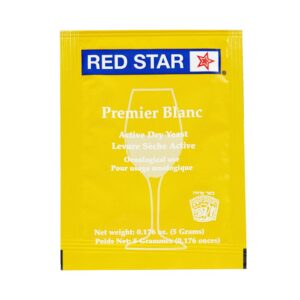
The best yeast strains depend on the wine type. Common strains include Saccharomyces cerevisiae, Lalvin EC-1118, and Red Star Premier Rouge. These strains enhance flavor, aroma, and fermentation reliability. Choosing the right strain ensures quality and consistency in your wine.
How Do Yeast Strains Affect Wine Flavor?
Yeast strains influence wine’s aroma, taste, and mouthfeel. Different strains produce unique esters and phenols during fermentation. This results in varied fruity, spicy, or floral notes. Selecting specific strains allows winemakers to customize flavor profiles.
Can Wild Yeast Be Used In Wine Fermentation?
Yes, wild yeast can be used but carries risks. It offers natural and complex flavors but may cause unpredictable fermentation. Many winemakers prefer cultured yeast for consistency and control. Wild yeast is ideal for traditional or experimental wines.
How To Choose Yeast Strains For Red Vs White Wine?
Red wines often use robust yeast strains like Lalvin D254 for color and tannin extraction. White wines favor cleaner fermenters like EC-1118 to preserve delicate aromas. Matching yeast to grape variety enhances wine’s style and quality.
Conclusion
Wine making yeast strains offer diverse flavors and aromas. Choosing the right strain enhances your wine’s character. Experimentation leads to unique and delightful results. Each yeast strain brings different traits to the table. Understanding these can elevate your winemaking experience.
Proper selection impacts fermentation and the final taste. Consider your wine style and desired flavor profile. Use this knowledge to craft memorable wines. Embrace the art and science of winemaking. Let each bottle tell its own story. Explore, learn, and enjoy the journey of creating wines.
Ethan Cole is a kitchen innovation enthusiast and food technology writer at DiningGadgets.com. With over 8 years of experience reviewing cookware, smart kitchen tools, and design trends, he helps readers discover gadgets that make cooking easier and dining more enjoyable. When he’s not testing the latest kitchen appliances, Ethan enjoys experimenting with recipes and sharing practical tips for modern homes.