Making Wine at Home Kit: Ultimate Guide to Crafting Perfect Wine
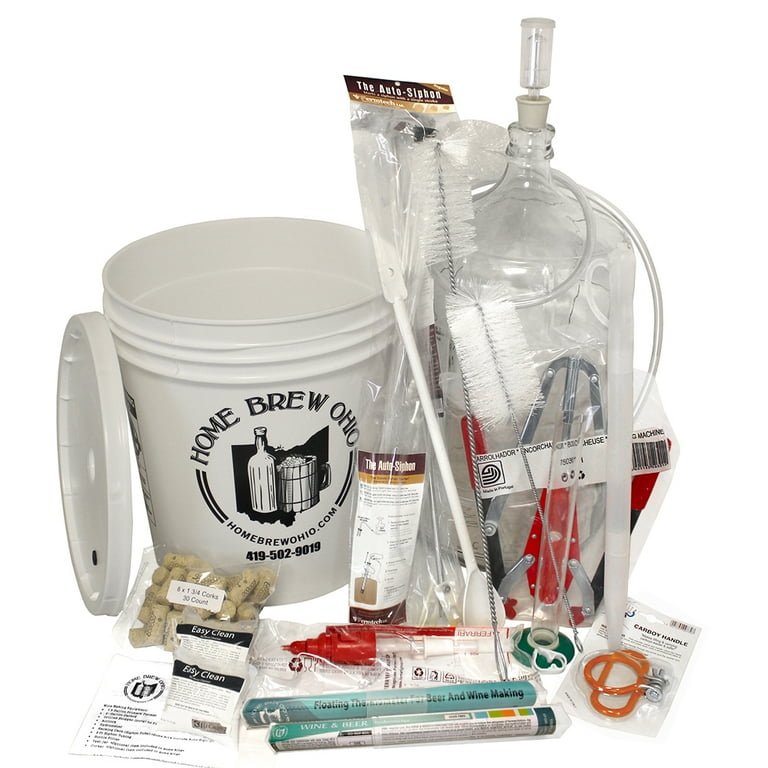
Have you ever dreamed of creating your own wine right at home? With a Making Wine at Home Kit, that dream is closer than you think.
Imagine the satisfaction of tasting a wine you crafted yourself, tailored perfectly to your taste. This isn’t just about making a drink—it’s about turning your kitchen into a personal winery. You’ll discover how easy and fun it is to start your winemaking adventure, even if you’ve never tried it before.
Ready to impress your friends and enjoy a unique hobby? Keep reading to find out everything you need to know to get started.
Credit: www.walmart.com
Choosing The Right Wine Kit
Choosing the right wine kit is the first step toward enjoying a satisfying home winemaking experience. The kit you pick will shape the flavor, ease, and success of your wine. Knowing what to look for can save you time and help you create wine that matches your taste and skill level.
Types Of Wine Kits
Wine kits come in several varieties, each designed for different tastes and experience levels. You can find kits for red, white, rosé, and even sparkling wines.
- Fresh grape juice kits:Use concentrated juice and require fermentation at home.
- Pre-pressed kits:Include crushed grapes and sometimes yeast, offering a more hands-on approach.
- Complete kits:Contain everything from juice to additives, ideal for beginners.
Think about what kind of wine you enjoy and how much work you want to put in before making a choice.
Quality And Ingredients
The quality of ingredients in your kit directly affects the final product. Look for kits with high-grade grape concentrates and natural yeast strains.
A kit with clear ingredient lists and minimal additives usually results in cleaner, more authentic flavors. Avoid kits that rely heavily on artificial flavorings or preservatives, as they can mask the true taste of your wine.
Have you ever tasted a homemade wine that felt artificial? Selecting a kit with quality ingredients reduces that risk and enhances your enjoyment.
Budget Considerations
Wine kits vary widely in price, from affordable beginner options to premium kits for serious enthusiasts. Set a budget but be realistic about what you want to achieve.
| Price Range | What You Get | Who It’s For |
|---|---|---|
| Under $50 | Basic kits with juice concentrate and standard yeast | Beginners or casual hobbyists |
| $50 – $100 | Higher-quality ingredients, more detailed instructions | Intermediate winemakers looking for better flavor |
| Over $100 | Premium grapes, additional additives, and expert guidance | Experienced makers seeking craft-level results |
Consider how much time and effort you plan to invest. Sometimes spending a little more upfront saves frustration later.
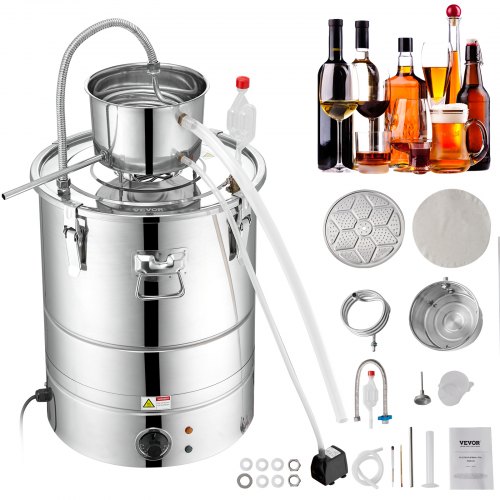
Credit: www.vevor.ca
Essential Equipment For Home Winemaking
Starting your home winemaking journey means getting the right tools first. The equipment you choose affects the quality of your wine and the ease of the process. Understanding the essential gear helps you avoid common pitfalls and keeps your wine tasting great every batch.
Fermentation Containers
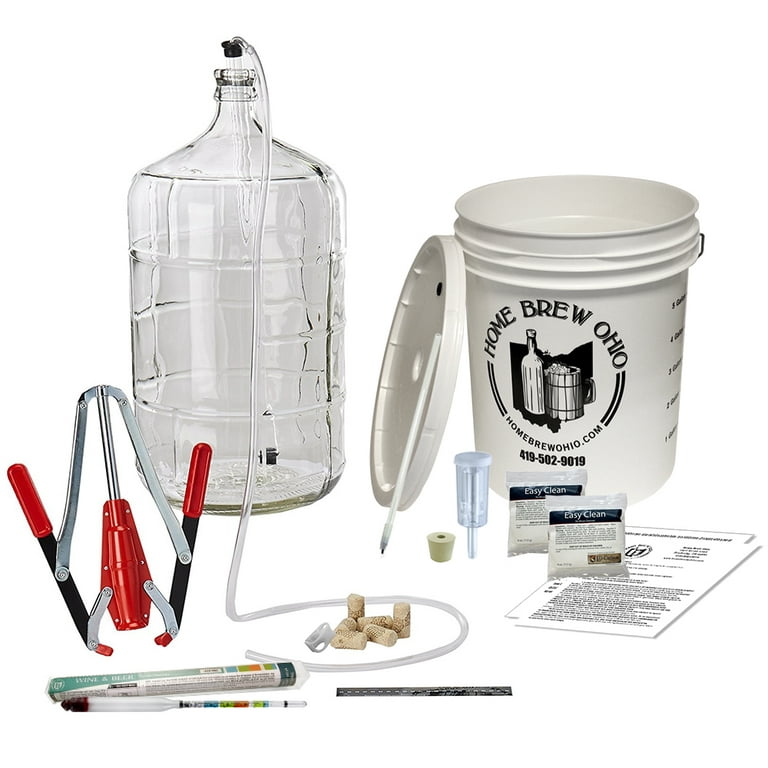
Fermentation containers are where the magic begins. You can use glass carboys or food-grade plastic buckets, each with its own benefits. Glass is non-porous and won’t affect flavor, but it’s heavier and breaks easier. Plastic buckets are lightweight and less fragile, but you must ensure they are BPA-free and meant for fermentation.
Size matters too. A 5-gallon container is popular for beginners because it’s manageable and produces enough wine to share. Have you thought about the space you have for storing these containers during fermentation? It’s important to keep them in a cool, dark place.
Airlocks And Sealing
Airlocks are simple yet critical pieces of equipment. They let carbon dioxide escape during fermentation without letting oxygen or contaminants in. This prevents your wine from spoiling or turning into vinegar.
You’ll also need airtight seals or stoppers to fit your containers perfectly. Improper sealing can introduce unwanted bacteria or wild yeast. Have you checked if your airlock fits snugly on your fermentation vessel? It’s a small detail that makes a big difference.
Bottling Tools
Once fermentation is complete, bottling tools become your best friends. You’ll need a siphon hose to transfer wine without disturbing sediment. This helps keep your wine clear and smooth.
Also, consider investing in a corker or a capper depending on your bottle type. Proper sealing during bottling ensures your wine ages well and stays fresh. Do you have a clean, dust-free area to work in when bottling? Cleanliness at this stage can’t be overstated.
Step-by-step Winemaking Process
Making wine at home is a rewarding journey that blends science with creativity. Understanding each phase of the process helps you craft better wine and avoid common pitfalls. Let’s walk through the key stages you’ll encounter with your home winemaking kit.
Sanitizing Equipment
Cleanliness is crucial in winemaking. Any bacteria or wild yeast can spoil your batch, so sanitize all your tools thoroughly before starting. Use a no-rinse sanitizer recommended for food equipment to ensure your fermenter, spoons, and bottles are spotless.
Have you ever skipped this step and noticed off-flavors? It’s a lesson many winemakers learn early on—taking time here saves you from disappointment later.
Mixing And Preparing Ingredients
Your wine’s flavor starts with how you prepare the ingredients. Follow your kit’s instructions carefully—usually involving dissolving grape concentrate or juice in water and adding sugar. Stir gently but thoroughly to get an even mix without introducing too much air.
Keep track of temperature here; yeast performs best in a specific range, often between 65-75°F (18-24°C). Too hot or too cold can slow or stop fermentation.
Fermentation Stage
This is the heart of winemaking. Once you add yeast, it feeds on the sugar, producing alcohol and carbon dioxide. Keep your fermenter covered but allow gas to escape, using an airlock if your kit includes one.
Watch for bubbles—that’s a good sign your yeast is active. How long you let it ferment affects taste; a week or two is typical, but check your instructions and taste regularly to decide when it’s right.
Racking And Clarifying
After fermentation slows, it’s time to separate the wine from the sediment. This process, called racking, involves siphoning the clear wine into a clean container, leaving the lees behind. It helps improve clarity and flavor.
You might repeat racking once or twice over several weeks. Patience here pays off as your wine becomes smoother and clearer with time.
Bottling And Sealing
When your wine looks clear and tastes balanced, you’re ready to bottle. Use clean bottles and a funnel to avoid spills. Seal tightly with corks or screw caps, depending on your kit.
Store bottles in a cool, dark place to let the flavors mature. Have you ever noticed how waiting just a bit longer can turn good wine into great? It’s a small effort with a delicious payoff.
Tips For Achieving Better Flavor
Making wine at home offers a unique chance to create flavors you truly enjoy. Small changes can greatly improve the taste of your wine. Focus on key areas like temperature, yeast, and aging to enhance flavor. These tips will help you craft better wine with each batch.
Controlling Temperature
Temperature plays a big role in fermentation. Keep the wine in a cool, stable place. Aim for 65 to 75 degrees Fahrenheit during fermentation. Too hot or too cold stops yeast from working well. Use a thermometer to check regularly. Avoid sudden temperature changes to prevent off-flavors.
Choosing Yeast Strains
Yeast affects the aroma and taste of your wine. Different strains create different flavors. Some yeasts produce fruity notes, others give spicy or floral hints. Pick a yeast that matches your grape type and taste preference. Experiment with small batches to find your favorite strain.
Aging And Storage
Aging improves wine by softening harsh flavors. Store wine in a dark, cool spot with stable temperature. Use airtight containers to prevent oxidation. Glass bottles or food-grade plastic work well. Let wine age for at least a few months for smoother taste. Patience is key to better flavor.
Common Challenges And Fixes
Making wine at home can be incredibly rewarding, but it comes with its own set of challenges. Understanding common problems and knowing how to fix them can save you time, money, and frustration. Let’s dive into some issues you might face and how to tackle them effectively.
Dealing With Off-flavors
Have you ever taken a sip of your homemade wine and noticed a strange or unpleasant taste? Off-flavors often result from poor ingredient quality or improper fermentation. To fix this, start by checking your fruit or juice for freshness—avoid anything that smells sour or moldy.
Sometimes, off-flavors come from leaving the wine on the lees (dead yeast) too long. Racking your wine off the sediment promptly can help reduce this. Adding activated charcoal or using fining agents can also absorb unwanted tastes, but use them sparingly to avoid stripping desired flavors.
Preventing Contamination
Contamination is a top concern in home winemaking. Even tiny amounts of wild yeast or bacteria can spoil your batch. Cleanliness is your best defense—sanitize all equipment thoroughly before use.
Keep your workspace free from dust and pests. Using preservatives like sulfites can inhibit unwanted microbes, but be careful to follow dosage instructions. Have you considered how often you clean your tools? Regular sanitation can be the difference between a perfect batch and a ruined one.
Managing Fermentation Issues
Fermentation can be tricky, especially if it starts too slowly or stops unexpectedly. Temperature control plays a huge role here—too hot or cold can stress yeast and slow down the process. Aim to keep your fermenting wine in a stable environment around 65-75°F (18-24°C).
If fermentation stalls, try gently stirring the must or adding a small amount of yeast nutrient. Sometimes yeast dies off if oxygen is insufficient, so give your wine a bit of air early on but avoid excessive exposure to prevent oxidation. Are you monitoring your fermentation closely enough? Tracking specific gravity can alert you to problems before they worsen.
Experimenting With Custom Flavors
Experimenting with custom flavors is one of the most exciting parts of making wine at home. It lets you create a drink that’s truly your own. By adjusting ingredients and techniques, you can surprise your taste buds and impress your friends with unique blends.
Adding Fruits And Spices
Adding fruits like berries, apples, or even tropical options can give your wine fresh, vibrant notes. You can toss in cinnamon sticks, cloves, or vanilla beans to add warmth and complexity. Start with small amounts and taste as you go—too much spice can overpower the wine.
I once added fresh raspberries to a batch, and the subtle tartness completely changed the flavor profile for the better. What flavors do you want to discover in your wine?
Blending Techniques
Blending different wine batches or flavors can help you achieve a balanced and interesting taste. Try mixing a dry wine with a sweeter one to find your perfect harmony. Keep notes on each blend so you remember what works best.
Don’t hesitate to experiment with ratios. Maybe half a bottle of one vintage with a splash of another will surprise you. How bold are you willing to be with your blends?
Sweetening And Adjustments
If your wine tastes too sharp or dry, adding sweeteners like honey, sugar, or even fruit juice can smooth it out. Be cautious—sweetening after fermentation can affect the wine’s stability. Taste frequently to avoid over-sweetening.
Adjusting acidity with a bit of lemon juice or tartaric acid can also brighten your wine’s profile. Have you tried tweaking sweetness or acidity to bring out hidden flavors in your homemade wine?
Storing And Serving Homemade Wine
Storing and serving your homemade wine properly can make a huge difference in taste and enjoyment. You want to preserve the flavors you worked hard to develop and present your wine in the best way possible. Let’s look at how to keep your wine fresh and serve it like a pro.
Ideal Storage Conditions
Keep your homemade wine in a cool, dark place with a consistent temperature around 55°F (13°C). Avoid places with wide temperature swings like kitchens or near windows.
Store bottles on their sides to keep the cork moist, which prevents air from sneaking in and spoiling the wine. If you used screw caps, storing upright is fine.
Humidity matters too—aim for about 70% to prevent corks from drying out or mold from forming. If your storage is dry, place a small dish of water nearby to add moisture.
Decanting And Serving Tips
Decanting your homemade wine can improve its flavor by letting it breathe and releasing aromas. Pour slowly into a clean decanter, leaving sediment behind in the bottle.
Serve red wines slightly below room temperature, around 60-65°F (15-18°C). Whites and rosés are better chilled between 45-55°F (7-13°C).
Use clean, clear glasses with a wide bowl to help the wine open up and concentrate its bouquet. Swirling gently before sipping helps release the wine’s full character.
Shelf Life Expectations
Homemade wines usually last 1-3 years if stored properly, but this can vary based on grape type and winemaking style. Some homemade reds improve with a bit of aging, while many whites are best young and fresh.
Once opened, try to finish the bottle within 3-5 days. Use a wine stopper and refrigerate to keep it fresh longer.
Have you ever tasted a homemade wine that changed dramatically after a few months? Tracking your wine’s shelf life will help you decide when it’s at its best for serving.
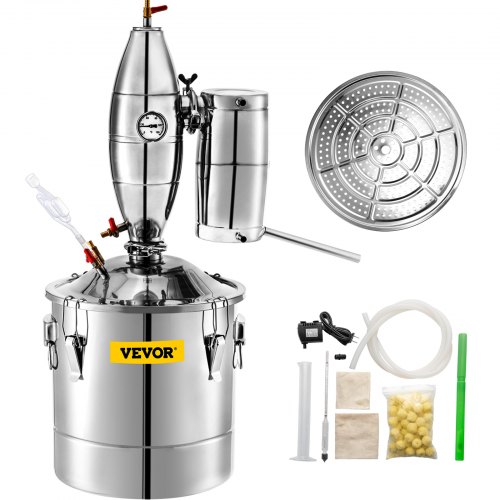
Credit: www.vevor.ca
Frequently Asked Questions
What Is A Home Wine Making Kit?
A home wine making kit contains all essentials to ferment and bottle wine. It simplifies the process for beginners and hobbyists. Kits usually include grape concentrate, yeast, fermenter, and instructions for easy wine production at home.
How Long Does Homemade Wine Take To Ferment?
Homemade wine typically ferments between 2 to 4 weeks. Primary fermentation lasts about 7-10 days. After that, wine usually ages for several weeks to improve flavor and clarity before bottling.
Can I Use Any Fruit With A Wine Kit?
Most wine kits are designed for grape concentrate, but you can experiment. Some kits allow adding other fruit juices for flavor variations. However, using non-grape fruits may require adjustments in sugar and fermentation times.
Is Making Wine At Home Kit Safe And Legal?
Yes, home winemaking is safe when following instructions and hygiene practices. It’s legal in many countries for personal use but check local laws. Avoid selling homemade wine unless properly licensed.
Conclusion
Creating wine at home offers a fun and rewarding experience. The kit makes the process simple and enjoyable. You can explore flavors and styles that suit your taste. Sharing your homemade wine with friends adds a personal touch. It’s a great way to learn and experiment in the comfort of your home.
With time, you may even develop your unique blend. So, why not start this delightful journey? Enjoy the satisfaction of crafting your own wine. Remember, practice makes perfect. Cheers to your new adventure in winemaking!
Ethan Cole is a kitchen innovation enthusiast and food technology writer at DiningGadgets.com. With over 8 years of experience reviewing cookware, smart kitchen tools, and design trends, he helps readers discover gadgets that make cooking easier and dining more enjoyable. When he’s not testing the latest kitchen appliances, Ethan enjoys experimenting with recipes and sharing practical tips for modern homes.