Making Wine from Pears: Easy Steps for Delicious Homemade Pear Wine
Have you ever wondered how to turn juicy pears into a delicious, homemade wine? Making wine from pears is easier than you think, and the result is a unique drink that you’ll be proud to share.
Whether you’re new to winemaking or looking for a fun project, this guide will walk you through every step. By the end, you’ll have the confidence and know-how to create your own pear wine right at home. Ready to discover the sweet secrets behind pear wine?
Let’s get started!
Choosing The Right Pears
Choosing the right pears is a crucial step in making delicious pear wine. The type and quality of pears you pick will directly affect the flavor, aroma, and overall success of your wine. Picking the perfect fruit requires more than just grabbing the first pears you see at the market.
Best Pear Varieties For Wine
Not all pears are created equal when it comes to wine-making. Some varieties have a better balance of sugar, acidity, and flavor that make them ideal for fermenting.
- Bartlett:Known for its juicy and sweet profile, Bartlett pears add a floral aroma and smooth taste to your wine.
- Bosc:These pears have a firmer texture and a spicy, honeyed flavor, giving your wine a richer complexity.
- Anjou:Slightly less sweet but with a bright acidity, Anjou pears help create a balanced and crisp wine.
- Comice:Very sweet and aromatic, Comice pears are perfect if you want a wine with a luscious, full-bodied finish.
Think about what flavor profile you prefer in your wine. Do you want it light and crisp or rich and sweet? Your choice of pear variety shapes that experience.
Selecting Ripe And Fresh Fruit
The best wine starts with ripe, fresh pears. Overripe or underripe fruit can throw off the fermentation and taste.
Look for pears that are fragrant and slightly soft to the touch but not mushy. Avoid any with bruises or brown spots, as these can introduce unwanted flavors or spoilage.
Freshness is key. Pears that have been stored too long lose sugars and develop off-flavors, which can ruin your batch.
Have you ever tasted wine made from fruit that wasn’t quite fresh? It’s a reminder of how important this step is. Your patience in selecting perfect pears pays off in every sip.

Credit: simplybeyondherbs.com
Preparing Pears For Fermentation
Preparing pears for fermentation is a crucial stage that sets the tone for the entire winemaking process. The quality of your pears directly affects the flavor and clarity of your wine. Taking the time to properly clean, peel, chop, and crush your fruit ensures you extract the best juices for fermentation.
Cleaning And Peeling
Start by rinsing your pears under cool running water to remove dirt and pesticides. Avoid soaking them, as excess water can dilute the juice. Use a soft brush or cloth to gently scrub each pear, especially if you choose to keep the skins on for added tannins and aroma.
Peeling is optional but recommended if you want a smoother, less bitter wine. Pear skins can sometimes add astringency or off-flavors. If you peel, do so carefully to preserve as much flesh as possible—this is where most of the sugars reside.
Chopping And Crushing Techniques
After cleaning and peeling, chop your pears into small, even pieces. Uniform chunks help with consistent fermentation and easier juice extraction. You can use a sharp knife or a food processor, but avoid turning the pears into a puree at this stage.
Crushing releases the juice needed for fermentation. Use a clean fruit crusher or simply press the chopped pears with a sanitized potato masher. Remember, too much pressure can break seeds, leading to unwanted bitterness in your wine.
Have you experimented with leaving some skins on during fermentation? It can change the wine’s profile dramatically. Try small batches both ways and see which flavor you prefer for your pear wine.
Gathering Equipment And Ingredients
Before you dive into making your own pear wine, it’s important to gather the right equipment and ingredients. Having the proper tools not only makes the process smoother but also helps you produce a better quality wine. Let’s break down what you need to get started.
Essential Winemaking Tools
Good winemaking starts with the right tools. You don’t need a fancy setup, but some basic equipment is essential to ensure your pear wine ferments properly and stays clean.
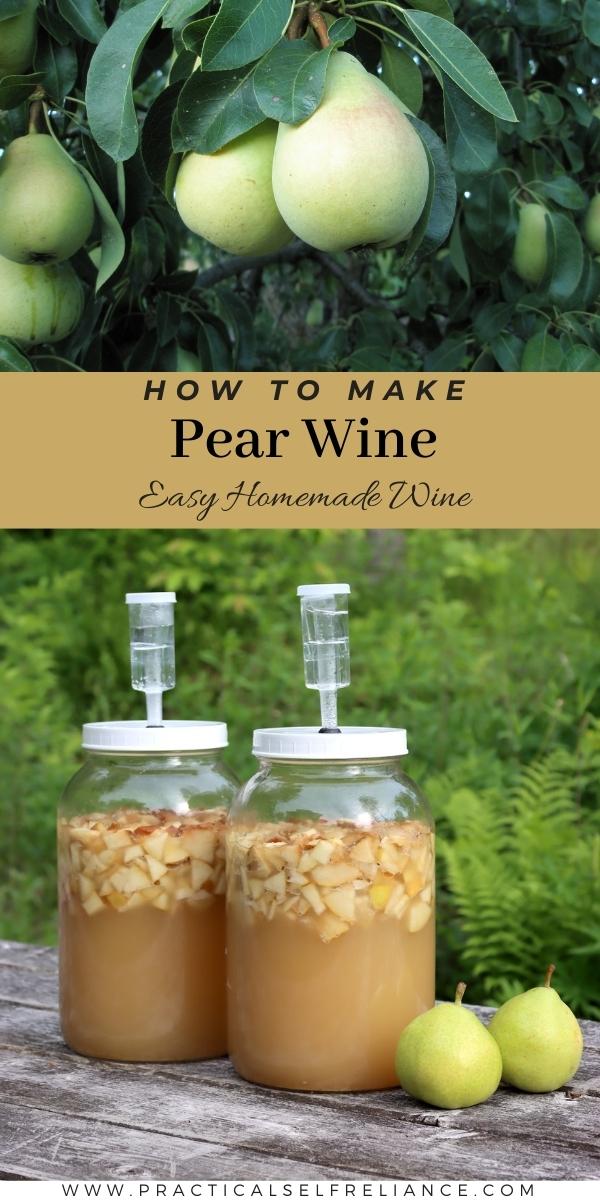
- Fermentation Vessel:A glass carboy or food-grade plastic fermenter works well. It should have an airtight seal to keep out unwanted air and bacteria.
- Airlock and Stopper:These allow carbon dioxide to escape during fermentation while keeping oxygen and contaminants out.
- Hydrometer:This tool measures sugar levels in your pear juice. It helps you track fermentation progress and estimate alcohol content.
- Siphoning Tube:Useful for transferring wine without disturbing sediment.
- Sanitizer:Cleanliness is key. Use a no-rinse sanitizer to avoid infections that could spoil your wine.
- Bottles and Corks:Prepare for bottling by having clean bottles and corks ready.
I once underestimated the importance of a good airlock and ended up with vinegar instead of wine—trust me, don’t skip it!
Additional Ingredients Needed
Besides fresh pears, you’ll need a few more ingredients to turn that fruit into delicious wine. These help balance flavors and assist fermentation.
- Sugar:Pears vary in sweetness. Adding sugar helps boost alcohol content and achieve a better balance.
- Yeast:Wine yeast is crucial. Choose a strain suited for fruit wines to get the best fermentation results.
- Acid Blend:Pears can be low in acidity. Adding acid blend improves taste and preservation.
- Yeast Nutrient:This supports healthy yeast activity, preventing stuck fermentation.
- Campden Tablets (optional):These kill wild yeast and bacteria before fermentation starts, giving you more control.
Have you ever wondered how a slight tweak in sugar or acidity can completely change your wine’s flavor? Experimenting with these ingredients lets you find your perfect pear wine profile.
Starting The Fermentation Process
Starting the fermentation process is where your pear wine truly begins to take shape. This phase sets the foundation for flavor, aroma, and alcohol content. Paying close attention now can make a big difference in the final product’s quality.
Creating The Must
The must is the mixture of crushed pears, juice, and sometimes added water or sugar. Begin by thoroughly washing your pears to remove any dirt or pesticides. Then, crush or chop the pears to release their juice, aiming for a texture similar to chunky pulp.
You want enough juice to encourage fermentation but also some pulp for flavor. If your pears aren’t very juicy, adding a bit of water can help balance the mixture. Make sure to measure the sugar level at this point; pears vary in sweetness, so you might need to add sugar to hit the right balance.
Adding Yeast And Nutrients
Yeast is the tiny powerhouse that converts sugar into alcohol. Choose a wine yeast strain designed for fruit wines, as it will handle the pear’s natural sugars better. Before adding yeast, rehydrate it according to the package instructions to ensure it starts strong.
Don’t forget about nutrients—yeast needs them to thrive, especially when working with pears, which may lack some essential elements. Add yeast nutrients as directed to prevent sluggish fermentation or off-flavors. Have you checked your fermentation temperature? Keeping it steady around 65-75°F helps yeast perform optimally.
Managing Fermentation
Managing fermentation is a crucial stage in making wine from pears. It’s where the magic happens—sugars turn into alcohol, and flavors develop. But this process requires careful attention to ensure your pear wine turns out balanced and tasty.
Monitoring Temperature And Time
Temperature control is key to a healthy fermentation. Keep your pear wine between 60°F and 75°F (15°C – 24°C) to avoid killing the yeast or slowing it down too much.
Check the temperature daily. If it gets too warm, move your fermenter to a cooler spot or use a fan. Too cold? Find a warmer area or try wrapping the fermenter with a blanket.
Fermentation usually takes one to two weeks. But don’t rely on time alone—watch the bubbles and check the specific gravity with a hydrometer. When the bubbling slows and gravity stabilizes, fermentation is likely complete.
Dealing With Common Issues
Sometimes fermentation stalls or produces off-flavors. If bubbles stop too soon, your yeast might be stressed or dead. Adding a little yeast nutrient or stirring gently can help restart it.
Off-smells like rotten eggs often come from too much sulfur dioxide or poor oxygen levels. Aerate your wine carefully early on, but avoid too much exposure after fermentation starts.
Mold or unwanted bacteria can spoil your batch. Always sanitize your equipment before use, and if you spot contamination, it’s better to discard the batch than risk drinking unsafe wine.
Have you ever faced a stubborn fermentation? What tricks helped you get it going again? Your experience could save someone else’s pear wine!
Racking And Clarifying
Racking and clarifying are important steps in making pear wine. These processes improve the wine’s taste and appearance. They remove unwanted solids and help the wine become clear and bright. Taking time for these steps ensures a cleaner, better-quality wine.
Transferring Wine Off The Lees
Lees are the dead yeast and fruit particles that settle at the bottom. Moving the wine off the lees helps avoid off-flavors. Use a siphon tube to gently transfer the wine to a clean container. Keep the tube above the sediment to avoid stirring it up. This process is called racking. Racking also allows the wine to breathe and develop better flavors.
Clarification Techniques
Clarification makes the wine clear by removing tiny particles. There are simple ways to clarify pear wine at home:
- Cold crashing:Chill the wine to near freezing. This helps particles settle faster.
- Fining agents:Add natural substances like bentonite or egg whites. They attract particles and help them fall out.
- Filtering:Use a fine filter to remove small solids. This can be done with special wine filters.
Clarifying pear wine improves its look and taste. Clear wine is more appealing and often tastes smoother.
Aging And Bottling Pear Wine
Aging and bottling pear wine are key stages that affect its final taste and quality. These processes need careful attention to bring out the best flavors. Proper aging softens the wine’s sharpness and develops its aroma. Bottling seals the wine, preserving its character for months or years. Both steps ensure a smooth, enjoyable drink.
Optimal Aging Periods
Pear wine usually needs time to reach its full flavor. Aging allows the wine to mellow and balance its sweetness and acidity. The optimal aging period depends on the pear variety and wine style. Most pear wines improve after 3 to 6 months of aging.
Store the wine in a cool, dark place during this time. Avoid temperature changes and sunlight to protect the wine’s quality. Taste the wine every month to check its progress. Stop aging when the flavor feels smooth and pleasant.
Proper Bottling Methods
Bottling pear wine requires clean tools and containers. Use sterilized bottles to avoid contamination. Glass bottles with airtight corks or screw caps work best. Avoid plastic containers, as they can spoil the wine.
Fill the bottles carefully, leaving a little space at the top. This allows for slight expansion and prevents leaks. Seal the bottles tightly to keep air out. Store the bottled wine in a cool, dark place. Label each bottle with the bottling date for easy tracking.
Credit: practicalselfreliance.com
Serving And Pairing Pear Wine
Pear wine offers a unique taste that shines with the right serving and pairing. Serving it properly enhances its delicate flavors. Pairing it with suitable foods brings out its natural sweetness and crispness. Understanding these details helps enjoy pear wine at its best.
Ideal Serving Temperatures
Serve pear wine chilled but not too cold. The best temperature is between 45°F and 50°F (7°C to 10°C). This range keeps the wine fresh and vibrant. Too cold dulls the flavors. Too warm makes it taste flat. Use a wine fridge or chill in the refrigerator for about two hours before serving.
Food Pairing Suggestions
Pear wine pairs well with light and fresh dishes. Choose foods that complement its fruity and floral notes. Try these options:
- Soft cheeses like Brie or Camembert
- Salads with nuts and fruit
- Seafood such as grilled shrimp or scallops
- Light chicken dishes with herbs
- Spicy Asian cuisine to balance sweetness
These pairings bring out the wine’s subtle sweetness and fresh aroma. Experiment with small bites to discover your favorite match.
Troubleshooting Common Problems
Troubleshooting common problems in pear wine making can save you time and protect your batch from spoiling. Even small mistakes can lead to off-flavors or contamination that ruin your hard work. Understanding how to identify and fix these issues will keep your wine tasting fresh and enjoyable.
Fixing Off-flavors
Off-flavors often result from fermentation issues or poor fruit quality. If your pear wine tastes sour, bitter, or metallic, check the fermentation temperature first. High temperatures can cause unwanted flavors, so keep your fermenting wine between 60-70°F (15-21°C).
Sometimes, off-flavors come from using overripe or bruised pears. Always choose fresh, firm fruit for a cleaner taste. If the off-flavor is mild, letting the wine age longer can help mellow harsh notes.
Have you ever tasted a batch that smelled like rotten eggs? This usually means there’s too much sulfur compound. To fix this, aerate the wine gently by stirring or racking it into a clean container, which helps release the unpleasant smells.
Preventing Contamination
Contamination can spoil your entire batch quickly. Always sanitize your equipment thoroughly before and after every use. I once skipped sanitizing a fermenter and ended up with mold, wasting weeks of effort.
Use clean, filtered water and avoid introducing wild yeasts by sealing your fermentation vessel well. Keep your workspace clean and avoid opening the fermenter unnecessarily. Airborne bacteria and wild yeasts are sneaky and can easily infect your wine.
Adding sulfites at the right stage helps prevent bacterial growth without harming the yeast. However, too much can kill your yeast, so measure carefully. Do you have a reliable sanitizer and a clean environment? These simple steps can prevent costly contamination.

Credit: www.alewyfe.com
Frequently Asked Questions
What Pears Are Best For Making Wine?
Bartlett, Bosc, and Anjou pears work best for wine. They have balanced sweetness and acidity. Use ripe, fresh pears for optimal flavor. Avoid overripe or damaged fruit to prevent off-tastes.
How Long Does Pear Wine Fermentation Take?
Pear wine fermentation usually takes 2 to 4 weeks. Primary fermentation lasts about 7 to 10 days. Secondary fermentation can take 2 to 3 weeks for clarity and flavor development.
Can I Use Pear Juice Instead Of Whole Pears?
Yes, pear juice can be used for winemaking. Ensure it is 100% pure and free of preservatives. Juice simplifies the process but may lack some natural pear complexity from whole fruit.
What Is The Ideal Sugar Level For Pear Wine?
Ideal sugar content is 20 to 24 Brix before fermentation. This ensures proper alcohol levels around 10-12%. Adjust sugar with honey or cane sugar if pears are low in sweetness.
Conclusion
Crafting wine from pears is a rewarding experience. It’s simple and fun. This process transforms ordinary fruit into delightful wine. You don’t need special skills, just patience and care. Homemade pear wine offers unique flavors. It’s a great way to impress friends and family.
Enjoy the satisfaction of creating something unique. Experiment with flavors to suit your taste. Make memories with each bottle shared. Try your hand at pear wine today. Enjoy the journey and the result. Cheers to your new winemaking adventure!
Ethan Cole is a kitchen innovation enthusiast and food technology writer at DiningGadgets.com. With over 8 years of experience reviewing cookware, smart kitchen tools, and design trends, he helps readers discover gadgets that make cooking easier and dining more enjoyable. When he’s not testing the latest kitchen appliances, Ethan enjoys experimenting with recipes and sharing practical tips for modern homes.