Wine Making Vessels Crossword: Ultimate Guide to Solve & Learn
Have you ever stumbled upon the term “Wine Making Vessels” in a crossword and wondered what it really means? If you’re curious about the tools behind your favorite drink, you’re in the right place.
This article will unlock the mystery of those tricky crossword clues and give you clear, simple answers. Whether you’re a wine lover, a puzzle fan, or just someone who wants to impress friends with your knowledge, you’ll find exactly what you need here.
Keep reading and discover how understanding these vessels can make your next crossword—and your wine experience—much more enjoyable.
Common Wine Making Vessels
Choosing the right vessel for winemaking can shape the flavor and character of your wine more than you might expect. Each type of container offers unique benefits and influences the aging process differently. Understanding common wine making vessels helps you decide which suits your style and the wine you want to create.
Wooden Barrels
Wooden barrels, especially those made from oak, are classic in winemaking. They allow slow oxygen exposure, which softens tannins and adds complex flavors like vanilla and spice.
If you’ve ever tasted a wine with a hint of toasted wood or caramel, it likely spent time in these barrels. Keep in mind, barrels require maintenance and can be costly, but the depth they add is often worth it.
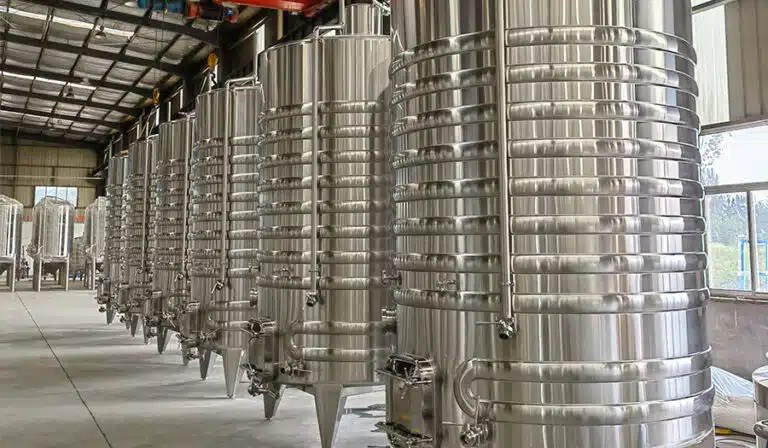
Stainless Steel Tanks
Stainless steel tanks are popular for preserving the pure, fresh flavors of grapes. They don’t impart any additional flavors, making them ideal if you want a crisp, clean wine.
These tanks are easy to clean and control temperature in, which is crucial during fermentation. Have you noticed how some white wines taste bright and zesty? That’s often the handiwork of stainless steel tanks.
Clay Amphorae
Clay amphorae are ancient vessels making a modern comeback. They allow gentle oxygen exchange like wood but keep the wine’s natural fruit flavors intact.
Winemakers appreciate amphorae for adding texture without overpowering the wine with oak notes. Imagine sipping a wine that feels both earthy and fresh—this is the amphora’s magic.
Concrete Eggs
Concrete eggs are a newer option, blending tradition and innovation. Their shape promotes natural convection currents, stirring the wine gently during fermentation.
Concrete also allows micro-oxygenation, enhancing mouthfeel and complexity without adding flavors. If you want a wine with a smooth, balanced finish, experimenting with concrete eggs might be worth it.
Credit: practicalselfreliance.com
Materials And Their Impact
The choice of materials for wine making vessels plays a crucial role in shaping the final product. Each material interacts differently with the wine, affecting its flavor, temperature stability, and how easy it is to care for the vessel. Understanding these impacts helps you select the right vessel for your winemaking goals.
Flavor Influence
Materials like oak barrels add unique flavors to wine through slow oxygen exposure and natural tannins. Stainless steel tanks, on the other hand, keep the wine’s original taste intact, offering a cleaner and crisper profile.
Have you ever tasted wine aged in a ceramic vessel? It often brings subtle earthiness without overpowering the fruit notes. Your choice of material directly affects how much character your wine will develop.
Temperature Control
Some materials, such as stainless steel, offer excellent temperature control, which is vital during fermentation. Wood, while beautiful, allows more temperature fluctuations that can speed up or slow down fermentation unpredictably.
Clay and concrete vessels provide natural insulation but may need extra monitoring to maintain ideal temperatures. How closely do you want to manage temperature during your winemaking process?
Durability And Maintenance
Stainless steel is highly durable and easy to clean, making it popular for both beginners and professionals. Wooden barrels require regular maintenance to prevent leaks and contamination, demanding more attention but rewarding with unique results.
Ceramic and concrete vessels are sturdy but can be fragile if mishandled. Considering how much effort you want to invest in upkeep can guide your vessel choice effectively.
Crossword Clues For Wine Vessels
Crossword puzzles about wine making vessels can be both fun and challenging. They often use specific terms that relate directly to the containers and tools used in the wine production process. Understanding the clues behind these terms can boost your solving skills and deepen your appreciation for wine craftsmanship.
Typical Crossword Terms
Common terms you’ll encounter include barrel, cask, vat, and amphora. Each of these words represents a different type of vessel used to ferment, age, or store wine. Recognizing them quickly can help you fill in the crossword grid faster.
For example, “wooden container for aging wine” often points to “barrel.” Another frequent clue is “large container for fermenting,” which typically refers to a “vat.” Knowing these terms in advance gives you an edge.
Tricky Clues Explained
Some clues might seem confusing because they use less common terms or wordplay. A clue like “ancient clay vessel” could be “amphora,” a term not everyone knows. If you’re stuck, think about the historical context—amphoras were widely used in ancient wine storage.
Sometimes, clues use synonyms or indirect hints. For instance, “oak container” hints at “barrel” without directly saying it. Ask yourself, what vessels are associated with certain materials or traditions? This mindset helps decode tricky clues.
Common Abbreviations
Crosswords often shorten wine vessel names to fit the grid. You might see “bt.” for “bottle” or “csk.” for “cask.” Being familiar with these abbreviations saves time and prevents confusion.
Look out for abbreviations like:
- Bar.– Barrel
- Csk.– Cask
- Vt.– Vat
- Amph.– Amphora
Have you noticed how these shorthand forms appear in different puzzles? Spotting patterns like these helps you breeze through challenging crosswords about wine vessels.
Tips For Solving Wine Making Crosswords
Solving wine making vessels crossword puzzles can be both fun and challenging. The key is to focus on the specific terms related to wine making and the types of containers used throughout the process. Sharpening your approach with some targeted tips will make these puzzles easier and more enjoyable.
Identifying Vessel Types
Start by familiarizing yourself with common vessels used in wine making. Names like “barrel,” “vat,” and “carboy” often appear. Knowing their shapes, materials, and purposes helps you quickly match clues to answers.
Think about whether the vessel is used for fermentation, storage, or aging. For example, a “barrel” is usually wooden and used for aging, while a “fermenter” might be stainless steel. This distinction narrows down your options significantly.
Using Contextual Hints
Look closely at the surrounding clues and the crossword’s theme. If the puzzle mentions red wine or aging, vessels linked to these stages are likely answers. This context guides you toward the right terms without second-guessing.
Sometimes, the clue might hint at the vessel’s size or material. Words like “large,” “glass,” or “wooden” can be vital hints. Pay attention to the wording—it often contains subtle pointers.
Cross-referencing Wine Terms
Crosswords about wine making often include related terms such as grape varieties, fermentation stages, or tasting notes. Use your knowledge of these to validate vessel names. If a clue intersects with a term like “must” or “yeast,” it may indicate a vessel related to fermentation.
Maintaining a small glossary or list of wine-making vocabulary can speed up your solving process. Do you find yourself stuck on a vessel name? Check if other answers in the puzzle clarify the context and help confirm your guess.
Historical Vessels In Winemaking
Historical vessels in winemaking reveal the story of wine’s journey through time. These containers shaped how wine was made, stored, and aged. Each vessel type reflects the culture and technology of its era. Understanding these vessels helps us appreciate the art and science of winemaking.
Ancient Storage Methods
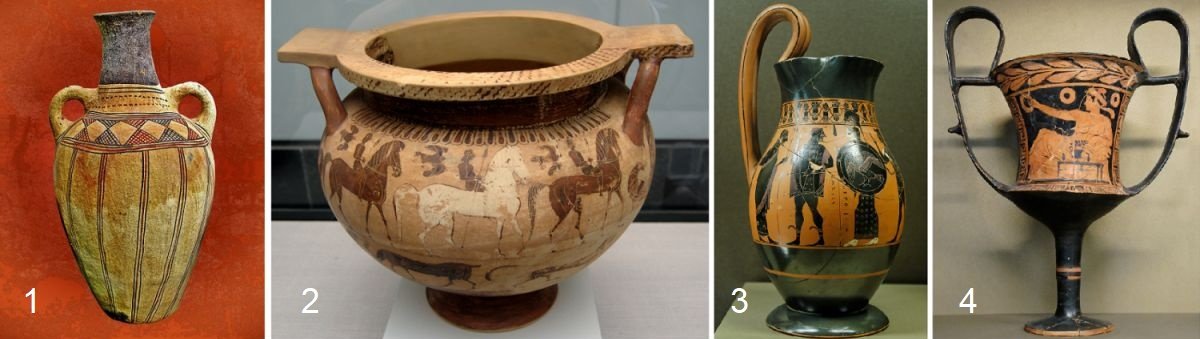
Early winemakers used natural materials for storage. Clay amphorae were common in ancient Greece and Rome. These large, sealed pots protected wine from air and light. Wood barrels appeared later, offering easier transport and aging benefits.
In some regions, wines were stored in animal skins or stone jars. These methods kept the wine cool and helped with fermentation. Each vessel type had unique shapes and sizes depending on local resources and customs.
Evolution Over Time
Winemaking vessels changed with new technology and needs. Wooden barrels became widespread in Europe during the Middle Ages. They allowed controlled oxygen exposure, improving wine flavors. Glass bottles appeared in the 17th century, helping with long-term storage and transport.
Modern winemakers use stainless steel tanks for precise temperature control. Concrete eggs and clay amphorae have returned for their distinct effects on wine texture. The evolution of vessels shows winemakers’ constant search for better quality and expression.
Credit: www.micetgroup.com
Modern Innovations In Vessels
Wine making vessels have seen many changes over the years. Modern innovations improve the quality and ease of winemaking. These advances help winemakers control the process better and create unique flavors. New materials and clever designs enhance traditional methods. Below, we explore these key updates.
New Materials
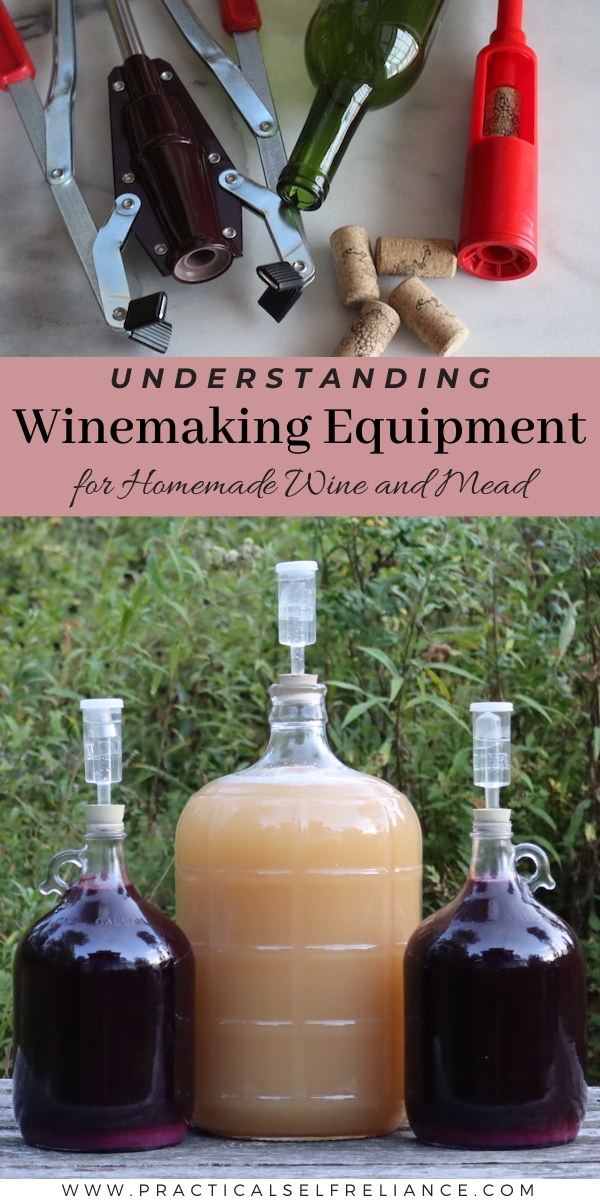
Modern vessels use materials that improve wine quality and durability. Stainless steel is popular for its strength and easy cleaning. It does not affect the wine’s taste or aroma. Plastic tanks offer lightweight and cost-effective options for small batches. Some winemakers use concrete, which adds a natural texture to wine. Innovations also include special liners that prevent oxidation and contamination. These materials help maintain a stable environment for fermentation and aging.
Design Improvements
Vessel designs have changed to support better wine production. Many tanks now have built-in temperature control systems. This feature helps keep the wine at the perfect temperature during fermentation. Shapes and sizes vary to suit different wine types and volumes. Some vessels have rounded bottoms to allow easy mixing and cleaning. Others include lids or covers to protect wine from air exposure. These design upgrades help winemakers produce consistent and high-quality wines.

Credit: www.mdpi.com
Frequently Asked Questions
What Are Common Vessels Used In Wine Making?
Common wine making vessels include stainless steel tanks, oak barrels, clay amphorae, and glass carboys. Each vessel influences wine flavor and aging differently.
How Does Vessel Type Affect Wine Flavor?
Vessel material impacts oxygen exposure and flavor absorption. Oak barrels add vanilla notes, while stainless steel preserves fresh fruit flavors.
Why Use Oak Barrels In Wine Making?
Oak barrels enhance wine complexity by adding tannins and subtle flavors. They also allow controlled oxygen exposure for smooth aging.
Can Clay Vessels Improve Wine Quality?
Clay vessels, like amphorae, provide natural micro-oxygenation and earthiness. They promote unique texture and aromatic profiles in the wine.
Conclusion
Exploring wine-making vessels can be a fun journey. Each vessel brings unique flavors and aromas. Understanding these differences enhances your wine appreciation. Crosswords about wine vessels boost learning and memory. They make complex topics easier and more enjoyable. By solving these puzzles, you gain more knowledge.
It’s a delightful way to learn about winemaking. Next time you sip, think of the vessel used. Enjoy the deeper connection with every glass. Cheers to your wine adventures!

Ethan Cole is a kitchen innovation enthusiast and food technology writer at DiningGadgets.com. With over 8 years of experience reviewing cookware, smart kitchen tools, and design trends, he helps readers discover gadgets that make cooking easier and dining more enjoyable. When he’s not testing the latest kitchen appliances, Ethan enjoys experimenting with recipes and sharing practical tips for modern homes.