Making Homemade Wine from Grapes: Ultimate Guide for Beginners
Have you ever dreamed of tasting wine you made yourself? Making homemade wine from grapes is easier than you think.
With just a few simple steps, you can turn fresh grapes into a delicious, unique wine that reflects your personal touch. Imagine the pride of sharing your own handcrafted wine with friends and family. Ready to discover how you can start your winemaking adventure right at home?
Keep reading, and you’ll learn everything you need to know to create your very own bottle of homemade wine.
Credit: practicalselfreliance.com
Choosing The Right Grapes
Choosing the right grapes is the first step to making good homemade wine. The type and quality of grapes affect the flavor and aroma of the wine. Different grapes bring different tastes and colors. Picking the best grapes ensures a better wine-making experience and a tastier result.
Types Of Grapes For Winemaking
There are many grape varieties used for wine. Some are better for red wine, some for white. Common red grapes include:
- Cabernet Sauvignon – bold and full-bodied
- Merlot – soft and fruity
- Pinot Noir – light and delicate
Popular white grapes include:
- Chardonnay – rich and creamy
- Sauvignon Blanc – crisp and fresh
- Riesling – sweet and floral
Choose grapes that suit your taste and the style of wine you want.
Harvesting Tips
Harvest grapes at the right time for best flavor. Grapes should be ripe but not overripe. Check the color and taste before picking. Avoid grapes that are damaged or moldy.
- Pick grapes early in the morning when cool
- Use sharp scissors or pruners to avoid crushing
- Handle grapes gently to prevent bruising
- Work quickly to keep grapes fresh
Proper harvesting helps keep the juice clean and sweet for wine making.
Essential Equipment
Making homemade wine from grapes needs the right tools. Proper equipment makes the process easier and safer. It also helps produce better wine. Having essential tools ready before you start saves time and trouble.
Basic Tools Needed
- Large fermenting container – glass or food-grade plastic
- Grape crusher or a clean tool to crush grapes
- Primary fermentation bucket with a lid
- Airlock and stopper to release gases
- Hydrometer to measure sugar levels
- Siphon tube for transferring wine
- Glass carboy for secondary fermentation
- Wine bottles and corks for storage
- Corker to seal bottles
Sanitizing Equipment
Cleaning and sanitizing all tools is vital. It stops bacteria and wild yeast from spoiling wine. Use a no-rinse sanitizer made for winemaking. Follow the instructions carefully for best results.
Wash equipment with warm water before sanitizing. Avoid strong soaps that leave residues. Soaking tools in sanitizer for the right time is important. Sanitize all parts that touch grapes or juice.
Preparing The Grapes
Preparing grapes is the first key task in making homemade wine. The quality of your wine depends on the grapes you use. Careful preparation helps to bring out the best flavors and aromas. Proper handling of grapes also prevents unwanted bacteria and off tastes.
Cleaning And Sorting
Start by rinsing grapes under cool water. This removes dirt, dust, and any pesticides. Next, sort the grapes on a clean surface. Remove any stems, leaves, or damaged fruit. Only use ripe, healthy grapes. Bad grapes can ruin the wine’s taste. Clean and sorted grapes ensure a pure and fresh wine base.
Crushing And Pressing
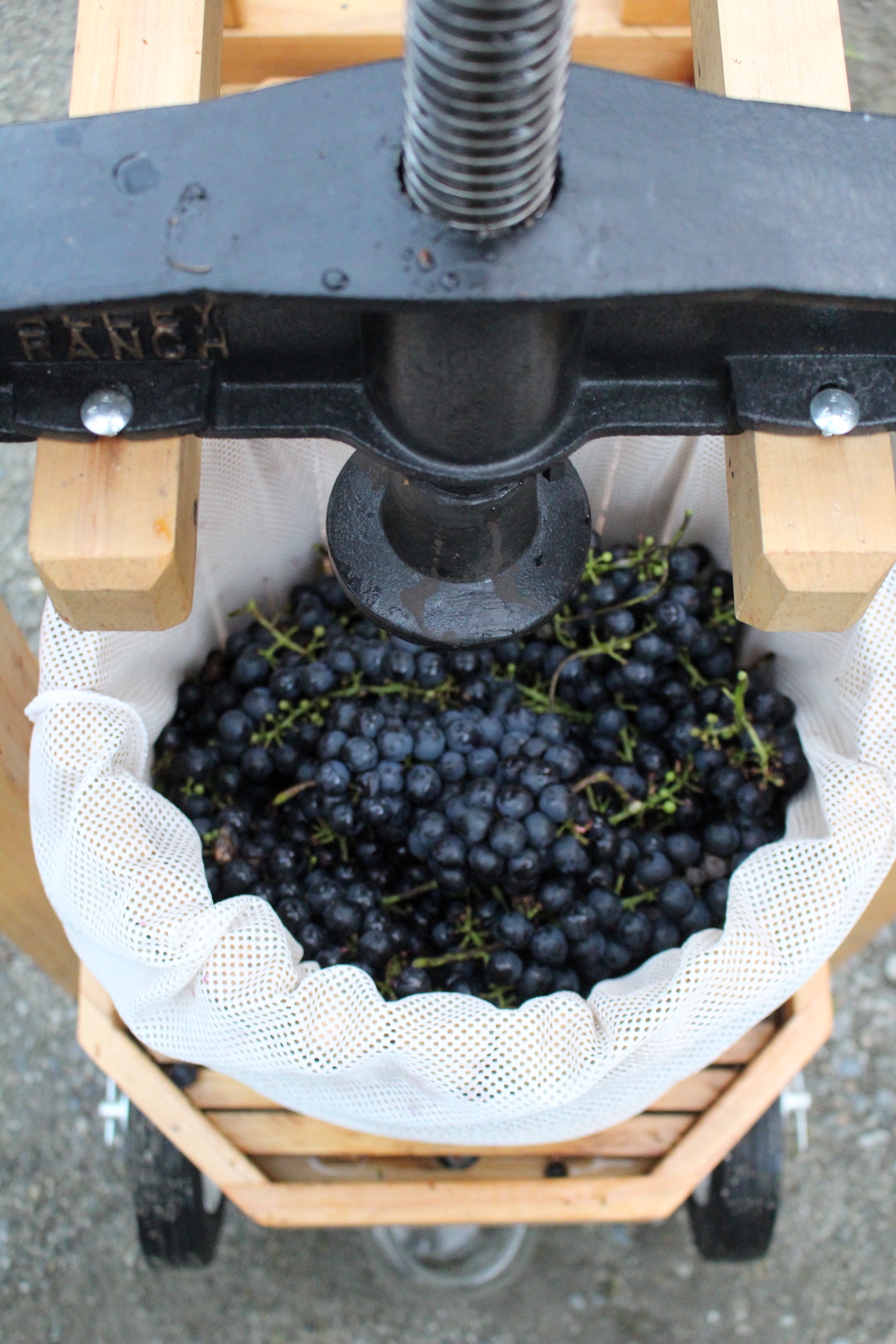
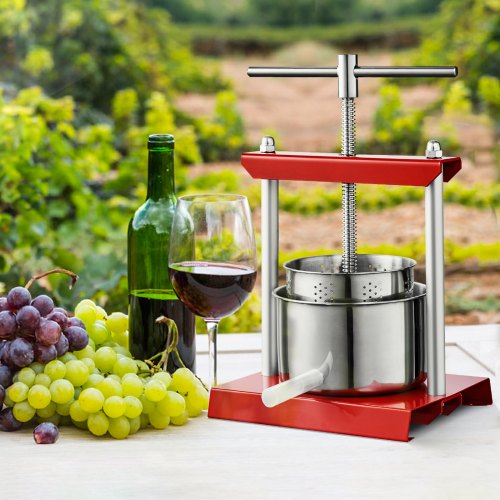
Crush the grapes gently to release their juice. This breaks the skins but keeps seeds mostly intact. Use a clean tool or your hands for crushing. Avoid over-crushing seeds, which can add bitterness. After crushing, press the grapes to extract more juice. Pressing separates juice from skins and pulp. Collect the juice in a clean container. This juice will soon start the fermentation process that makes wine.
Credit: practicalselfreliance.com
Fermentation Process
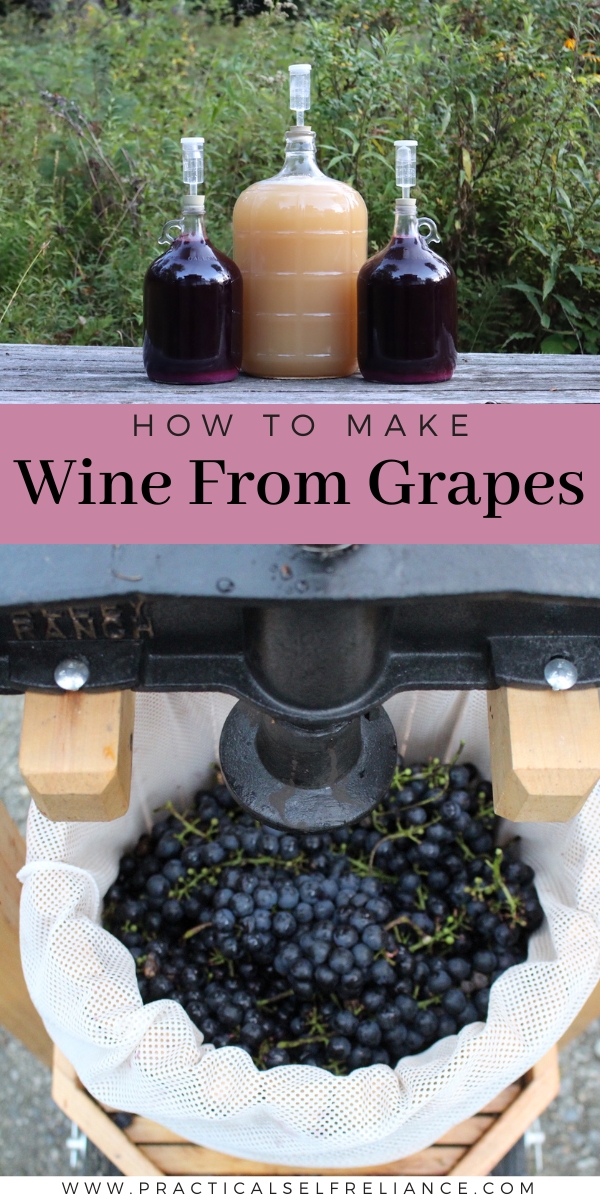
The fermentation process is where your grape juice transforms into wine. This stage requires patience and attention because yeast consumes the sugars in the grapes, creating alcohol and carbon dioxide. The quality of your wine depends heavily on how well you manage fermentation.
Adding Yeast
Yeast is the key player in fermentation. You can use natural yeast from the grape skins or add a specific strain to control the flavor and speed of fermentation.
Adding yeast gives you more control over the process. For example, if you want a sweeter wine, you might choose a yeast that ferments slowly. Have you decided which yeast suits your taste best?
Controlling Temperature
Temperature greatly affects how yeast works. Keep your fermenting wine between 60°F and 75°F (15°C to 24°C) for the best results.
Too hot, and the yeast may die; too cold, and fermentation slows down or stops. I once lost a batch because I didn’t check the temperature regularly. How will you keep your wine at the perfect temperature?
Monitoring Fermentation
Watch your wine closely during fermentation. Look for bubbling as a sign of active yeast, and measure sugar levels with a hydrometer to track progress.
Fermentation can take from a few days to several weeks. Patience and regular checks help you know when it’s time to move on to the next step. What signs will you look for to know your wine is ready?
Racking And Clarifying
Racking and clarifying are essential stages in homemade wine-making that help improve the wine’s taste and appearance. These processes remove unwanted particles and help the wine mature gracefully. Paying attention to these details can make the difference between a cloudy, harsh wine and a smooth, clear vintage you’ll be proud to share.
Transferring Wine
Transferring, or racking, means moving the wine from one container to another without disturbing the sediment at the bottom. This step helps separate your wine from dead yeast and grape solids that can cause off-flavors.
Use a siphon or a clean hose to gently move the wine. Avoid stirring up the sediment—imagine you’re carefully pouring juice off the top without shaking the bottle. If you’ve ever tasted homemade wine that was bitter or gritty, it’s likely because this step was skipped or rushed.
Removing Sediment
After transferring, you’ll notice sediment starting to settle again. Removing it regularly ensures your wine stays clear and smooth. You may need to rack the wine multiple times over weeks or months, depending on how cloudy it remains.
- Check the sediment level before each transfer.
- Keep your equipment sanitized to avoid contamination.
- Be patient—clarity improves gradually with each racking.
Ever wondered why some homemade wines taste harsh? It often comes down to sediment left behind. By carefully removing it, you help your wine develop its best flavor and a clean finish.
Credit: www.tncim.com
Aging The Wine
Aging your homemade wine is a crucial step that shapes its flavor and character. It’s not just about waiting; it’s about creating the right conditions for your wine to mature gracefully. How you age your wine can turn a simple batch into a bottle worth savoring.
Choosing Containers
The container you pick for aging affects the taste and aroma of your wine. Oak barrels add complexity and subtle vanilla notes, while stainless steel keeps the wine fresh and pure. Glass carboys are a popular choice because they don’t influence the flavor but allow you to see the wine clearly.
Think about the size too—smaller containers expose more wine surface to air, speeding up aging but risking oxidation. Larger containers slow the process and preserve delicate flavors. What kind of taste are you aiming for? That will guide your container choice.
Optimal Aging Time
Timing your wine’s aging depends on the grape variety and the style you want. Some wines improve with just a few months, while others benefit from years in the cellar. Rushing the process can leave your wine tasting harsh and unbalanced.
Keep tasting your wine periodically. This helps you decide when it has reached its peak. Have you noticed subtle changes in aroma or smoothness? These clues tell you when it’s time to enjoy your creation.
Bottling And Storage
Bottling and storage are vital steps in homemade wine making. Proper handling keeps wine fresh and flavorful. Careful bottling avoids contamination and oxidation. Good storage preserves aroma and taste over time. Each stage requires attention to detail for the best results.
Preparing Bottles
Use clean, sterilized bottles to prevent spoilage. Wash bottles with hot water and a mild detergent. Rinse well to remove all soap. Sterilize bottles by boiling or using a sanitizing solution. Let bottles dry upside down on a clean rack. Inspect bottles for cracks or chips before filling.
Sealing And Labeling
Seal bottles tightly with fresh corks or screw caps. Use a corker to insert corks without damage. Avoid loose seals to stop air from entering. Label bottles clearly with the wine type and date. Write labels with waterproof ink. Keep labels simple for easy identification.
Storage Conditions
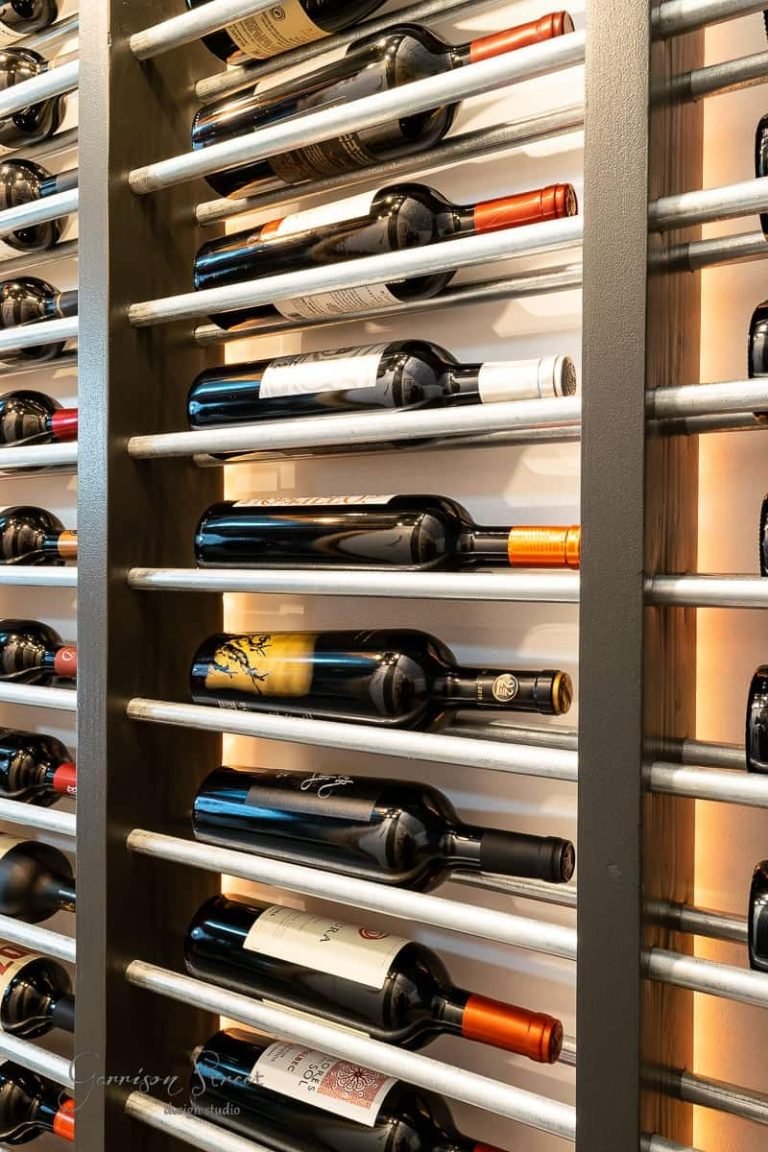
Store wine bottles in a cool, dark place. Ideal temperature ranges from 50°F to 60°F (10°C to 15°C). Avoid direct sunlight and temperature changes. Keep bottles lying on their side to keep corks moist. Maintain humidity around 70% to prevent cork drying. Avoid vibrations that can disturb wine sediment.
Common Mistakes To Avoid
Making your own wine from grapes is rewarding, but certain mistakes can spoil your batch before it even begins to taste good. Knowing what to avoid helps you save time, money, and frustration. Let’s look at common pitfalls that many beginners face and how you can steer clear of them.
Preventing Contamination
Contamination can ruin your wine quickly. Always sanitize every tool and container before use. Even a tiny bit of dirt or leftover residue can invite unwanted bacteria and wild yeast.
When I first started, I skipped sanitizing a few utensils, thinking a quick rinse was enough. The wine developed off-flavors and had a strange smell. That taught me the hard way to take cleanliness seriously.
Here are key steps to prevent contamination:
- Use food-grade sanitizers designed for winemaking.
- Keep your workspace clean and dust-free.
- Cover fermenters with cloth or airlocks to keep out insects and airborne germs.
- Wash your hands thoroughly before handling grapes or equipment.
Managing Fermentation Issues
Fermentation is the heart of winemaking, and managing it properly is crucial. Too much heat, lack of oxygen, or incorrect yeast can cause fermentation to stall or produce off-flavors.
Ask yourself: Are you monitoring the temperature regularly? Grapes ferment best around 65-75°F (18-24°C). Too hot, and the yeast can die; too cold, and it slows down or stops.
To keep fermentation on track, consider these points:
- Use a reliable thermometer to check temperature daily.
- Stir the must gently to distribute yeast and oxygen during the first few days.
- Choose the right yeast strain for your grape variety and climate.
- Be patient—rushing or adding sugar mid-fermentation can cause imbalances.
Tips For Enhancing Flavor
Enhancing the flavor of homemade wine can make your effort truly rewarding. Small changes in the process can bring big improvements in taste and aroma. Focus on balancing sweetness and acidity first. Then try mixing different grape varieties to create unique blends. These tips help you craft wine that suits your palate.
Adjusting Sweetness And Acidity
Sweetness and acidity shape your wine’s character. Check the sugar level in the grape juice before fermentation. Use a hydrometer to measure it accurately. Add sugar if the juice is too low in sweetness.
Balance acidity by testing the pH level. Grapes that are too tart may need a pinch of baking soda to soften acidity. If the wine lacks brightness, add a small amount of lemon juice or tartaric acid. Taste often during fermentation to track changes.
Experimenting With Blends
Mixing different grapes adds complexity and depth. Try blending sweet grapes with more acidic ones. This balances the flavor and creates a smoother finish.
Start with small batches to test combinations. Note the results and adjust ratios for future batches. Blending allows you to discover new tastes and find your perfect mix.
Frequently Asked Questions
How Do You Start Making Homemade Wine From Grapes?
Begin by selecting fresh, ripe grapes. Crush and press them to extract juice. Then, ferment the juice using yeast in a clean container.
What Equipment Is Needed For Homemade Grape Wine?
You need a fermenter, airlock, crusher, press, siphon, bottles, and sanitizer. Clean equipment ensures good quality and safety.
How Long Does Homemade Grape Wine Take To Ferment?
Primary fermentation takes about 1-2 weeks. Secondary fermentation and aging can take several months for best flavor.
Can I Use Any Type Of Grapes For Wine?
Yes, but wine grapes like Concord or Muscat yield better flavor. Table grapes may lack the desired acidity and sugar.
Conclusion
Creating homemade wine from grapes is a rewarding experience. It connects you to nature and tradition. Each step brings joy and satisfaction. You witness grape juice transform into a delicious drink. This process fosters patience and creativity. Soon, you’ll pour a glass of your own vintage.
A toast to your hard work and dedication. Share your creation with family and friends. Celebrate the fruits of your labor. Enjoy the rich taste and aroma. Cherish the memories made along the way. Homemade wine offers a unique personal touch.
A delightful addition to any gathering. Cheers to your new winemaking journey!
Ethan Cole is a kitchen innovation enthusiast and food technology writer at DiningGadgets.com. With over 8 years of experience reviewing cookware, smart kitchen tools, and design trends, he helps readers discover gadgets that make cooking easier and dining more enjoyable. When he’s not testing the latest kitchen appliances, Ethan enjoys experimenting with recipes and sharing practical tips for modern homes.