Supplies for Making Wine at Home: Essential Tools for Beginners
Are you ready to turn your passion for wine into a rewarding hobby? Making wine at home is easier than you might think, and having the right supplies is the key to success.
Whether you want to create a bold red or a crisp white, the tools you use will shape your final product. You’ll discover exactly what you need to get started, step by step. By the end, you’ll feel confident and excited to craft your very own bottles of wine.
Keep reading to unlock the secrets of home winemaking and find the perfect supplies that fit your style and budget.
Basic Equipment
Starting to make wine at home needs a few basic tools. These tools help control the process and keep your wine safe. Choosing the right equipment sets the stage for good results. Here are the key items you need for your first batch.
Fermentation Vessels
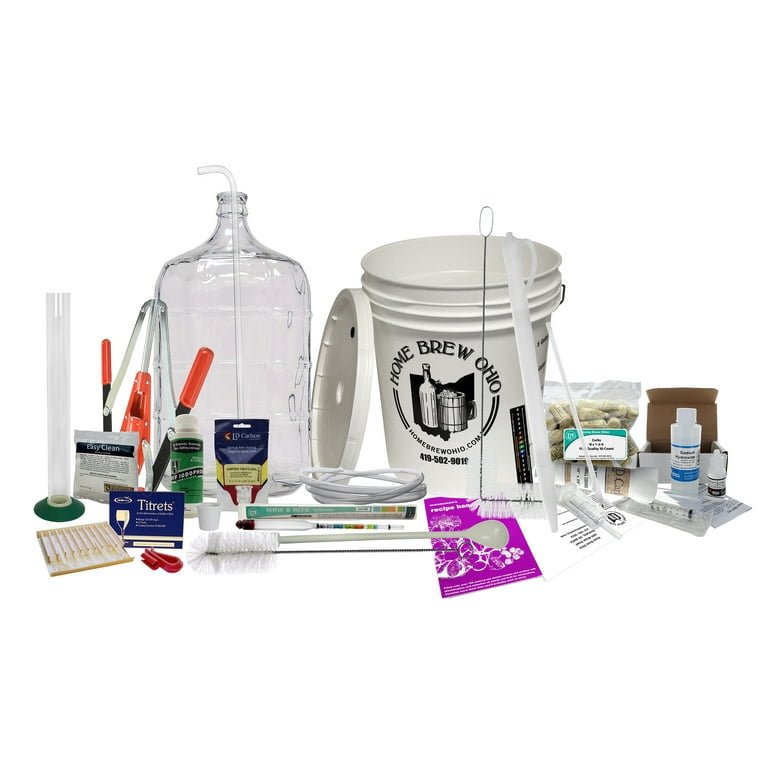
Fermentation vessels hold the juice while it turns into wine. Glass carboys and food-grade plastic buckets are common choices. Glass is easy to clean and does not affect taste. Plastic buckets are lighter and less likely to break. Size depends on how much wine you want to make. Make sure the vessel has a wide mouth for easy stirring and cleaning.
Airlocks And Stoppers
Airlocks let gases escape during fermentation but keep air out. This stops harmful bacteria from spoiling the wine. Stoppers seal the fermentation vessel tightly. They come in rubber or silicone. Fit the airlock into the stopper before placing it on the vessel. This simple tool protects your wine and helps it ferment properly.
Hydrometer And Thermometer
A hydrometer measures sugar levels in the juice. This tells you how much alcohol your wine will have. A thermometer checks the temperature during fermentation. Yeast works best at certain temperatures. Keeping the right temperature helps your wine taste better. Both tools are small but very useful for tracking progress.

Credit: www.amazon.co.uk
Sanitizing Supplies
Sanitizing supplies play a crucial role in making wine at home. Without proper sanitation, your wine can easily become contaminated, spoiling the entire batch. Understanding which supplies to use and how to use them correctly helps you protect your work and enjoy the fruits of your labor.
Cleaning Agents
Cleaning is the first step before sanitizing. You need agents that remove visible dirt, residues, and organic matter from your equipment. Common choices include powdered cleaners like PBW (Powdered Brewery Wash) or liquid cleaners such as dish soap without fragrances or oils.
Make sure your cleaning agent is non-scented and free of additives that could interfere with fermentation. Rinse thoroughly after cleaning to avoid any leftover residue that may affect the taste of your wine.
Sanitizing Solutions
Sanitizing kills the microbes left after cleaning. Popular sanitizers include Star San, iodophor, and bleach solutions. Star San is especially popular because it is no-rinse and food-safe when used properly, making it a favorite among home winemakers.
Always follow the instructions on the sanitizer label for dilution and contact time. Using too little sanitizer or not allowing enough time can leave harmful bacteria behind, risking your batch.
Proper Sterilization Techniques
Simply applying sanitizer is not enough; you must practice proper techniques. Submerge small equipment pieces fully in sanitizer or spray larger equipment thoroughly. Allow the sanitizer to sit for the recommended time, usually a few minutes, before draining.
Drying equipment in a clean, dust-free environment helps prevent recontamination. Have you ever wondered why your wine tasted off despite careful fermentation? It might have been due to overlooked sanitizing steps.
Bottling Gear
Bottling gear is essential for turning your homemade wine from a fermenting project into a drinkable, shareable product. Having the right tools makes bottling smoother and helps maintain the quality of your wine. Without proper gear, you risk contamination, oxidation, or leaking bottles, which can spoil all your hard work.
Bottles And Corks
Choosing the right bottles is more than just picking a pretty container. Glass bottles designed for wine have thick walls to protect the wine and a standard neck size for easy corking.
Reuse old wine bottles if you want, but ensure they are well cleaned and sanitized. New bottles are often better for long-term storage.
As for corks, natural cork is traditional and allows your wine to breathe, but synthetic corks are easier to insert and remove. Which type suits your wine depends on how long you plan to store it.
Corking Tools
A quality corker will save you frustration and prevent damaged corks. Hand corkers are affordable and work well for small batches.
If you plan to bottle a lot, consider a bench corker for more consistent pressure and less effort. Always test a few corks before bottling the entire batch to avoid surprises.
Having a cork remover handy is also smart, especially if you want to taste-test before sealing every bottle.
Labels And Markers
Labels help you keep track of your wine’s vintage, grape variety, and any special notes. You can buy pre-made labels or design your own for a personal touch.
Waterproof markers or pens are handy for quick notes directly on the bottle or labels. Make sure your labels stick well, even in humid cellar conditions.
Do you track your wine batches carefully? Keeping detailed records can help you improve your next batch and share your best creations confidently.
Measuring And Mixing Tools
Accurate measuring and thorough mixing are the backbone of successful home winemaking. Without precise tools, you risk altering the delicate balance of flavors in your wine. Whether you’re adding sugar, yeast, or adjusting acidity, the right measuring and mixing tools will help you maintain control over every step.
Measuring Cups And Spoons
Measuring cups and spoons ensure you add exact amounts of ingredients. Using plastic or stainless steel sets designed for liquid and dry ingredients can make your task easier. Have you ever guessed an amount and ended up with a batch that’s too sweet or too sour? Proper measuring tools prevent that guesswork.
Look for sets with clear markings that are easy to read. Some kits include graduated cups that measure milliliters and ounces, which is helpful for recipes that use different units. Keeping a dedicated set just for winemaking helps avoid contamination from kitchen spices or residues.
Mixing Spoons And Rakes
Mixing tools help blend ingredients evenly and keep the fermentation process consistent. Long-handled spoons or paddles allow you to stir large batches without spilling. I remember stirring a batch with a short spoon and getting juice all over the counter—annoying and wasteful!
Plastic or stainless steel spoons are best because they resist corrosion from acidic wine must. Some winemakers prefer rakes to gently lift grape skins and seeds during fermentation. Choosing the right tool depends on your batch size and method, but having more than one option is always handy.
Pipettes And Funnels
Pipettes are essential for transferring small amounts of liquid, such as additives or samples for testing. They help you avoid contamination and measure drops precisely. Ever tried pouring tiny quantities directly from a bottle? It can get messy quickly.
Funnels make transferring liquids into narrow-necked bottles or carboys easier and cleaner. Pick funnels with removable strainers to catch sediment or fruit bits. Using pipettes and funnels reduces spills and keeps your workspace tidy, which is crucial when you want to focus on crafting good wine.
Ingredients For Beginners
Starting your home winemaking journey means gathering the right ingredients that fit your skill level and taste preferences. Choosing simple, quality components can make the process smoother and your results more enjoyable. Let’s look at the essentials you’ll need as a beginner.
Grapes And Juice Options
You can choose between fresh grapes or grape juice concentrate to start making wine. Fresh grapes offer authentic flavors but require more effort in preparation, like crushing and destemming. Juice concentrate is easier to handle and gives consistent results, making it perfect if you want a quick start.
Think about the type of wine you want: red, white, or rosé. Each grape variety brings unique flavors. Concord grapes give a sweet, fruity taste, while Cabernet Sauvignon grapes produce bold, dry wines. If fresh grapes aren’t available, look for 100% pure grape juice without preservatives or added sugar.
Yeast Varieties
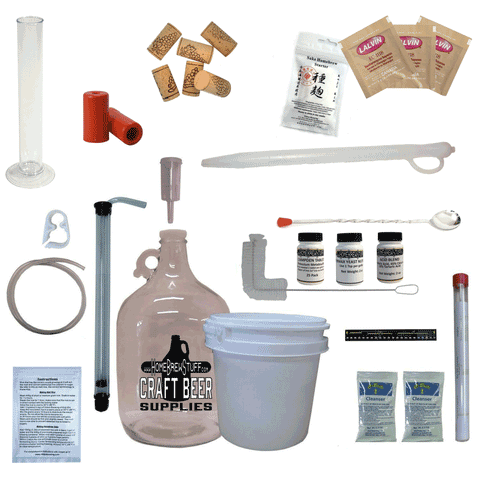
Yeast is the tiny powerhouse that turns grape sugar into alcohol. You can choose from natural wild yeast or store-bought wine yeast strains designed for different wine styles. For beginners, using a commercial yeast like Lalvin EC-1118 or Red Star Premier Rouge simplifies the process.
These yeasts are reliable and tolerate a wide range of temperatures and sugar levels. They also produce consistent fermentation, reducing the risk of stuck fermentation. Have you tried experimenting with different yeasts to see how they affect the flavor?
Additives And Nutrients
Adding the right nutrients helps yeast stay healthy and finish fermentation properly. Common additives include yeast nutrient, which provides nitrogen and minerals, and potassium metabisulfite, which prevents unwanted bacteria and oxidation.
Acid blends can balance the wine’s taste if your juice is too sweet or flat. Don’t skip measuring your wine’s pH and sugar levels; these affect how additives work. Simple tools like a hydrometer and pH strips can guide you in making the right adjustments.
Credit: home-brew-stuff.myshopify.com
Safety And Storage
Ensuring safety and proper storage is crucial when making wine at home. It protects your health, preserves the quality of your wine, and keeps your workspace organized. Ignoring these aspects can lead to contamination, accidents, or spoiled batches.
Proper Storage Conditions
Keep your wine ingredients and equipment in a cool, dark place. Temperature fluctuations can spoil your wine or cause fermentation problems. Aim for a consistent temperature between 55°F and 65°F (13°C to 18°C) to maintain the best conditions.
Store your fermenting wine in a well-ventilated area to avoid buildup of harmful gases. Use airtight containers to prevent exposure to oxygen, which can ruin the flavor. Remember, humidity matters too—too much can cause mold on corks or bottles.
Safety Gear
Handling wine-making chemicals like sanitizers and sulfites demands protective gear. Always wear gloves to protect your skin from irritation. Safety goggles are essential to shield your eyes from splashes during cleaning or transferring liquids.
Avoid loose clothing that might catch on equipment. If you’re using heating elements or pumps, sturdy closed-toe shoes can prevent injuries. Think about your safety as seriously as your wine’s taste.
Handling Waste
Discarding leftover grape skins, seeds, and other waste properly is important. Never pour fermentation waste down the drain without diluting it, as it can clog pipes or harm the environment. Instead, compost solid waste or dispose of it in green waste bins if available.
Clean up spills immediately to prevent slips or contamination of your workspace. Do you have a dedicated area for waste disposal that is separate from your wine-making zone? Creating clear zones helps keep your process safe and efficient.

Credit: www.amazon.in
Frequently Asked Questions
What Basic Supplies Are Needed For Home Winemaking?
Basic supplies include a fermenter, airlock, siphon, bottles, and sanitizer. Grapes or juice, yeast, and sugar are essential ingredients. These tools help control fermentation and ensure clean, safe wine production at home.
How Important Is Yeast In Homemade Wine Production?
Yeast converts sugar into alcohol and carbon dioxide. Using the right wine yeast strain ensures proper fermentation and desired flavor. Without yeast, fermentation won’t occur, and no alcohol will be produced.
Which Equipment Ensures Clean Winemaking At Home?
Sanitizers, sterilized fermenters, and clean bottles are vital. Proper sanitation prevents contamination and spoilage. Clean equipment guarantees the wine tastes fresh and safe to drink.
Can I Reuse Wine Bottles And Corks For Home Winemaking?
Yes, wine bottles can be reused after thorough cleaning and sanitizing. Corks should be replaced with new ones to ensure a proper seal and avoid contamination. This practice saves money and reduces waste.
Conclusion
Crafting wine at home is a rewarding experience. With the right supplies, the process becomes straightforward. Essentials like fermenters, airlocks, and bottles are crucial. Quality ingredients lead to better wine. Patience is key during fermentation. Cleanliness ensures a great taste.
Start small, learn, and enjoy the journey. Each batch teaches something new. Soon, you’ll share your homemade wine with pride. Dive in and embrace this fun hobby. Happy winemaking!
Ethan Cole is a kitchen innovation enthusiast and food technology writer at DiningGadgets.com. With over 8 years of experience reviewing cookware, smart kitchen tools, and design trends, he helps readers discover gadgets that make cooking easier and dining more enjoyable. When he’s not testing the latest kitchen appliances, Ethan enjoys experimenting with recipes and sharing practical tips for modern homes.