Equipment for Wine Making: Essential Tools for Perfect Vintage
Are you ready to turn your passion for wine into a rewarding hobby or even a small business? The right equipment for wine making can make all the difference between a batch that tastes just okay and one that you’re proud to share.
Whether you’re a beginner or looking to improve your process, understanding what tools you need is essential. You’ll discover the must-have equipment that will help you craft delicious wine from start to finish. Get ready to unlock the secrets of wine making and take your skills to the next level!
Credit: www.walmart.com
Choosing The Right Grapes
Choosing the right grapes is the foundation of great wine making. The type and quality of grapes you pick directly influence the flavor, aroma, and character of your final product. Understanding grape varieties and knowing how to select the best fruit can elevate your wine from ordinary to exceptional.
Varieties For Different Wines
Each grape variety brings unique qualities to wine. For red wines, grapes like Cabernet Sauvignon and Merlot offer bold flavors and deep color. Lighter reds such as Pinot Noir provide delicate aromas and subtle fruit notes.
White wines require different grapes. Chardonnay delivers a creamy texture with apple and citrus hints, while Sauvignon Blanc offers crisp acidity and grassy flavors. Think about the style of wine you want to create before choosing your grape variety.
Have you considered blending varieties? Combining grapes like Syrah and Grenache can add complexity and balance. Your choice shapes not just taste but the entire wine experience.
Selecting Quality Fruit
Quality grapes start with healthy, ripe fruit. Look for bunches that are free from mold, bruises, and pests. Grapes should feel firm and plump, not shriveled or overly soft.
Ripeness matters more than color alone. Test sugar levels using a refractometer or taste the grapes yourself. Too green means under-ripe, while too soft can signal over-ripeness or fermentation starting prematurely.
Where you source your grapes also affects quality. Local vineyards often provide fresher fruit with better traceability. Have you checked the grape’s origin and harvest conditions before buying?
Credit: www.walmart.com
Crushing And Pressing Tools
Crushing and pressing tools play a crucial role in winemaking. They help extract juice from grapes efficiently. Proper equipment ensures better juice quality and flavor. Different tools suit different scales and styles of winemaking.
Manual Crushers
Manual crushers are simple and affordable for small batches. They crush grapes by hand, breaking skins and releasing juice. These crushers are easy to clean and maintain. They often have a hopper where grapes go in. A crank or lever presses the grapes against rollers or plates. This method keeps control over crushing intensity. It suits hobbyists and beginners well.
Hydraulic And Pneumatic Presses
Hydraulic and pneumatic presses use pressure to extract juice from crushed grapes. They apply even and strong force for better juice yield. These presses handle larger quantities faster than manual tools. They can adjust pressure to avoid crushing seeds or stems. Hydraulic presses use fluid power to press grapes. Pneumatic presses use air pressure in a bladder to squeeze grapes gently. Both types improve juice clarity and quality. They fit medium to large winemaking operations.
Fermentation Equipment
Fermentation is the heart of winemaking. The equipment you choose here shapes the quality and flavor of your final product. Understanding the tools that help you control fermentation can make your winemaking journey smoother and more rewarding.
Fermentation Vessels
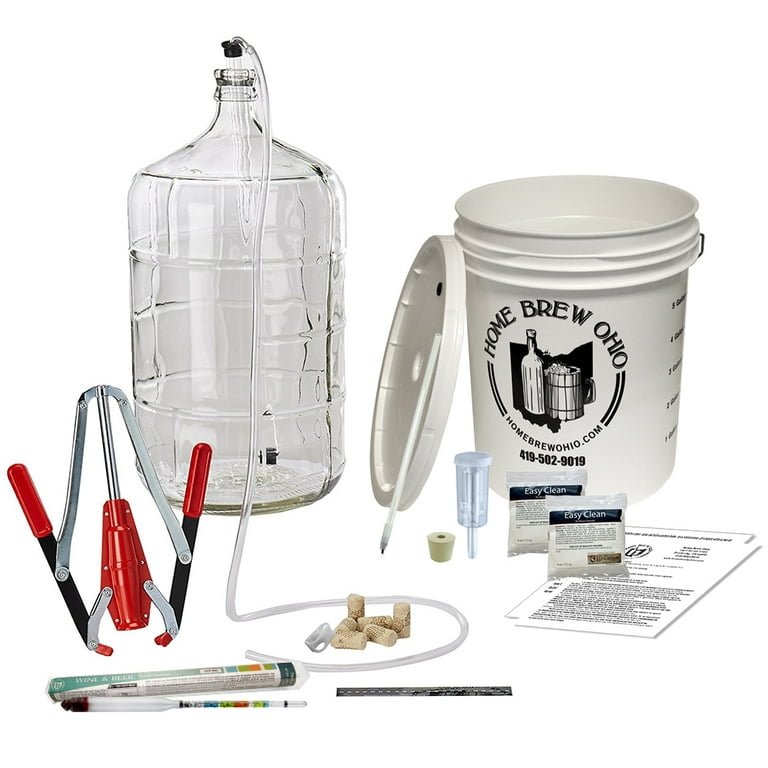
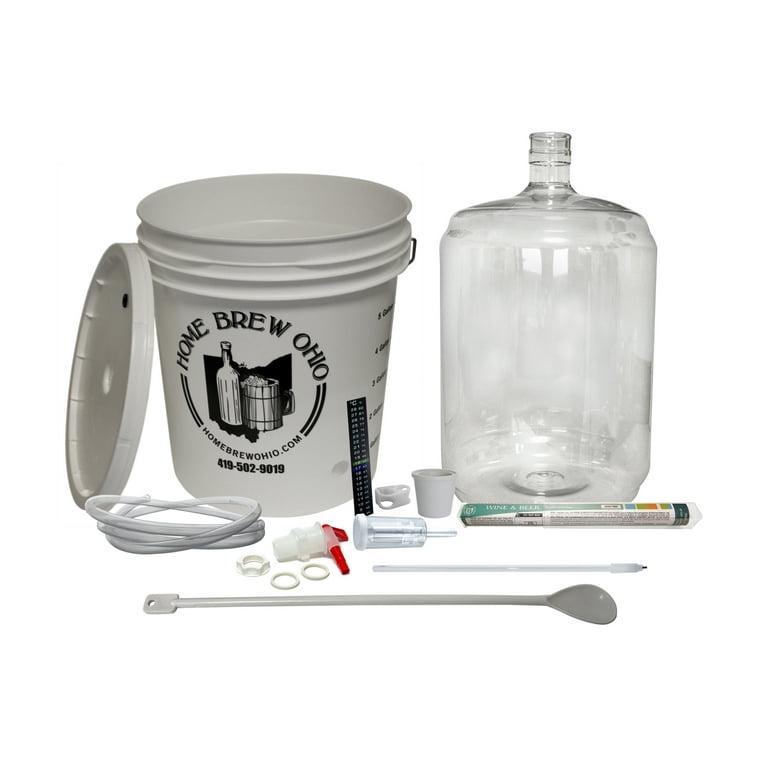
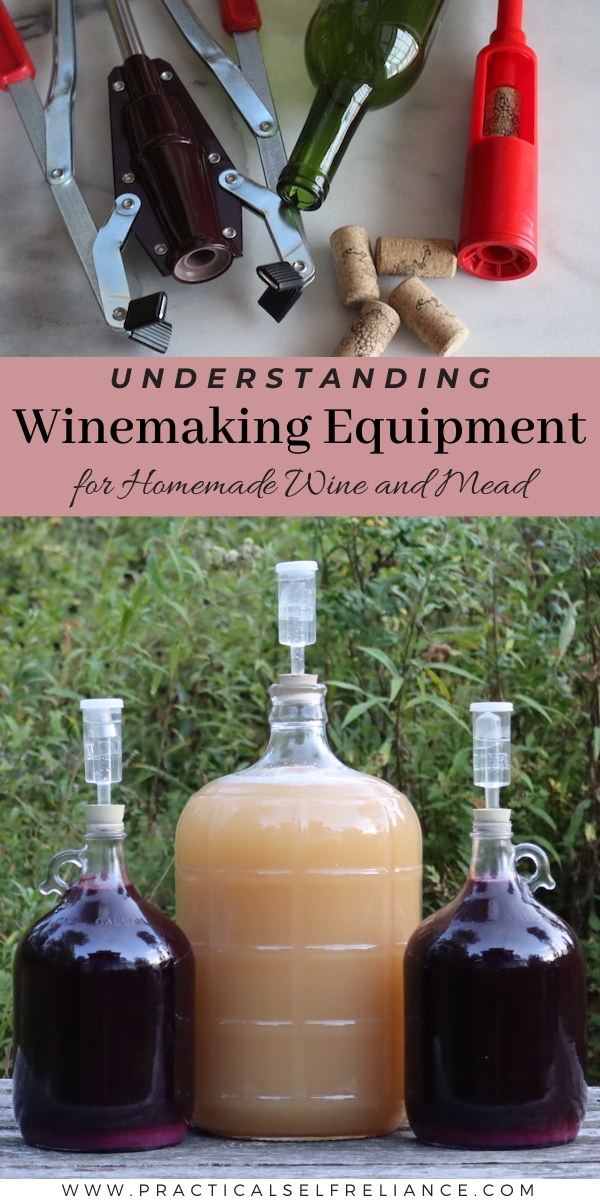
Choosing the right fermentation vessel affects how your wine develops. Common options include stainless steel tanks, glass carboys, and food-grade plastic fermenters. Stainless steel tanks are durable and easy to clean, perfect if you want consistent results and easy temperature control.
Glass carboys are great for small batches and allow you to see the fermentation process in action. Plastic fermenters are lightweight and budget-friendly but may scratch easily, which could harbor unwanted bacteria. Have you considered how the vessel’s material might influence the taste and clarity of your wine?
Many winemakers use vessels with airlocks to let gases escape without letting contaminants in. This simple tool can prevent spoilage and keep your wine safe. Remember, cleanliness is key—sanitize everything thoroughly before use.
Temperature Control Devices
Maintaining the right temperature during fermentation is crucial. Too hot, and you risk killing the yeast; too cold, and fermentation may stall. Devices like fermentation heaters, cooling jackets, and temperature-controlled rooms help you keep the perfect environment.
Fermentation heaters are handy in colder climates or seasons. They provide gentle warmth to keep yeast active. Cooling jackets or wraps work well if you face high temperatures, preventing off-flavors caused by overheating.
For serious winemakers, a temperature-controlled fermentation chamber offers precise control. You can experiment with different temperatures to develop unique flavor profiles. How closely do you monitor your fermentation temperature, and what changes have you noticed when adjusting it?
Racking And Bottling Gear
Racking and bottling are crucial stages in wine making that require the right tools to maintain the wine’s clarity and quality. Using proper gear ensures you move your wine carefully, avoiding contamination and oxidation. Having reliable equipment makes these tasks smoother and helps preserve the flavors you worked hard to develop.
Siphons And Pumps
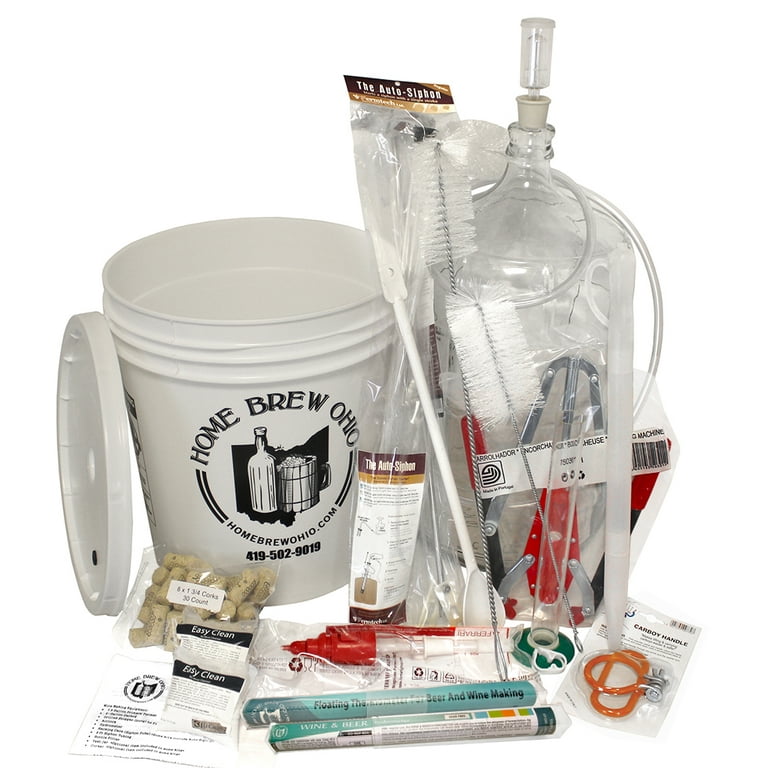
Siphons and pumps help transfer wine from one container to another without disturbing sediment. A simple siphon uses gravity and a tube, which is gentle on your wine and easy to clean. Pumps speed up the process but require careful handling to avoid introducing air.
Choosing the right siphon means looking for food-grade materials and a design that prevents clogging. I once used a basic siphon that introduced bubbles, affecting the taste. Upgrading to a racking cane with a sediment guard made a noticeable difference in clarity.
Consider whether you want manual or electric pumps. Manual ones give you more control but take more effort. Electric pumps save time, especially when dealing with large batches, but watch out for excessive agitation.
Bottling Machines And Corkers
Bottling machines help fill bottles quickly and consistently, which is essential if you want a professional finish. Handheld or tabletop fillers work well for small batches and allow precise control over fill levels. This prevents spillage and wasted wine.
Corkers seal your bottles tightly to preserve freshness. A good corker should insert corks straight and with enough pressure to avoid leaks. I’ve found that using a two-lever corker reduces cork breakage and speeds up bottling.
Think about how much wine you plan to bottle. For hobbyists, a simple hand corker and filler might be enough. But if you’re bottling dozens of bottles, investing in semi-automatic machines can save you time and reduce fatigue.
Testing And Monitoring Instruments
Testing and monitoring instruments are essential tools for anyone serious about winemaking. They help you keep track of your wine’s progress and ensure the final product tastes just right. Without these instruments, you’re essentially guessing, which can lead to disappointing results.
Hydrometers And Refractometers
Hydrometers measure the specific gravity of your wine must, which tells you how much sugar is present. This helps you track fermentation and estimate alcohol content. I remember using a hydrometer early on and realizing my wine was fermenting much slower than expected—without it, I would have never known.
Refractometers measure sugar levels using just a few drops of juice, making them quick and easy to use. However, keep in mind that refractometers can give skewed results once fermentation starts due to alcohol presence. Many winemakers use both tools for the most accurate readings throughout the process.
Ph And Sulfite Test Kits
Knowing your wine’s pH is crucial because it affects flavor, stability, and microbial growth. A pH test kit helps you adjust acidity to keep your wine balanced. I found that small tweaks based on pH readings made a huge difference in taste and shelf life.
Sulfite test kits allow you to measure the sulfur dioxide levels in your wine, which protect it from oxidation and spoilage. Too little sulfite means your wine might spoil quickly; too much can cause off-flavors. Testing regularly helps you maintain the perfect balance and avoid surprises after bottling.
Cleaning And Sanitizing Supplies
Cleaning and sanitizing supplies are crucial for safe and quality wine making. Dirt, residue, and microbes can spoil your wine and ruin your equipment. Keeping everything spotless protects the flavor and prevents contamination. Use the right products and techniques to clean and sanitize all tools and containers.
Effective Cleaning Agents
Choose cleaning agents that remove wine stains and residues well. Some popular options include:
- Powdered brewery cleaners
- Oxygen-based cleaners
- Non-scented dish soaps
- Citric acid for mineral deposits
Clean all surfaces thoroughly. Avoid harsh chemicals that leave harmful residues. Always rinse equipment with warm water after cleaning.
Sanitizing Techniques
Sanitizing kills harmful bacteria and yeast before use. Common methods include:
- Using no-rinse sanitizers like Star San
- Soaking equipment in a bleach solution (properly diluted)
- Heat sanitizing with boiling water
- Using iodine-based sanitizers
Apply sanitizer to all parts that contact wine. Let items air dry to keep them sterile. Proper sanitizing keeps wine fresh and safe.
Storage And Aging Containers
Choosing the right storage and aging containers is key to making quality wine. These containers affect the taste, aroma, and texture of your wine. Different materials bring different benefits to the aging process. Understanding these options helps you decide what fits your winemaking style best.
Oak Barrels
Oak barrels add rich flavors to wine, like vanilla and spice. They allow small air exchange, helping wine develop complexity. Barrels come in various sizes and oak types, such as French or American. Using oak barrels requires care to avoid leaks and contamination. They are ideal for wines needing long, slow aging.
Stainless Steel Tanks
Stainless steel tanks keep wine fresh and clean. They do not add flavors, preserving the grape’s natural taste. Tanks are easy to clean and control temperature in. They work well for white wines or wines that need crispness. These tanks are durable and good for large-scale production.
Glass Carboys
Glass carboys are popular for small-batch winemaking. They do not affect wine taste or smell. Carboys let you watch fermentation progress clearly. They come in various sizes and are simple to use. Glass is easy to clean but can break if not handled carefully.
Safety And Maintenance Tools
Handling wine-making equipment safely and maintaining it well can save you time, money, and frustration. The right safety tools protect you from hazards, while regular upkeep keeps your gear working smoothly and prevents contamination. Let’s look at how you can keep your wine-making process safe and your equipment in top shape.
Protective Gear
Protective gear is essential when you work with wine-making chemicals and heavy equipment. Always wear gloves to shield your hands from acids and sanitizers that can irritate your skin.
Eye protection is a must, especially during cleaning or transferring liquids where splashes can happen. Consider goggles or safety glasses that fit snugly to prevent any accidental contact.
Don’t forget to wear a mask if you’re dealing with powders or strong fumes. This simple step helps avoid respiratory issues and keeps you comfortable during long sessions.
Regular Equipment Upkeep
Keeping your wine-making tools clean and well-maintained avoids unwanted flavors and potential spoilage. Rinse your fermenters, hoses, and bottles thoroughly after each use to remove residue.
Check seals and gaskets regularly for cracks or wear—damaged parts can lead to leaks or contamination. Replace these parts promptly to maintain airtight conditions during fermentation.
Sanitize your equipment with approved solutions before every batch to stop bacteria from spoiling your wine. Have you noticed how even a small lapse in cleaning affects the taste? Consistency is key.
Credit: practicalselfreliance.com
Frequently Asked Questions
What Basic Equipment Is Needed For Wine Making?
Basic wine making equipment includes fermentation vessels, airlocks, hydrometers, siphons, and bottles. These tools ensure proper fermentation, monitoring, and storage of wine. Starting with quality equipment helps produce better wine at home or commercially.
How Do Fermentation Vessels Affect Wine Quality?
Fermentation vessels control temperature and exposure to oxygen. Stainless steel and glass are popular for cleanliness and durability. Proper vessels prevent contamination and support consistent fermentation, improving the wine’s flavor and aroma.
Why Is A Hydrometer Important In Wine Making?
A hydrometer measures sugar levels in the juice and tracks fermentation progress. It helps determine when fermentation is complete. Using a hydrometer ensures the wine achieves the desired alcohol content and sweetness.
What Role Do Airlocks Play In Wine Making?
Airlocks allow carbon dioxide to escape while preventing oxygen and contaminants from entering. This protects the wine during fermentation. Using airlocks helps maintain a clean environment and prevents spoilage.
Conclusion
Choosing the right wine-making equipment is crucial for quality wine. Each tool plays a role in the process. From fermentation tanks to corkers, every piece matters. Start with basic tools. Gradually expand your collection. This ensures better wine with practice.
Remember, patience is key in wine-making. Experimenting with different techniques can improve your skills. Enjoy the journey of creating your own wine. It’s not just about the end product. It’s also about the experience. This hobby can be both rewarding and fun.
Happy wine-making!
Ethan Cole is a kitchen innovation enthusiast and food technology writer at DiningGadgets.com. With over 8 years of experience reviewing cookware, smart kitchen tools, and design trends, he helps readers discover gadgets that make cooking easier and dining more enjoyable. When he’s not testing the latest kitchen appliances, Ethan enjoys experimenting with recipes and sharing practical tips for modern homes.