How to Tile a Kitchen Wall for Beginners: Easy Step-by-Step Guide
Are you ready to transform your kitchen without hiring a pro? Tiling a kitchen wall might sound tricky, but with the right steps, you can do it yourself and save money.
Imagine having a fresh, stylish backsplash that makes your kitchen look brand new. This guide will walk you through every step, making the process simple and stress-free. By the end, you’ll have the confidence to tackle your How to Tile a Kitchen Wall for Beginners and create a space you’ll love.
Keep reading, and let’s get started on your tiling project!

Credit: www.tilemountain.co.uk
Choosing The Right Tiles
Choosing the right tiles is a key step in tiling a kitchen wall. Tiles set the tone for the whole space. They affect style, durability, and ease of cleaning. Picking tiles that match your kitchen’s look and function is important. Consider your kitchen’s size, lighting, and color scheme before deciding.
Types Of Tiles
Several tile materials work well for kitchen walls. Ceramic tiles are popular. They are affordable and easy to clean. Porcelain tiles are denser and more durable. Glass tiles add shine and reflect light, making kitchens look bigger. Natural stone tiles like marble or slate offer a unique, earthy feel but need more care.
Tile Size And Shape
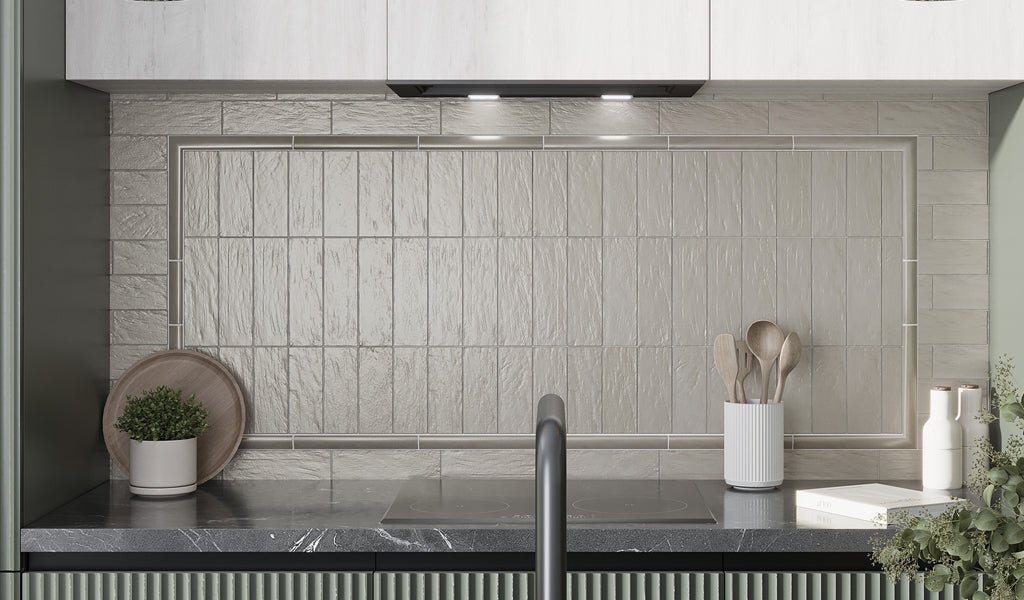
Tile size affects the room’s feel. Large tiles create a modern, clean look and make small kitchens appear bigger. Small tiles add texture and detail but require more grout lines. Common shapes include square, rectangular, and subway tiles. Subway tiles are classic and versatile. Hexagonal and mosaic tiles add a creative touch.
Color And Pattern Options
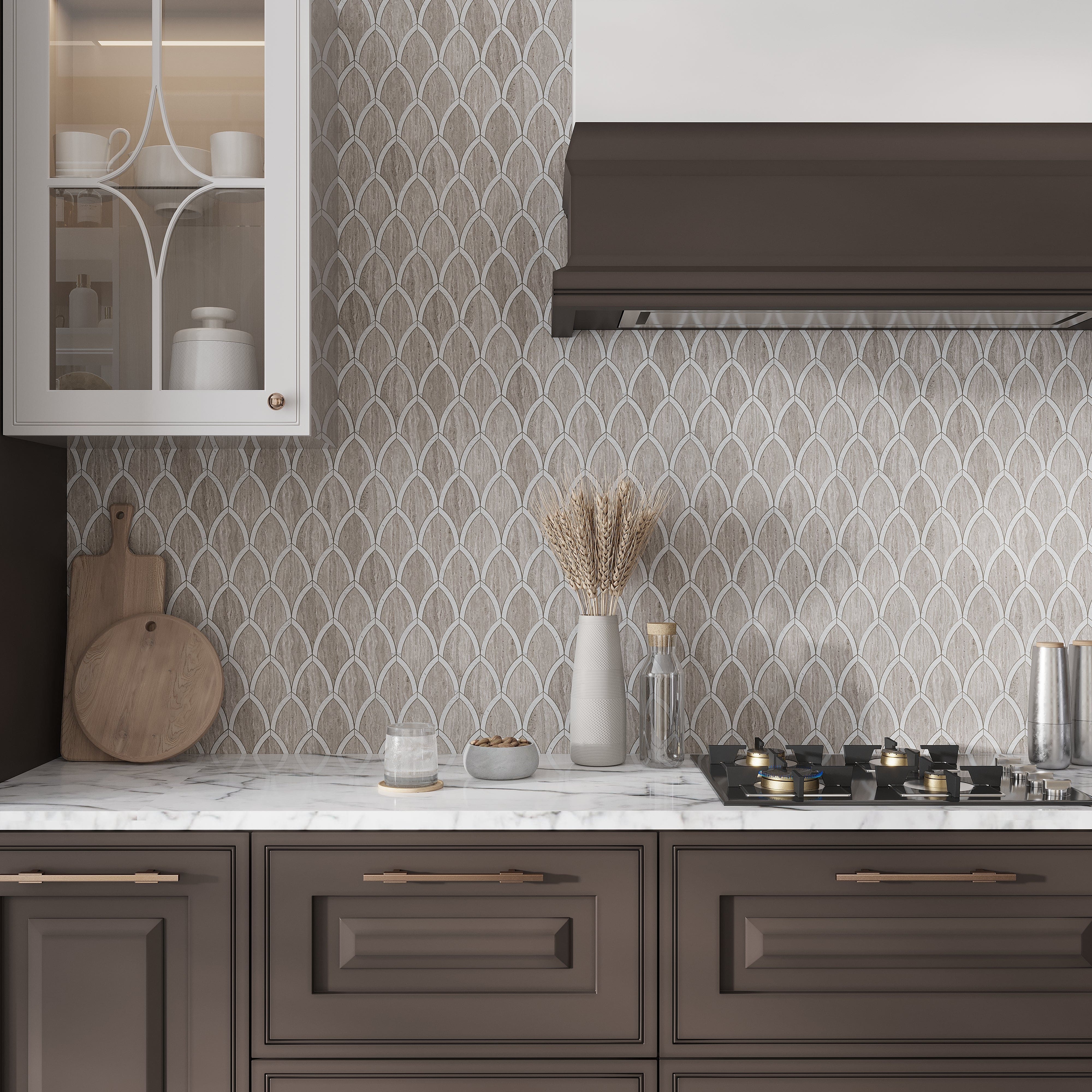
Color sets the kitchen’s mood. Light colors brighten and open up space. Dark colors add warmth and depth but can make the room feel smaller. Patterns create interest and style. Simple solid colors suit minimalistic kitchens. Bold patterns or mixed colors add personality. Think about matching or contrasting grout colors for extra effect.

Credit: www.tilemountain.co.uk
Gathering Tools And Materials
Before starting to tile a kitchen wall, gather all necessary tools and materials. This step ensures a smooth and efficient process. Having everything ready helps avoid interruptions and mistakes. Proper preparation sets the foundation for a successful tiling project.
Essential Tools
- Tile cutter or wet saw for precise cuts
- Notched trowel to spread adhesive evenly
- Tile spacers to keep consistent gaps
- Level to ensure tiles are straight
- Measuring tape for accurate measurements
- Rubber mallet to gently tap tiles in place
- Sponge and bucket for cleaning excess grout
- Pencil for marking tiles and wall
Adhesives And Grout
- Tile adhesive or thin-set mortar for sticking tiles
- Grout to fill gaps between tiles
- Sealer to protect grout from stains
Choose adhesive and grout that match your tile type and kitchen environment. Some adhesives are better for moisture resistance. Grout colors can affect the final look, so pick carefully.
Safety Gear
- Safety goggles to protect your eyes from debris
- Gloves to shield your hands from sharp edges
- Dust mask to avoid inhaling dust particles
- Knee pads for comfort while working low
Safety gear keeps you protected and comfortable during the tiling process. Never skip this step to prevent injuries.
Preparing The Wall Surface
Preparing the wall surface is essential before tiling a kitchen wall. It ensures the tiles stick well and look great. A smooth, clean, and stable surface prevents future problems like peeling or cracks. Take time to prepare carefully for the best results.
Cleaning And Repairing
Start by cleaning the wall thoroughly. Remove grease, dust, and old paint flakes. Use a mild detergent and water with a sponge. Let the wall dry completely.
Check for holes, cracks, or uneven spots. Fill small holes with spackling paste. Sand the surface smooth once it dries. For large cracks, use a patching compound. Make sure the wall is flat and firm.
Measuring And Marking
Measure the wall width and height with a tape measure. Plan your tile layout to avoid small cuts at edges. Mark a horizontal guideline using a level. This helps keep the tiles straight.
Mark vertical lines to divide the wall into sections. Use a pencil for light, erasable marks. Double-check your measurements before starting to tile.
Applying Primer
Apply a primer suitable for kitchen walls and tiles. Primer improves tile adhesion and seals the surface. Use a paintbrush or roller for even coverage.
Let the primer dry as per the product instructions. Avoid tiling on a wet surface to prevent slipping. A well-primed wall boosts tile durability and appearance.
Credit: apollotile.com
Planning The Tile Layout
Planning the tile layout is key to a neat and balanced kitchen wall. It helps avoid uneven cuts and awkward tile placements. Taking time to plan saves effort during installation and gives a professional look.
Finding The Center Point
Start by measuring the width of the wall. Divide this number by two to find the center point. Mark this point lightly with a pencil. This center will guide your tile placement and keep the design symmetrical. Use a level to draw a vertical line through the center mark. This line acts as a reference for the first row of tiles.
Dry Laying Tiles
Place tiles on the wall without adhesive first. Begin at the center line and work outwards. This shows how tiles fit and where cuts are needed. Check for any uneven gaps or awkward tile positions. Adjust the tiles as needed for a balanced look. This step helps avoid surprises during gluing.
Adjusting For Cuts
Tiles at the edges often need cutting to fit properly. Measure the space between the last full tile and the wall edge. Mark the tile where it needs to be cut. Use a tile cutter for straight, clean cuts. Leave a small gap for grout. Plan cuts carefully to keep tile pieces large and neat.
Applying Adhesive And Setting Tiles
Applying adhesive and setting tiles are key steps in tiling a kitchen wall. Proper adhesive use ensures tiles stick well and last long. Careful tile placement creates a neat, professional look. Take time with each part for the best results.
Mixing Adhesive
Use a clean bucket for mixing adhesive. Follow the instructions on the adhesive package. Add water little by little while stirring. Mix until you get a smooth, thick paste. Avoid lumps to help tiles stick better.
Spreading Adhesive Evenly
Use a notched trowel to spread adhesive on the wall. Hold the trowel at a 45-degree angle. Spread the adhesive in small sections only. This prevents it from drying before tiling. Make straight grooves for better tile grip.
Placing Tiles Correctly
Press each tile firmly into the adhesive. Start from the bottom and work upward. Use tile spacers to keep gaps even. Check tiles are level and aligned as you go. Wipe off extra adhesive before it dries.
Cutting Tiles For Edges And Corners
Cutting tiles for edges and corners is a crucial part of tiling your kitchen wall. These cuts ensure your tiles fit perfectly around outlets, cabinets, and wall edges, giving your project a polished look. Taking the time to measure and cut accurately can save you from costly mistakes and frustration.
Measuring Cuts
Start by measuring the space where the tile will go. Use a pencil to mark the tile clearly with the exact cut line. Double-check your measurements—once a tile is cut, you can’t undo it.
Try holding the tile in place and marking the wall too, especially for tricky corners. This method helps you avoid guesswork and ensures a snug fit. Ask yourself: Have you accounted for grout space in your measurements?
Using Tile Cutters
There are various tools to cut tiles, but a manual tile cutter is perfect for beginners. It scores the tile and snaps it cleanly along the line. For curved or irregular cuts, use a tile nipper or a wet saw for precision.
Practice on spare tiles before cutting your actual pieces. This helps you get comfortable with the tool and avoids wasting tiles. Have you explored different tools to see which one feels easiest for you?
Safety Tips For Cutting
Always wear safety goggles to protect your eyes from sharp tile shards. Gloves will shield your hands from cuts and provide a better grip. Work on a stable surface to avoid slips during cutting.
Keep your workspace clean and free of debris to prevent accidents. Never rush your cuts—taking your time keeps you safe and your tiles intact. How do you prepare your workspace to stay safe and efficient?
Grouting The Tiles
Grouting the tiles is a key step in finishing your kitchen wall. It seals the spaces between tiles and protects against moisture. Proper grouting also gives your wall a smooth, polished look. Taking time to do it right ensures long-lasting results and a neat appearance.
Choosing The Right Grout
Select grout based on tile type and wall use. Cement-based grout is common and easy to use. Epoxy grout is waterproof and durable but harder to apply. Consider grout color carefully. Light grout makes small spaces look bigger. Dark grout hides stains better. Match grout color with your tile for a balanced look.
Applying Grout
Mix grout to a creamy, smooth consistency. Use a rubber float to spread grout over tiles. Hold the float at a 45-degree angle. Press grout firmly into gaps between tiles. Work in small sections to avoid drying too fast. Remove excess grout from tile surfaces as you go. Allow grout to set for 10 to 15 minutes before cleaning.
Cleaning Excess Grout
Use a damp sponge to wipe off grout residue gently. Rinse the sponge often to keep it clean. Avoid removing grout from the joints while cleaning. After the grout dries, polish tiles with a dry cloth. This removes any haze left on tile surfaces. Let grout cure fully before using the wall area. This usually takes 24 to 48 hours.
Sealing And Finishing Touches
Sealing and finishing touches are what protect your hard work and keep your kitchen wall looking fresh for years. These final steps not only enhance the appearance but also prevent damage from moisture and stains. Paying attention here can save you time and effort on repairs later.
Sealing Grout Lines
Grout is porous and can absorb spills and dirt easily. Applying a grout sealer creates a waterproof barrier that keeps moisture and stains out. Use a small brush or applicator bottle to spread the sealer evenly along the grout lines.
Allow the sealer to dry completely—usually for at least 24 hours—before touching or cleaning the tiles. This step is crucial if your kitchen wall is near the sink or stove where splashes happen often. Have you checked if your grout feels rough or chalky? That’s a sign it’s time to reseal.
Cleaning Tiles
After sealing, clean the tiles gently to remove any haze left by the grout or sealer. Use a soft cloth with warm water and a mild detergent. Avoid harsh chemicals or abrasive scrubbers that could dull or scratch your tiles.
Regularly wipe down your tiled wall to prevent grease buildup, especially if you cook frequently. A microfiber cloth works great to catch dust and keep tiles shiny without effort. What cleaning routine could you fit into your kitchen day to keep the tiles bright?
Maintaining Your Tiled Wall
Ongoing care is simple but key to a lasting tiled wall. Watch for cracks or chips in grout and tiles, and repair them quickly to stop water from seeping behind the wall. Small damage can lead to bigger problems if ignored.
Consider sealing your grout lines once a year to maintain protection. Also, keep your kitchen well-ventilated to reduce humidity that can encourage mold growth. How often do you inspect your tiled surfaces to catch issues early?
Frequently Asked Questions
How Do I Prepare A Kitchen Wall For Tiling?
Clean the wall thoroughly and remove any grease or old wallpaper. Smooth the surface with sandpaper and fix any holes or cracks. Use a primer to ensure tiles stick well and prevent moisture damage.
What Tools Are Needed For Tiling A Kitchen Wall?
You’ll need a tile cutter, notched trowel, tile spacers, level, sponge, grout float, and adhesive. Having these tools handy makes the tiling process efficient and professional-looking.
How Do I Choose The Right Tiles For A Kitchen Wall?
Pick tiles that resist moisture, stains, and heat. Ceramic and porcelain tiles are popular choices. Consider size, color, and style that match your kitchen decor for a cohesive look.
How Long Does It Take To Tile A Kitchen Wall?
Tiling a kitchen wall usually takes 1-3 days, depending on wall size and experience. Allow time for drying adhesive and grout between steps for best results.
Conclusion
Tiling a kitchen wall is a rewarding project. Start with a solid plan. Gather your tools and materials before beginning. Measure carefully to avoid mistakes. Cut tiles with precision for a clean look. Use spacers for even gaps between tiles.
Apply grout evenly and clean off excess immediately. Let everything dry completely. With patience, your kitchen can look fantastic. You’ll gain confidence with each step. Enjoy the transformation and the skills you’ve learned. Happy tiling!