How to Open Up Kitchen With Load Bearing Wall: Expert Guide
Are you dreaming of a bright, open kitchen where you can cook, eat, and connect with family and friends? If your kitchen feels cramped because of a load-bearing wall, you might think it’s impossible to open up the space.
But here’s the good news: you can transform your kitchen without compromising your home’s structure. You’ll discover clear, step-by-step advice on how to safely remove or modify that stubborn wall. By the end, you’ll feel confident about making your kitchen more spacious and inviting.
Ready to unlock your kitchen’s true potential? Let’s dive in.
Credit: pelicancr.com
Assessing The Load Bearing Wall
Before you start tearing down walls to open up your kitchen, it’s crucial to understand the role of the wall you’re dealing with. Load bearing walls carry the weight of your home’s structure, so removing or altering them without proper assessment can cause serious damage. Taking the time to properly assess these walls ensures your renovation is safe and successful.
Identifying Load Bearing Walls
Not every wall in your home supports weight from above, but distinguishing which ones do is tricky. Load bearing walls usually run perpendicular to the floor joists above. You can check this by looking at your basement or attic to see how the beams and joists are arranged.
Other clues include walls that align with beams or walls on floors above or below. Interior walls near the center of the house are often load bearing, but this isn’t always true. If you find a wall with pipes, wiring, or ductwork running through it, it might still be load bearing, so don’t assume otherwise.
Consulting A Structural Engineer
Even if you think you’ve identified a load bearing wall, you need expert confirmation. A structural engineer can evaluate your home’s structure and tell you exactly what’s safe to remove or modify. They can also design the right support system, like beams or columns, to replace the wall’s load.
Working with a professional may seem like an extra step, but it protects your investment and your safety. I once skipped this step on a small project and ended up with cracked ceilings that cost thousands to fix. Would you want to take that risk with your kitchen renovation?

Credit: www.youtube.com
Planning The Kitchen Layout
Planning the kitchen layout is a crucial step when opening up your kitchen by removing a load-bearing wall. Your goal is to create a space that feels larger and more inviting while keeping it functional and safe. Thoughtful planning ensures you maintain structural integrity without sacrificing your dream kitchen design.
Maximizing Space And Flow
Start by analyzing how you use your kitchen daily. Where do you spend the most time? Where do you move the most? Use this insight to position key areas like the sink, stove, and refrigerator in a way that reduces unnecessary steps.
Think about natural pathways. Opening a load-bearing wall can create a smoother flow between your kitchen and adjacent rooms. This makes cooking and entertaining easier and more enjoyable.
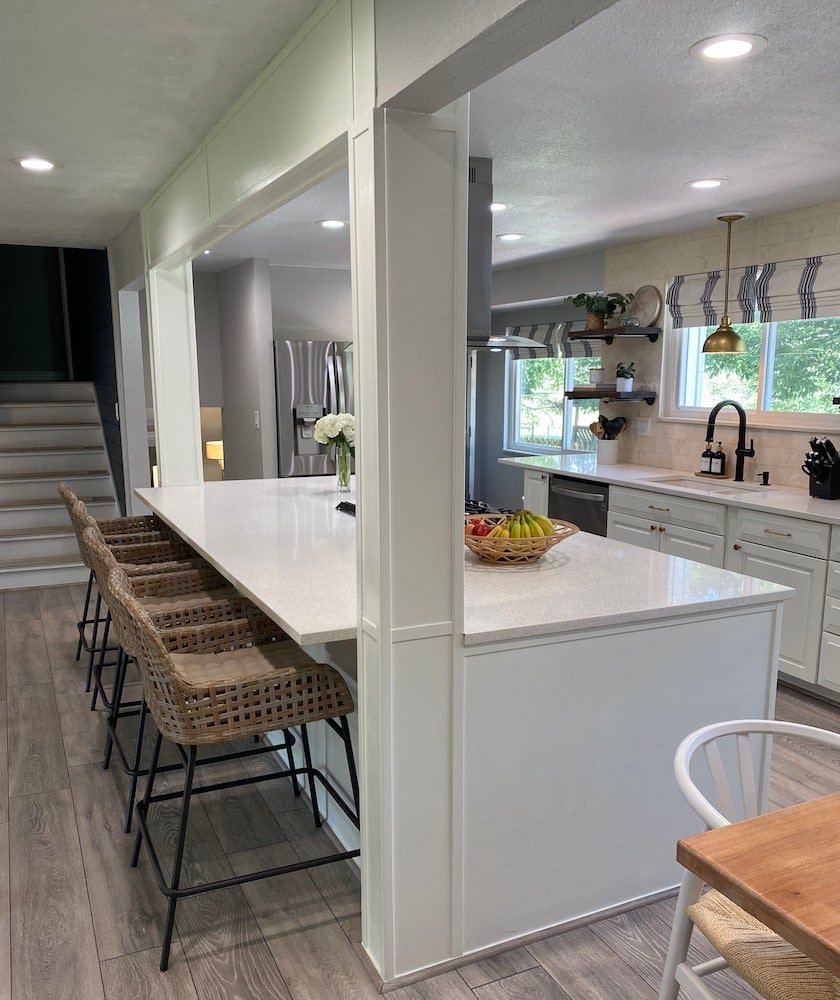
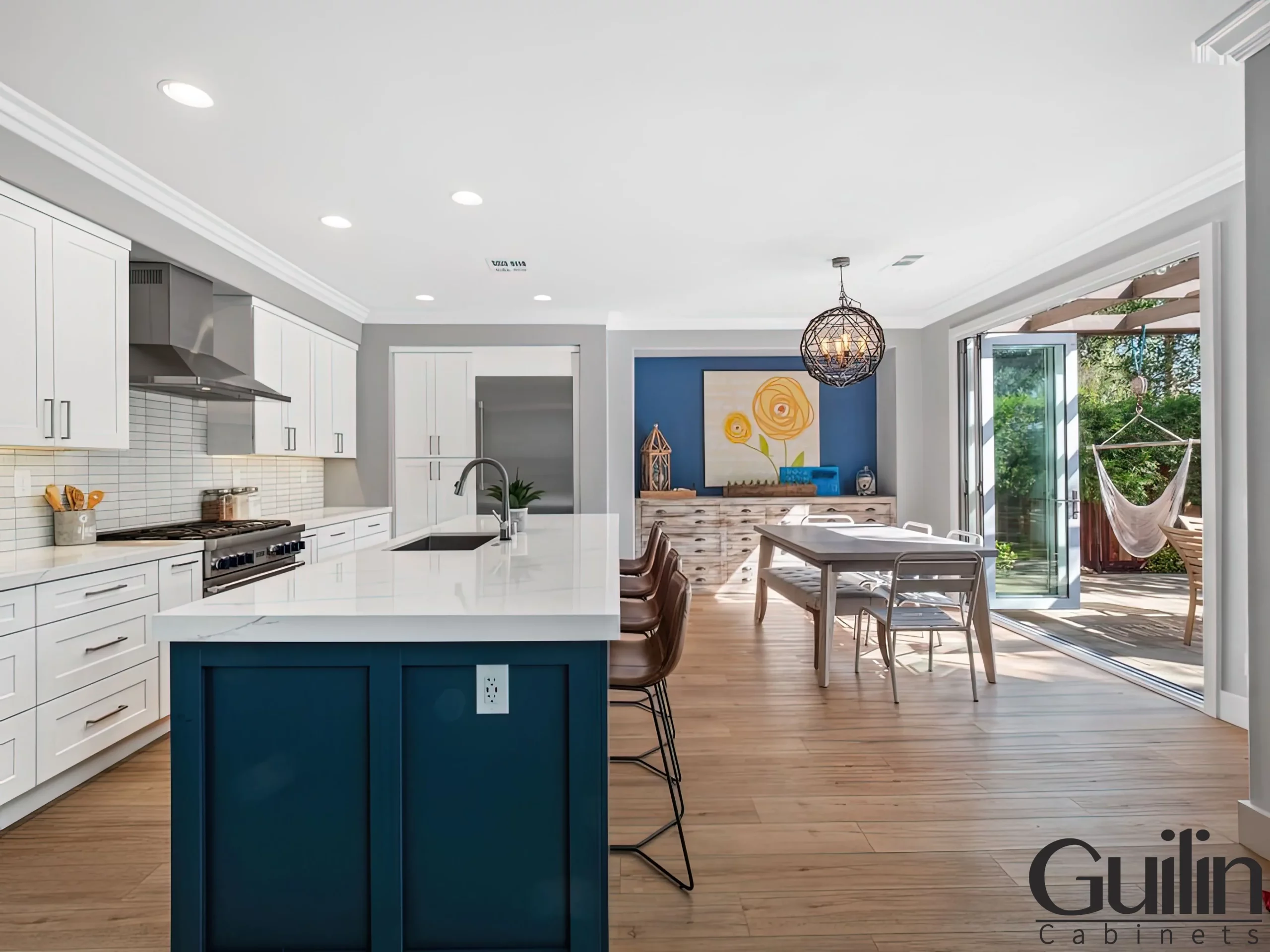
Consider adding an island or a breakfast bar to enhance both workspace and social interaction. These features can act as natural dividers without closing off the open feel.
Choosing Open Concept Designs
Open concept kitchens are popular because they create a bright, airy space where everyone can gather. But not every open design suits every home. Evaluate your home’s style and your lifestyle before choosing a layout.
Do you prefer casual family meals or formal dining? This will influence whether you opt for a fully open kitchen or one with partial separation like a half wall or a large pass-through window.
Remember, removing a load-bearing wall requires installing a strong beam to hold up your home. Work closely with your contractor and structural engineer to pick a design that balances openness with safety.
Obtaining Necessary Permits
Opening up a kitchen by removing a load bearing wall requires careful planning. One key step is obtaining the necessary permits. Permits ensure your project meets safety rules and building codes. Without them, you risk fines or unsafe structures. Start early to avoid delays and legal troubles. Understanding the permit process helps keep your renovation smooth and safe.
Local Building Codes
Local building codes set the rules for construction projects. They protect your home’s structure and safety. Codes vary by city and state. Check with your local building department for specific rules. These codes often cover:
- Structural requirements for load bearing walls
- Electrical and plumbing changes
- Fire safety standards
- Energy efficiency rules
Following these codes is mandatory. Your renovation plan must match these guidelines. Inspectors will review your plans to ensure compliance.
Permit Application Process
Start the permit process by submitting detailed plans. These plans should show the wall removal and new support structures. Include measurements and materials used. A licensed engineer or architect may need to approve the design.
After submitting, the building department reviews your application. They check safety and code compliance. This review can take days or weeks. Be ready to answer questions or provide more details.
Once approved, you receive the permit. Display it at the job site during construction. Schedule inspections at key stages to pass building checks. Keep records of permits and inspections for future reference.
Selecting Structural Support Options
Selecting the right structural support is key to safely opening up a kitchen with a load-bearing wall. The chosen support must hold the weight that the wall once carried. This ensures the home’s structure stays strong and secure.
There are different options for structural supports. Each option fits different budgets, styles, and needs. Knowing the basics helps to pick the best choice for the kitchen renovation.
Installing Beams And Headers
Beams and headers replace the load-bearing wall’s support. They carry the weight above and transfer it to the sides. This keeps the ceiling and upper floors stable.
Wood beams are common and easy to install. They fit well in most homes and offer a classic look. Headers sit above doors or openings and support the load locally.
- Measure the span carefully to size the beam correctly.
- Use posts or columns to support the beam ends.
- Check local codes for beam sizing and placement.
Proper installation is vital. Improper beams can cause sagging or damage. Consult a professional for design and fitting advice.
Using Steel Or Engineered Wood
Steel beams handle heavy loads with less bulk. They are thinner than wood beams but very strong. Steel works well in modern kitchens or tight spaces.
Engineered wood, like laminated veneer lumber (LVL), offers strength and stability. It resists warping and holds weight better than regular wood.
- Steel beams require welding or bolting for installation.
- Engineered wood beams can be cut and nailed like regular wood.
- Both options often need professional installation.
Choosing between steel and engineered wood depends on budget, style, and structural needs. Both offer reliable support for opening kitchens.
Preparing For Demolition
Preparing for demolition is a crucial stage when opening up a kitchen that involves removing a load-bearing wall. Proper preparation not only ensures safety but also helps protect your home from unnecessary damage. Taking the time to plan and prepare can save you headaches and extra costs down the line.
Safety Precautions
Before you start any demolition, make sure you understand the risks involved. Load-bearing walls support the structure above, so removing them without proper support can cause serious damage or injury.
Always wear protective gear such as safety goggles, gloves, and a dust mask. These will shield you from dust, debris, and potential sharp objects.
Consider consulting a structural engineer to assess the wall and recommend temporary supports like beams or posts. This step is essential to prevent your ceiling or upper floors from collapsing during the project.
Protecting Surrounding Areas
Demolition creates a lot of dust and debris that can spread throughout your home. Protect floors, countertops, and furniture by covering them with plastic sheets or drop cloths.
Seal off doorways and vents with plastic barriers to contain dust and prevent it from reaching other rooms. This simple step keeps your living spaces cleaner and reduces cleanup time.
Remove or relocate fragile items and valuables from the kitchen and adjacent rooms. This helps avoid accidental damage during the demolition process and keeps your belongings safe.
Executing Wall Removal
Removing a load-bearing wall in your kitchen requires careful planning and precise execution. This process ensures your home remains safe and stable while opening up the space. Each task must be done correctly to prevent damage or accidents. Focus on preparing the area and supporting the structure before removing the wall itself.
Temporary Support Installation
Begin by installing temporary supports to hold the ceiling and upper floors. Use sturdy adjustable jacks or strong beams for this job. Place the supports on both sides of the wall that you will remove. Make sure they are stable and secure to carry the weight safely.
Double-check the alignment and strength of the supports. These will prevent the ceiling from sagging or collapsing. Never skip this step to avoid structural damage.
Step-by-step Demolition
Start by turning off all utilities like electricity and water near the wall. Remove any drywall or plaster carefully, exposing the wall’s frame. Take out nails and screws to free up the studs and plates.
Cut the studs with a saw, working from top to bottom. Remove the pieces slowly to avoid sudden shifts. Dispose of debris in a safe, organized way to keep the work area clear.
Once all parts of the wall are removed, inspect the space for any damage. Clean the area and prepare it for the new beam or support system that will replace the wall.
Installing New Supports
Installing new supports is a crucial part of opening up a kitchen with a load-bearing wall. This step ensures your space stays safe and stable while achieving that open, airy feel. Without proper support, removing a load-bearing wall can lead to serious structural issues.
Beam Placement And Securing
Choosing the right location for your new beam is essential. The beam must carry the weight previously supported by the wall, so it needs to be positioned exactly where the load transfers occur.
Typically, the beam runs horizontally across the open space, supported at each end by posts or columns resting on a solid foundation. You may need to add footings or reinforce the floor to handle the new load.
Securing the beam involves fastening it properly to the supporting posts and adjacent framing. Use heavy-duty brackets, bolts, and sometimes steel plates to make sure everything stays in place under pressure.
Inspections And Adjustments
After installing the beam and supports, inspections are a must. These checks confirm that the new structure meets safety standards and building codes.
Be ready to make adjustments if inspectors point out any concerns. Sometimes, you might need to add extra bracing or reinforce connections to pass the inspection.
Have you thought about how you’ll handle potential issues during inspection? Planning ahead can save you time and money later.
Finishing Touches
After removing a load-bearing wall to open your kitchen, finishing touches matter a lot. These final steps create a seamless look and make your space inviting. Focus on smooth surfaces and consistent colors to blend the new area with the rest of your home.
Drywall And Painting
Patch all exposed areas with drywall to cover framing and wires. Use joint compound to smooth seams and sand them for a clean finish. Choose paint that matches your kitchen’s existing color or pick a new shade that brightens the space.
Apply primer first to help paint stick well and last longer. Use a roller for large areas and a brush for edges and corners. Two coats of paint give the best coverage and a fresh, uniform look.
Flooring And Trim Work
Install flooring that matches or complements your kitchen floor. Tile, hardwood, or laminate can work well depending on your style and budget. Make sure the floor is level and clean before laying new materials.
Add trim or baseboards along the walls to hide gaps and protect edges. Paint or stain trim to coordinate with your kitchen cabinets and walls. These small details complete the renovation and give a polished, professional feel.
Common Challenges And Solutions
Opening up a kitchen by removing or altering a load-bearing wall comes with unique challenges. These obstacles can affect your timeline, budget, and even the safety of your home. Knowing common issues beforehand helps you prepare solutions that keep your project smooth and successful.
Dealing With Unexpected Issues
Load-bearing walls hide surprises like outdated wiring, plumbing, or weak structural components. Discovering these after demolition starts can halt progress and increase costs.
One homeowner found hidden asbestos insulation behind the wall, forcing a pause for professional removal. This delayed their project by weeks and added thousands to the budget.
To avoid such shocks, schedule a thorough inspection before you begin. Ask your contractor to check behind walls and under floors for hazards or hidden systems.
Also, keep a flexible mindset. Unexpected problems might pop up, but staying calm and ready to adapt saves stress and keeps your renovation on track.
Staying On Budget And Schedule
Load-bearing wall projects often run over budget and time due to their complexity. You may face costs for steel beams, permits, and skilled labor that add up quickly.
Set a clear budget with a contingency fund of at least 15-20% for surprises. This cushion can cover extra materials or unexpected labor without derailing your finances.
Communicate regularly with your contractor about progress and any delays. Ask for weekly updates and immediate alerts if issues arise.
Keeping a detailed project timeline helps you spot potential schedule slips early. If your contractor falls behind, you can discuss solutions before small delays become major setbacks.
Are you ready to handle the twists and turns of opening up your kitchen? Planning for these challenges makes your dream space possible without unwanted headaches.

Credit: food52.com
Frequently Asked Questions
How Do I Identify A Load Bearing Wall In My Kitchen?
A load bearing wall supports the weight of your home’s structure. Look for walls perpendicular to floor joists or thicker walls. Consult a professional to confirm before any demolition to avoid structural damage and ensure safety.
Can I Remove A Load Bearing Wall To Open My Kitchen?
Yes, but only with proper support like beams or columns. Removing a load bearing wall requires expert planning and permits. Hiring a structural engineer ensures your kitchen opens safely without compromising your home’s stability.
What Materials Are Used To Replace A Load Bearing Wall?
Steel beams or laminated veneer lumber (LVL) are common replacements. These materials provide strong support while opening the space. The choice depends on your home’s design and load requirements, guided by a structural professional.
How Much Does It Cost To Open A Kitchen With A Load Bearing Wall?
Costs vary widely based on wall size and materials. Expect expenses for engineering, permits, labor, and beam installation. On average, it can range from $3,000 to $10,000 or more, depending on complexity and location.
Conclusion
Opening up a kitchen with a load-bearing wall is possible. Careful planning is key. Consult with a structural engineer for safety. They assess the wall’s role in your home. Choose the right materials for support. Steel beams or posts might be needed.
Always follow building codes and permits. These steps ensure a successful remodel. Your kitchen will feel more spacious. A well-executed plan increases home value. Enjoy your new, open kitchen space. Cooking and entertaining become a pleasure. Remember to work with professionals.
Safety and quality should never be compromised. Your dream kitchen awaits.