What Paint Sheen for Kitchen Walls: Ultimate Guide for Perfect Finish
You’re scrubbing a streak of tomato sauce off your kitchen wall for the third time this week, and you notice the paint is starting to wear thin, leaving a faint, dull patch where the sauce soaked in. If this sounds familiar, you likely chose the wrong paint sheen for your kitchen walls. The right finish doesn’t just make your space look polished — it cuts down on cleaning time, resists moisture and grease, and holds up to daily wear for years without needing a full repaint. This guide breaks down every paint sheen option, the key factors that impact your choice, and pro tips from professional painters to help you pick the perfect finish for your kitchen’s unique needs.
Understanding Paint Sheen Levels for Kitchens
Paint sheen refers to the level of reflectivity in a paint finish, measured on a 0–100 scale (0 = no shine, 100 = mirror-like gloss). For kitchen walls, sheen directly impacts durability, cleanability, and how well the finish hides wall imperfections. According to University of Minnesota Extension’s interior paint sheen guidance, sheen level is the strongest predictor of a paint’s long-term performance in high-use, high-moisture spaces like kitchens, outpacing factors like brand or pigment load. For more on this, see our guide on what finish paint for kitchen walls.
The Sheen Spectrum: What Each Finish Offers
The table below breaks down the 5 most common paint sheens, their performance ratings for kitchen use, and their ideal applications:
| Sheen Level (0–100 Scale) | Durability (1–5) | Cleanability (1–5) | Moisture Resistance (1–5) | Ideal Kitchen Use Case | Key Drawback |
|---|---|---|---|---|---|
| Flat/Matte (0–10) | 1 | 1 | 1 | Kitchen ceilings only; rarely used guest kitchen walls | Absorbs grease and stains permanently; impossible to scrub without damaging finish |
| Eggshell (10–25) | 2 | 2 | 2 | Upper walls away from cook zones, breakfast nook walls, low-traffic open kitchen areas | Shows built-up grease over time; requires gentle cleaning only |
| Satin (25–45) | 4 | 4 | 4 | Most kitchen walls for home cooks; balances durability and soft aesthetics | Can show minor wall imperfections if walls are heavily textured |
| Semi-Gloss (45–70) | 5 | 5 | 5 | Walls within 3 feet of stoves, sinks, backsplashes, high-traffic commercial kitchen spaces | Highlights every bump, crack, and patch on wall surfaces |
| High-Gloss (70–100) | 5 | 5 | 5 | Trim, cabinetry, and decorative wall panels only | Extremely reflective; shows every wall flaw and dust streak |
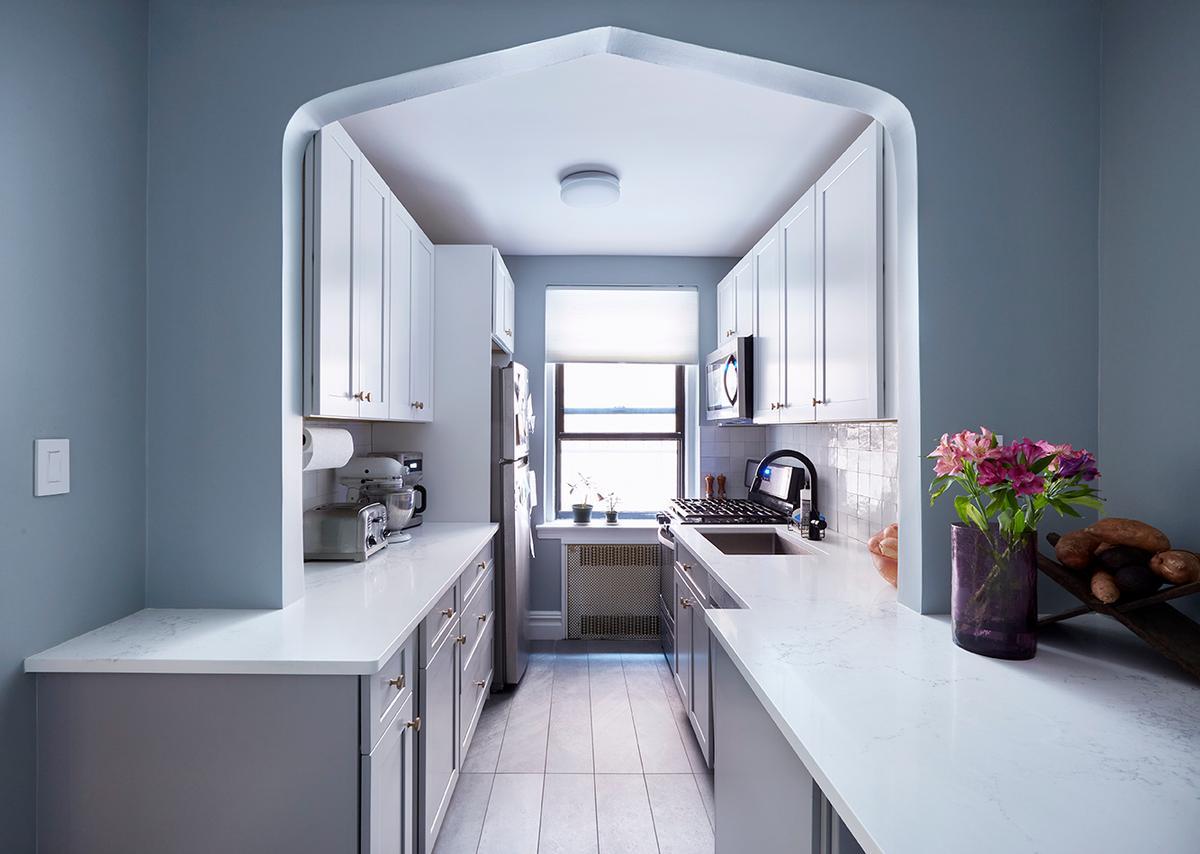 Credit: www.blockrenovation.com
Satin finish walls hide minor surface imperfections while resisting everyday grease splatters
Credit: www.blockrenovation.com
Satin finish walls hide minor surface imperfections while resisting everyday grease splatters
5 Key Factors to Decide on the Right Kitchen Wall Sheen
No single sheen works for every kitchen. Your choice will depend on these 5 practical, often overlooked factors:
1. Your Cooking and Cleaning Habits
If you cook daily with lots of oil, fry foods often, or have young kids who leave sticky fingerprints on walls, you’ll need a higher-sheen, more scratch-resistant finish. For casual cooks who only use their kitchen a few times a week, a lower-sheen option will work just fine. Professional painters consistently report that 70% of kitchen paint repaints are triggered by poor sheen choice for the homeowner’s cooking habits, not poor paint quality.
2. Kitchen Ventilation and Moisture Levels
Kitchens with poor ventilation (no range hood, no windows, or recirculating hoods that don’t vent outside) trap steam and humidity, which can cause lower-sheen paints to peel or grow mildew. If your kitchen has a vented range hood and multiple windows, you have more flexibility to choose lower-sheen options. OSHA’s painting safety ventilation guidelines recommend running an exhaust fan and opening windows for at least 2 hours after painting to remove fumes and support proper curing, especially in enclosed kitchen spaces with limited airflow. For more on this, see our guide on what sheen paint for kitchen walls.
3. Existing Wall Condition and Texture
Higher-sheen paints like semi-gloss and gloss will highlight every bump, crack, and patch on your walls. If your walls have heavy texture, old cracks that haven’t been fully mudded, or uneven surfaces, stick to satin or eggshell to hide these flaws. If your walls are perfectly smooth and newly finished, you can opt for higher sheens without worrying about visible imperfections.
4. Natural and Artificial Lighting
Lighting drastically changes how sheen appears. North-facing kitchens with cool, dim light will make high-sheen paints look overly shiny and reflective, while south-facing kitchens with bright, warm light will make low-sheen paints look dull and flat. Test samples on different walls and view them at morning, afternoon, and evening light to see how the sheen interacts with your space’s lighting.
5. Coordinating With Cabinetry and Trim
Your wall sheen should complement your existing or planned cabinetry and trim. If you have dark wood or matte black cabinets, a higher-sheen wall will reflect light to balance the heavy, low-shine cabinetry. If you have light, glossy white cabinets, a lower-sheen wall will avoid clashing with the existing shine. If you’re also selecting a new wall color to pair with your cabinetry, our guides to coordinating wall colors for green cabinetry and pairing wall hues with brown cabinet styles walk through color combinations that work with every sheen level.
Best Paint Sheens for Kitchen Walls, By Use Case
Rather than picking a sheen based on marketing claims, match your choice to your kitchen’s specific use case for the longest-lasting, best-looking result:
Best Overall Sheen for Most Kitchens: Satin
Satin is the sweet spot for 90% of home kitchens, offering a soft, velvety low-shine finish that resists grease, moisture, and scrubbing. It hides minor wall imperfections better than semi-gloss, cleans easily with a damp sponge and mild dish soap, and works with every cabinet style and color. In practice, satin holds up to daily use for 5–7 years before needing a repaint, making it the most cost-effective choice for most homeowners.
Best Sheen for High-Traffic Cook Zones: Semi-Gloss
For walls within 3 feet of your stove, sink, or backsplash, semi-gloss is the top performer. Its smooth, non-porous surface repels oil, grease, and water splatters, and it can be scrubbed with a degreaser without damaging the finish. It also reflects light to brighten dark, narrow cook zones. The only tradeoff is that it will highlight any wall flaws, so only use it on walls that are in pristine, smooth condition.
Best Sheen for Low-Traffic and Accent Walls: Eggshell
If you have upper walls far from your cook zone, a breakfast nook wall, or an open kitchen layout where the wall isn’t exposed to regular splatters, eggshell is a great choice. It has a subtle, matte-adjacent finish that creates a warm, cozy atmosphere, hides textured walls better than higher sheens, and only requires gentle cleaning. It’s perfect for homeowners who prioritize a soft, elegant aesthetic over maximum durability.
When Matte/Flat Finish Is Acceptable for Kitchens
Matte and flat finishes are almost never a good choice for kitchen walls, as their porous surfaces absorb stains permanently and cannot be scrubbed without damaging the finish. The only acceptable use cases are for kitchen ceilings (where splatters are rare) or walls in a guest house kitchen that is used less than once a week. Even then, opt for a kitchen-grade matte paint with added moisture resistance to extend its lifespan.
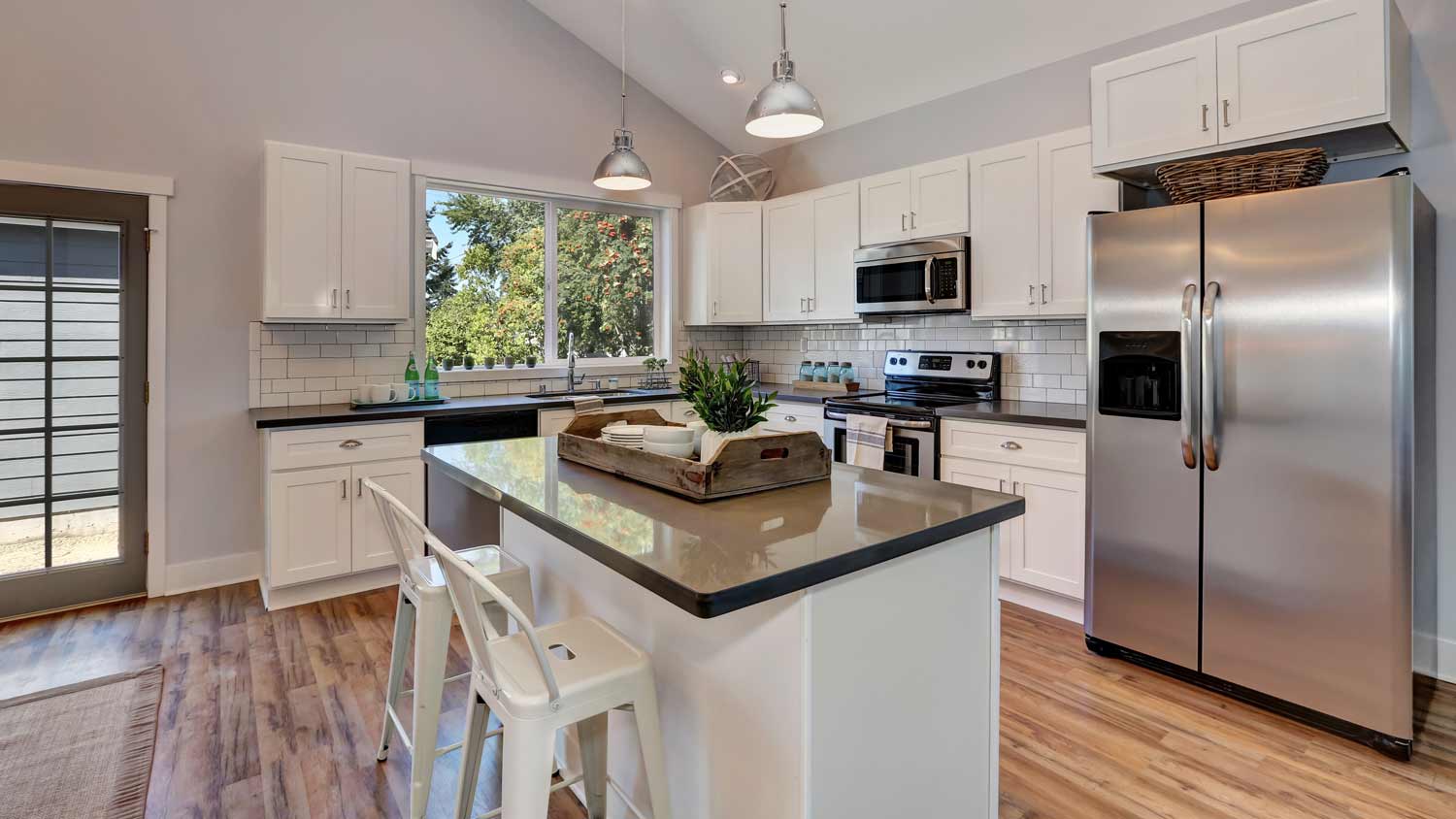 Credit: www.angi.com
Semi-gloss is the top choice for walls within 3 feet of stoves, sinks, and cooktops
Credit: www.angi.com
Semi-gloss is the top choice for walls within 3 feet of stoves, sinks, and cooktops
Key Tradeoffs to Consider When Choosing a Sheen
Every sheen comes with clear tradeoffs, so prioritize what matters most for your space:
- If you prioritize easy cleaning and maximum durability, you will need to invest time in prepping your walls to be perfectly smooth, as higher sheens will highlight any flaws.
- If you have heavily textured or imperfect walls and want to avoid extra prep work, you will need to accept lower cleanability and plan for more frequent touch-ups or repaints.
- If you want a soft, moody, muted aesthetic, you will need to avoid high-sheen paints, as they will make colors appear lighter and more reflective than you expect.
Pro Tips for a Long-Lasting Kitchen Paint Job
Even the highest-quality paint will fail if applied incorrectly. Follow these field-tested tips from professional painters to ensure your finish lasts for years:
Kitchen-Specific Prep Work
The biggest difference between painting a bedroom and painting a kitchen is grease. Before priming, wash your walls with a trisodium phosphate (TSP) solution to cut through built-up cooking grease that soap and water will miss. Let walls dry fully for 24 hours before applying a stain-blocking primer, especially if you have existing water stains, grease stains, or are painting over a dark color. If your kitchen has a wall-mounted faucet behind the sink, remove it first to avoid paint splatters on the hardware — our step-by-step guide to removing a wall-mounted kitchen faucet makes the process quick and mess-free.
Tool and Application Best Practices
Use a 3/8” nap roller for smooth kitchen walls, or a 1/2” nap roller for textured walls, to avoid lap marks and uneven coverage. Use a high-quality angled sash brush to cut in around trim, cabinets, and backsplashes for clean, crisp edges. Apply thin, even coats rather than thick, heavy coats to avoid drips and ensure even curing.
Drying and Curing Guidelines
Wait 4 hours between coats in a well-ventilated kitchen, or longer if humidity is high. Avoid turning on your stove or using your sink for 24 hours after the final coat is applied to let the paint fully cure. If you have a recirculating range hood, run it on high for 2 hours after painting to remove lingering fumes.
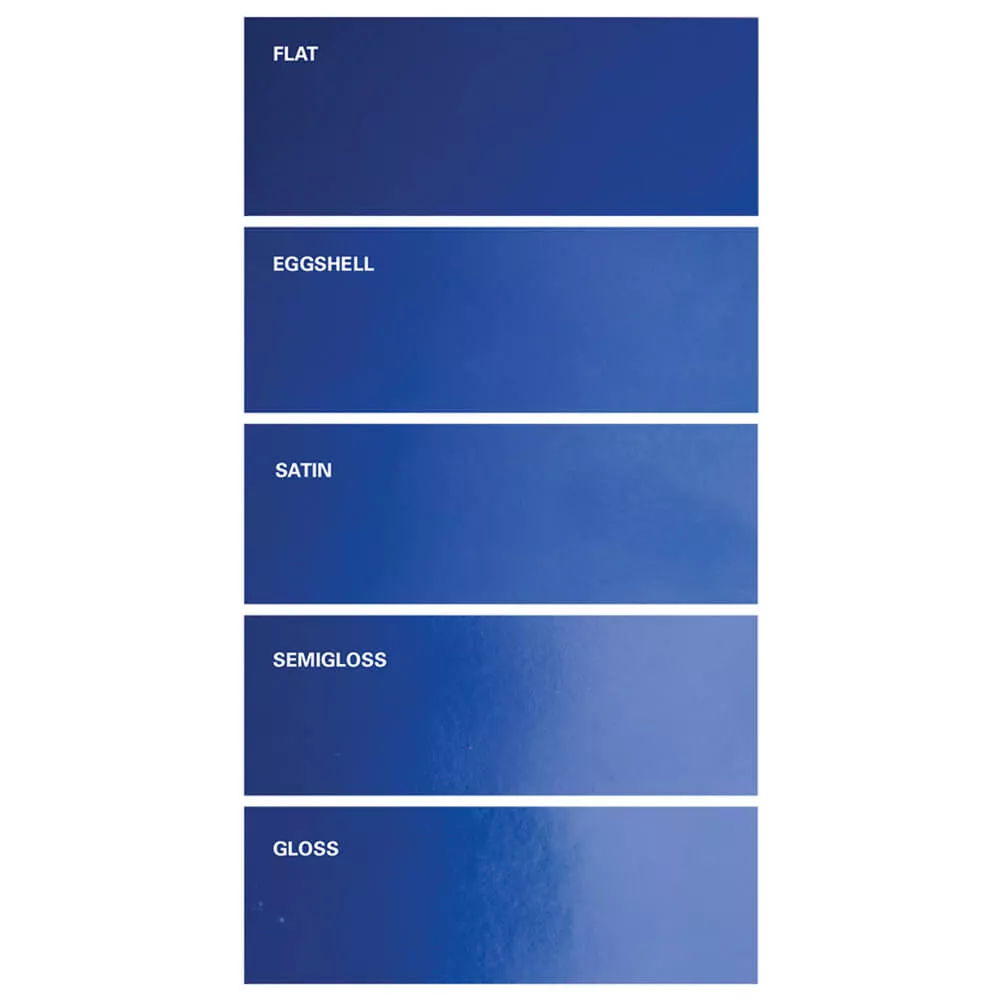
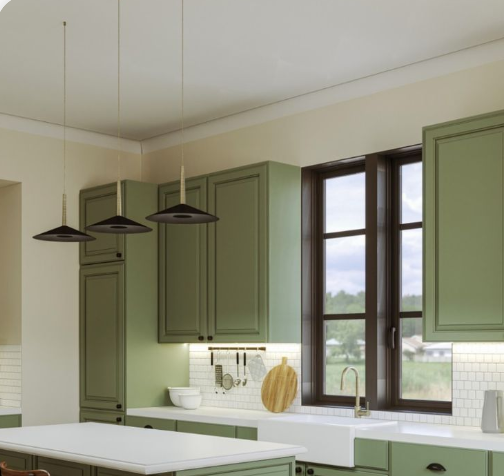 Credit: www.jswpaints.in
Test sheen samples on your actual wall and view them at different times of day to avoid unwanted shine or dullness
Credit: www.jswpaints.in
Test sheen samples on your actual wall and view them at different times of day to avoid unwanted shine or dullness
Common Paint Sheen Mistakes to Avoid
These are the most frequent errors homeowners make when choosing and applying kitchen wall paint, and how to avoid them:
Skipping Degreasing Before Priming
Kitchen walls have invisible layers of cooking grease that will prevent paint from adhering properly, leading to peeling within 6 months. Always wash walls with TSP, rinse thoroughly, and let dry completely before priming.
Choosing Sheen Based Only on Aesthetics
A high-gloss finish may look sleek in a showroom, but it will highlight every wall flaw in your kitchen. Always balance your aesthetic preferences with your kitchen’s functional needs: if you have imperfect walls, opt for a lower sheen even if you prefer a shiny look.
Painting in High Humidity Without Ventilation
High humidity slows paint curing, causes bubbles, and increases the risk of mildew growth. Only paint on days with low humidity, run fans and open windows during and after painting, and avoid painting right after cooking a meal that produces a lot of steam.
Skipping Sample Tests Before Full Application
Sheen looks drastically different in store lighting than it does in your kitchen. Always paint 2×2 foot samples on different walls, live with them for 48 hours, and check them at morning, afternoon, and evening light before buying full gallons of paint.
Frequently Asked Questions
What is the best paint sheen for kitchen walls?
For most home kitchens, satin is the best all-around choice: it resists grease and moisture, cleans easily with a damp sponge, and has a soft, low-shine finish that hides minor wall imperfections. If you cook daily with lots of oil or have young kids, use semi-gloss for walls within 3 feet of your stove and sink for extra durability.
Why should I avoid flat paint sheen in kitchens?
Flat and matte finishes have porous surfaces that absorb grease, water, and food stains permanently. Even gentle scrubbing will wear away the finish, leaving permanent marks, and they offer no moisture resistance to prevent peeling or mold growth in humid kitchen spaces.
Can I use semi-gloss paint for all my kitchen walls?
Semi-gloss works well for high-traffic zones, but its high reflectivity will highlight every bump, crack, and patch on your walls. For large, open kitchen walls that are in good condition, it’s a great choice, but if your walls have visible texture or imperfections, satin or eggshell will look more polished.
Does paint sheen affect how wall color looks?
Yes. Higher sheens make paint colors appear 1–2 shades lighter and more saturated, while lower sheens make colors look deeper and more muted. Always test sheen samples on your wall before buying, as lighting in your kitchen will further impact how the color and shine appear.
Can I use exterior paint sheen for my kitchen walls?
No. Exterior paint contains additives to withstand weather, UV exposure, and temperature swings that are unnecessary for indoor use, and it often off-gases more volatile organic compounds (VOCs) than interior paint. Always use paint labeled for interior use in kitchen spaces.
Conclusion
Choosing the right paint sheen for kitchen walls doesn’t have to be overwhelming. For most home cooks, satin is the best all-around choice, balancing soft aesthetics with enough durability to resist splatters and scrubbing. If your kitchen sees heavy daily use, layer in semi-gloss for high-splatter zones near your stove and sink, and use eggshell for low-traffic accent walls to add depth without extra maintenance. The most important step before buying paint is to test 2–3 sheen samples on your actual wall, live with them for 48 hours, and check how they look in morning, afternoon, and evening light to avoid unwanted shine or dullness. Once you’ve locked in your sheen, prep your walls properly with a degreasing cleaner and stain-blocking primer to ensure your finish lasts for 7+ years without peeling or staining. Ready to tackle the rest of your kitchen refresh? Check out our guides to coordinating wall colors for green cabinetry and pairing wall hues with brown cabinet styles to find the perfect paint color to pair with your new sheen.