How Long to Tile a Kitchen Wall: Quick Tips for Fast Results
Tiling a kitchen wall is one of the most high-impact, budget-friendly ways to refresh your space, but the timeline is rarely one-size-fits-all. A small 3-foot backsplash can be installed in a single weekend, while a full floor-to-ceiling kitchen wall may take 3+ days of active work plus curing time, even for experienced DIYers. If you’re planning a kitchen renovation, budgeting time correctly helps you avoid costly delays, coordinate with other project stages, and know when hiring a professional will save you more money and stress than doing it yourself.
In this guide, we break down exact timelines by project size, the hidden factors that add (or subtract) hours from your schedule, and actionable tips to speed up installation without sacrificing the durable, professional finish you want. We’ll also cover common mistakes that derail projects and when it’s worth calling in a pro to hit your deadline. For more on this, see our guide on how long does it take to tile a.
Realistic Timeline Breakdown By Project Size
Your total project duration depends almost entirely on the size of the wall you’re tiling, plus whether you’re doing the work yourself or hiring a licensed installer. Below are average timelines for common kitchen wall projects, including prep, installation, curing, and cleanup, based on 2026 industry standards:
| Project Type | DIY Timeline (Total) | Pro Installer Timeline (Total) |
|---|---|---|
| Small backsplash (3ft x 3ft or smaller, e.g., behind a sink or stove) | 1.5–2 days (4–6 hours active work + 24 hours curing) | 1 day (2–3 hours active work + 24 hours curing) |
| Medium feature wall (3ft x 6ft to 4ft x 8ft, e.g., behind a countertop run) | 2–3 days (8–12 hours active work + 24–48 hours curing) | 1.5–2 days (4–6 hours active work + 24–48 hours curing) |
| Full floor-to-ceiling wall (8ft+ tall, full wall width) | 3–5 days (16–24 hours active work + 48–72 hours curing) | 2–3 days (8–12 hours active work + 48–72 hours curing) |
These timelines assume a standard wall in good condition and standard 12×12 inch ceramic or porcelain tile. Projects with uneven walls, custom tile layouts, or specialty materials (like natural stone or hand-painted tile) will add 20–50% more time, even for experienced tilers.
Key Factors That Extend Or Shorten Your Timeline
Even within the same project size, small variables can add hours or even days to your tiling timeline. Understanding these factors upfront helps you plan accurately and avoid unexpected delays:
Wall Condition And Prep Work
Prep is the single biggest time variable in any tiling project. A smooth, clean, primed wall lets you move straight to adhesive application, cutting your active work time by 30% or more. If your wall has old wallpaper, loose paint, holes, or existing tile to remove, add 1–4 hours of prep time per 10 square feet of wall. For walls with major unevenness, you may need to apply a self-leveling compound, which adds 24 hours of curing time before you can start tiling. For more on this, see our guide on how to remove kitchen wall tile.
If you’re working around existing kitchen fixtures, removing items like a wall-mounted faucet before you start will save you 30+ minutes of careful cutting and taping later. For safe, damage-free removal of these fixtures, follow our guide to removing a wall-mounted faucet first.
Tile Type And Layout
Large-format tile (12×24 inches or bigger) covers more surface per piece, cutting down on placement time, but it is less forgiving of uneven walls and requires more precise cutting for edges and corners, adding 1–2 hours of work for DIYers. Small mosaic tiles or penny tiles look stunning but require placing 4–10x more individual pieces, doubling installation time for a 10 square foot wall.
Complex layouts like herringbone, chevron, or diagonal patterns also add 20–40% more cutting and layout time, as you’ll need to make far more angled cuts and adjust for uneven spacing at wall edges.
Installer Skill Level
First-time DIY tilers typically take 2–3x longer than experienced installers, due to time spent learning to cut tiles accurately, level each piece, and troubleshoot mistakes mid-installation. A common time-waster for beginners is not accounting for uneven walls, leading to lippage (uneven tile edges) that requires removing and re-setting tiles, adding hours of rework.
Professional installers have commercial-grade tools like wet saws and laser levels that cut cutting and layout time in half, and they avoid common mistakes that derail DIY projects.
Drying And Curing Time
Thin-set adhesive and grout curing times are non-negotiable, and they vary drastically based on temperature and humidity. At 70°F (21°C) and 50% relative humidity, standard thin-set adhesive cures in 24 hours, and grout cures in 24–48 hours. In cold, damp conditions (below 60°F or 70%+ humidity), curing times can extend to 48–72 hours for adhesive and 72+ hours for grout. Rushing this step is the most common cause of tiles popping off or grout cracking months after installation, which adds days of repair work to your timeline.
Step-By-Step Project Timeline With Time Estimates For Each Stage
Breaking your project into discrete stages makes it easier to track progress and avoid bottlenecks. Below is the standard order of operations, with average time ranges for DIYers:
- Prep work (1–4 hours): Remove old wallpaper, paint, or existing tile; patch holes and cracks; sand smooth; clean the surface thoroughly; and apply a primer if recommended by your adhesive manufacturer. If you’re removing wall-mounted fixtures, do this first to avoid damaging them during tiling.
- Dry fit and layout planning (30 minutes–2 hours): Lay out tiles on the floor to identify cuts needed for edges, corners, and outlets. Mark a centerline on the wall with a chalk line to ensure your layout is symmetrical, and mark the location of all cuts to avoid re-measuring mid-installation.
- Adhesive application and tile setting (1–3 hours for DIY, 1–2 hours for pros): Using a notched trowel sized for your tile (check the adhesive packaging for recommendations), spread adhesive on a 3×3 foot section of wall at a time to prevent drying out. Press tiles firmly into place, using spacers to maintain consistent grout lines, and check each tile with a level as you go.
- Curing (24–72 hours): Let the adhesive set fully before moving to the next step. Do not remove spacers or walk on the wall during this time.
- Grouting (1–2 hours): Mix grout to a peanut butter consistency, spread it over the tiles with a rubber float, and press it into all gaps. Wipe excess grout off the tile surface with a damp sponge after 10–15 minutes, taking care not to remove grout from the joints.
- Sealing and cleanup (30 minutes + 24 hours curing): Once grout is fully cured (check the manufacturer’s instructions, usually 24–48 hours), apply a grout sealer to protect against kitchen stains and moisture. Clean all tools immediately after use to avoid dried grout buildup.
If you’re refreshing your cabinetry alongside your tiled wall, matching wall tones to green cabinets or pairing tiles with brown cabinetry early in your planning phase will help you lock in a cohesive design without last-minute changes.
Quick Tips To Speed Up Your Project Without Sacrificing Quality
These pro-approved tricks cut hours off your timeline without risking the durability or finish of your tiled wall:
Pre-Cut All Tiles Before Applying Adhesive
Measure all cuts needed for edges, corners, outlets, and fixtures before you start setting tiles, and cut them all on a flat work surface first. This eliminates constant switching between cutting and setting tiles mid-installation, which is one of the biggest time-wasters for DIYers. For straight cuts, use a manual tile cutter; for curved or irregular cuts, use tile nippers or a wet saw for clean, precise edges.
 Pre-cutting tiles to size before installation eliminates delays mid-project
Credit: cut-price-tiles.co.uk
Pre-cutting tiles to size before installation eliminates delays mid-project
Credit: cut-price-tiles.co.uk
Use Large Format Tile Or Pre-Mounted Mosaic Sheets
Large format tile (12×24 inches or larger) covers more surface per piece, reducing the number of cuts and placements needed. For intricate mosaic designs, choose mesh-backed tile sheets, which install as a single unit instead of individual small tiles, cutting installation time by 50% or more for small areas. For industry-standard installation guidelines that ensure your tile stays securely in place for decades, follow best practices from the Tile Council of North America, the leading trade association for the North American tile industry.
Work In Small, Manageable Sections
Spread adhesive only on a 2–3 square foot section of wall at a time, especially in warm or dry conditions where thin-set dries quickly. This prevents you from having to scrape off dried adhesive and reapply it if you work too far ahead, which can add an hour or more of rework to your timeline.
Use Pre-Mixed Grout For Small Projects
For small backsplashes, pre-mixed grout eliminates the time and mess of mixing powdered grout, and it is formulated to resist shrinking and cracking for small, low-moisture areas. For larger or wet areas (like behind a sink), use a polymer-modified grout for better durability, even if it takes a few extra minutes to mix.
Protect Surrounding Surfaces Before You Start
Lay down drop cloths, cover countertops and cabinets with plastic sheeting, and tape off edges with painter’s tape before you begin tiling. This takes 10–15 minutes upfront but cuts post-project cleanup time by 50% or more, as you won’t have to scrub dried grout off countertops, cabinets, or flooring.
 Protecting surrounding surfaces during tiling cuts post-project cleanup time by 50% or more
Credit: www.recosurfaces.com
Protecting surrounding surfaces during tiling cuts post-project cleanup time by 50% or more
Credit: www.recosurfaces.com
If you’re working with older homes, check for lead paint in existing wall coatings before sanding or scraping, per EPA lead paint safety guidelines, to avoid exposure to harmful fumes.
Common Time-Wasting Mistakes To Avoid
Even small oversights can add hours or even days to your tiling timeline. Avoid these common pitfalls to stay on schedule:
- Skipping the dry fit: Laying out tiles on the floor before applying adhesive lets you identify needed cuts and avoid awkward, uneven edges at the sides of the wall. Skipping this step often leads to last-minute rushed cuts that waste tile and add 1–2 hours of rework.
- Using the wrong adhesive for your tile: Using mastic adhesive in a wet area (like behind a kitchen sink) leads to tiles slipping or failing over time, requiring full removal and reinstallation. Always use a polymer-modified thin-set for wet areas, even if it takes a few extra minutes to mix.
- Not accounting for outlet and fixture cutouts: Failing to measure and pre-cut tiles for electrical outlets, light switches, and faucets before setting tiles leads to awkward, imprecise cuts mid-installation that waste time and look unprofessional. Use a template or the cover plate of the outlet to mark cut lines accurately.
- Rushing the curing process: Removing spacers, grouting, or using the kitchen before adhesive or grout is fully cured leads to tiles shifting, grout cracking, or adhesive failing. Stick to the manufacturer’s recommended curing times, even if you’re eager to finish the project.
- Not ordering extra tile: Running out of tile mid-project adds 1–2 weeks to your timeline if you need to order more, especially for discontinued or custom tile styles. Order 10–15% extra tile to account for broken pieces and future repairs.
When To Hire A Pro To Save Time (And Money)
While DIY tiling is a rewarding project for small, simple walls, there are scenarios where hiring a licensed professional will save you more time and money than doing it yourself:
- Your wall has major unevenness or damage: Leveling a severely out-of-plumb wall or removing old tile takes 2–4 hours of specialized work for a DIYer, while a pro can complete the same work in 1 hour with the right tools.
- You’re using complex tile layouts or specialty materials: Herringbone patterns, natural stone tile, or hand-painted tile require precise cutting and layout that most DIYers don’t have the experience or tools to execute quickly. A pro can install a complex feature wall in 4–6 hours, vs 2+ days for an inexperienced DIYer.
- You have a tight deadline: If you’re renovating your kitchen for a holiday, event, or home sale, a pro can guarantee a finished, usable wall in 1–3 days, vs the 3–5 days a DIYer would need for a full wall.
For most small backsplash projects, DIY is a cost-effective option if you have a free weekend. For larger or more complex projects, the cost of a pro is often worth avoiding the time and expense of fixing DIY mistakes down the line.
Frequently Asked Questions
How long does it take to tile a kitchen wall from start to finish?
For a small DIY backsplash, expect 1.5–2 days total, including 4–6 hours of active work and 24 hours of curing time. For a full floor-to-ceiling wall, DIY timelines are 3–5 days total, while professional installers can complete the same project in 2–3 days. These timelines assume standard 12×12 ceramic or porcelain tile and a wall in good condition.
Can I tile a kitchen wall in one day?
Yes, if you’re installing a small (3ft x 3ft or smaller) backsplash on a prepped wall, you can complete the active installation in 4–6 hours, then let it cure overnight before grouting the next day. Larger walls require multiple days to allow adhesive and grout to set properly.
How long does tile adhesive need to dry before grouting?
Most thin-set adhesives require 24 hours of curing time at 70°F (21°C) and 50% humidity before grouting. In colder or more humid conditions, wait 48–72 hours to ensure the adhesive is fully set. Check the manufacturer’s instructions for your specific product, as some fast-setting adhesives cure in as little as 2–3 hours.
How long does grout need to cure before using the kitchen?
Standard cement-based grout requires 24–72 hours of curing time before exposing it to water or heavy use. Polymer-modified grout may cure faster, so always check the product label. Avoid splashing water on the grout or cleaning the area near the tiled wall for at least 72 hours after installation to prevent staining or weakening.
How long does it take to remove old tile before installing new?
Removing existing tile from a 10 square foot wall takes 2–4 hours for a DIYer, plus 1–2 hours of cleanup and 24 hours of wall prep (patching, sanding, priming) before you can start installing new tile. If the old tile is set with thin-set rather than mastic, removal may take longer and require a chisel or rotary tool.
Can I speed up adhesive or grout drying time?
You can speed up curing time slightly by increasing airflow (use a fan) and keeping the room at 70–75°F, but avoid using heaters directly on the adhesive or grout, as this can cause uneven curing and cracking. Do not rush curing by using the kitchen or exposing the wall to moisture early, as this will lead to long-term damage.
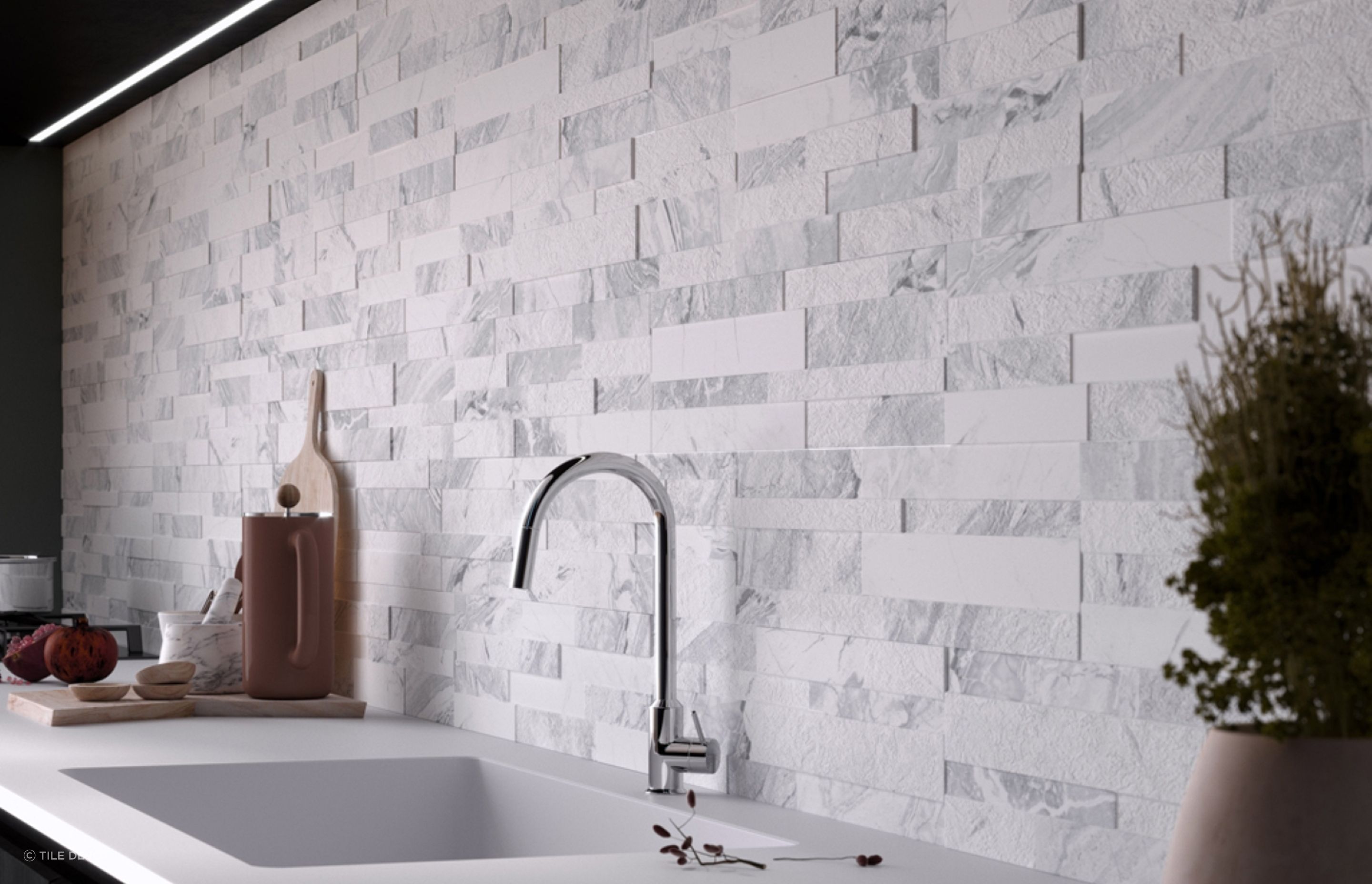 Consistent grout lines and proper spacing give a professional, polished finish
Credit: archipro.co.nz
Consistent grout lines and proper spacing give a professional, polished finish
Credit: archipro.co.nz
Conclusion
The total time to tile a kitchen wall depends on your project size, wall condition, tile choice, and skill level, but most small DIY backsplashes can be completed in a single weekend, while full wall projects take 3–5 days of active work plus curing time. Prep is the most time-consuming part of the project, so investing 1–2 hours upfront to clean, smooth, and prime your wall will cut down on rework and delays later.
For the fastest, most durable results, pre-cut all tiles before starting, work in small sections to prevent adhesive from drying out, and stick to the manufacturer’s recommended curing times for adhesive and grout. If you’re working with uneven walls, complex layouts, or have no prior tiling experience, hiring a professional installer will often save you more time and money than fixing DIY mistakes down the line.
If you’re planning a full kitchen refresh alongside your tiling project, check out our guides to matching wall tones to green cabinets and pairing tiles with brown cabinetry to lock in a cohesive, beautiful design in record time.