How to Prep Kitchen Wall for Tile Backsplash: Easy Step-by-Step Guide
Are you dreaming of a stunning kitchen transformation with a beautiful tile backsplash? Before you dive into your next DIY project, it’s crucial to prepare your kitchen wall properly.
Without the right prep work, even the most exquisite tiles can end up looking less than perfect. But don’t worry—this guide will walk you through every step, ensuring a flawless finish. Imagine the compliments you’ll receive from friends and family when they see your professional-quality backsplash.
Ready to turn your kitchen into a masterpiece? Keep reading to learn how to prep your kitchen wall for a tile backsplash like a pro.
Gather Necessary Tools
Before you start prepping your kitchen wall for a tile backsplash, gathering the right tools is crucial. Having everything at hand saves time and spares you from frustrating interruptions. Plus, using the correct tools makes the job easier and ensures a smoother, professional finish.
List Essential Supplies
- Measuring tape:Accurate measurements prevent wasted tiles and uneven layouts.
- Level:Keeps your backsplash straight and aligned perfectly.
- Utility knife:Useful for cutting drywall paper or trimming tiles.
- Putty knife:Helps spread adhesive or scrape off old paint and debris.
- Sponge and bucket:For cleaning the wall and wiping grout later on.
- Sandpaper or sanding block:Smooths rough spots and ensures the wall is even.
- Primer or bonding agent:Prepares the surface to help tiles stick better.
- Painter’s tape:Protects edges and keeps your work area neat.
Missing one of these tools can slow you down or cause mistakes. Have you ever started a project only to realize the tape measure was missing? That simple oversight can throw off your entire plan.
Safety Equipment
Protecting yourself during prep work is often overlooked but incredibly important. You’ll be working with dust, sharp tools, and sometimes harsh chemicals.
- Safety goggles:Shield your eyes from dust and tile shards.
- Dust mask or respirator:Keeps harmful particles out of your lungs.
- Gloves:Protect your hands from cuts and irritants.
- Long sleeves and pants:Prevent skin irritation and cuts from sharp edges.
Think about the last time you underestimated safety gear. Could a simple pair of gloves have saved you from a painful cut? Taking these precautions makes your work not just easier, but safer too.
Clear And Clean The Wall
Preparing your kitchen wall before installing a tile backsplash is essential. The surface must be clear and clean to ensure the tiles stick well and last longer. Dirt, grease, and old fixtures can cause problems during installation. This section explains how to clear and clean the wall properly for the best results.
Remove Existing Fixtures
Start by taking off any items attached to the wall. This includes outlet covers, light switches, hooks, and shelves. Use a screwdriver to remove screws carefully. Store all fixtures safely for reuse later. Removing these obstacles makes the wall smooth and ready for tiling.
Wash And Dry Surface
Next, clean the wall thoroughly to remove grease and dirt. Use warm water mixed with mild detergent. A sponge or soft cloth works best to scrub the area gently. Avoid harsh chemicals that can damage the wall. Rinse the surface well with clean water to remove soap residue. Let the wall dry completely before starting the tile installation. A dry surface helps the adhesive stick properly and prevents mold growth.
Repair Wall Imperfections
Repairing wall imperfections is an important step before installing a tile backsplash. A smooth and even surface helps tiles stick better and look more attractive. Small holes, cracks, or dents can cause tiles to loosen or create an uneven finish. Fixing these issues ensures the backsplash lasts longer and looks professional.
Fill Holes And Cracks
Start by cleaning the wall surface to remove dirt and dust. Use a putty knife to apply spackling paste or wall filler into holes and cracks. Press the filler firmly and smooth it out to be level with the wall. Allow the filler to dry completely, following the product instructions. Larger cracks might need multiple layers for full coverage.
Sand Smooth
Once the filler dries, use fine-grit sandpaper to sand the patched areas. Sand gently until the surface feels smooth and even. Wipe away dust with a damp cloth to keep the wall clean. A smooth wall surface helps tiles stick better and creates a neat backsplash finish.
Protect Surrounding Areas
Protecting the surrounding areas is a crucial step before you start installing your kitchen tile backsplash. It keeps your counters, floors, and cabinets safe from glue, grout, and tile dust. Taking time here can save you hours of cleanup later and prevent any accidental damage.
Apply Painter’s Tape
Start by applying painter’s tape along the edges where your backsplash meets the cabinets, walls, or countertops. This tape creates a clean, sharp line and prevents adhesive or grout from sticking to surfaces you don’t want to damage. Press the tape firmly to avoid any seepage underneath.
Painter’s tape is easy to remove and won’t peel off paint or finishes, which makes it perfect for protecting delicate areas. Have you noticed how a small slip can ruin your whole project? This simple step helps you avoid that risk entirely.
Cover Counters And Floors
Next, cover your counters and floors with drop cloths or plastic sheeting. This layer protects against spills, falling tile pieces, and dust from sanding or cutting tiles. Tape the edges of the covering to keep it from moving around while you work.
If you’ve ever cleaned up stubborn grout off your floor, you know how worth it this protection is. Consider using a thicker cloth in high-traffic areas to avoid slips or trips during the project. How much easier would your cleanup be if you never had to scrape dried grout off your kitchen floor?
Prime The Wall Surface
Priming the wall surface is a crucial step before installing a tile backsplash. It ensures better adhesion of the tiles and prevents moisture from damaging the wall. Taking the time to properly prime will save you from future headaches like peeling tiles or mold growth.
Choose Suitable Primer
Pick a primer that matches your wall type and the tile adhesive you plan to use. For drywall, a latex-based primer works well, while for glossy or previously painted surfaces, a bonding primer is more effective.
Consider moisture resistance if your kitchen tends to be humid. Some primers are designed to block stains and seal porous surfaces, offering an extra layer of protection.
Ask yourself: What kind of tile will you install? Porcelain, ceramic, or glass tiles may require different primers for optimal adhesion.
Apply Even Coat
Use a roller or brush to spread the primer evenly across the wall. Avoid thick layers, as they can cause bubbling or uneven drying.
Work in small sections to maintain a wet edge and prevent lap marks. Let the primer dry completely according to the manufacturer’s instructions before moving on.
Remember, an even coat sets the foundation for a smooth, long-lasting backsplash. Skipping this step or rushing through it can lead to costly repairs later.

Credit: www.create-enjoy.com
Mark Tile Layout
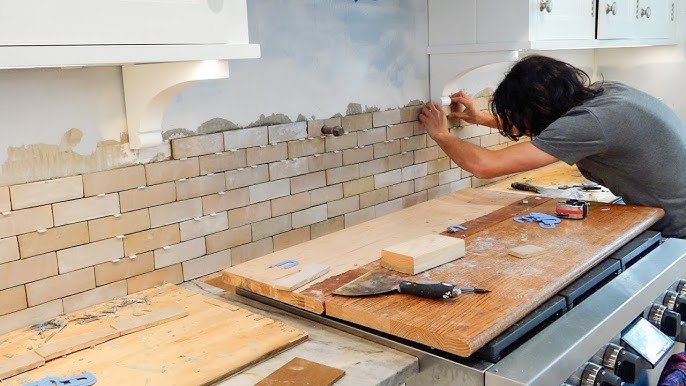
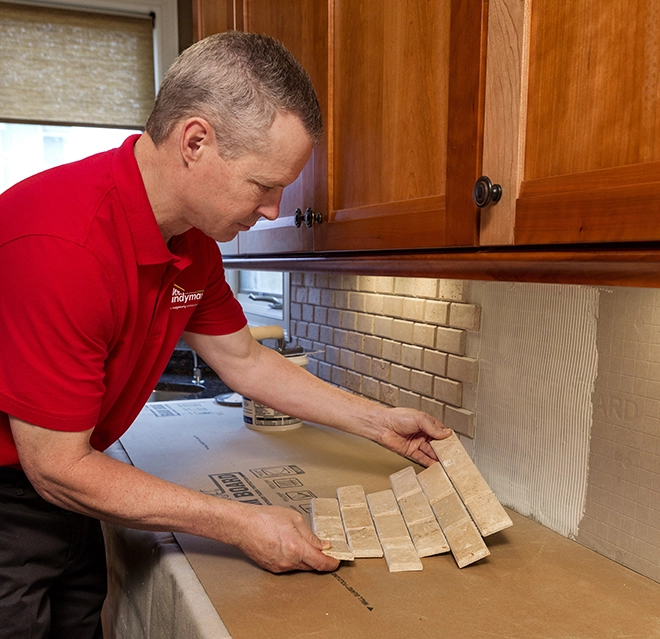
Marking the tile layout is a crucial step that sets the foundation for a smooth and visually balanced backsplash installation. It helps you visualize the final look and avoid awkward cuts or uneven spacing. Taking the time to carefully plan your tile placement saves you from costly mistakes and frustration later on.
Measure And Level
Start by measuring the width and height of your backsplash area accurately. Use a tape measure to get precise dimensions, noting any electrical outlets or switches that will interrupt the tile. Double-check your measurements to avoid errors.
Next, use a level to find a perfectly horizontal line across the wall. This line acts as your starting point and keeps the tiles straight. If your countertop is not level, don’t rely on it—always trust the level tool for accuracy.
Draw Guidelines
Once you have your level line, use a pencil to lightly draw horizontal and vertical guidelines on the wall. These lines serve as a grid to align each tile perfectly. Keep the marks light so they can be easily wiped away after installation.
Consider the tile size and grout width as you space the guidelines. This attention to detail ensures consistent gaps and a professional finish. Have you ever started tiling only to find your tiles crooked? Drawing these guides upfront prevents that headache.
Install Backer Board (if Needed)
Installing a backer board creates a strong, moisture-resistant surface for your tile backsplash. This step is essential if your existing wall is drywall or damaged. Backer boards provide stability and help tiles adhere properly. They protect walls from water damage, especially near sinks and countertops.
Select Proper Backer Board
Choose a cement backer board or fiber cement board for kitchens. These materials resist moisture and mold. Avoid using regular drywall as it may warp or crumble. Select a board thickness of 1/4 inch to 1/2 inch. Match the size of the board to your backsplash area for easier installation.
Secure To Wall
Cut the backer board to fit the backsplash space. Use a utility knife or saw for clean edges. Position the board flat against the wall studs. Fasten it with corrosion-resistant screws every 8 inches. Ensure screws are flush with the surface but do not over-tighten. Seal joints and screw holes with waterproof tape and thin-set mortar to prevent water penetration.

Credit: decorateandmorewithtip.com
Credit: www.mrhandyman.com
Frequently Asked Questions
How Do I Clean Kitchen Walls Before Tiling?
Start by removing grease and dirt with a mild detergent. Rinse well and let the wall dry completely. Clean walls ensure better tile adhesion and a long-lasting backsplash.
Should I Remove Old Paint Before Tiling Backsplash?
Yes, remove any peeling or flaking paint. Sand smooth to create an even surface. This helps tiles stick properly and prevents future cracking or lifting.
What Tools Are Needed To Prep Walls For Backsplash?
You will need a scraper, sandpaper, sponge, mild detergent, and a level. These tools help clean, smooth, and check the wall for evenness before tiling.
How Do I Fix Uneven Walls Before Tiling?
Fill holes and cracks with spackle or joint compound. Sand the area smooth once dry. A flat wall surface ensures the tiles lay evenly and look professional.
Conclusion
Preparing your kitchen wall right sets the stage for a perfect tile backsplash. Clean and smooth surfaces help tiles stick and last longer. Taking time to fix holes and remove old paint saves trouble later. Use the right tools and materials for best results.
Careful prep makes your backsplash look neat and strong. A well-prepared wall means less work and better beauty. Start with these simple steps and enjoy your kitchen upgrade. Ready to tile? You’ll thank yourself for the good prep!