How to Wash Kitchen Walls before Painting: Expert Tips for Perfect Prep
Are you ready to give your kitchen a fresh new look with a splash of paint? Before you dive into this exciting project, there’s an essential step you can’t afford to overlook: washing your kitchen walls.
You might wonder why this is so important. Well, the walls in your kitchen collect more grime and grease than you might think. Without a proper cleaning, your new paint job might not stick well, leading to disappointing results. By taking the time to wash your walls, you’re ensuring that your paint adheres smoothly and lasts longer.
Imagine the satisfaction of a vibrant, flawless finish that transforms your kitchen into a space you love. Keep reading to discover simple, effective ways to clean your kitchen walls before you start painting, ensuring the best possible outcome for your makeover.
Credit: www.maid2match.com.au
Gathering Supplies
Before you start scrubbing your kitchen walls, it’s important to gather the right supplies. Having everything at hand makes the cleaning process smoother and saves you from last-minute trips to the store. Plus, using the correct tools and cleaning solutions ensures your walls are prepped perfectly for painting.
Essential Cleaning Tools
Start with basic cleaning tools that are easy to find and effective. You’ll need:
- Sponges and scrub brushes:Soft sponges work well for gentle cleaning, while scrub brushes help remove stubborn stains.
- Buckets:At least one bucket for mixing your cleaning solution and rinsing your sponge or brush.
- Microfiber cloths:Great for wiping walls dry without leaving lint behind.
- Step stool or ladder:To reach high spots without straining yourself.
- Protective gloves:To keep your hands safe from harsh chemicals and prolonged water exposure.
Do you have these tools ready, or will you need to pick some up before starting? Getting them organized in one spot helps you work efficiently.
Choosing The Right Cleaning Solutions
Not all cleaning solutions are created equal, especially when preparing walls for paint. You want something strong enough to cut through grease but gentle enough to avoid damaging your wall surface.
Common effective options include:
- Dish soap and warm water:A mild and safe choice for lightly soiled walls.
- White vinegar mixed with water:Good for cutting grease and disinfecting surfaces.
- Baking soda paste:Ideal for tough spots and stains.
- Commercial degreaser:Use sparingly, and always test on a small area first to avoid discoloration.
Have you considered testing a small hidden wall area with your chosen solution? This quick step can prevent surprises after cleaning.
Preparing The Area
Preparing the area before washing your kitchen walls is essential to protect your space and make the process smoother. Taking the time to properly cover floors and furniture prevents damage and saves you from extra cleanup later. You’ll also want to clear the walls of any fixtures to avoid accidentally breaking or staining them.
Protecting Floors And Furniture
Start by moving furniture away from the walls or covering it with drop cloths or plastic sheets. Use painter’s tape to secure the edges of the coverings so nothing slips underneath. Don’t forget to protect your floors with heavy-duty paper or old sheets, especially if you’re using water and cleaning solutions that might drip.
Think about how easy it is to overlook small items like rugs or decorative mats. Removing or covering these will prevent stains and water damage. This step might feel tedious, but it’s a small effort that prevents costly mistakes.
Removing Wall Fixtures
Wall fixtures such as light switches, outlet covers, hooks, and shelves should be removed before washing. Unscrewing these carefully helps you clean the wall thoroughly and avoids getting these items wet. Keep screws and small parts in a labeled container so you don’t lose them.
If you’re unsure how to remove certain fixtures, a quick online search can offer guidance specific to your hardware. This preparation not only protects your fixtures but also results in a neater, more professional-looking paint job.
Cleaning Techniques
Cleaning kitchen walls before painting ensures better paint adhesion and a smooth finish. Proper cleaning removes dust, grease, stains, and mold. These contaminants can ruin paint and cause peeling. Use gentle and effective techniques to prepare the surface. Focus on dusting, degreasing, and mold removal for best results.
Dusting And Dry Cleaning
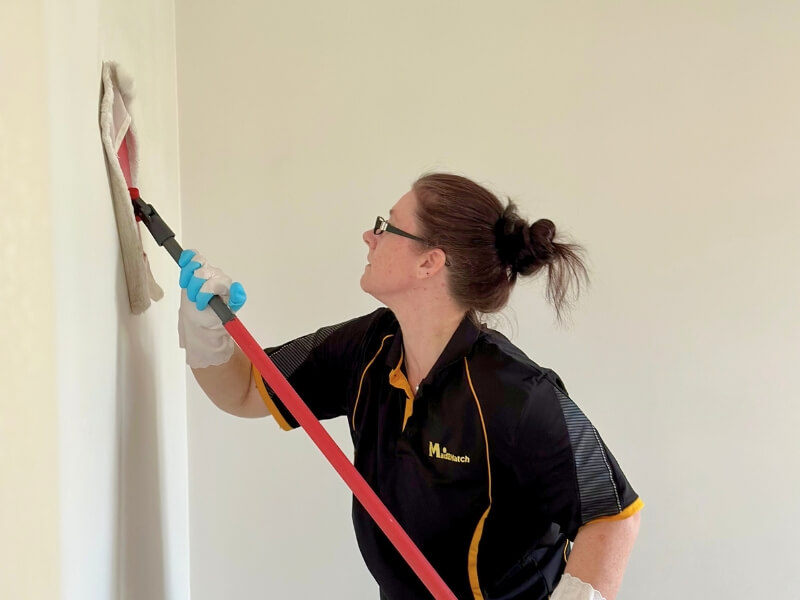
Start by dusting the walls with a soft cloth or a microfiber duster. Remove loose dirt and cobwebs from corners and edges. Use a vacuum cleaner with a brush attachment for textured surfaces. Dry cleaning prevents dirt from mixing with cleaning solutions later. This step makes washing easier and more effective.
Removing Grease And Stains
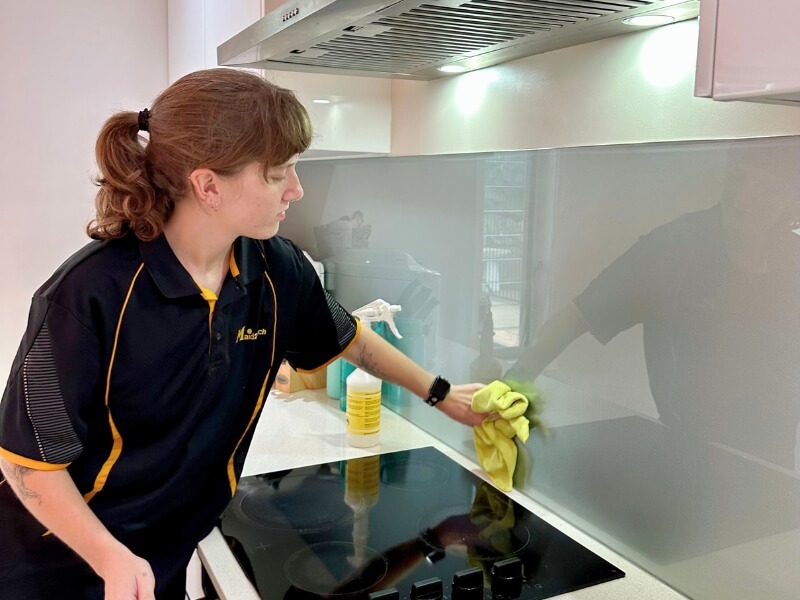
Kitchen walls often have grease and food stains. Mix warm water with mild dish soap for a gentle cleaner. Use a sponge or soft cloth soaked in the solution. Wipe the walls in small sections, rinsing the sponge regularly. For tough stains, add a bit of baking soda to the mix. Avoid harsh chemicals that can damage paint or wallpaper.
Dealing With Mold And Mildew
Mold and mildew grow in damp kitchen areas. Prepare a solution of one part bleach to three parts water. Wear gloves and ensure good ventilation. Use a sponge or brush to scrub affected spots gently. Rinse the walls well with clean water afterward. Dry the area completely to stop mold from returning.
Rinsing And Drying
Rinsing and drying your kitchen walls properly after washing is a crucial step before painting. Skipping or rushing through this stage can lead to paint not adhering well or peeling off later. Taking your time ensures a smooth, long-lasting finish.
Proper Rinsing Methods
After scrubbing your walls, rinse off all soap and cleaning residues thoroughly. Use a clean sponge or cloth soaked in fresh water, wiping the walls gently but completely.
Change the rinse water frequently to avoid spreading dirt back onto the walls. Pay extra attention to corners and edges where grime tends to linger.
If you have tiled walls, a spray bottle filled with water can help rinse efficiently. Does your rinse water look dirty? That’s a sign you need to rinse more to avoid paint problems later.
Ensuring Complete Drying
Walls must be completely dry before you start painting. Even slight moisture can cause bubbles or peeling paint.
Open windows and doors to increase airflow in the kitchen. Using fans or a dehumidifier can speed up drying, especially in humid environments.
Touch the walls after a few hours to check dryness—not just the surface but deeper down. Have you ever painted over damp walls and regretted it? Letting walls dry fully prevents that frustration.
Final Surface Check
After washing your kitchen walls, the final surface check is crucial before painting. It ensures the walls are clean, smooth, and ready for a fresh coat of paint. This step helps avoid bumps, peeling, or uneven color after painting. Take your time to inspect every inch carefully. This process guarantees a professional-looking finish.
Spotting Remaining Dirt
Look closely for any dirt spots or grease patches left on the wall. Use a bright light or natural sunlight to help reveal hidden grime. Pay attention to corners and areas near the stove or sink. These spots can cause paint to peel or not stick well. Wipe off any remaining dirt with a damp cloth and mild cleaner. Let the wall dry fully before moving on.
Sanding And Smoothing Walls
Check the wall surface for rough patches, bumps, or peeling paint. Use fine-grit sandpaper to gently smooth these areas. Sanding helps the new paint stick better and creates a smooth finish. Be careful not to sand too hard and damage the wall. After sanding, wipe the wall with a dry cloth to remove dust. Now the wall is ready for priming or painting.

Credit: www.familyhandyman.com
Tips For Efficient Prep
Preparing your kitchen walls before painting is crucial to achieve a smooth, lasting finish. Efficient preparation saves you time and effort during painting and helps the new paint stick better. Here are practical tips to make your cleaning and prep process quick and effective.
Timing Your Cleaning
Choose a day when you can spend uninterrupted time on cleaning and drying the walls. Avoid humid or rainy days because moisture slows down drying and can cause paint problems later. Early morning or late afternoon often works best, giving walls plenty of time to dry before you start painting.
Think about your kitchen use too. Cleaning right after cooking can be easier because grease and grime haven’t settled yet. Have you noticed how some stains get tougher the longer they stay? Tackling them sooner makes your job easier.
Safety Precautions
Protect yourself while cleaning with gloves and a mask, especially if you use strong cleaners or scrub brushes. Kitchen walls often have grease and mold, which can irritate your skin and lungs. Don’t skip this step; your health matters as much as a clean surface.
Also, ensure good ventilation by opening windows or turning on fans. This helps fumes from cleaning products dissipate quickly. Remember, a well-ventilated space speeds up drying too, making your prep smoother and safer.
Credit: www.maid2match.com.au
Frequently Asked Questions
How Do I Prepare Kitchen Walls For Painting?
Start by removing grease and dirt with a mild detergent and warm water. Use a sponge to scrub gently. Rinse with clean water and let dry. This ensures paint adheres well and lasts longer on kitchen walls.
What Cleaning Solutions Work Best For Kitchen Walls?
A mix of warm water and dish soap effectively removes grease. For tougher stains, use a vinegar-water solution or trisodium phosphate (TSP). Always test a small area first to avoid damage. These solutions clean thoroughly without harming the paint surface.
How Long Should Kitchen Walls Dry Before Painting?
Allow kitchen walls to dry completely for at least 24 hours. Proper drying prevents paint from peeling or bubbling. Ensure good ventilation during drying to speed up the process. Only paint when walls feel dry and clean.
Can I Use A Power Washer On Kitchen Walls Indoors?
No, power washers are too strong and create excess water indoors. Use a sponge or soft cloth with cleaning solutions instead. This method avoids water damage and ensures safe, effective cleaning of kitchen walls.
Conclusion
Cleaning kitchen walls well before painting makes a big difference. Dirt and grease can stop paint from sticking properly. Use gentle cleaners and a soft cloth to avoid damage. Let the walls dry fully before you start painting. Taking these steps helps your paint look fresh and last longer.
A clean surface makes the whole process easier and more successful. Simple care now saves time and money later. Ready walls mean better results every time.