How to Cover Kitchen Wall Tiles: Easy, Stylish DIY Ideas
Are you tired of staring at the same old kitchen wall tiles every day? Do they feel outdated, or maybe they no longer match your style?
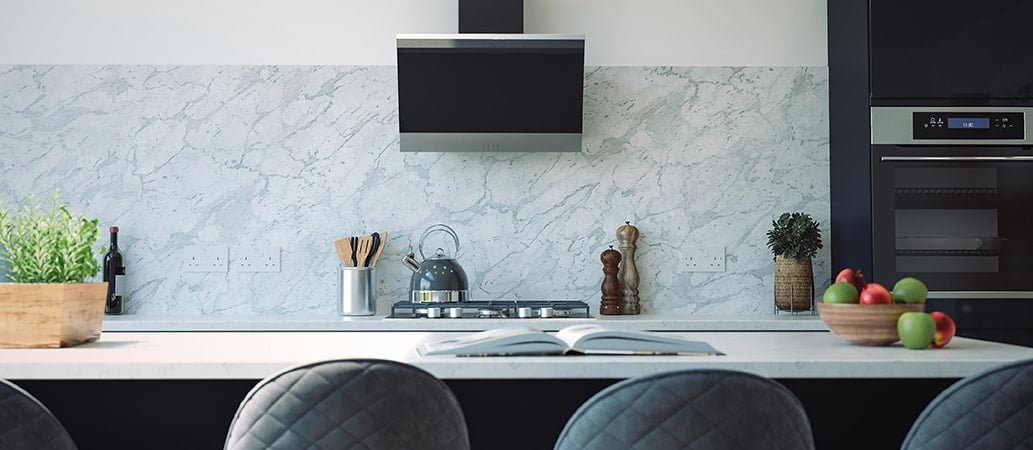
Transforming your kitchen doesn’t have to involve a costly renovation. In fact, you can breathe new life into your space with simple, affordable updates. Imagine the feeling of walking into your kitchen and loving what you see. You’re just a few steps away from achieving that! In this guide, you’ll discover easy and creative ways to cover your kitchen wall tiles.
Whether you want a quick fix or a more permanent solution, we’ve got you covered. Ready to give your kitchen the makeover it deserves? Let’s dive in!
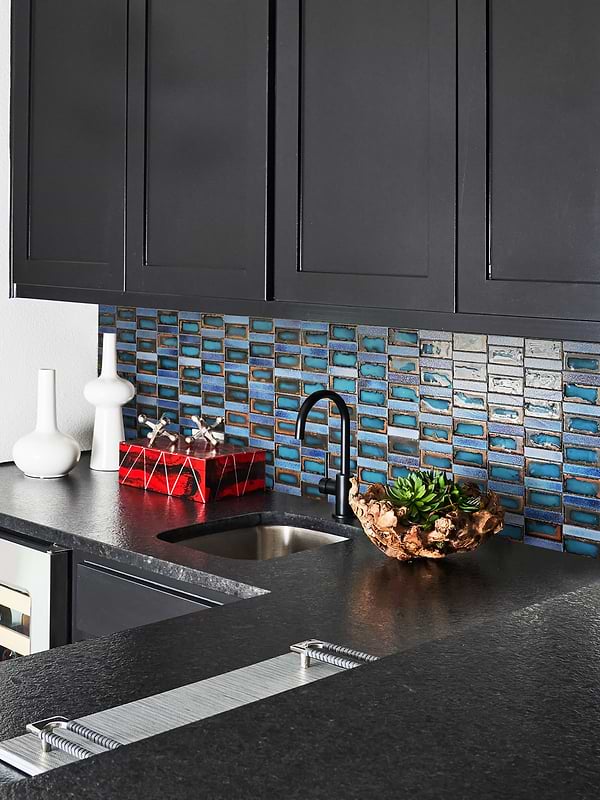
Credit: www.backsplash.com
Choosing The Right Materials
Choosing the right materials to cover kitchen wall tiles is key to a great finish. The material must resist moisture and heat. It should also be easy to clean and maintain. Durability and style matter too. Selecting the best option helps transform your kitchen quickly and affordably.
Paint Options For Tiles
Painting tiles is a popular way to refresh kitchen walls. Use special tile paint for strong adhesion. Clean tiles thoroughly before painting. Apply a primer designed for glossy surfaces. Choose colors that brighten or match your kitchen theme. Paint offers a smooth, uniform look and protects tiles from stains.
Peel-and-stick Tiles
Peel-and-stick tiles are simple and fast to install. They come in various patterns and textures. These tiles are water-resistant and easy to clean. Perfect for renters or quick updates. No grout or special tools needed. Just peel off the backing and stick them over old tiles.
Wall Panels And Cladding
Wall panels provide a modern, seamless finish. Made of PVC, acrylic, or wood, they cover large areas easily. Panels resist moisture and heat well. Cladding can add texture and depth to kitchen walls. They are durable and simple to wipe clean. Installation usually involves adhesive or screws.
Wallpaper For Kitchen Walls
Wallpaper adds color and pattern to kitchen walls. Choose vinyl or washable types for moisture resistance. Patterns range from floral to geometric designs. Wallpaper can be a quick style upgrade without heavy work. Proper sealing and prep ensure it lasts in kitchen conditions.
Preparing Your Kitchen Wall
Preparing your kitchen wall is essential before covering the tiles. It ensures the new surface sticks well and lasts long. A clean, smooth, and repaired wall gives the best results.
Cleaning And Degreasing Tiles
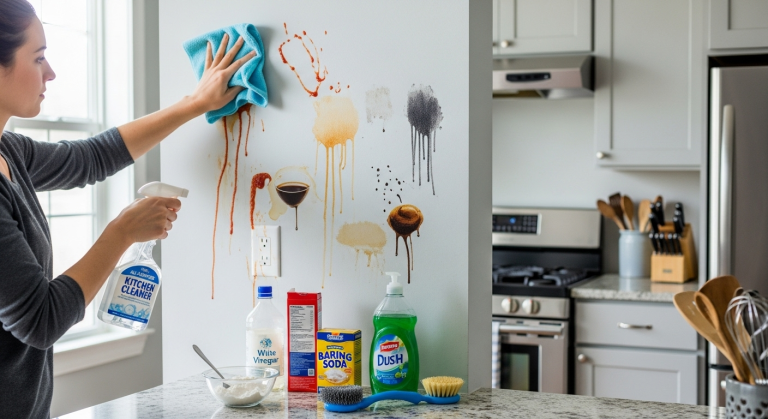
Start by cleaning the tiles thoroughly. Use warm water mixed with a mild detergent. Scrub the surface with a sponge or brush to remove dirt and grease.
Grease can stop paint or adhesive from sticking properly. Use a degreaser for stubborn oily spots. Rinse the wall well and let it dry completely.
Repairing Damaged Areas
Check the tiles for cracks or missing grout. Fill small cracks with tile filler or epoxy. For larger damage, consider replacing the broken tiles.
Remove loose grout and apply new grout to gaps. Smooth it out and let it dry. This step prevents uneven surfaces under the new covering.
Sanding And Priming
Sanding helps create a rough surface for better adhesion. Use fine-grit sandpaper and sand the tiles lightly. Wipe off dust with a damp cloth afterwards.
Apply a primer suitable for tiles. This seals the surface and improves paint or adhesive grip. Allow the primer to dry fully before continuing.
Painting Over Tiles
Painting over kitchen wall tiles is a fantastic way to refresh your space without the mess of tearing out old tiles. It saves time and money, giving your kitchen a brand-new look with just a few supplies and some patience. But to get a smooth and lasting finish, you need the right materials and steps.
Selecting Tile Paint
Not all paints stick well to glossy tile surfaces. Look for paints specifically made for tiles or high-adhesion epoxy paints designed for bathrooms and kitchens. These paints resist moisture and heat, which is crucial for kitchen walls.
Choose a color that complements your kitchen’s style. Matte finishes hide imperfections better, while glossy finishes add a sleek touch but might highlight flaws. Have you thought about how your new color will look under different lighting throughout the day?
Applying Primer And Paint
Start by cleaning your tiles thoroughly; any grease or dirt will prevent paint from sticking properly. After drying, apply a high-quality primer made for slick surfaces to help the paint bond.
Use a small roller for smooth coverage and a brush to reach corners and grout lines. Apply thin, even coats and let each layer dry completely before adding the next. Multiple thin coats work better than one thick coat to avoid drips and uneven texture.
Sealing For Durability
Once the paint has dried, sealing your tiles protects the finish from scratches, moisture, and stains. Choose a clear polyurethane sealer that is safe for kitchens and resistant to heat and water.
Apply the sealer evenly with a clean brush or roller and allow it to cure fully before using the kitchen. Have you considered how sealing not only protects but can also enhance the paint’s color and shine?
Installing Peel-and-stick Tiles
Installing peel-and-stick tiles is a simple and quick way to update kitchen walls. These tiles are easy to handle and require no grout or special tools. They stick directly to clean, smooth surfaces, making them perfect for DIY projects. Follow these steps to get a neat and lasting finish.
Surface Preparation
Clean the wall surface thoroughly to remove dust, grease, and dirt. Use a mild detergent and water, then dry completely. Smooth surfaces work best, so fill any holes or cracks with spackle. Sand rough spots lightly to create an even base. Avoid textured or uneven walls for better adhesion.
Measuring And Cutting Tiles
Measure the wall area where tiles will go. Mark tile placement with a pencil for alignment. Use a ruler or straight edge to cut tiles as needed. A utility knife works well for thin tiles, while scissors may suit flexible types. Cut slowly to avoid jagged edges and ensure a clean fit.
Applying Tiles Smoothly
Peel the backing paper from the tile carefully. Start applying from the bottom center of the wall. Press the tile firmly against the surface, smoothing from center outward. Use a plastic scraper or cloth to remove air bubbles. Align each tile closely for a seamless look. Wipe off excess adhesive immediately with a damp cloth.
Using Wall Panels And Cladding
Using wall panels and cladding to cover kitchen wall tiles is a smart way to refresh your space without the mess of tearing down old tiles. These options offer a sleek, modern look and can be installed relatively quickly. Plus, they provide an extra layer of protection against moisture and stains, making your kitchen easier to clean.
Types Of Panels
There’s a wide variety of wall panels to choose from, depending on your style and budget. PVC panels are lightweight, waterproof, and budget-friendly, perfect if you want a quick upgrade.
Wood-effect panels bring warmth and texture, ideal if you want a cozy feel without the maintenance of real wood. For a high-end look, consider acrylic or glass panels—they reflect light and make your kitchen look bigger.
Think about your kitchen’s use and style before picking a panel type. Would you prefer a smooth, glossy finish or something with texture? Your choice impacts both appearance and durability.
Mounting Techniques
Mounting wall panels doesn’t have to be complicated. Many panels come with tongue-and-groove systems that snap together, making installation faster and more secure.
You can fix panels directly onto your existing tiles using strong adhesives designed for kitchen environments. If your walls aren’t perfectly flat, a batten system can create a smooth base for paneling.
Make sure to measure your walls carefully and plan the layout before starting. Have you checked if your kitchen walls are even and dry? These small checks can save you from headaches later.
Finishing Touches
After installation, sealing the edges of your panels with waterproof silicone ensures water doesn’t sneak behind them. This step is crucial near sinks or cooking areas.
Adding trim or molding around the edges gives your panels a polished look and hides any uneven cuts. Choose colors or finishes that complement your kitchen’s overall design.
Don’t forget to clean your new wall panels with gentle products to keep them looking fresh. What’s your favorite easy cleaning tip that keeps your kitchen sparkling?
Adding Wallpaper Over Tiles
Adding wallpaper over kitchen wall tiles can transform your space without the mess of removing old tiles. It’s a creative way to refresh your kitchen’s look quickly and affordably. However, not all wallpaper types work well on tiles, and the application process needs care to ensure long-lasting results.
Choosing Adhesive Wallpaper
You want wallpaper that sticks well to smooth, glossy surfaces like tiles. Look for adhesive wallpaper labeled as “self-adhesive” or “peel-and-stick.” These are designed to grip non-porous surfaces without extra paste.
Vinyl wallpapers are usually more durable and moisture-resistant, which suits kitchens perfectly. Avoid traditional wallpaper that requires paste, as it won’t adhere properly to tiles and may peel off quickly.
Have you checked if your wallpaper is washable? Kitchens can get messy, so a washable and scrubbable wallpaper will save you a lot of trouble down the line.
Applying Wallpaper Correctly
Start by thoroughly cleaning your tiles to remove grease, dust, and grime. Use a degreaser or mild detergent, then dry the surface completely. Any residue can prevent the wallpaper from sticking properly.
Measure your wall space and cut the wallpaper accordingly, leaving a small margin to trim later. Peel the backing paper slowly and press the wallpaper onto the tiles, smoothing out air bubbles with a plastic squeegee or a credit card.
Work from top to bottom for better control. If you make a mistake, gently peel back the wallpaper and reposition it quickly before it sticks firmly. Precision here prevents wrinkles and ensures a smooth finish.
Maintaining Wallpaper In Kitchen
Keeping wallpaper clean in a kitchen environment is crucial. Use a damp cloth or sponge with mild soap to wipe away splashes and stains. Avoid harsh chemicals that could damage the wallpaper surface.
Ventilation matters. Cooking releases steam and grease, which can weaken adhesive over time. Consider using exhaust fans or opening windows regularly to keep moisture down.
Inspect your wallpaper edges every few months. If you spot any peeling, press it back firmly or use a small amount of wallpaper adhesive to secure it. This quick fix prevents bigger problems later.
Creative Design Ideas
Creative design ideas transform kitchen wall tiles from plain to stunning. These ideas bring life and personality to your cooking space. Exploring different materials, patterns, and colors can refresh your kitchen instantly.
Mixing Materials
Combine various materials for a unique look. Use glass tiles with stone or metal accents. Wood panels paired with ceramic tiles add warmth. Mixing smooth and rough textures creates depth. This contrast highlights each material’s beauty.
Patterns And Textures
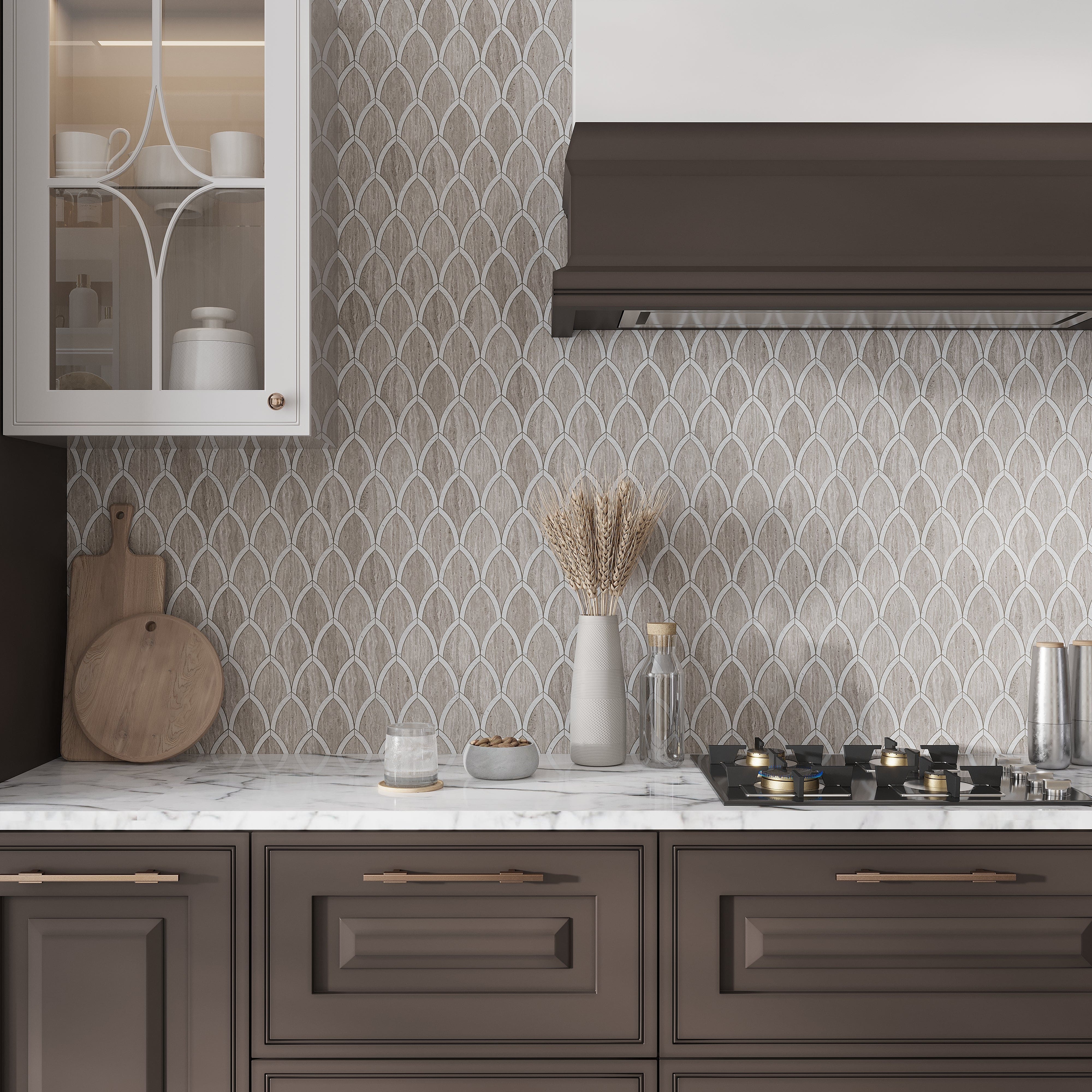
Patterns add rhythm and interest to walls. Try geometric shapes or classic subway tiles arranged differently. Textured tiles bring a tactile experience. Raised or embossed designs catch light and shadow. Patterns and textures break the monotony of flat surfaces.
Color Combinations
Colors set the mood and style of a kitchen. Pair soft pastels with bold accents for balance. Neutral tones work well with vibrant splashes. Consider complementary colors like blue and orange. Matching tile colors with cabinets or countertops creates harmony.
Credit: apollotile.com
Tools And Safety Tips
Covering kitchen wall tiles is a task that needs the right tools and safety measures. Without proper preparation, you might end up frustrated or even hurt. Getting your workspace ready and using the correct gear will make the job smoother and safer.
Essential Tools
Having the right tools can make a big difference in your tile covering project. You will usually need:
- Putty knife or scraper– to remove any loose grout or old adhesive.
- Sandpaper or sanding block– to smooth the tile surface for better adhesion.
- Measuring tape and level– to ensure precise cuts and even placement.
- Adhesive or primerrecommended for tile surfaces.
- Roller or brush– for applying adhesive or paint evenly.
- Utility knife or tile cutter– if you plan to cut new tiles or covering sheets.
Do you have all these tools ready? Missing just one can slow you down or affect the final look.
Protective Gear
Working with tiles and adhesives exposes you to dust, sharp edges, and chemicals. Wearing protective gear protects your skin, eyes, and lungs.
- Safety goggles– shield your eyes from flying dust or debris.
- Gloves– protect your hands from cuts and harsh chemicals.
- Dust mask– prevents inhaling fine particles, especially while sanding.
- Old clothes or apron– keep your clothing safe from stains.
Have you ever ignored safety gear and regretted it later? Taking a few extra minutes to suit up can save you pain and mess.
Work Area Preparation
Preparing your work area helps avoid damage and keeps things organized. Start by clearing the space around your kitchen wall.
- Remove or cover appliances and countertops with plastic sheets or drop cloths.
- Ensure good ventilation if you’re using adhesive or primer with strong fumes.
- Keep your tools within easy reach to stay efficient.
- Consider taping off edges to protect surfaces you don’t want to alter.
Are you ready to create a clean and safe workspace? A little setup effort can reduce stress and mistakes during the project.

Credit: www.mineraltiles.com
Frequently Asked Questions
How Do I Cover Kitchen Wall Tiles Easily?
You can cover kitchen wall tiles using peel-and-stick tiles or tile paint. Both options are quick and affordable. Clean tiles before applying for better adhesion and durability. These methods refresh your kitchen without removing old tiles.
What Materials Work Best To Cover Wall Tiles?
Peel-and-stick vinyl tiles, tile paint, and beadboard panels are popular choices. They offer different looks and are easy to install. Choose materials based on your kitchen style, budget, and how permanent you want the coverage.
Can I Paint Over Kitchen Wall Tiles?
Yes, you can paint over tiles using special tile paint. Clean and sand tiles first for proper paint adhesion. Use a primer designed for glossy surfaces. This method is cost-effective and allows for color customization.
How Long Does Covering Wall Tiles Take?
Covering wall tiles usually takes a few hours to a day. Peel-and-stick tiles install quickly, often in under a few hours. Painting requires drying time, so plan for at least 24 hours before use.
Conclusion
Covering kitchen wall tiles can refresh your space quickly. Choose the right method based on your budget and skill. Simple options like peel-and-stick tiles work well for beginners. Painting tiles can also brighten your kitchen with little effort. Always prepare the surface properly for best results.
Small changes can make a big difference in your kitchen’s look. Try these tips and enjoy your updated kitchen walls.