How to Attach Kitchen Cabinets to Wall: Easy Steps for Perfect Installation
Are you planning to give your kitchen a makeover or simply want to refresh its look? Attaching kitchen cabinets to the wall can be a game-changer.
It’s not just about aesthetics; securely installed cabinets also ensure safety and maximize your kitchen space. But the thought of drilling, aligning, and fastening might seem daunting, especially if you’re not a seasoned DIYer. Don’t worry, though. This guide will walk you through each step, making the process as simple and straightforward as possible.
You’ll learn how to avoid common mistakes and achieve professional-looking results without breaking a sweat. Ready to transform your kitchen and boost its functionality? Let’s get started!

Credit: www.create-enjoy.com
Preparing The Wall
Preparing the wall is the first and most important part of attaching kitchen cabinets. This step ensures the cabinets are secure and aligned properly. A well-prepared wall provides a strong base for heavy cabinets.
Check For Studs
Studs are vertical wooden beams inside the wall. Cabinets must be attached to these studs for support. Use a stud finder to locate them. Mark each stud with a pencil. This prevents cabinets from falling or shifting over time.
Mark Cabinet Positions
Measure the wall space where the cabinets will hang. Use a level to draw a straight horizontal line. This line shows the cabinet’s top or bottom edge. Mark vertical lines for cabinet edges and centers. These marks guide cabinet placement and ensure even spacing.
Clear The Installation Area
Remove all items from the wall area. Clear countertops and nearby furniture. This creates a safe workspace and prevents damage. Cover the floor with a drop cloth to catch dust and debris. A clean area helps avoid mistakes during installation.

Credit: www.create-enjoy.com
Gathering Tools And Materials
Before attaching kitchen cabinets to the wall, gather all necessary tools and materials. Having everything ready makes the process smoother. It helps avoid interruptions and mistakes. This section covers essential tools, required hardware, and safety gear for the job.
Essential Tools
- Drill with screwdriver bits
- Stud finder
- Level
- Measuring tape
- Pencil for marking
- Clamps to hold cabinets
- Socket wrench or ratchet
- Step ladder or stool
Required Hardware
- Cabinet mounting screws (usually 2.5 to 3 inches)
- Wall anchors (if no studs found)
- Shims for leveling cabinets
- Brackets or mounting plates (if specified)
Safety Gear
- Safety goggles to protect eyes
- Work gloves to protect hands
- Dust mask to avoid inhaling debris
- Ear protection if using loud tools
Assembling Cabinets
Assembling your kitchen cabinets is a crucial phase that sets the foundation for a sturdy and attractive installation. This process requires attention to detail and some patience to ensure each part fits perfectly. Let’s break down the essential tasks to get your cabinets ready for mounting on the wall.
Unpack And Inspect
Start by carefully unpacking all cabinet components. Lay everything out in a clean, open space to avoid losing screws or small parts.
Check each piece for damage or defects. It’s easier to spot issues now rather than after installation.
Confirm that you have all the hardware and instructions. Missing parts can delay your project and create frustration.
Attach Cabinet Doors
Before attaching doors, identify the hinges and their mounting points on both the cabinet frame and doors.
Attach hinges to the doors first. This approach makes it easier to hold and adjust the doors once mounted.
Use a drill with the appropriate bit to secure screws firmly but avoid overtightening, which can damage the wood.
Have you noticed how small alignment tweaks can transform the cabinet’s look? Take your time adjusting door gaps and leveling.
Secure Shelves
Locate shelf supports or pins that fit into pre-drilled holes inside the cabinet.
Place these supports carefully to ensure shelves sit level and stable.
If your shelves are adjustable, consider the height that best suits your storage needs before securing them.
Think about how you use your kitchen items daily—does adjusting shelf height improve accessibility or organization?
Leveling And Aligning
Leveling and aligning kitchen cabinets ensures a clean, professional look. Cabinets that are out of level or misaligned create gaps and uneven surfaces. Taking time to level and align each cabinet improves the overall kitchen appearance. It also makes installation easier and safer.
Use A Level
Place a carpenter’s level on the cabinet top or shelves. Check if the bubble is centered between the lines. Move the cabinet until the bubble is perfectly centered. Repeat this for both horizontal and vertical surfaces. Use a long level for best accuracy on larger cabinets.
Adjust Cabinet Height
Use shims to raise or lower cabinets slightly. Insert shims behind the cabinet base or mounting points. Tap the shim gently to adjust the height. Check level again after each adjustment. Secure the cabinet once the height is correct and level is maintained.
Align Adjacent Cabinets
Bring cabinets close together before securing them to the wall. Check that the front edges line up evenly. Use clamps to hold cabinets in place if needed. Adjust by moving one cabinet slightly forward or backward. Tighten screws between cabinets to lock their position.
Securing Cabinets To Wall
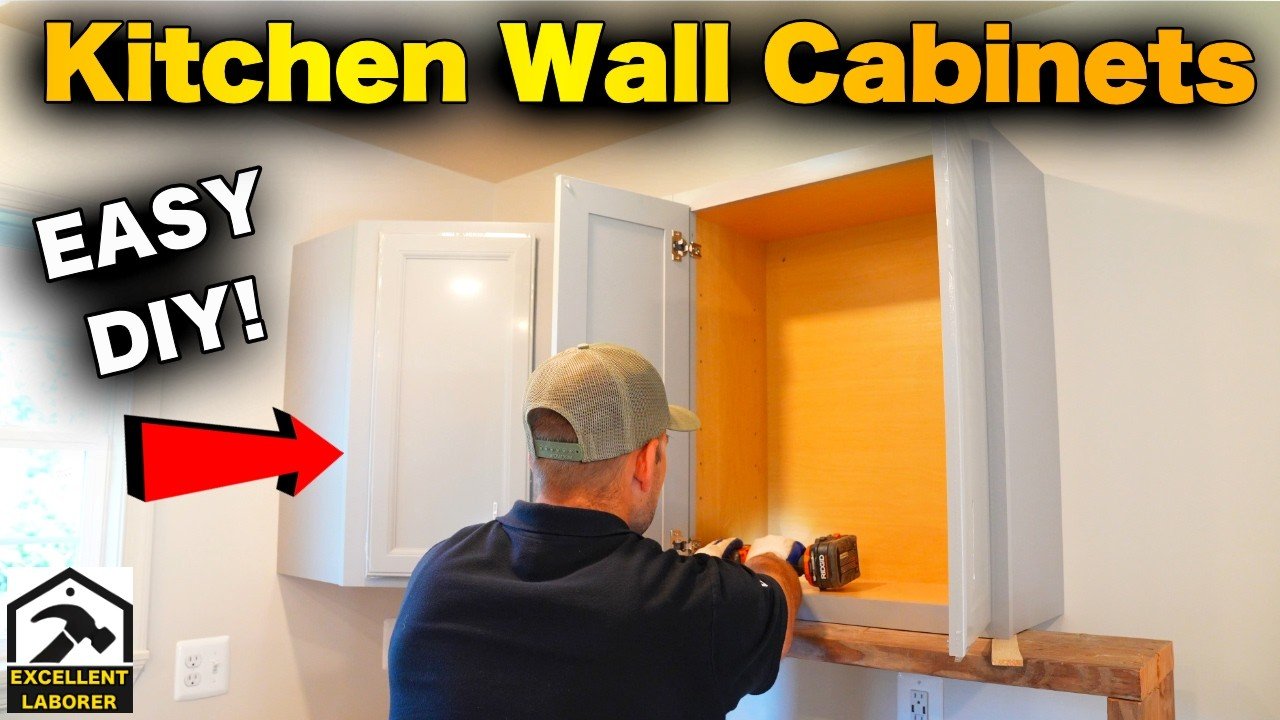
Securing kitchen cabinets to the wall is crucial for safety and durability. Proper attachment keeps cabinets stable and supports the weight of kitchen items. Use the right tools and techniques for a strong hold. Follow these key steps to fasten your cabinets correctly.
Drill Pilot Holes
Start by drilling pilot holes in the cabinet frame. These small holes prevent wood from splitting during screw insertion. Use a drill bit slightly smaller than the screw diameter. Drill holes where the screws will go, usually along the cabinet’s back panel.
Use Proper Screws
Choose screws made for wood and heavy loads. Cabinet screws should be long enough to pass through the cabinet and into the wall studs. Avoid drywall screws, as they may not hold weight well. Use screws with a coarse thread for better grip in wood.
Fasten Cabinets To Studs
Locate wall studs behind drywall using a stud finder. Studs provide the strongest support for cabinets. Align the cabinet with studs and drive screws through the pilot holes into the studs. Tighten screws firmly but avoid over-tightening to prevent damage.

Credit: www.familyhandyman.com
Final Adjustments
Final adjustments are essential to ensure your kitchen cabinets look perfect and function well. This stage helps fix small issues that can affect the cabinet’s appearance and usability. Taking time here guarantees a polished result and long-lasting installation.
Check Door Alignment
Open and close each cabinet door to see if it moves smoothly. Look for uneven gaps between doors and frames. Adjust hinges gently to align doors properly. Make sure doors sit flush with cabinet edges. Proper alignment prevents rubbing and keeps doors looking neat.
Tighten Screws
Inspect all screws that secure the cabinets to the wall. Use a screwdriver to tighten any loose screws. Check hinges and handles for firmness. Tight screws keep cabinets stable and safe. Avoid overtightening to prevent damaging the wood or drywall.
Clean Installation Area
Remove dust, wood shavings, and debris from the cabinet and wall. Wipe surfaces with a damp cloth for a clean finish. Clean tools and materials from the workspace. A tidy area improves the kitchen’s look and prevents damage to cabinets. Leave the installation site neat and ready to use.
Frequently Asked Questions
How Do I Find Studs To Attach Kitchen Cabinets?
Use a stud finder to locate studs behind drywall. Mark stud positions with a pencil. Cabinets must be fastened into studs for secure support and safety.
What Tools Are Needed To Mount Kitchen Cabinets?
You need a drill, level, stud finder, screwdriver, tape measure, and screws. These tools ensure precise alignment and secure attachment of cabinets to walls.
What Type Of Screws Work Best For Cabinet Installation?
Use 2. 5 to 3-inch wood screws designed for heavy loads. Ensure screws penetrate studs to provide strong support for the cabinets.
How High Should Kitchen Cabinets Be Hung On The Wall?
Standard height is 54 inches from the floor to the cabinet bottom. Adjust based on ceiling height and countertop thickness for ergonomic access.
Conclusion
Attaching kitchen cabinets to the wall is a simple task with the right steps. Start by finding the wall studs for strong support. Use the proper screws and tools to keep cabinets secure. Measure carefully to ensure cabinets line up evenly.
Take your time and work safely throughout the process. This approach helps you create a sturdy and neat kitchen space. With practice, your confidence will grow for future projects. Keep these tips in mind for a smooth installation every time.