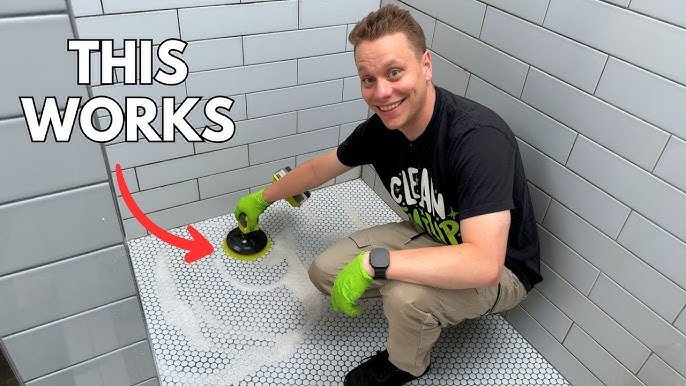
How to Remove Oil Stains from Kitchen Wall Tiles: Easy & Quick Tips
Are you tired of those stubborn oil stains on your kitchen wall tiles? They can make your cooking space look messy and uninviting.
You might find yourself scrubbing endlessly, only to see the stains still there, mocking your efforts. But don’t worry, you’re not alone. Many of us face this common kitchen dilemma. Imagine walking into your kitchen and seeing tiles that look as clean as the day they were installed.
It’s possible, and you don’t need expensive cleaners or hours of hard labor. This guide will show you simple and effective methods to remove those pesky oil stains, transforming your kitchen into the spotless haven you’ve always wanted. Curious about how you can achieve this? Read on to discover the secrets that will make your kitchen shine!
Causes Of Oil Stains On Tiles
Oil stains on kitchen wall tiles happen from daily cooking activities. These stains appear due to the splatter and steam carrying grease. Over time, the kitchen walls collect oily residues that make tiles look dirty.
Understanding the causes of oil stains helps prevent them and keeps tiles clean. Identifying the main sources of oil buildup is the first step in maintaining a fresh kitchen environment.
Cooking Oil Splatter
Cooking often produces hot oil droplets that land on nearby tiles. Frying, sautéing, and deep-frying release tiny oil particles. These particles stick to tile surfaces and form stains.
Grease From Food Preparation
Handling oily foods can transfer grease to the walls. Touching tiles with greasy hands leaves marks. Over time, these marks become hard to remove.
Steam Carrying Oil Particles
Boiling and frying produce steam mixed with oil. This steam rises and settles on wall tiles. The oil in the steam creates a thin, sticky film on tiles.
Poor Ventilation In The Kitchen
Lack of proper airflow causes oil to settle on walls. Without good ventilation, greasy air lingers longer. This increases the chance of oil stains forming on tiles.
Infrequent Cleaning
Not cleaning tiles regularly lets oil build up over days or weeks. The longer oil stays, the harder it is to remove. Regular cleaning stops stains from becoming permanent.
Essential Tools And Supplies
Removing oil stains from kitchen wall tiles requires the right tools and supplies. Choosing effective items makes cleaning easier and faster. Gather everything before you start to avoid interruptions.
Use simple and common supplies for best results. Each tool plays a specific role in removing tough grease and restoring tile shine.
Cleaning Cloths And Sponges
- Microfiber cloths absorb oil without scratching tiles.
- Soft sponges help scrub gently without damage.
- Avoid abrasive scrubbers that might harm tile surfaces.
Degreasing Cleaners
- Choose a mild degreaser to break down oil stains.
- Look for kitchen-specific cleaners safe on tiles.
- Natural options like vinegar can also cut through grease.
Warm Water And Buckets
- Warm water helps loosen oil from tile surfaces.
- Use a bucket to mix cleaning solutions efficiently.
- Rinse tiles thoroughly to remove residue.
Soft-bristled Brushes
- Brushes reach into grout and textured tile areas.
- Soft bristles prevent scratching while scrubbing deeply.
- Small brushes work well for tight spots.
Protective Gloves
- Gloves protect your skin from harsh cleaners.
- Use waterproof gloves for longer cleaning sessions.
- Choose comfortable gloves to keep hands safe and dry.
Quick Cleaning Methods
Removing oil stains from kitchen wall tiles can be quick and simple. Use easy household items to clean without scrubbing hard. These quick cleaning methods save time and make your tiles look fresh again.
Using Dish Soap And Warm Water
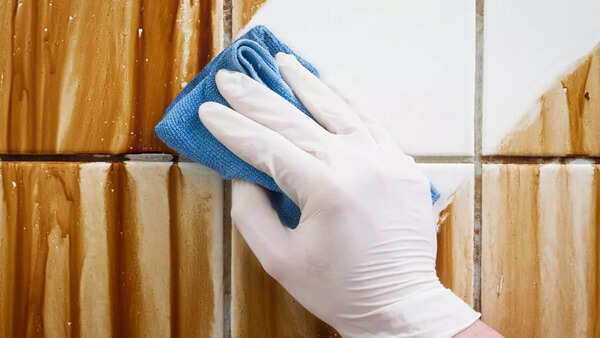
Mix a few drops of dish soap with warm water in a bucket. Dip a soft cloth or sponge into the solution. Wipe the oil-stained tiles gently in a circular motion. Rinse the cloth often and change the water if it gets dirty. Dry the tiles with a clean towel to avoid streaks.
Baking Soda Paste
Combine baking soda with a small amount of water to form a thick paste. Apply the paste directly on the oil stains. Let it sit for 10 to 15 minutes to absorb the grease. Use a damp cloth or sponge to scrub the tiles softly. Rinse well with warm water and dry the surface.
Vinegar Solution
Mix equal parts of white vinegar and water in a spray bottle. Spray the solution on the stained tiles and let it sit for 5 minutes. Wipe the area with a clean cloth or sponge. Vinegar helps break down the oil and removes residue. Rinse with water and dry the tiles for a clean shine.
Credit: timesofindia.indiatimes.com
Deep Cleaning Techniques
Deep cleaning kitchen wall tiles is essential when oil stains refuse to budge with simple wiping. These techniques target grease embedded in tile pores and grout lines, restoring your kitchen’s fresh look. You’ll find that a thorough approach saves time and effort in the long run.
Commercial Tile Cleaners
Commercial tile cleaners are formulated specifically to tackle tough grease and oil stains on kitchen walls. Choose one labeled safe for ceramic or porcelain tiles to avoid damage.
Follow the instructions carefully:
- Apply the cleaner generously on the stained area.
- Allow it to sit for 5-10 minutes to break down the oil.
- Scrub gently with a soft brush or sponge to lift the stain.
- Rinse thoroughly with warm water to remove residue.
Using commercial cleaners can make stubborn stains disappear faster than household products. Have you ever noticed how some cleaners leave a slight shine, making your tiles look almost new?
Steam Cleaning
Steam cleaning uses high-temperature steam to dissolve grease without chemicals. This method is eco-friendly and effective for deep-set oil stains in tile grout.
Here’s how to use steam cleaning on your kitchen tiles:
- Fill the steam cleaner with water and allow it to heat up.
- Move the steam nozzle slowly over the stained tiles and grout.
- Wipe away loosened dirt and oil with a microfiber cloth.
Steam cleaning can reach areas scrubbing can’t, such as grout lines and textured surfaces. Have you tried steam cleaning yet? It might surprise you how fresh your kitchen walls can feel afterward.
Preventing Future Oil Stains
Preventing future oil stains on kitchen wall tiles keeps your space clean and fresh. Simple habits and smart treatments protect tiles from stubborn marks. Regular care stops oil from settling deep into tile surfaces.
Regular Maintenance Tips
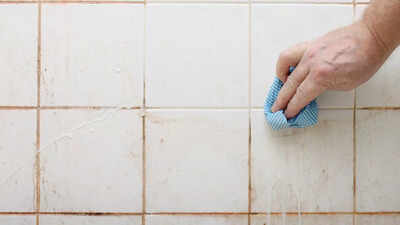
- Wipe tiles daily with a damp cloth to remove light grease.
- Use mild soap or tile cleaner for weekly cleaning routines.
- Clean spills quickly to prevent oil from drying on tiles.
- Ventilate the kitchen well during cooking to reduce airborne grease.
- Keep a small spray bottle with water and vinegar for quick touch-ups.
Protective Coatings
Applying protective coatings creates a barrier against oil and grime. Choose tile sealants designed for kitchen use. These coatings repel oil and make cleaning easier.
- Use a penetrating sealant to protect porous tile surfaces.
- Reapply sealant every few months for ongoing protection.
- Test sealants on a small tile area before full application.
- Consider anti-grease sprays for extra shield on high-splash zones.
Credit: timesofindia.indiatimes.com
Dealing With Stubborn Stains
Stubborn oil stains on kitchen wall tiles can be tough to remove. These marks often sit deep in the tile surface or grout. Simple cleaning might not clear them away completely. Special care and stronger techniques are needed to restore the tiles.
Patience plays a key role. Gentle but firm action helps avoid tile damage. Choosing the right tools and knowing when to get professional help makes the cleaning process smoother.
Scrubbing Tools And Tips
- Use a soft-bristle brush to avoid scratching tiles.
- A toothbrush works well for tight grout lines.
- Apply a mix of baking soda and water as a mild abrasive cleaner.
- Let the paste sit on stains for 10 to 15 minutes before scrubbing.
- Use circular motions to lift the oil without spreading it.
- Rinse tiles with warm water frequently to check progress.
- A microfiber cloth helps remove leftover residue gently.
When To Seek Professional Help
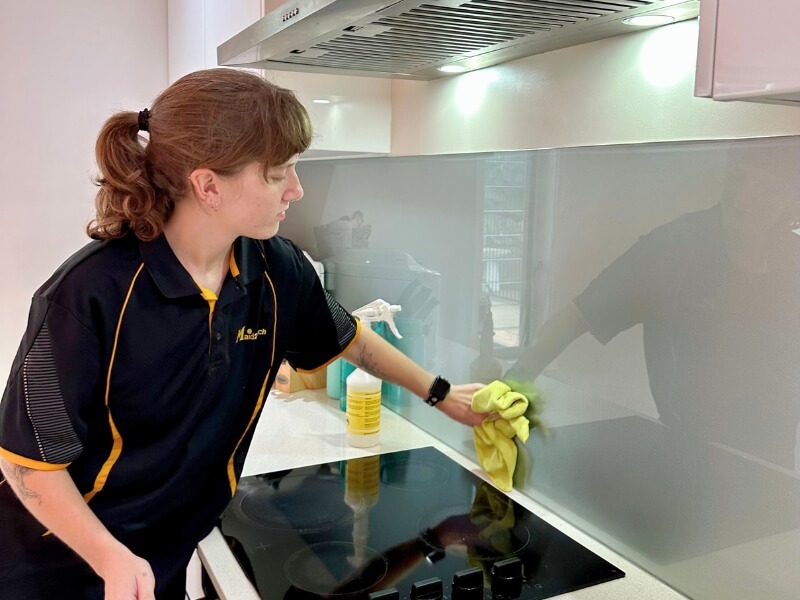
If stains persist after thorough scrubbing, it may be time to call an expert. Professionals have special cleaners and equipment for deep cleaning. They can safely handle delicate tile surfaces and stubborn stains.
Persistent grease marks might also signal damage needing repair. Experts can assess tile condition and suggest the best solutions. Avoiding harsh chemicals prevents worsening the stain or tile finish.
Credit: www.maid2match.com.au
Frequently Asked Questions
How Do I Remove Fresh Oil Stains From Kitchen Tiles?
Clean fresh oil stains immediately using warm soapy water and a soft cloth. Avoid harsh scrubbing to prevent tile damage. Repeat if needed and dry the area thoroughly to prevent residue.
What Household Items Remove Oil Stains From Wall Tiles?
Baking soda, white vinegar, and dish soap effectively remove oil stains. Make a paste or solution, apply it, scrub gently, then rinse with water. These items are safe and eco-friendly for kitchen tiles.
Can Oil Stains Damage Kitchen Wall Tiles Permanently?
Oil stains rarely cause permanent damage if cleaned promptly. Prolonged exposure may darken grout or tile surfaces. Regular cleaning prevents staining and maintains tile appearance over time.
Is It Safe To Use Bleach On Oil-stained Kitchen Tiles?
Bleach can discolor or damage tile surfaces and grout. Use it cautiously and dilute properly. Prefer mild cleaners first to avoid harming tiles or causing health risks.
Conclusion
Removing oil stains from kitchen wall tiles does not have to be hard. Use gentle cleaners and a soft cloth for best results. Act quickly to stop stains from setting in. Regular cleaning keeps tiles looking fresh and bright. Small effort leads to a cleaner, healthier kitchen space.
Keep these tips in mind for easy stain removal next time. Clean tiles make your kitchen feel welcoming and neat. Simple steps, great results.