Ivory Kitchen What Colour Walls: Stunning Shades to Transform Your Space
Are you dreaming of an ivory kitchen but unsure about the perfect wall color to complement it? You’re not alone.
Choosing the right shade can transform your space from ordinary to extraordinary. Imagine walking into your kitchen and feeling a sense of harmony and elegance every time. The wall color you choose plays a crucial role in setting this mood.
In this guide, we’ll uncover the secrets to pairing your ivory kitchen with the perfect wall color, ensuring your space feels both stylish and cohesive. Ready to discover the ideal palette for your dream kitchen? Let’s dive in!
Choosing Wall Colors For Ivory Kitchens
Choosing the right wall colors for ivory kitchens can change the whole room’s feel. Ivory cabinets offer a soft and neutral base. This base allows many color options for walls. Picking colors that match or contrast with ivory can highlight the kitchen’s style and mood.
Colors can create a warm, cozy space or a fresh, bright look. It depends on the shades and tones chosen. Light, muted colors can keep the space calm. Darker or bold colors add drama and depth. Understanding how ivory works with different colors helps make smart choices.
Why Ivory Works With Various Shades
Ivory is a warm off-white color with a hint of yellow or beige. This slight warmth makes it flexible with many shades. It pairs well with soft pastels, earthy tones, and even deep colors.
- Soft pastels like mint green or blush pink add gentle color without overpowering.
- Earthy colors such as taupe or olive green create a natural, grounded look.
- Rich shades like navy blue or charcoal gray provide striking contrast.
Ivory’s neutrality balances both light and dark shades. It can soften bold colors or warm cooler tones. The color’s versatility allows for creative freedom in design.
Balancing Warm And Cool Tones
Choosing warm or cool wall colors depends on the kitchen’s lighting and style. Warm tones include shades like peach, soft yellow, or warm beige. These colors enhance ivory’s natural warmth and create a cozy atmosphere.
Cool tones, such as pale blue, soft gray, or sage green, contrast with ivory’s warmth. These tones bring a fresh, calm feeling to the space. Cool colors work well in kitchens with a lot of natural light.
- Warm walls + ivory cabinets = inviting, homey space.
- Cool walls + ivory cabinets = clean, modern look.
Mixing warm and cool tones can also work. For example, warm ivory cabinets with cool gray walls and warm wood accents create balance. Test samples on walls before deciding. Light changes color perception throughout the day.
Soft Neutrals To Enhance Ivory
Choosing the right wall color can make your ivory kitchen feel even more inviting and balanced. Soft neutrals work beautifully to highlight ivory’s gentle warmth without overwhelming it. These shades create a calm backdrop, allowing your kitchen’s features to shine while adding a touch of sophistication.
Creamy Beiges And Taupes
Creamy beiges and taupes bring out the subtle warmth in ivory. They create a seamless, cozy atmosphere that feels both fresh and timeless. I once painted a kitchen wall in a warm beige, and it instantly made the ivory cabinetry pop without clashing.
These tones work well if you want a monochromatic look that feels layered rather than flat. They also pair nicely with natural wood accents or brass fixtures, adding depth to your kitchen’s overall style. Think of shades like oatmeal, sandy beige, or soft taupe to keep the space inviting and soft.
Muted Greys For Subtle Contrast
Muted greys offer a subtle contrast that doesn’t compete with ivory’s softness. Choosing a grey with warm undertones can prevent the space from feeling cold or stark. This color choice adds a modern touch while maintaining a calm, balanced feel.
Imagine pairing ivory cabinets with a light dove grey or greige wall color. It’s a combination that feels fresh and clean but still warm enough for a kitchen setting. Using muted greys can also help your ivory kitchen feel more grounded and intentional, especially if you have stainless steel appliances or darker countertops.
Bold Colors For A Striking Look
Bold colors create a strong contrast with ivory kitchens. They bring energy and style to the space. These colors make the kitchen stand out and feel lively. Choosing the right bold shade can highlight the ivory cabinetry beautifully.
Deep Navy And Charcoal
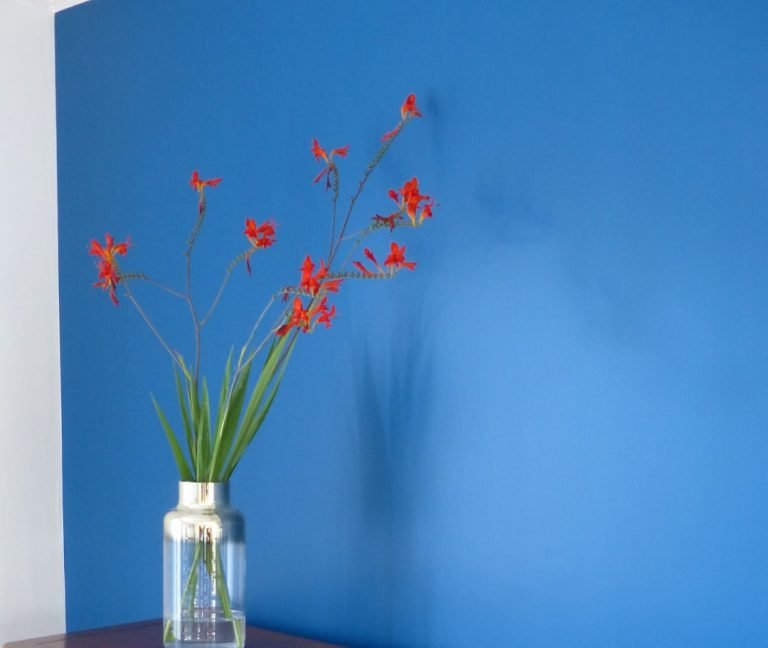
Deep navy walls add a rich, classic touch to ivory kitchens. This color balances warmth and coolness well. Charcoal gray offers a modern, sleek look. Both colors create a striking backdrop that makes ivory cabinets pop. These shades work well with metallic accents and wooden textures.
Rich Greens And Forest Hues
Rich green tones bring nature inside the kitchen. Forest hues give a calm yet bold feel. These colors highlight the softness of ivory perfectly. They add depth and freshness to the room. Pairing green walls with ivory cabinets creates an inviting space. This combo feels cozy and elegant at once.

Credit: www.pakitchen.com
Pastel Shades For A Gentle Touch
Pastel shades bring a soft and calming vibe to an ivory kitchen. These gentle colors create a cozy atmosphere without overpowering the natural warmth of ivory tones. Choosing the right pastel can make your kitchen feel inviting and fresh, perfect for both everyday cooking and entertaining guests.
Blush Pinks And Peachy Tones
Blush pinks add a subtle warmth that complements ivory beautifully. These colors brighten up the space while keeping it understated and elegant. Peachy tones introduce a touch of sunshine, making your kitchen feel cheerful but not too bold.
If you want to add a bit of personality without clashing with ivory cabinetry, try painting one wall in blush pink. This creates a focal point and adds depth. Pair these shades with natural wood or gold accents to enhance the softness.
Light Blues And Mint Greens
Light blues offer a fresh, airy feel that pairs well with ivory’s creamy shade. They bring a sense of calm and cleanliness, ideal for a kitchen where you spend a lot of time. Mint green adds a hint of nature, giving your space a subtle vibrancy without overwhelming it.
Consider using these colors on kitchen walls or even in accessories like curtains and cushions. They balance warmth and coolness, helping your ivory kitchen feel balanced and welcoming. What pastel shade do you think would make your kitchen feel more like your personal retreat?
Accent Walls And Color Placement
Accent walls add character to ivory kitchens. They break the monotony and highlight design features. Choosing the right wall and color placement makes a big difference. These walls draw attention and enhance the room’s style.
Creating Focal Points
Choose one wall to become the room’s focus. This wall often sits behind the stove or sink. A darker or richer color contrasts beautifully with ivory cabinets. It makes the space feel warm and inviting.
Use colors like deep blue, forest green, or charcoal gray. These shades complement ivory without overwhelming it. Keep other walls neutral to balance the look. This approach creates a clear visual point that draws eyes.
Combining Patterns And Textures
Mixing patterns and textures adds depth to the kitchen. Consider textured paint or wallpaper for the accent wall. Patterns like subtle stripes or geometric shapes work well. They add interest without clashing with ivory tones.
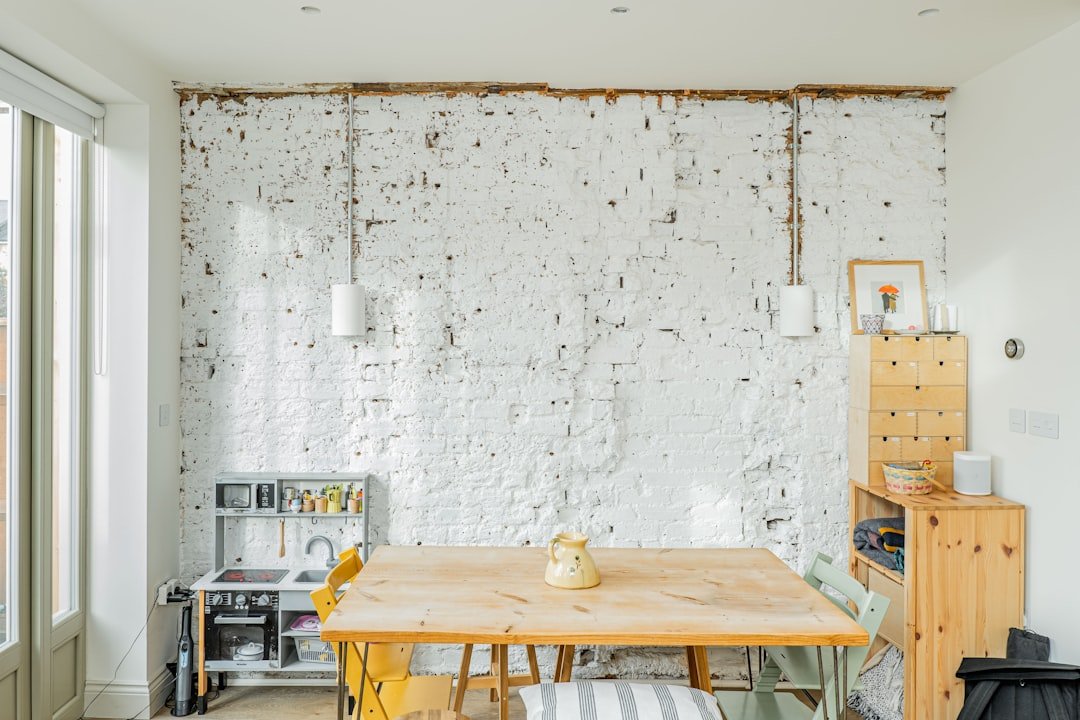
Textures such as brick, wood panels, or tile enhance the space. They bring a natural feel that pairs nicely with ivory. Use textures sparingly to avoid making the room feel crowded. This mix keeps the kitchen cozy and stylish.
Lighting’s Impact On Wall Colors
Lighting plays a crucial role in how your ivory kitchen walls appear throughout the day and night. The color you choose might look warm and inviting under natural light but could feel dull or harsh with artificial lighting. Understanding how different light sources affect wall colors helps you create a space that feels just right for cooking, dining, and gathering.
Natural Light Considerations
Natural light changes intensity and color temperature during the day, impacting ivory walls significantly. Morning sunlight tends to be cooler and softer, making ivory walls appear fresher and slightly brighter. In the afternoon, warmer sunlight can add a golden glow, enriching the ivory’s warmth.
Think about how much sunlight your kitchen receives. If your kitchen faces north, the light is cooler and less intense, which might make ivory walls feel more muted. South-facing kitchens get warmer, brighter light that can make ivory pop beautifully. Try observing your kitchen walls at different times to see how natural light shifts their tone.
Artificial Lighting Effects
Artificial light can alter the perception of ivory walls drastically depending on the bulb type and placement. Warm LED or incandescent bulbs bring out the creamy, cozy side of ivory, making your kitchen feel inviting in the evening. Cooler fluorescent or daylight bulbs highlight the crisp, clean aspect but may sometimes make the walls look stark or washed out.
Consider layering your lighting with a mix of overhead, task, and accent lights. This approach lets you control how ivory walls look during cooking or dining. Have you experimented with different bulbs or dimmers to find a balance that suits your kitchen’s vibe?
Tips For Testing Paint Colors
Testing paint colors before committing to one can save time and money. It helps to see how colors really look in your space. Small differences in light and surroundings can change the color’s appearance. Try these tips to test paint colors effectively in your ivory kitchen.
Sample Painting Techniques
Start by painting small patches on your kitchen wall. Use different sizes and shapes, like squares or stripes. Paint at least a 12-inch square to get a good view. Apply two coats to see the true color depth. Use painter’s tape to keep edges neat. This technique shows how the color covers and dries.
- Paint small patches in different areas of the kitchen.
- Use two coats for accurate color representation.
- Test both horizontal and vertical strokes.
- Try different finishes like matte or satin.
Observing Colors Throughout The Day
Colors change under different lighting conditions. Check your painted samples at various times. Morning sunlight can make colors look cooler. Afternoon light often warms up the shades. Artificial lights at night can change the tone again. Observe each patch in natural and artificial light. Note how ivory tones shift and blend with your kitchen elements.
- Look at samples in the morning, afternoon, and evening.
- Turn on kitchen lights to see color under bulbs.
- Compare colors in shaded and sunny spots.
- Pay attention to how color affects the room mood.

Credit: www.decorpad.com

Credit: abell.co.uk
Frequently Asked Questions
What Wall Colors Complement An Ivory Kitchen?
Soft neutrals like beige, warm greys, and pale taupes complement ivory kitchens. These shades enhance warmth and create a cozy atmosphere. Light pastel tones such as mint green or blush pink also work well for a fresh, inviting look.
Can Bold Colors Work With Ivory Kitchen Walls?
Yes, bold colors like navy blue, deep green, or charcoal grey create a striking contrast. They add depth and sophistication while making the ivory cabinetry stand out as a focal point in the kitchen.
Should I Use Warm Or Cool Tones With Ivory Walls?
Warm tones like soft yellows and creamy beiges create a welcoming space with ivory. Cool tones such as light blues and greys offer a modern, calming effect. Choose based on the mood you want in your kitchen.
Is White A Good Choice For Ivory Kitchen Walls?
White can work but risks making the space feel too sterile or bland. Opt for off-white or creamy whites to maintain warmth and subtle contrast with ivory cabinetry.
Conclusion
Choosing the right wall color makes ivory kitchens shine. Soft pastels add a gentle touch. Warm tones bring cozy feelings. Cool shades create a fresh look. Neutral colors keep the space calm and clean. Think about light and room size too.
Your wall color can change the mood. Pick a shade that makes you happy. Simple choices make a big difference. Enjoy your beautiful, bright kitchen every day.