How to Hang Wall Kitchen Cabinets: Easy Steps for Perfect Installation
Are you ready to transform your kitchen without breaking the bank? Hanging wall kitchen cabinets is a game-changer that can elevate your space in both style and function.
Imagine having more room to store your essentials while adding a touch of elegance to your kitchen. It sounds great, right? But the process might seem daunting. You might wonder if you have the skills or the tools needed. Fear not! This guide is crafted to make the task simple and achievable for you.
By the end of this article, you’ll feel confident and excited to tackle this DIY project, knowing that a stunning kitchen transformation is just a few steps away. Let’s dive into the how-to and unlock the potential of your kitchen space!
Credit: www.familyhandyman.com
Tools And Materials Needed
Preparing to hang kitchen wall cabinets requires the right tools and materials. Having everything ready helps make the job smoother and safer. The list below covers what you need for a successful installation.
Essential Tools
- Power drill with drill bits
- Stud finder
- Level
- Measuring tape
- Clamps
- Socket wrench or screwdriver
- Pencil for marking
- Step ladder
Required Materials
- Wall cabinets
- Mounting screws
- Wood shims
- Anchors for drywall (if no studs)
- Protective gloves
- Masking tape (optional)
Preparing The Kitchen Wall
Preparing the kitchen wall is a crucial first step before hanging cabinets. It ensures the cabinets attach securely and align properly. Taking time to prepare avoids future problems and saves effort.
Locating Wall Studs
Wall studs provide the strong support cabinets need. Use a stud finder to locate them behind drywall. Mark each stud clearly with a pencil. Studs usually space 16 or 24 inches apart. Avoid hanging cabinets on drywall alone to prevent damage.
Marking Cabinet Heights
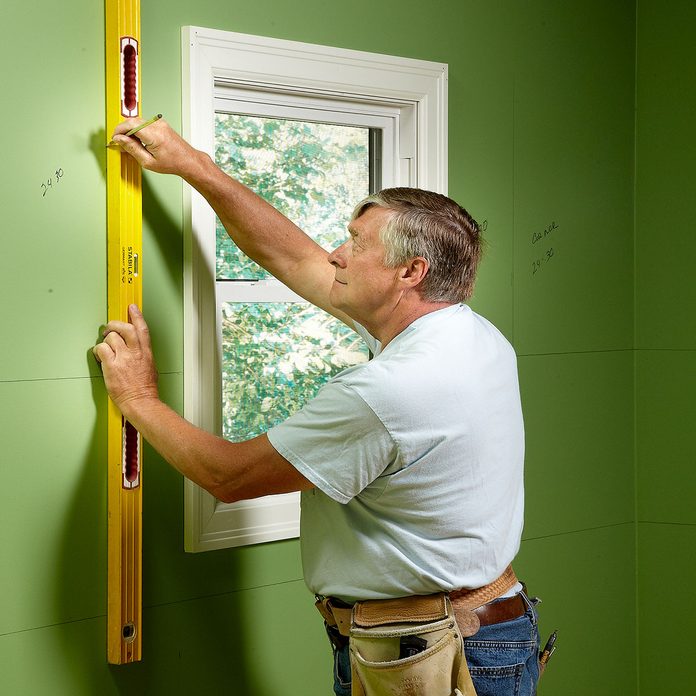
Decide the height for your cabinets carefully. Use a level to draw a straight horizontal line where the bottom will sit. This line guides the cabinet placement and keeps them even. Consider countertop height and backsplash space for proper alignment.
Clearing The Workspace
Clear the wall area and floor before installation. Remove decorations, appliances, or obstacles nearby. Clean the wall surface to ensure good contact with cabinets. A tidy workspace reduces accidents and improves efficiency during installation.
Setting Up The Cabinets
Setting up the cabinets is a key part of hanging wall kitchen cabinets. This process ensures the cabinets are sturdy and aligned properly. It involves assembling the cabinet parts and attaching the mounting rails securely to the wall.
Assembling The Cabinets
Start by organizing all cabinet parts on a flat surface. Check that you have all screws, panels, and shelves. Follow the instructions to join the sides, bottom, and top panels. Use a screwdriver or drill to fasten screws tightly. Make sure corners are square and shelves fit well. Tight joints prevent wobbling and keep the cabinet strong.
Attaching Mounting Rails
Locate the wall studs with a stud finder for secure mounting. Measure and mark the height for the mounting rails, usually aligning with cabinet height. Attach the rails to the wall using long screws, drilling into the studs. Use a level to keep rails perfectly horizontal. Secure rails firmly as they bear the cabinet’s weight. This step supports safe and stable cabinet hanging.

Credit: www.thisoldhouse.com
Hanging The Cabinets
Hanging kitchen cabinets is a crucial step that sets the foundation for your kitchen’s functionality and style. It requires precision and care to make sure cabinets are secure and perfectly aligned. Let’s focus on the key actions that will help you hang your cabinets with confidence and accuracy.
Lifting And Positioning
Start by lifting the cabinet carefully and positioning it against the wall where you marked the studs. Having a helper here is a game-changer; trying to hold a heavy cabinet alone can cause misalignment and frustration.
Hold the cabinet firmly and check if it fits the space properly. You want it flush with adjacent walls and ready to be secured without forcing it into place.
Securing Cabinets To Studs
Always fasten your cabinets directly to the wall studs. Drywall alone won’t support the weight, and you risk the cabinet pulling away over time.
Use long screws—at least 3 inches—to go through the cabinet’s back panel and deep into the stud. This ensures a strong hold that will stand the test of daily use.
If your cabinet has multiple mounting points, secure all of them. Skipping screws to save time often leads to sagging or loose cabinets later.
Checking Level And Alignment
Once the cabinet is secured, immediately check if it’s level using a carpenter’s level. Even a small tilt can cause doors to swing open or close improperly.
Look at the cabinet edges to see if they line up evenly with adjoining cabinets or walls. Misalignment here can throw off your entire kitchen’s look and function.
If you spot any unevenness, adjust by adding shims behind the cabinet before tightening screws fully. This small step prevents bigger problems down the road.
Joining Multiple Cabinets
Joining multiple wall kitchen cabinets creates a seamless and sturdy installation. Proper alignment and secure attachment improve both appearance and stability. Each cabinet must connect tightly to avoid gaps or misalignment. Follow clear steps to join cabinets properly and achieve a professional finish.
Aligning Cabinet Edges
Place the cabinets side by side on a flat surface. Check that the edges line up evenly. Adjust the height and depth until the fronts are flush. Use a level to confirm both horizontal and vertical alignment. Tight alignment prevents gaps and makes the installation look neat. Pay close attention to corners and door edges.
Clamping And Screwing Cabinets Together
Use clamps to hold the cabinets tightly in place. Clamps keep the edges from shifting during assembly. Drill pilot holes through the cabinet sides where they meet. Use screws designed for cabinetry to join the cabinets securely. Drive screws slowly to avoid splitting the wood. Remove clamps once the screws hold the cabinets firmly together.
Finishing Touches
Finishing touches transform your wall kitchen cabinets from a basic installation into a polished, functional part of your kitchen. These last steps ensure your cabinets look professional and operate smoothly. Paying attention to small details now can save you time and frustration later.
Installing Cabinet Doors And Hardware
Once the cabinet boxes are securely mounted, it’s time to hang the doors. Align the hinges carefully to avoid gaps or uneven spacing. You want the doors to open and close smoothly without any sticking or rubbing.
Attach handles or knobs next, choosing styles that complement your kitchen’s design. Use a template or measure twice to drill holes in the exact spot for a clean, balanced look. Have you noticed how a simple change in hardware can completely update the feel of your kitchen?
Sealing Gaps And Touching Up
Check for any gaps between the cabinets and walls or ceiling. Use paintable caulk to fill those spaces; it helps keep dust out and gives a seamless appearance. Wipe away excess caulk immediately for a neat finish.
Touch up any scratches or marks on your cabinets with matching paint or stain. This step makes your cabinets look brand new and protects the wood. Have you ever overlooked this part only to regret it when the kitchen looked unfinished?
Common Mistakes To Avoid
Hanging wall kitchen cabinets is a task that requires careful attention. Avoiding common mistakes helps ensure a secure and level installation. Mistakes can cause damage or unsafe cabinets. Knowing what to watch out for saves time and effort.
Ignoring Stud Locations
Studs provide the main support for your cabinets. Mounting cabinets without anchoring to studs leads to weak holds. Drywall alone cannot support heavy kitchen cabinets. Use a stud finder to locate them before installation. Mark each stud clearly for accurate drilling. Secure screws only into the studs for strong support.
Skipping Level Checks
Cabinets must be perfectly level for proper function and appearance. Installing without checking levels causes uneven doors and gaps. Use a spirit level at every stage of hanging. Check both horizontal and vertical alignment carefully. Adjust as needed before final tightening. A small misalignment can cause big problems later.
Overloading Cabinets
Each cabinet has a weight limit based on its design and installation. Overloading shelves and hanging heavy items can cause cabinets to sag or fall. Distribute weight evenly across shelves. Avoid placing very heavy pots or appliances inside. Reinforce cabinets if you plan to store heavy items. Safe weight limits ensure long-lasting kitchen storage.

Credit: www.familyhandyman.com
Frequently Asked Questions
How Do You Find Studs For Kitchen Cabinets?
Use a stud finder to locate wall studs accurately. Mark the stud positions for secure cabinet mounting. Studs provide strong support for heavy kitchen cabinets, preventing damage and ensuring safety.
What Tools Are Needed To Hang Wall Kitchen Cabinets?
Essential tools include a drill, level, stud finder, screwdriver, measuring tape, and clamps. These tools help ensure precise installation, secure fastening, and proper alignment of your kitchen cabinets.
How High Should Kitchen Cabinets Be Installed?
Standard upper cabinets are installed 18 inches above the countertop. This height allows enough space for countertop appliances and comfortable access to cabinet contents.
Can One Person Hang Wall Kitchen Cabinets Alone?
It is possible but challenging to hang cabinets alone. Assistance is recommended for lifting, alignment, and safety during installation to avoid damage and injury.
Conclusion
Hanging wall kitchen cabinets takes patience and care. Start by measuring and marking the wall properly. Use a stud finder to secure the cabinets safely. Always double-check the level before fixing screws. Taking small steps helps avoid mistakes and damage.
With the right tools and clear steps, you can finish the job confidently. A well-installed cabinet improves kitchen space and looks neat. Keep safety in mind and work slowly for best results. Your kitchen will feel fresh and organized after the task.