How to Clean Greasy Kitchen Wall Tiles: Easy & Effective Tips
Are greasy kitchen wall tiles driving you crazy? You’re not alone.
Many of us find our once sparkling tiles overshadowed by stubborn grease and grime. It’s not just about aesthetics; a clean kitchen is crucial for hygiene and health. Imagine the satisfaction of seeing your kitchen walls restored to their original shine, reflecting light and enhancing your cooking space.
You might think it’s a daunting task, but what if cleaning those greasy tiles could be easy and even enjoyable? Stay with us, and we’ll share the secrets to transforming your kitchen with minimal effort and maximum impact. Whether you’re preparing for a special occasion or just want your kitchen to feel fresh, this guide is for you. Let’s dive in and discover how simple it can be to bring back the sparkle to your kitchen tiles!

Credit: www.americantinceilings.com
Causes Of Greasy Kitchen Tiles
Greasy kitchen wall tiles can quickly turn your cooking space from fresh to frustrating. Understanding what causes this buildup helps you tackle the problem more effectively. Let’s break down the main reasons your tiles get greasy and how you might prevent it in the future.
Cooking Oil And Food Splatter
Every time you fry, sauté, or grill, tiny droplets of oil and food particles fly through the air. These droplets settle on nearby surfaces, including your wall tiles. Over time, this creates a sticky, greasy film that’s tough to clean if ignored.
Have you noticed how close your stove is to the tile wall? The closer the tiles, the more likely they’ll catch splatters. This is why wiping down tiles after cooking makes a big difference.
Steam And Heat Effects
Steam from boiling water or simmering pots carries moisture and tiny grease particles into the air. When this steam hits cooler tiles, it condenses, leaving behind a greasy residue mixed with water spots.
Heat also opens up tile pores and grout, allowing grease to seep in more easily. This explains why greasy tiles often feel grimy, not just oily.
Infrequent Cleaning
Skipping regular cleaning lets grease build up layer by layer. This hardened layer sticks stubbornly to tiles and grout.
Think about your last deep clean—did you focus on the tiles? If not, this might be why the grease is so persistent now.
Type Of Cooking And Ingredients Used
Greasy tiles are more common in kitchens where frying or use of heavy oils happens daily. Foods like bacon, fried chicken, or stir-fried dishes produce more airborne grease.
Using butter or oils with low smoke points also increases splatter. Adjusting your cooking methods can reduce how much grease ends up on your tiles.
Ventilation Issues
Poor kitchen ventilation traps grease and smoke inside, causing it to settle on surfaces. Without a good exhaust fan or open windows, grease lingers longer and builds up faster.
Have you checked if your kitchen hood fan is working efficiently? Sometimes a quick fix there can prevent greasy tiles.
Essential Cleaning Supplies
Cleaning greasy kitchen wall tiles needs the right tools. Using proper supplies makes the task easier and faster. These items help remove tough grease without harming your tiles or grout.
Gathering essential cleaning supplies prepares you for a smooth cleaning session. Basic and effective tools give better results and save effort.
Degreasing Cleaner
Choose a cleaner made for kitchen grease. Look for labels that say “degreaser” or “kitchen cleaner.” Avoid harsh chemicals that can damage tiles.
Soft Scrubbing Brush
A soft brush helps scrub off grease without scratching tiles. Nylon bristles work well for grout and tile surfaces.
Microfiber Cloths
Microfiber cloths absorb grease and cleaner quickly. They are gentle and reusable. Have a few on hand for wiping and drying.
Bucket Of Warm Water
Warm water helps dissolve grease and rinse tiles. Use it to dilute cleaner and wash away dirt effectively.
Spray Bottle
A spray bottle makes applying cleaner easy and even. It helps control the amount of cleaner used on tiles.
Prepping Tiles For Cleaning
Prepping your kitchen wall tiles is key for effective cleaning. Dirt and grease can hide in corners and grout lines. Cleaning works best when tiles are ready and free of loose debris.
Start by clearing the area around your tiles. Remove any objects or appliances that may block access. This creates space and prevents damage during cleaning.
Gather Necessary Cleaning Supplies
Collect all cleaning tools before starting. Use soft cloths, sponges, and a gentle brush. Choose a mild detergent or tile cleaner suitable for kitchen grease.
Remove Loose Dust And Dirt
Wipe tiles gently with a dry cloth or duster. Focus on grout lines and edges. This step stops dirt from spreading during wet cleaning.
Protect Surrounding Areas
Cover countertops and floors near the tiles. Use old towels or plastic sheets to catch drips. Protecting these surfaces keeps your kitchen tidy.
Ventilate The Kitchen Space
Open windows or turn on exhaust fans. Fresh air helps dry tiles faster. It also reduces strong smells from cleaning products.
Credit: www.temu.com
Homemade Cleaning Solutions
Homemade cleaning solutions offer an easy and natural way to tackle greasy kitchen wall tiles. These mixtures use common household ingredients to break down stubborn grease. They are safe, cost-effective, and gentle on tile surfaces.
Using homemade solutions reduces exposure to harsh chemicals. It also lets you customize the strength based on the level of grease. These simple recipes deliver great results without complicated steps.
Vinegar And Water Mix
Vinegar is a powerful natural cleaner. It cuts through grease and grime quickly. Mix equal parts white vinegar and warm water in a spray bottle. Spray on the greasy tiles and let it sit for 5-10 minutes. Wipe with a soft cloth or sponge. Rinse with clean water to remove vinegar smell.
Baking Soda Paste
Baking soda works as a mild abrasive and deodorizer. Make a thick paste by mixing baking soda with a small amount of water. Apply the paste to greasy spots on the tiles. Scrub gently with a soft brush or sponge. Rinse thoroughly with water to avoid residue. This paste lifts grease without scratching the tiles.
Dish Soap Blend
Dish soap is designed to cut grease effectively. Mix a few drops of dish soap with warm water in a spray bottle. Spray the solution on the greasy tile surface. Let it sit for a few minutes to loosen dirt. Wipe clean with a cloth or sponge. Rinse well to remove soap film for a shiny finish.
Step-by-step Cleaning Process
Cleaning greasy kitchen wall tiles can feel like a tough job, but breaking it down into clear steps makes the task manageable and even satisfying. The key is to treat the tiles gently yet effectively, ensuring the grease lifts without damaging the surface. Let’s walk through the process so you can restore your kitchen walls to their bright, clean state.
Applying The Cleaner
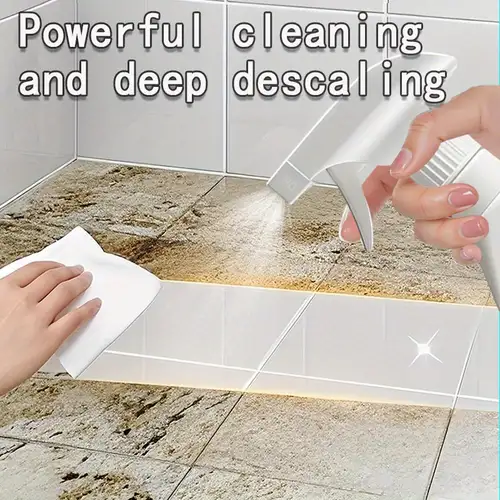
Start by choosing a cleaner that suits your tile type—mild dish soap mixed with warm water works wonders for most surfaces. Spray or apply the solution generously over the greasy areas, ensuring every corner is covered.
Give the cleaner a few minutes to work its magic. This waiting time allows the grease to soften, making it easier to remove without scrubbing too hard.
Scrubbing Techniques
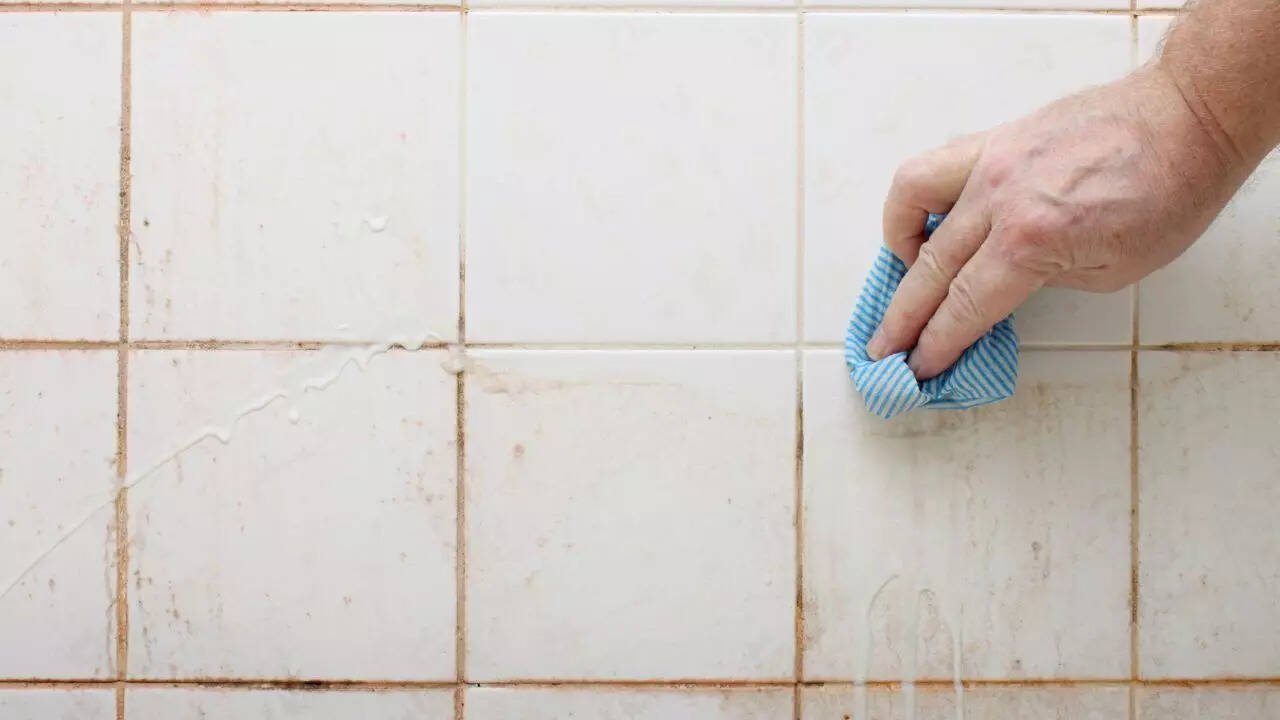
Use a soft sponge or a non-abrasive brush to scrub the tiles gently. Focus on circular motions to break down the greasy layer without scratching the tiles.
If you hit a stubborn spot, try applying a little more cleaner directly and let it sit briefly before scrubbing again. How much pressure you apply can make the difference between a spotless tile and a scratched one.
Rinsing And Drying
Rinse the tiles with clean water to wash away any leftover cleaner and loosened grease. Use a cloth or sponge dipped in fresh water to wipe down the surface thoroughly.
Finally, dry the tiles with a soft towel or microfiber cloth to prevent water spots and streaks. Have you noticed how much brighter your kitchen feels after this simple step?
Tackling Stubborn Grease Stains
Stubborn grease stains on kitchen wall tiles can be frustrating. They often resist regular cleaning and leave your kitchen looking dull. Tackling these tough stains requires the right tools and techniques to restore your tiles’ shine effectively.
Choosing The Right Cleaning Solution
Not all cleaners work the same on greasy tiles. You need a solution that breaks down oil without damaging the tile surface.
- Mix equal parts of white vinegar and warm water for a natural, effective cleaner.
- Use a commercial degreaser designed specifically for kitchen tiles if vinegar isn’t strong enough.
- Be cautious with bleach or harsh chemicals as they can discolor tiles or grout.
Have you noticed how some store-bought cleaners leave a residue? Testing a small area first can save you from bigger problems.
Using The Right Tools To Scrub
A soft cloth won’t always cut through thick grease. Choosing the right scrubbing tool can make a big difference.
- A nylon scrub brush or an old toothbrush works well for grout lines and corners.
- Microfiber cloths help lift grease without scratching the tiles.
- A sponge with a scrubbing side is great for larger tile surfaces.
Remember, scrubbing too hard can damage your tiles, so apply firm but gentle pressure. How much force have you used that left your tile surface scratched?
Applying Heat For Better Results
Heat softens grease and makes it easier to remove. You can use warm water or steam to loosen stubborn stains.
- Soak a cloth in hot water, wring it out, and lay it over the greasy area for a few minutes.
- Use a handheld steam cleaner if you have one, focusing on grout lines and tough spots.
Did you know that warming the cleaning solution slightly can increase its grease-cutting power? Just avoid boiling water as it might cause cracks.
Rinsing And Drying To Prevent Residue
After scrubbing, rinse the tiles thoroughly to remove leftover cleaner and grease.
- Use clean, warm water and a fresh cloth to wipe down the area.
- Dry the tiles with a microfiber towel to prevent water spots and streaks.
Skipping this step might leave a greasy film that attracts more dirt. How often do you rinse your tiles after cleaning?
Preventing Future Grease Build-up
Preventing future grease build-up on kitchen wall tiles keeps your kitchen fresh and clean. It reduces the time spent scrubbing tough stains. Simple habits and small changes make a big difference. Focus on daily care and smart kitchen practices to stop grease from sticking.
Regular Cleaning Routine
Clean your tiles regularly to stop grease from building up. Use a gentle cleaner suitable for tiles. Wipe the walls after cooking to remove fresh grease. A quick clean prevents stains from becoming hard to remove. Consistency is key for a shiny kitchen wall.
Using Protective Barriers
Install splash guards or clear plastic covers near cooking areas. These barriers catch grease before it reaches the tiles. Use heat-resistant materials for safety. Protective sheets are easy to clean or replace. They save time and keep tiles looking new longer.
Ventilation Tips
Proper airflow reduces grease particles in the air. Turn on exhaust fans or open windows while cooking. A kitchen hood helps capture smoke and grease. Good ventilation lowers moisture, preventing sticky residue on tiles. Fresh air helps keep your kitchen walls cleaner.
Choosing Commercial Cleaners
Choosing the right commercial cleaner is key for removing grease from kitchen wall tiles. The right product makes cleaning easier and protects your tiles. Many cleaners are available, but not all suit kitchen use. Consider safety and effectiveness to keep your kitchen fresh and damage-free.
Safe Ingredients To Look For
Choose cleaners with gentle, natural ingredients. These include:
- Vinegar – great for cutting grease without harsh chemicals
- Baking soda – a mild abrasive that cleans without scratching
- Citrus extracts – help dissolve grease and leave a fresh scent
- Plant-based surfactants – break down oils safely
These ingredients clean well and reduce health risks. They work on most tile surfaces without causing harm.
Avoiding Harmful Chemicals
Stay away from cleaners with strong acids or bleach. These can damage tile surfaces and grout. Avoid products with:
- Ammonia – can discolor tiles and irritate skin
- Phosphates – harmful to the environment and your health
- Chlorine bleach – may cause tile fading and toxic fumes
- Strong solvents – risk damaging tile glaze and sealants
Using harsh chemicals risks tile damage and indoor air quality. Safe cleaners protect your kitchen and family.

Credit: www.youtube.com
Frequently Asked Questions
How Do I Remove Grease From Kitchen Wall Tiles?
Use a mixture of warm water, dish soap, and vinegar. Apply with a sponge, scrub gently, then rinse and dry. This method effectively breaks down grease without damaging tiles.
What Homemade Cleaner Works Best For Greasy Tiles?
A blend of baking soda and water creates a gentle abrasive paste. Apply it to tiles, scrub lightly, then rinse off. It removes grease safely and refreshes the tile surface.
How Often Should Kitchen Tiles Be Cleaned To Avoid Grease?
Clean kitchen tiles weekly to prevent grease buildup. Regular maintenance stops stubborn stains and keeps tiles bright and hygienic.
Can Vinegar Damage Kitchen Wall Tiles?
No, vinegar is safe for most tiles when diluted. Use a 1:1 vinegar and water mix for cleaning. Avoid prolonged exposure to protect grout and tile finish.
Conclusion
Cleaning greasy kitchen wall tiles does not have to be hard. Use simple tools and gentle cleaners for best results. Regular cleaning keeps tiles shiny and fresh. Avoid harsh chemicals to protect the tile surface. A little effort each week saves big scrubbing later.
Enjoy a bright, clean kitchen space every day. Keep these tips handy for quick tile care. Easy steps lead to a cleaner, healthier kitchen environment.