How to Remove Grease from Kitchen Walls before Painting: Easy Steps
Are your kitchen walls covered in stubborn grease that just won’t come off? Before you pick up that paintbrush, it’s crucial to clean those walls properly.
If you don’t, the grease can stop the paint from sticking, leading to peeling and stains that ruin your fresh look. You’ll discover simple, effective ways to remove grease from your kitchen walls, ensuring your new paint job looks flawless and lasts longer.
Keep reading—you’re just a few easy steps away from transforming your kitchen into a fresh, clean space you’ll love.
Identify Grease Spots
Before you start scrubbing or painting, spotting the grease on your kitchen walls is crucial. Grease doesn’t always show up as obvious stains; sometimes it blends in with discoloration or a sticky film you only notice when you touch the surface. Taking the time to identify every greasy patch ensures your cleaning efforts won’t miss hidden spots that could affect how well the paint sticks later.
Look For Visual Clues
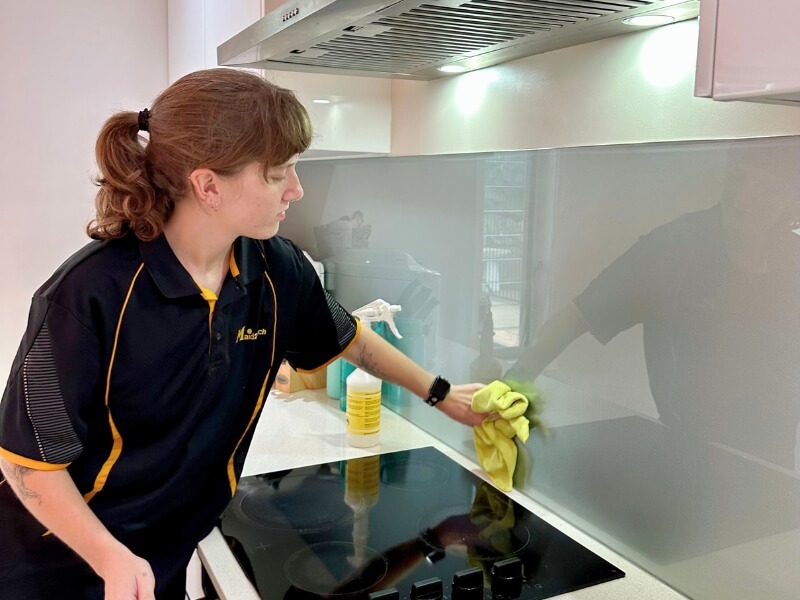
Grease spots often appear as darker or shinier patches compared to the rest of the wall. Check around cooking areas, especially near the stove, backsplash, and above countertops. Don’t forget corners and edges where grease can accumulate unnoticed over time.
Use Your Sense Of Touch
Run your hand gently over the wall’s surface. Greasy areas feel sticky or slick to the touch, even if they’re not clearly visible. This simple test can reveal spots that your eyes might miss, especially on textured walls or painted surfaces.
Check For Odors
Sometimes grease carries a faint, oily smell that lingers even after cleaning. If you notice an unusual kitchen odor near certain wall sections, it could indicate trapped grease. Smelling your walls might sound odd, but it’s an easy way to catch hidden grime before painting.
Use A Damp Cloth Test
Wipe a small area with a damp white cloth or paper towel. If the cloth picks up oily residue or turns slightly yellow, that spot is greasy. This technique helps confirm what you suspect visually or by touch, giving you clear evidence of where to focus your cleaning.
Assess High-traffic And Cooking Zones
Think about your cooking habits and kitchen layout. Grease tends to build up most around frying pans, grills, and frequently used surfaces. Identifying these zones helps you target your inspection and cleaning, saving time and effort.
Credit: www.maid2match.com.au
Gather Cleaning Supplies
Gathering the right cleaning supplies is essential before removing grease from kitchen walls. The correct tools and products make the process easier and more effective. Prepare everything you need to avoid interruptions while cleaning.
Choose cleaning supplies that can break down grease and are safe for your wall surfaces. Having the right items ready helps you work faster and cleaner.
Cleaning Agents For Grease Removal
- Dish soap: A mild detergent that cuts grease well.
- Baking soda: A gentle abrasive to lift stubborn stains.
- White vinegar: Helps dissolve grease and deodorizes.
- Commercial degreaser: Stronger option for tough grease spots.
Tools Needed For Cleaning
- Soft sponges: Avoid scratching the wall surface.
- Microfiber cloths: Great for wiping and drying.
- Spray bottles: Useful for applying cleaning solutions evenly.
- Bucket: For mixing cleaning solutions and rinsing tools.
Protective Gear To Use
- Rubber gloves: Protect your skin from cleaning chemicals.
- Old towels or drop cloths: Shield floors and furniture from drips.
- Safety goggles: Prevent splashes from reaching your eyes.
Prepare Cleaning Solution
Preparing the right cleaning solution is key to removing grease from kitchen walls effectively. The solution should break down oil and dirt without damaging the paint or wall surface. Choose ingredients that are easy to find and safe to use. Mixing the solution correctly ensures the cleaning process is smooth and thorough.
Use Dish Soap And Warm Water
Dish soap cuts through grease easily. Mix a few drops of dish soap with warm water in a bucket. Stir gently to create suds. Dip a soft cloth or sponge into the solution. Wring out excess water to avoid soaking the wall. Gently wipe the greasy areas to lift the dirt. Rinse the cloth often and change the water if it gets too dirty.
Try Baking Soda Paste
Baking soda is a mild abrasive and natural cleaner. Mix baking soda with a small amount of water to make a thick paste. Apply the paste to the greasy spots on the wall. Let it sit for 10 to 15 minutes. Use a damp cloth or sponge to scrub the area softly. Baking soda removes tough grease without harsh chemicals.
Apply Vinegar Mixture
White vinegar breaks down grease and acts as a deodorizer. Mix equal parts white vinegar and water in a spray bottle. Spray the solution onto the greasy wall sections. Allow it to sit for five to ten minutes. Wipe the area with a clean cloth or sponge. Vinegar helps remove oil residues and freshens the surface.
Test Cleaning Method
Before cleaning the entire kitchen wall, test the cleaning method first. This step helps avoid damage to the paint or wall surface. Testing ensures the cleaner is safe and effective for your walls. It saves time and prevents costly repairs later.
Choose a small, hidden spot on the wall for testing. Apply the cleaning solution gently and wait a few minutes. Check for any discoloration, peeling, or damage. If the wall looks fine, proceed with cleaning the rest of the area.
Prepare A Small Test Area
Pick an area behind appliances or near a corner. Clean this spot with the chosen solution. Use a soft cloth or sponge to avoid scratching. Let it dry completely before inspection.
Observe The Wall’s Reaction
Look closely for any changes in color or texture. Watch for bubbling or paint peeling. If any damage appears, try a milder cleaner or different method. Repeat testing until you find a safe option.
Adjust Cleaning Solution If Needed
Dilute strong cleaners with water to reduce their effect. Test the diluted solution again on the small area. Use natural cleaners like vinegar or baking soda for sensitive walls. Keep testing until the wall remains intact.
Confirm Safety Before Full Cleaning
Only clean the entire wall after the test area stays undamaged. This step ensures your walls remain beautiful and smooth. It gives confidence to start the full cleaning process.
Clean The Walls
Cleaning kitchen walls before painting is essential to remove grease and dirt. Grease can stop paint from sticking well. It also makes the surface uneven. Proper cleaning helps the paint look fresh and last longer. Use the right tools and gentle cleaning methods to protect your walls.
Apply Solution With Sponge
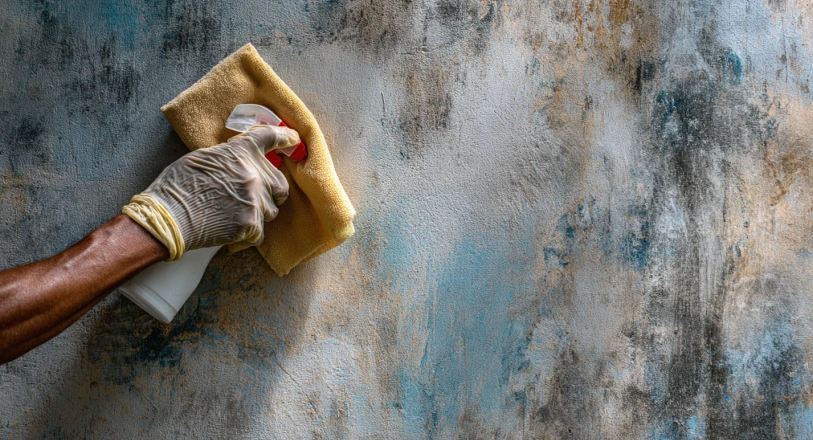
Prepare a cleaning solution with warm water and mild dish soap. Dip a soft sponge into the solution. Wring out the sponge to avoid dripping. Gently apply the solution on greasy spots. Cover the entire wall area that needs cleaning.
Scrub Gently
Use light pressure to scrub the walls. Avoid harsh scrubbing that can damage paint or drywall. Focus on areas with heavy grease buildup. Move the sponge in small circles. This helps lift grease without scratching the surface.
Rinse Thoroughly
Fill a bucket with clean water. Use a fresh sponge or cloth to rinse the walls. Remove all soap and grease residues. Change the water if it gets dirty. Let the walls dry completely before painting.
Credit: www.nobroker.in
Dry The Walls
After washing away the grease from your kitchen walls, drying them thoroughly is crucial before you start painting. Moisture left on the walls can prevent paint from adhering properly, leading to peeling or bubbling later on. Taking the time to dry the walls well ensures a smooth, long-lasting finish.
Use Fans And Open Windows
Air circulation speeds up the drying process. Place fans in the room to blow air across the walls. Open windows to let fresh air in and help moisture escape quickly.
I once tried painting a kitchen without proper drying, and the paint bubbled within days. Using fans and ventilation makes a noticeable difference in how well the paint sticks.
Wipe Walls With A Dry Cloth
After washing, use a clean, dry microfiber cloth to gently wipe the walls. This removes excess water and helps the surface dry faster. It also prevents streaks and spots from forming when you paint.
Make sure to reach corners and edges, where water tends to collect. This simple step saves you from uneven paint textures later.
Check For Dampness Before Painting
Touch the wall with your hand to feel for any damp spots. You want the surface completely dry to avoid trapping moisture under the paint. If the wall still feels cool or wet, give it more time to dry.
Have you ever painted over a damp wall and regretted it? Waiting a little longer might seem tedious, but it protects your work and investment.
Inspect For Remaining Grease
Inspecting for remaining grease is a key step before painting kitchen walls. Even a small amount of grease can affect paint adhesion and cause stains later. Take time to carefully check the entire wall surface.
Look closely at areas near the stove, exhaust fan, and countertops. These spots often hold hidden grease. Use good light to see glossy or sticky patches that feel different from the dry wall.
Touch the wall gently with your fingers. Grease feels slippery or oily. If you notice any spots like this, those areas need more cleaning before painting.
Use A Bright Light To Spot Grease
Shine a flashlight or portable lamp at an angle across the wall. This reveals shiny grease streaks or smudges that normal light hides. Move the light slowly and watch carefully.
Perform A Water Test On The Wall
Rub a small area with a damp white cloth. If the cloth picks up oily residue or looks greasy, the wall still has grease. Repeat cleaning and test again until the cloth stays clean.
Mark Greasy Areas For Extra Cleaning
Use painter’s tape or a pencil to mark spots with grease. This helps target those areas during your next cleaning session. It prevents missing any greasy patches before painting.

Credit: www.familyhandyman.com
Prep Walls For Painting
Preparing your kitchen walls before painting is essential to achieve a smooth, long-lasting finish. After removing grease, you need to focus on making the surface ready for paint adhesion. This preparation helps prevent peeling and uneven texture, saving you time and effort in the long run.
Sand If Needed
Check your walls closely for any rough patches or leftover grease spots. Sanding these areas gently with fine-grit sandpaper will create an even surface that paint can stick to better. I once skipped this step and ended up with paint peeling off within weeks—don’t make the same mistake.
Use light, circular motions when sanding to avoid damaging the drywall. After sanding, wipe down the walls with a damp cloth to remove dust. This simple step makes a big difference in paint application.
Apply Primer
Primer acts as a base that seals the wall and improves paint coverage. It’s especially important in kitchens where grease and stains were present. Skipping primer can cause stains to bleed through your new paint, ruining your fresh look.
Choose a stain-blocking primer designed for kitchens or high-humidity areas. Apply it evenly using a roller or brush, focusing on previously greasy spots. Have you noticed how primer can make colors pop more vibrantly? That’s the magic behind a well-prepped wall.
Frequently Asked Questions
How Do I Remove Grease From Kitchen Walls Effectively?
Use a mixture of warm water, dish soap, and baking soda. Apply with a sponge, scrub gently, and rinse well. Repeat if necessary for tough stains before painting.
What Household Items Clean Grease On Walls Safely?
Common items like vinegar, baking soda, and dish soap work well. These are non-toxic, affordable, and effective at breaking down grease without damaging paint.
Can I Paint Over Greasy Kitchen Walls Directly?
No, painting over grease leads to poor adhesion and peeling. Always clean and degrease walls thoroughly before applying primer and paint.
How Often Should Kitchen Walls Be Cleaned From Grease?
Clean kitchen walls monthly or after heavy cooking. Regular cleaning prevents grease buildup, keeping surfaces fresh and ready for repainting when needed.
Conclusion
Grease on kitchen walls can ruin a fresh paint job. Clean walls ensure paint sticks well. Use a gentle cleaner and a sponge to scrub. Rinse with warm water. Dry thoroughly before painting. This simple process saves time and money.
Clean walls make painting easier and more effective. Your kitchen will look fresh and inviting. Don’t skip this step. It makes all the difference. With clean walls, your kitchen’s new paint will shine. Enjoy the transformation. Happy painting!