How to Fit Kitchen Wall Units: Easy Steps for a Perfect Installation
Transforming your kitchen into a functional and stylish space can start with something as simple as fitting wall units. Whether you’re revamping your kitchen or just adding a touch of elegance, knowing how to fit kitchen wall units is a valuable skill.
Imagine the satisfaction you’ll feel as you stand back and admire your handiwork. But before you dive in, it’s essential to grasp the right techniques and tips to ensure your project is a success. In this guide, you’ll discover easy-to-follow steps that will make the process smooth and rewarding.
As you read on, you’ll find practical advice and insights that will empower you to handle this task with confidence. Get ready to enhance your kitchen’s aesthetic and functionality, and enjoy the process from start to finish.

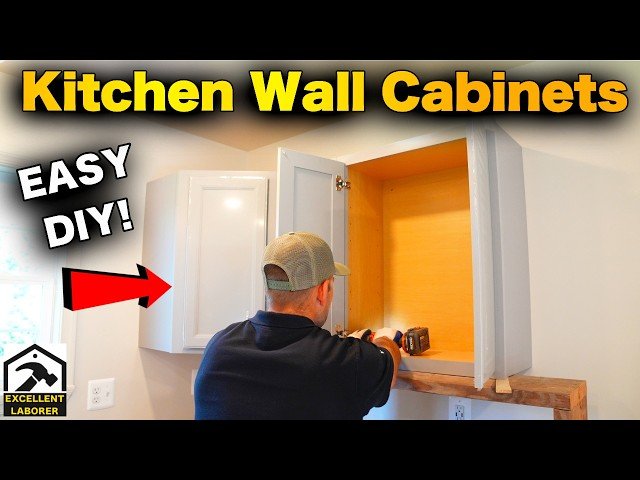
Credit: www.youtube.com
Tools And Materials Needed
Fitting kitchen wall units requires more than just a steady hand and patience. Having the right tools and materials at your disposal can make the process smoother and safer. Before you start drilling into your walls, take a moment to gather everything you need to avoid interruptions and mistakes.
Essential Tools
- Measuring tape:Accurate measurements are crucial. You want your units to fit perfectly and align well with other kitchen elements.
- Spirit level:This ensures your units hang straight. A crooked cabinet can ruin the entire look of your kitchen.
- Power drill and drill bits:A power drill speeds up the job, especially when fixing heavy units. Choose the right drill bit for your wall type.
- Screwdriver:Even if you use a drill, having a screwdriver on hand helps with final adjustments and hard-to-reach screws.
- Stud finder:Finding wall studs means stronger, more secure fixtures. Have you ever tried mounting cabinets on drywall alone? It’s risky!
- Hammer:Sometimes you need it for wall plugs or knocking small nails.
- Pencil:Marking positions before drilling prevents costly mistakes.
Materials Checklist
- Wall units:Choose the right size and style that fits your kitchen space.
- Fixings:Heavy-duty wall plugs, screws, and brackets designed to support the weight of your units.
- Shims or packers:These help level the units if your walls are uneven. Have you noticed how many older homes have slightly crooked walls?
- Wood glue or adhesive:Optional, but can add extra hold for certain fittings.
- Protective gear:Safety glasses and gloves keep you safe during drilling and handling heavy units.
Getting your tools and materials ready is more than a checklist task—it’s the foundation for a successful kitchen upgrade. Have you ever started a project only to realize halfway through that you’re missing a key tool? Avoid that frustration by preparing thoroughly.

Credit: www.familyhandyman.com
Preparing The Wall
Preparing the wall is the first key task before fitting kitchen wall units. A well-prepared wall ensures the units hang securely and align properly. This process involves measuring, marking, finding studs, and checking the wall’s level.
Measuring And Marking
Start by measuring the height where the units will hang. Use a tape measure and pencil for accuracy. Mark a straight horizontal line across the wall. This line guides the top or bottom of the units. Double-check measurements to avoid mistakes. Mark the positions for each unit clearly.
Locating Wall Studs
Wall studs provide strong support for heavy kitchen units. Use a stud finder to locate them behind the wall surface. Mark each stud with a pencil along the measuring line. If you don’t have a stud finder, tap the wall and listen for solid sounds. Secure fixing into studs prevents units from falling.
Checking Wall Level
Use a spirit level to check if the wall is even. Place it on the marked line and adjust the marks if needed. An uneven wall can cause units to hang crooked. Make extra marks or use shims to balance the units later. Ensuring a level surface helps achieve a neat finish.
Setting Up The Wall Units
Setting up kitchen wall units is a crucial part of upgrading your kitchen’s storage and style. It requires careful preparation to ensure everything fits securely and looks great. You’ll want to focus on assembling each unit correctly and then attaching the hanging rails firmly to support the weight.
Assembling Units
Start by unpacking all parts and checking the instructions carefully. Lay out the panels on a flat surface to avoid scratches. Use the right screws and fittings to connect the sides, top, and bottom securely.
Take your time aligning the edges perfectly—this makes a big difference when you mount the units. If you’ve ever rushed this part, you know how frustrating it is when doors don’t close properly. Double-check that shelves are stable and doors open smoothly before moving on.
Attaching Hanging Rails
The hanging rails carry the full weight of your wall units, so you need to fix them solidly to the wall. Use a stud finder to locate wall studs and mark these spots clearly. Screwing into studs ensures your units won’t come loose over time.
- Measure and mark the height for the rail carefully to keep all units level.
- Use a spirit level to avoid crooked installation.
- Secure the rail with heavy-duty screws that match your wall type.
Have you considered what happens if you miss a stud or use weak fixings? The whole unit might fall, causing damage or injury. Always prioritize safety over speed here. Once the rails are in place, your wall units will hang firmly and look professional.
Fixing The Units To The Wall
Fixing kitchen wall units to the wall is a key step in the installation process. It ensures the units stay secure and safe during daily use. Proper attachment prevents accidents and protects your kitchen walls.
Choosing the right points on the wall and the correct fixings will give the units strong support. This section covers how to secure units to studs and which fixings to use for a stable fit.
Securing Units To Studs
Studs are vertical wooden beams behind your wall. They provide the strongest support for heavy kitchen units. Use a stud finder to locate these beams accurately.
Mark the stud positions clearly before drilling. Align the unit’s mounting rail with the studs. Screwing directly into studs gives a firm hold.
Avoid fixing units only to plasterboard. It cannot support the weight of wall units reliably. Always check the wall type and find studs first.
Using Appropriate Fixings
Use screws long enough to reach deep into the studs. Typically, 60-80 mm screws work well. Choose screws with a wide thread for better grip.
For walls without studs, use heavy-duty wall plugs designed for your wall type. Expansion anchors or toggle bolts may be needed for hollow walls.
Check the weight rating of fixings before buying. Match fixings to the unit’s weight to ensure safety. Tighten screws firmly but avoid over-tightening to prevent damage.
Aligning And Adjusting Units
Aligning and adjusting kitchen wall units ensures a neat, professional look. This step prevents uneven gaps and crooked cabinets. Proper alignment also helps doors open smoothly and improves overall kitchen function.
Leveling The Units
Use a spirit level to check each unit’s position. Place the level on top of the cabinet to see if it is straight. Adjust by adding shims behind the unit or tightening screws. Repeat this for all units to keep a consistent height. Proper leveling stops doors from swinging open or closing unevenly.
Spacing And Gaps
Maintain equal gaps between units for a clean appearance. Small gaps allow for door movement and minor adjustments. Use spacers or thin strips to keep consistent space while fixing units. Avoid large gaps, which can look sloppy and let dust collect. Check gaps after installation and tweak if necessary for perfect alignment.
Finishing Touches
The finishing touches are what transform your kitchen wall units from a basic installation into a polished, functional feature. These final steps not only enhance the look but also improve usability. Paying attention to details like doors, shelves, trim, and moulding can make a big difference in how your kitchen feels and works.
Installing Doors And Shelves
Attaching the doors correctly is crucial for smooth operation and a neat appearance. Use a level to ensure the doors hang straight and adjust the hinges as needed to avoid gaps or misalignment.
When adding shelves, consider adjustable options. This flexibility lets you change the shelf height based on what you need to store, whether it’s tall spice jars or short mugs. Make sure the shelf supports are firmly fixed to prevent any wobbling or sagging over time.
Adding Trim And Moulding
Trim and moulding give your units a finished look by covering gaps and raw edges. Choose styles that match your kitchen’s overall design, whether modern, traditional, or something in between.
Use a nail gun or small finishing nails to attach trim pieces securely. Filling nail holes and sanding the surface smooth will prepare them for painting or staining, ensuring a professional finish.
Have you noticed how a simple strip of trim can make your cabinets look custom-built? That small detail can elevate your kitchen and boost its value without a huge investment.
Common Mistakes To Avoid
Fitting kitchen wall units can change your kitchen’s look instantly. Avoiding common mistakes helps ensure a smooth installation. Many beginners make errors that lead to wasted time and extra costs. Knowing what to avoid makes the process easier and more efficient.
Not Checking Wall Strength
Wall units must be fixed to strong walls. Drywall alone cannot hold heavy cabinets. Find studs or use proper anchors for support. Ignoring wall strength can cause units to fall.
Skipping Accurate Measurements
Measure twice, cut once. Wrong measurements cause gaps or tight fits. Use a level and tape measure carefully. Small errors affect the whole installation.
Poor Planning Of Unit Heights
Set units at comfortable heights for daily use. Too high or low makes access hard. Plan space for appliances and worktops below the units.
Forgetting To Mark Stud Positions
Marking studs before drilling saves time and effort. Drilling without marks leads to weak fixing points. Use a stud finder to locate safe spots.
Ignoring The Need For A Spirit Level
Wall units must be perfectly level. An uneven unit looks bad and causes door misalignment. Use a spirit level at every stage.
Not Securing Units Properly
Loose screws or weak brackets cause instability. Use the right screws and tighten them fully. Check stability before adding weight inside units.
Failing To Plan For Plumbing And Electricals
Wall units can block pipes or sockets. Plan unit positions around existing plumbing and wiring. Avoid costly adjustments later.
Neglecting Safety Measures
Wear safety gear like gloves and goggles. Use ladders safely and keep tools organized. Safety reduces the risk of accidents during fitting.

Credit: m.youtube.com
Frequently Asked Questions
How Do I Measure For Kitchen Wall Units?
Measure the wall’s height, width, and depth accurately. Account for ceiling height and space above countertops. Use a tape measure and note all dimensions to ensure units fit perfectly and align with existing fixtures.
What Tools Are Needed To Fit Kitchen Wall Units?
You need a drill, spirit level, screwdriver, tape measure, pencil, and wall plugs. These tools help secure units safely and ensure they are level and properly aligned on the wall.
How High Should Kitchen Wall Units Be Installed?
Install units 18 inches above the countertop for easy access. Adjust height based on user comfort and kitchen design to maintain functionality and a balanced look.
Can I Fit Kitchen Wall Units On Plasterboard Walls?
Yes, but use appropriate wall anchors or toggle bolts. Ensure the plasterboard can support the units’ weight or install additional support if needed.
Conclusion
Fitting kitchen wall units takes patience and careful measuring. Start by marking your wall and checking for studs. Use a level to keep units straight. Secure each unit tightly to avoid accidents. Take your time to align doors and shelves correctly.
Small adjustments make a big difference in the final look. With the right steps, your kitchen will look neat and organized. Enjoy your new space and the extra storage it brings. Simple work, great results.