How to Clean Oil from Kitchen Walls: Easy Steps for a Spotless Shine
Are you tired of those stubborn oil stains clinging to your kitchen walls? You’re not alone.
Many people find themselves frustrated by the greasy residue that seems to appear out of nowhere. But don’t worry, there’s a solution! In this guide, you’ll discover simple and effective ways to restore your kitchen walls to their original sparkle.
Imagine walking into your kitchen and feeling a sense of pride, knowing it looks spotless and fresh. With just a few easy steps, you can make this dream a reality. Keep reading to learn how you can effortlessly transform your kitchen into a clean and welcoming space. Your walls will thank you, and so will anyone who steps into your spotless kitchen.
Causes Of Oil Buildup
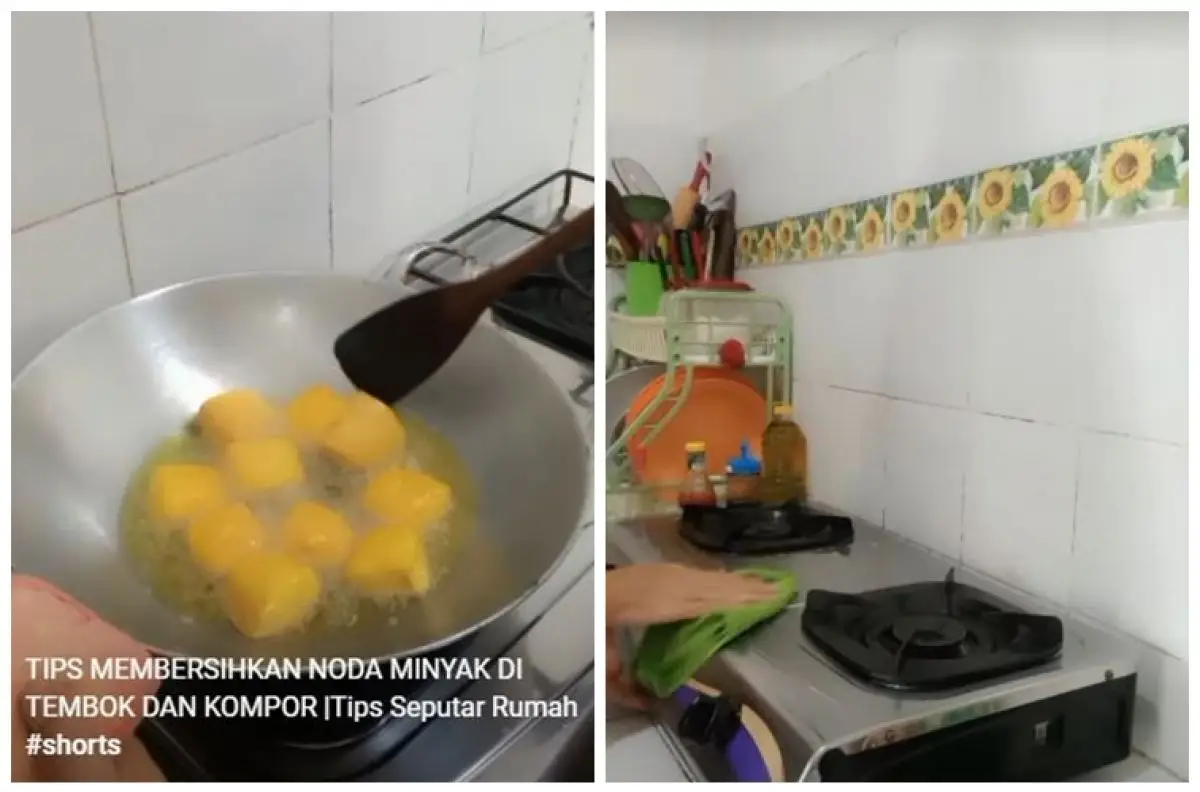
Oil buildup on kitchen walls happens over time. Cooking releases tiny oil droplets into the air. These droplets settle on walls and surfaces. Without cleaning, the oil layers grow thicker. Understanding where oil comes from helps prevent and clean it effectively.
Common Kitchen Sources
- Frying and sautéing food produce splatters.
- Boiling greasy dishes releases steam with oil.
- Using deep fryers sends oil mist into the air.
- Grease from cooking meat often splashes around.
- Oven and stove vents can spread oil particles.
- Spills and splashes during food prep add to buildup.
Effects On Wall Surfaces
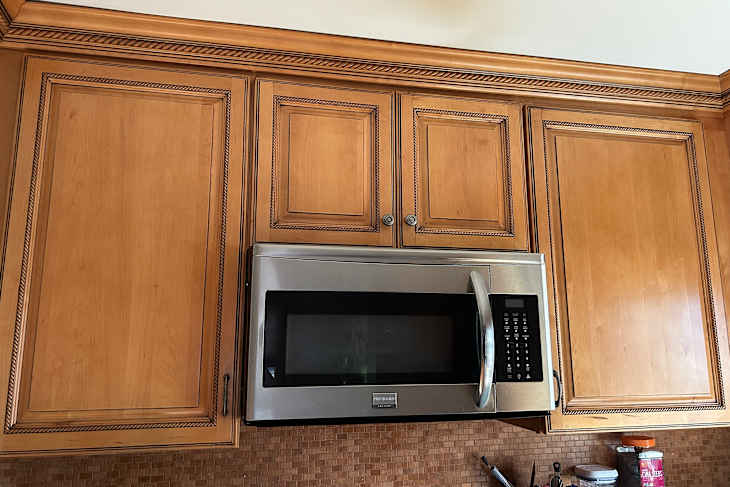
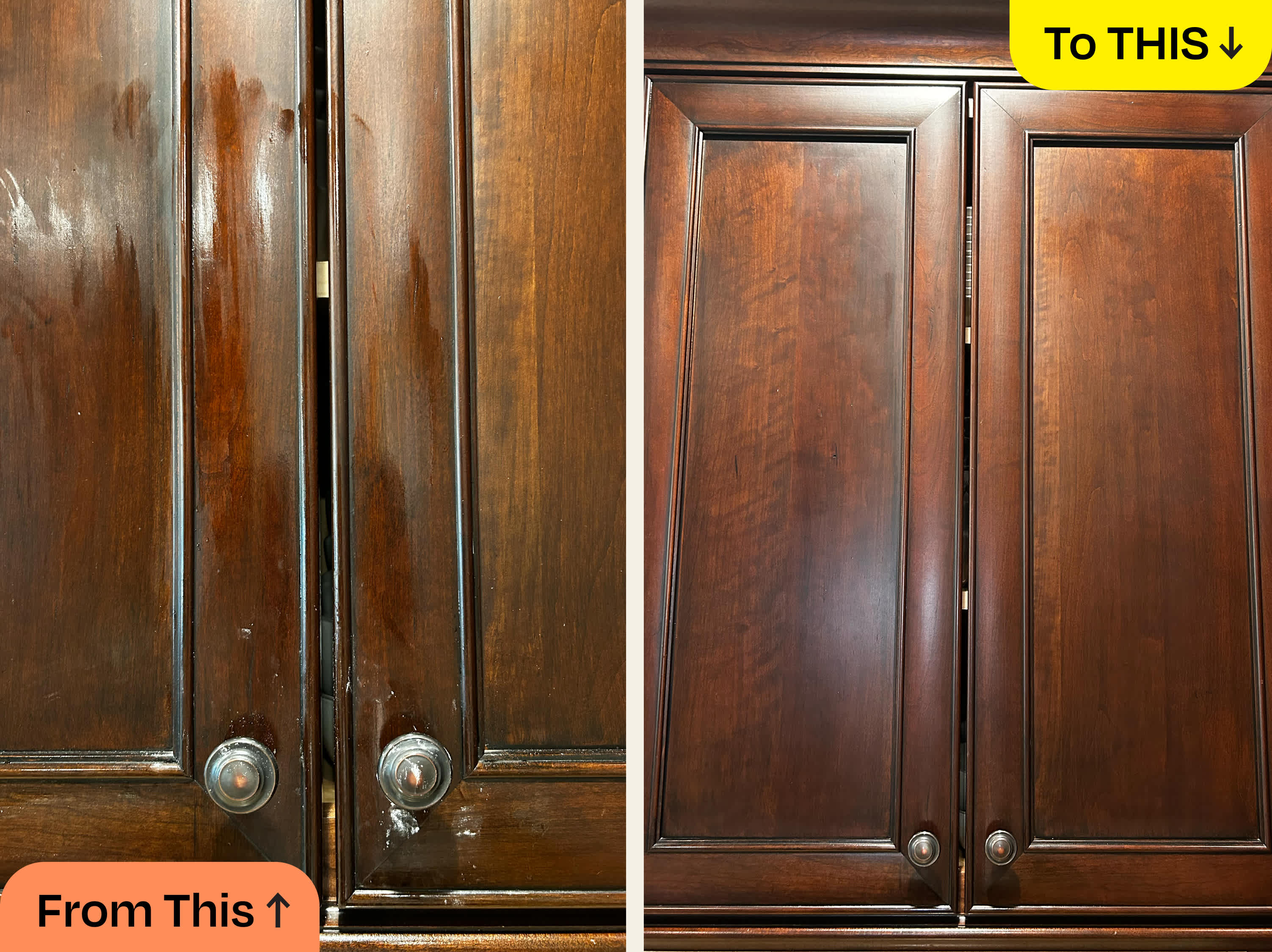
Oil makes walls sticky and dull over time. It attracts dust and dirt easily. Walls may develop yellowish or brown stains. Paint can peel or discolor from constant oil exposure. The smell of old grease can linger in the kitchen. Oil buildup can damage wall materials if ignored.
Credit: www.thekitchn.com
Essential Cleaning Supplies
Cleaning oil from kitchen walls can feel like a tough job, but having the right supplies makes a huge difference. Before you start scrubbing, gather essential cleaning ingredients and tools that tackle grease effectively without damaging your walls. Knowing what to use helps you save time and effort while achieving sparkling results.
Household Ingredients
You might be surprised how many common kitchen staples work wonders on greasy walls. These ingredients are often already in your pantry, which means no extra trips to the store.
- White vinegar:Its acidic nature cuts through oil and grime quickly. Dilute it with water for a safe and effective cleaner.
- Baking soda:This gentle abrasive lifts stubborn stains without scratching surfaces. Mix it into a paste for targeted cleaning.
- Dish soap:Designed to break down grease on dishes, it works just as well on walls. Use a few drops with warm water for a powerful degreaser.
- Lemon juice:Besides its fresh scent, the natural acid helps dissolve oily residues. Combine it with water or baking soda for extra cleaning power.
Have you ever tried mixing baking soda and vinegar for a fizzing effect? It’s not just fun to watch but also boosts the cleaning action. Experimenting with these ingredients can give you a customized solution that fits your kitchen’s needs.
Recommended Tools
Having the right tools makes the cleaning process smoother and more effective. Choose items that help you reach every greasy corner without damaging your walls.
- Soft sponges or microfiber cloths:These hold cleaning solutions well and gently scrub without scratching paint or wallpaper.
- Spray bottles:Perfect for mixing and applying homemade cleaners evenly on walls.
- Bucket:Useful for preparing cleaning solutions and rinsing your cloth or sponge.
- Old toothbrush or small brush:Ideal for scrubbing tight spots or textured surfaces where oil hides.
- Rubber gloves:Protect your hands from harsh ingredients and keep your skin comfortable during cleaning.
Think about the last time you cleaned a tough spot on your wall—did you have the right tool? Using a worn-out rag or a rough brush can make the task harder and leave marks behind. Investing in proper tools makes all the difference in achieving a clean, fresh kitchen wall.
Preparation Before Cleaning
Preparing your kitchen walls before cleaning oil stains is essential. Proper preparation helps protect surfaces and ensures safety. Taking a few simple steps makes the cleaning process smoother and more effective. Preparation also prevents damage to other areas in the kitchen.
Protecting Surrounding Areas
Cover nearby surfaces to avoid accidental splashes. Use old newspapers or plastic sheets on countertops and floors. Tape the edges to keep covers in place. Remove or shield any fragile items or electronics near the walls. This keeps your kitchen safe and clean during the process.
Safety Tips
Wear rubber gloves to protect your hands from harsh cleaners. Open windows or turn on the exhaust fan for good ventilation. Avoid mixing cleaning products as this can cause harmful fumes. Use a stable ladder or step stool if you need to reach high spots. Keep children and pets away from the cleaning area.
Credit: www.thekitchn.com
Step-by-step Cleaning Process
Cleaning oil from kitchen walls requires a clear and simple process. Following a step-by-step approach makes the task easier and more effective. This process removes grease and leaves your walls fresh and clean. The key is to use the right tools and solutions while working carefully.
Initial Wipe Down
Start by wiping the walls with a dry cloth or paper towel. This removes loose dust and surface dirt. Use gentle pressure to avoid spreading the oil further. Focus on the areas with visible grease spots. Preparing the surface helps the cleaning solutions work better.
Applying Cleaning Solutions
Choose a mild detergent or a special kitchen degreaser. Mix it with warm water in a bucket. Dip a sponge or soft cloth into the solution and wring out excess water. Gently scrub the oily areas in circular motions. Avoid soaking the wall to prevent damage.
Removing Stubborn Oil Stains
For tough stains, use a paste made of baking soda and water. Apply the paste directly on the stains and let it sit for 10 minutes. Scrub the area lightly with a soft brush or sponge. Baking soda helps lift the oil without harsh chemicals.
Final Rinse And Dry
Rinse the walls with clean water using a damp cloth. Remove all soap and residue to prevent streaks. Dry the surface with a clean towel or microfiber cloth. Proper drying stops water marks and keeps walls looking smooth.
Natural Cleaning Alternatives
Natural cleaning alternatives offer safe and effective ways to remove oil from kitchen walls. These solutions use common household items that work well without harsh chemicals. They are gentle on surfaces and better for indoor air quality. Using natural ingredients also helps reduce waste and environmental impact.
Vinegar And Baking Soda
Vinegar is a powerful cleaner that cuts through grease easily. Baking soda adds gentle scrubbing power and deodorizes surfaces. Together, they create a natural and safe cleaning paste.
- Mix equal parts vinegar and water in a spray bottle.
- Sprinkle baking soda on the oily wall areas.
- Spray the vinegar solution over the baking soda.
- Let it fizz and sit for 5–10 minutes.
- Use a soft cloth or sponge to wipe the wall clean.
- Rinse with warm water and dry with a towel.
This method removes stubborn oil stains and freshens the kitchen walls.
Lemon Juice Methods
Lemon juice contains natural acids that break down grease quickly. It also leaves a fresh, clean scent behind.
- Cut a lemon in half and squeeze the juice into a bowl.
- Mix the lemon juice with a little warm water.
- Dip a cloth or sponge into the mixture.
- Gently scrub the oily spots on the wall.
- Let it sit for a few minutes to dissolve the oil.
- Wipe the wall with a clean damp cloth.
Lemon juice works well for light to moderate oil stains and refreshes the kitchen atmosphere naturally.
Preventing Future Oil Stains
Preventing future oil stains on kitchen walls keeps your space clean and fresh. A few simple habits and tools help reduce grease buildup. This saves time and effort on deep cleaning later.
Regular Maintenance
Wipe kitchen walls often with a damp cloth. This stops grease from settling and hardening. Use a mild detergent for better cleaning. Clean splatters soon after cooking to avoid stains. Regular checks help catch spots before they grow.
Using Protective Barriers
Install splash guards or panels behind cooking areas. These barriers protect walls from oil sprays. Choose easy-to-clean materials like glass or plastic. Use washable paint with a glossy finish for walls. This makes wiping grease off much easier.
Tips For Different Wall Types
Cleaning oil from kitchen walls requires different approaches based on wall types. Each surface reacts differently to cleaning agents and methods. Knowing the right technique helps protect your walls and remove stains effectively.
Painted Walls
Use mild soap mixed with warm water. Avoid harsh scrubbing to prevent paint damage. Apply the solution with a soft sponge or cloth. Gently wipe the oily spots in small circles. Dry the area with a clean towel to avoid streaks. Test any cleaner on a hidden spot first.
Tiled Surfaces
Tiles handle stronger cleaners well. Use a mixture of vinegar and water or a gentle degreaser. Spray the solution on the tiles and grout lines. Let it sit for a few minutes to break down oil. Scrub with a soft brush or sponge. Rinse thoroughly with clean water and dry.
Wallpapered Areas
Wallpaper is delicate and needs extra care. Use a dry sponge or soft cloth to blot oil gently. Avoid using too much water or liquid cleaners. Spot clean with a mild detergent diluted in water if needed. Dab carefully and avoid rubbing. Let the area air dry completely to prevent damage.

Credit: www.youtube.com
Frequently Asked Questions
How Do I Remove Oil Stains From Kitchen Walls?
Use a mixture of warm water, dish soap, and vinegar. Apply with a sponge, scrub gently, then wipe clean. Repeat if needed until stains disappear.
What Household Items Clean Greasy Kitchen Walls Effectively?
Common items like baking soda, white vinegar, and dish soap work well. They break down grease and are safe for most wall surfaces.
Can I Use Commercial Cleaners On Kitchen Walls?
Yes, but choose a degreaser suitable for painted walls. Test a small area first to avoid damage or discoloration.
How Often Should I Clean Oil From Kitchen Walls?
Clean kitchen walls at least once a month or after heavy cooking. Regular cleaning prevents buildup and keeps walls fresh.
Conclusion
Cleaning oil from kitchen walls is easier than it seems. Use common household items like vinegar and baking soda. Gently scrub to avoid damaging the paint. Regular cleaning stops grease buildup and keeps walls fresh. Act quickly to prevent stains from setting in.
A clean kitchen feels more inviting and healthy. Try these simple steps to maintain your kitchen walls daily. Small efforts bring big results. Keep your cooking space bright and grease-free.