What Color to Paint My Kitchen Walls: Expert Tips for Stunning Spaces
Choosing the right color to paint your kitchen walls can feel like a daunting decision. After all, the kitchen is the heart of your home—a place where you create meals, share stories, and gather with loved ones.
The color you choose can influence not only the mood of the room but also your appetite and energy levels. Have you ever noticed how a soft yellow can make a space feel sunny and inviting, or how a crisp white can make everything look clean and fresh?
The right color can transform your kitchen from just another room into a vibrant and welcoming space. So, how do you decide on the perfect hue? Let’s dive into the nuances of color psychology and explore tips that can help you make a choice that you’ll love every time you step into your kitchen. Stick around, because by the end of this article, you’ll have the confidence to pick a color that suits your style and meets your needs.

Credit: www.angi.com
Choosing Kitchen Colors
Choosing the right color for your kitchen walls can completely change the mood and functionality of the space. It’s more than just picking a favorite shade; it’s about how the color interacts with your kitchen’s unique features. Your choice will affect how spacious, bright, and welcoming your kitchen feels every day.
Consider Kitchen Size And Lighting
Think about how big your kitchen is before selecting a color. Lighter colors like soft whites, pale blues, or gentle grays can make a small kitchen feel more open and airy. Darker shades work well in large kitchens but can make small spaces feel cramped.
Lighting plays a big role too. Natural light brings out the true tones of paint, while artificial light can change how colors look throughout the day. Try painting a small patch on your wall and observe it at different times to see how it reacts to your kitchen’s lighting.
Match Colors With Cabinets And Countertops
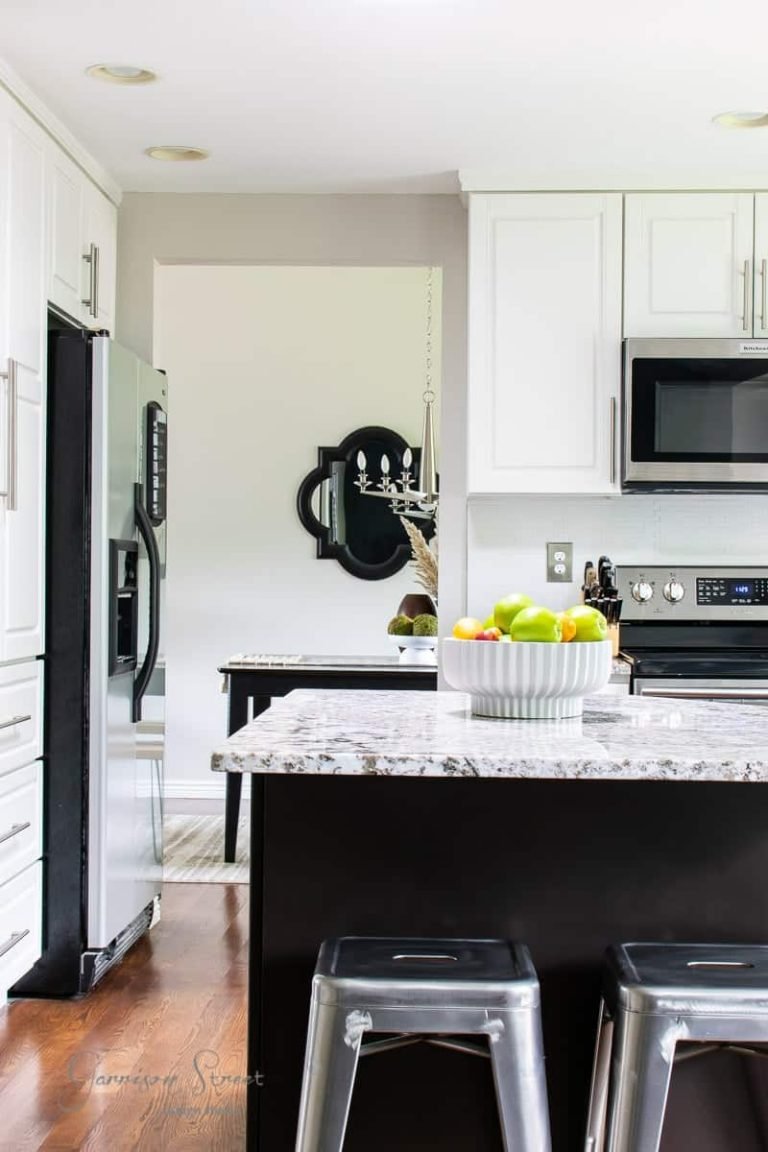
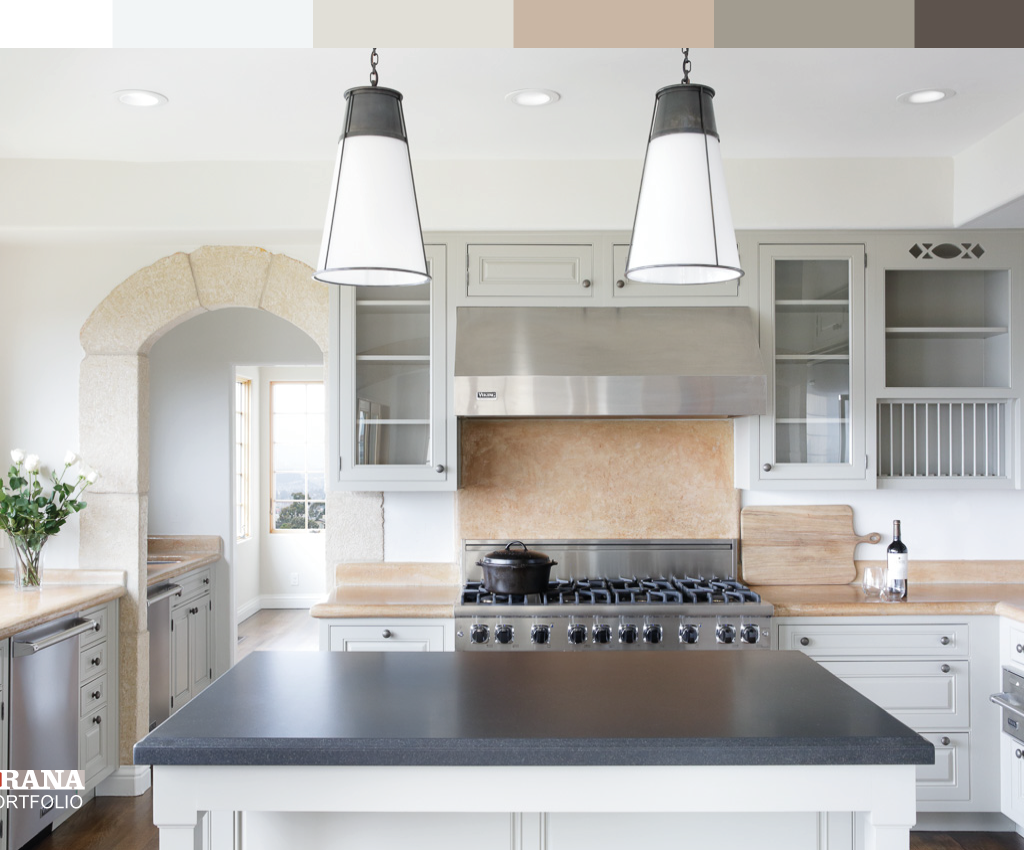
Your walls should complement the colors of your cabinets and countertops rather than clash with them. If you have dark wood cabinets, lighter wall colors create a nice contrast and prevent the room from feeling heavy. For white or light-colored cabinets, you can choose bolder colors that add character without overwhelming the space.
Consider the undertones as well—warm cabinets pair better with warm wall colors like creamy yellows or soft reds, while cool cabinets look great with blues and greens. This balance keeps the kitchen visually cohesive and inviting.
Explore Popular Kitchen Color Trends
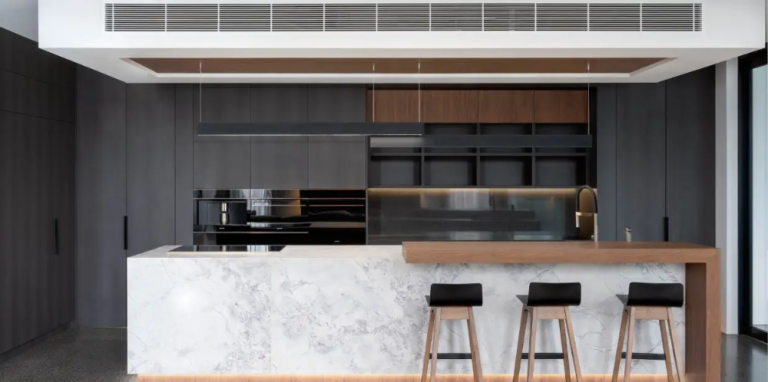
Neutral colors like beige, gray, and white remain popular because they’re versatile and timeless. But many homeowners now experiment with colors like sage green, navy blue, or even black for a modern, stylish look.
Bold accent walls or colored backsplashes add personality without overwhelming the entire space. Have you thought about how a splash of color might brighten your morning coffee routine?
Color Psychology In Kitchens
Choosing the right color for your kitchen walls goes beyond aesthetics. Colors influence how you feel and behave in a space. Understanding color psychology helps you pick hues that match your kitchen’s purpose and your daily mood.
Warm Colors For Energy And Appetite
Warm colors like red, orange, and yellow boost energy and stimulate appetite. I once painted my kitchen a soft orange, and it instantly made morning breakfasts feel more lively and inviting.
These colors work well if you want your kitchen to be a bustling, social hub. But too much red can feel overwhelming, so balance it with lighter shades or white trims.
Cool Colors For Calm And Cleanliness
Blues, greens, and cool grays create a calm and fresh atmosphere. If your kitchen is a place to relax or you enjoy a minimalist style, these colors can help you feel more at ease.
Green also reminds us of nature and freshness, perfect if you focus on healthy cooking. Try a pale blue for a clean look that makes your kitchen feel spacious and airy.
Neutral Tones For Versatility
Neutrals like beige, taupe, and soft grays offer flexibility. They adapt well to any style and allow your kitchen accessories and furniture to stand out.
I’ve seen kitchens with simple gray walls transform completely just by changing colorful dishware or art. Neutrals keep your space timeless and easy to refresh without repainting.
Complementary Color Combinations
Choosing complementary color combinations for your kitchen walls can transform the space from ordinary to extraordinary. These colors sit opposite each other on the color wheel, creating a natural contrast that feels vibrant yet balanced. By using complementary colors wisely, you can make your kitchen feel lively, inviting, and full of personality.
Bold Accent Walls
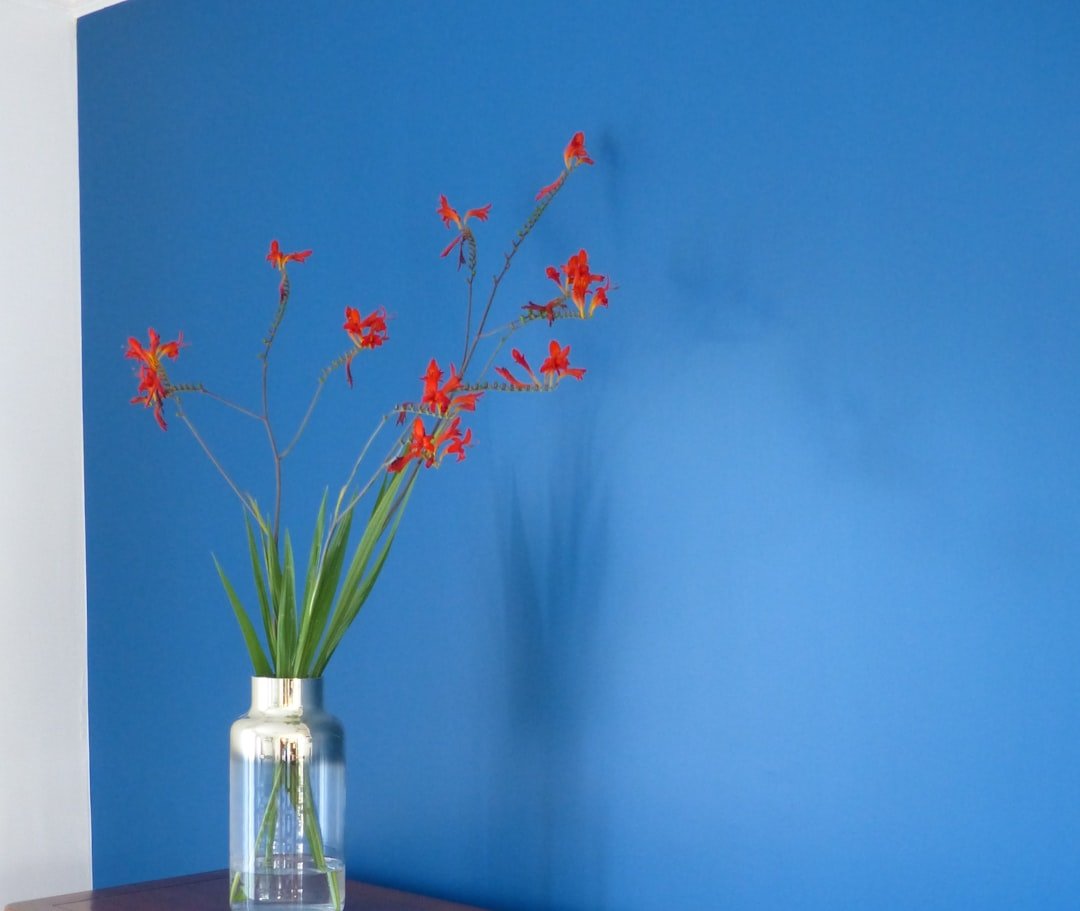
A bold accent wall can instantly energize your kitchen. Pick a rich color that contrasts with the main wall color to create a focal point. For example, a deep navy wall paired with soft peach walls brings warmth and drama without overwhelming the space.
Think about where you want to draw attention. Is it behind your stove, near the dining nook, or around a window? A bold accent wall can highlight these areas and make your kitchen feel more dynamic.
Two-tone Wall Designs
Two-tone walls offer a subtle way to use complementary colors without committing to a full room of bold shades. You might paint the lower half of the walls in a muted teal and the upper half in a soft coral, separated by a white chair rail.
This design adds depth and interest while keeping the room feeling airy. It’s also a practical choice if you want to experiment with color but prefer a more understated approach.
Using Color To Highlight Features
Use complementary colors to emphasize architectural details or kitchen features. Painting the backsplash area in a vibrant yellow while keeping the surrounding walls a cool blue can make your backsplash pop beautifully.
Another idea is to paint open shelves or cabinetry in a complementary shade to the walls. This contrast can make your kitchen’s unique elements stand out and create a cohesive look.
Credit: www.craftsmanpainters.com
Paint Finishes And Textures
Choosing the right paint finish and texture can transform your kitchen walls beyond just color. The finish affects how your walls look and how well they stand up to daily wear. Understanding the options helps you pick a style that fits your kitchen’s use and vibe.
Choosing The Right Finish For Durability
Kitchen walls face humidity, splashes, and frequent cleaning. You need a paint finish that can handle all that without fading or peeling. Semi-gloss and satin finishes offer a perfect balance—they are tough and easy to wipe clean.
Flat or matte finishes may hide imperfections well but can be harder to maintain. Think about how much traffic your kitchen walls get and how often you want to repaint. Durability matters as much as color choice here.
Matte Vs. Glossy In Kitchen Spaces
Matte finishes give a soft, modern look but absorb light, making the space feel cozy yet less bright. Glossy finishes reflect light, which can make your kitchen feel larger and cleaner but may show smudges more easily.
Consider where your kitchen walls are located. If they’re near cooking areas prone to splatters, glossy or semi-gloss paint may save you time scrubbing. Matte paint suits less exposed walls or if you want a subtle, elegant backdrop.
Adding Texture With Paint Techniques
Texture can add depth and interest to your kitchen walls without extra decorations. Techniques like sponging, rag rolling, or using textured rollers create unique patterns and tactile surfaces.
Have you ever noticed how a textured wall can make a simple color pop? Experimenting with these techniques can make your kitchen feel personalized and lively. It’s a great way to add character without overwhelming the space.
Practical Tips For Painting
Choosing the right color for your kitchen walls is exciting. Painting takes effort and care to get the best look. Follow these tips to prepare, test, and keep your kitchen walls beautiful.
Preparing Kitchen Walls
Start by cleaning the walls well. Remove grease, dirt, and dust with warm soapy water. Fix any holes or cracks using spackle or filler. Sand the patched areas smooth for a flat surface. Cover countertops and appliances with drop cloths. Use painter’s tape to protect edges and trim. Proper preparation helps paint stick better and last longer.
Testing Paint Samples
Choose a few paint colors to try on your walls. Paint small patches in different spots. Observe these samples in different lighting throughout the day. Notice how colors look under natural and artificial light. This helps you pick the shade that fits your kitchen’s mood. Testing avoids surprises and saves time.
Maintaining Painted Walls
Keep your kitchen walls clean by wiping them regularly. Use a soft cloth and mild cleaner to avoid damage. Avoid harsh scrubbing or abrasive cleaners. Touch up any chips or stains quickly to keep walls fresh. Proper care preserves color and finish for years.

Credit: www.goodhousekeeping.com
Frequently Asked Questions
What Color Makes A Kitchen Look Bigger?
Light colors like white, cream, or pale gray open up small kitchens. They reflect more light, creating an airy feel. These shades enhance natural light, making the space appear larger and more inviting. Choose matte or eggshell finishes for a soft, spacious look.
Which Color Suits Modern Kitchen Walls Best?
Neutral tones such as gray, beige, or soft white work well in modern kitchens. They provide a sleek, clean backdrop that highlights stainless steel appliances and bold accents. These colors keep the kitchen timeless and adaptable to changing decor trends.
How Do Wall Colors Affect Kitchen Mood?
Warm colors like red or yellow energize and stimulate appetite, ideal for lively kitchens. Cool colors such as blue or green create calmness and relaxation. Choosing the right color influences how you feel and interact in your kitchen space.
Can I Paint Kitchen Walls Dark Colors?
Yes, dark colors like navy or charcoal can add depth and elegance. Use them in well-lit kitchens to avoid a cramped feel. Pair dark walls with light cabinets and countertops for balance and a modern look.
Conclusion
Choosing the right kitchen wall color can change the whole room’s feel. Think about your style and the mood you want. Light colors make space look big and bright. Dark shades add warmth and depth. Don’t forget to test colors in your kitchen light.
Small steps lead to a kitchen you love. Enjoy the process and trust your taste. Your perfect kitchen color is waiting to be found.