How to Install Subway Tile on Kitchen Wall: Easy Step-by-Step Guide
Are you looking to give your kitchen a fresh, stylish update without breaking the bank? Installing subway tile on your kitchen wall is a fantastic way to achieve a clean and modern look.
But where do you start? The process might seem daunting, but with the right guidance, you can transform your kitchen into a stunning space that reflects your personal style. Imagine the satisfaction of standing back and admiring your handiwork, knowing you did it yourself.
This guide will take you step by step through the process of installing subway tiles, ensuring that every detail is covered. So, grab your tools, and let’s dive into making your kitchen the heart of your home.
Gather Tools And Materials
Gathering the right tools and materials is the first step to install subway tile on your kitchen wall. Having everything ready makes the process smooth and faster. Proper preparation helps avoid mistakes and frustration.
Essential Tools
Start with these tools to ensure a clean and accurate tile installation:
- Tape measure for precise measurements
- Level to keep tiles straight and even
- Tile cutter or wet saw to cut tiles easily
- Notched trowel for spreading adhesive
- Rubber grout float for applying grout
- Sponges and buckets for cleaning excess grout
- Pencil to mark tile placement
- Safety goggles and gloves to protect yourself
Choosing Subway Tiles
Pick subway tiles that fit your kitchen style and size. Standard tiles measure 3×6 inches but come in other sizes too. Glossy tiles offer a classic look and are easy to clean. Matte tiles create a modern feel and hide fingerprints. Consider color options like white, gray, or even colored tiles for a unique touch.
Adhesives And Grout
Select the right adhesive to stick tiles firmly on the wall. Thin-set mortar is the most common choice for kitchen backsplashes. It provides strong bonding and works well on drywall or cement board. For grout, choose between sanded or unsanded types. Sanded grout suits wider gaps over 1/8 inch. Unsanded grout works best for narrow spaces. Pick a grout color that complements your tiles for a polished look.

Credit: www.create-enjoy.com
Prepare The Wall Surface
Preparing your kitchen wall before installing subway tile is crucial for a flawless finish. A well-prepared surface helps the tiles stick better and last longer. Skipping this step can lead to uneven tiles or peeling over time, which nobody wants in their kitchen.
Clean And Smooth The Wall
Start by removing any grease, dust, or old wallpaper from the wall. Use a mild detergent and warm water to clean the surface thoroughly. After cleaning, sand the wall lightly to create a smooth texture that the tile adhesive can grip securely.
Have you noticed how even a tiny bump can make your tiles look crooked? Smoothing the wall prevents this issue and gives your tiles a professional look.
Repair Imperfections
Check for cracks, holes, or dents that might affect tile placement. Fill these spots with a quality wall filler or spackle, then sand the area once dry. This step ensures a flat surface and prevents tiles from cracking or popping off later.
Think of the wall like a canvas. Any imperfections will show through the tiles unless fixed carefully.
Mark Guidelines
Use a level and pencil to draw horizontal and vertical lines on the wall. These guidelines help keep your tiles straight and aligned. Marking the center point of the wall can also be helpful to balance the tile layout evenly.
Without clear guidelines, even experienced DIYers can end up with a crooked tile pattern. Will you take the time to measure twice and tile once?
Plan Tile Layout
Planning your tile layout is a vital step before installing subway tile on your kitchen wall. A good plan helps avoid mistakes and saves time. It ensures the tiles look balanced and neat. Taking time to plan also reduces tile cuts and waste.
Measure The Area
Start by measuring the wall height and width where you want to install the tile. Use a tape measure and write down the numbers. Check for any obstacles like outlets or windows. Subtract these areas from your total measurement. Accurate measurements help you buy the right amount of tiles.
Dry Fit Tiles
Lay out a few tiles on the floor or a flat surface. Arrange them as they will appear on the wall. This helps you see how the tiles fit together. Check how many full tiles fit across and down. Mark any tiles that need to be cut. Dry fitting avoids surprises during installation.
Adjust For Symmetry
Look at your dry fit layout and find the center of the wall. Place full tiles at the center for a balanced look. Avoid small tile pieces at the edges. Shift the layout left or right to keep symmetry. This makes the wall look professional and tidy.

Credit: www.create-enjoy.com
Apply Adhesive And Set Tiles
Applying adhesive and setting your subway tiles is where your kitchen wall truly starts to take shape. This stage requires patience and precision to ensure your tiles stick well and look professional. The right technique here makes all the difference between a smooth, durable finish and a frustrating redo.
Spread Tile Adhesive
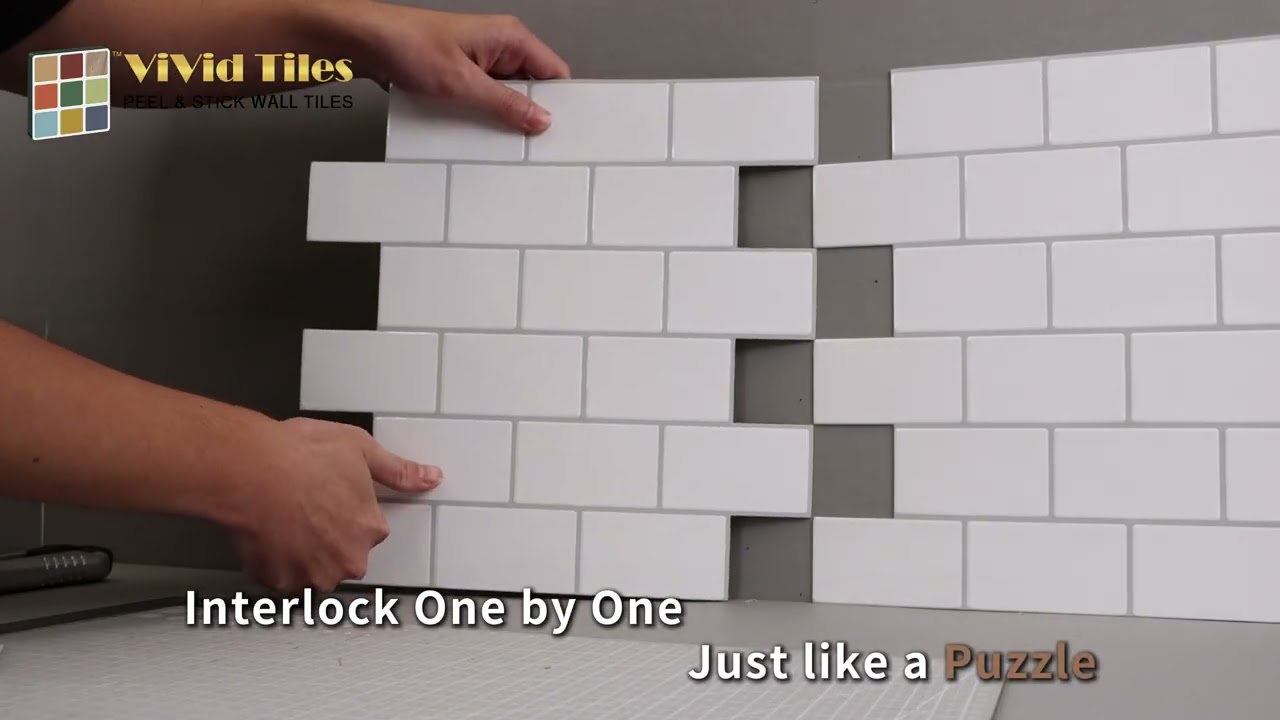
Begin by using a notched trowel to spread the tile adhesive evenly on the wall. Hold the trowel at a 45-degree angle and comb the adhesive to create ridges. These ridges help the tiles grip better, so don’t rush this step.
Work in small sections to prevent the adhesive from drying out before you set the tiles. If you notice the adhesive skinning over or hardening, scrape it off and apply fresh adhesive. This keeps your tiles firmly attached and avoids future loosening.
Place Tiles Carefully
Press each tile gently but firmly into the adhesive, starting from the bottom center and moving outward. Use a slight twisting motion to ensure good contact with the adhesive. Avoid sliding tiles around too much as this can disturb the adhesive layer and create unevenness.
Take a moment to step back and check your alignment frequently. Are your rows straight? Small misalignments now can lead to bigger issues later, so trust your eye and adjust as you go.
Use Spacers For Even Gaps
Insert tile spacers between each tile to maintain consistent grout lines. These small tools keep your gaps uniform and make grouting much easier. You’ll thank yourself later when the grout lines look neat and tidy.
Don’t forget to remove the spacers before the adhesive fully cures. Leaving them in too long can cause difficulty during grouting and might even damage the tiles. Keeping track of your spacers is a simple step that ensures a polished finish.
Cut Tiles To Fit Edges
Cutting subway tiles to fit edges is a key part of a clean kitchen wall installation. Tiles rarely fit perfectly at corners and edges. Careful cutting ensures a smooth, professional look. Proper cuts prevent gaps and uneven lines. Use the right tools and techniques for best results.
Measure And Mark Cuts
Measure the space where the tile will fit carefully. Use a tape measure to get exact lengths. Mark the tile with a pencil or marker. Draw a clear, straight line where you will cut. Double-check measurements before cutting to avoid mistakes.
Use Tile Cutter Safely
Choose a tile cutter designed for subway tiles. Score the tile along the marked line with firm pressure. Snap the tile cleanly along the score. Wear safety glasses and gloves for protection. Keep your fingers clear of the cutting path. Work on a stable surface to prevent slips.
Smooth Cut Edges
After cutting, edges may be sharp or rough. Use a rubbing stone or sandpaper to smooth edges gently. Smooth edges help tiles fit flush against walls. They also reduce the risk of cuts during handling. Check each tile edge before installation for a neat finish.
Grout The Tiles
Grouting your subway tiles is what really brings the whole kitchen wall together. It fills the gaps between tiles, providing stability and a finished look. But grout can be tricky if you don’t handle it right—it can dry too fast, crack, or stain your tiles.
Mix Grout Properly
Start by carefully mixing your grout according to the package instructions. Use a clean bucket and add water slowly to the dry grout powder. Stir continuously to avoid lumps and achieve a smooth, peanut butter-like consistency.
Let it sit for about 10 minutes, then give it a quick stir before applying. This resting period helps the grout hydrate fully, making it easier to work with. If you mix too much grout at once, it might harden before you use it, so only prepare what you can handle in 15-20 minutes.
Apply Grout With Float
Use a rubber grout float to apply the grout at a 45-degree angle. Press the grout firmly into the spaces between your tiles to fill all gaps completely. Move diagonally across the tiles to avoid pulling grout out of the joints.
Take your time and work in small sections to keep the grout from drying too quickly. Don’t worry about getting grout on the tile surface; you’ll clean that off in the next step. Have you noticed how grout floats give you control to push grout exactly where it belongs?
Clean Excess Grout
After applying, wait about 15-30 minutes, then grab a damp sponge to wipe off excess grout from the tile surfaces. Use gentle, circular motions to avoid pulling grout from the joints. Rinse the sponge frequently to keep it clean.
Repeat this cleaning process several times as the grout cures to prevent haze buildup. Once the grout has set a bit more, you can buff the tiles with a dry cloth for a polished finish. Have you ever tried grout removal after it dried? Cleaning it while fresh saves so much effort.
Seal And Finish
Sealing and finishing your subway tile installation protects the surface and keeps it looking fresh. It helps prevent stains, moisture damage, and grout discoloration. Taking time on this step ensures your kitchen wall stays beautiful for years.
Apply Tile Sealer
Choose a penetrating tile sealer suitable for subway tiles. Use a small brush or roller to apply the sealer evenly over grout and tile surfaces. Avoid pooling or over-applying. Let the first coat dry completely, usually 15 to 30 minutes, then apply a second coat for extra protection.
Final Cleaning Tips
- Wipe off any excess sealer with a clean, dry cloth.
- Use a soft sponge and mild cleaner to remove any haze or residue.
- Do not use harsh chemicals or abrasive scrubbing pads.
- Clean gently to keep the tile surface smooth and shiny.
Curing Time And Care
Allow the sealer to cure fully for 24 to 48 hours before using the kitchen area. Avoid exposing tiles to water during this time. Regular cleaning with mild soap and water keeps the finish intact. Reapply sealer every 1 to 2 years to maintain protection.
Credit: www.youtube.com
Frequently Asked Questions
How Do I Prepare The Kitchen Wall For Subway Tile?
Clean the wall surface thoroughly and remove any grease or dust. Repair holes or uneven areas. Apply a primer if needed for better tile adhesion.
What Tools Are Needed To Install Subway Tiles?
You need a tile cutter, trowel, level, spacers, grout float, sponge, and adhesive. These tools help ensure a precise and clean installation.
How Long Does It Take To Install Subway Tile Backsplash?
Installation time varies by wall size and skill level. Typically, it takes 4 to 8 hours for an average kitchen backsplash.
What Grout Color Works Best With Subway Tiles?
Choose a grout color that complements your tile and kitchen style. Light gray or white grout offers a classic look, while darker grout adds contrast.
Conclusion
Installing subway tile on your kitchen wall is a simple way to refresh your space. Follow each step carefully for the best results. Take your time cutting and placing the tiles. Use spacers to keep tiles even and grout clean.
Clean the tiles well after grouting to avoid haze. With patience, your kitchen will look neat and modern. Enjoy your new backsplash and the bright, fresh feel it brings. This project can make a big difference in your kitchen’s style.