How to Mount a Kitchen Wall Cabinet: Easy Steps for Perfect Installation
Are you planning a kitchen makeover and looking to maximize your space with wall cabinets? Mounting a kitchen wall cabinet might seem daunting, but it doesn’t have to be.
Imagine a perfectly organized kitchen where everything you need is within easy reach, and you’re not constantly searching for that elusive spice jar. Installing these cabinets yourself not only saves money but also gives you the satisfaction of a job well done.
In this guide, we’ll walk you through each step in simple, easy-to-follow instructions. Whether you’re a DIY newbie or a seasoned home improver, you’ll find practical tips that ensure your cabinets are securely mounted and perfectly aligned. Stick with us, and you’ll soon have a kitchen that not only looks great but works beautifully, enhancing your cooking experience every day.
Tools And Materials Needed
Mounting a kitchen wall cabinet requires more than just strength—it demands the right tools and materials. Having everything ready before you start can save you hours of frustration and ensure the job goes smoothly. Let’s break down what you’ll need to get your cabinet securely and safely on the wall.
Essential Tools
- Stud Finder:Locate the studs behind your wall to anchor the cabinet safely. Skipping this can lead to a weak mount that won’t hold the weight.
- Power Drill and Drill Bits:You need a drill for pilot holes and driving screws. Having the right bits prevents stripping and makes the job faster.
- Level:A level ensures your cabinet hangs straight. Trust me, even a slight tilt is noticeable and frustrating.
- Measuring Tape:Accuracy is key—measure twice, mount once to avoid redoing your work.
- Screwdriver:A manual screwdriver is handy for fine adjustments after drilling.
- Clamps:Useful for holding the cabinet in place while you secure it, especially if you’re working solo.
Required Materials
- Wall Cabinet:Choose a cabinet that fits your space and design preferences. Check the weight before mounting to pick suitable anchors.
- Screws:Use sturdy wood screws, typically 2.5 to 3 inches long. Avoid drywall screws—they can fail under weight.
- Anchors or Toggle Bolts:If you can’t find studs where you want the cabinet, reliable wall anchors are a must.
- Shims:Thin pieces of wood or plastic to level the cabinet if the wall isn’t perfectly straight.
- Mounting Rails (optional):These can make installation easier and more secure, especially for heavy cabinets.
Safety Gear
- Safety Glasses:Protect your eyes from dust and debris while drilling.
- Work Gloves:Avoid splinters and get a better grip on tools and cabinet edges.
- Dust Mask:If you’re drilling into drywall or plaster, a mask helps prevent inhaling dust.
Have you ever tried mounting a cabinet without the right tools? It quickly turns into a test of patience. Preparing your workspace with the proper tools, materials, and safety gear sets you up for success and keeps your kitchen upgrade stress-free.
Preparing The Wall
Preparing the wall is a crucial step before mounting your kitchen wall cabinet. It sets the foundation for a secure and stable installation. Skipping this preparation can lead to crooked cabinets or worse, cabinets that fall off the wall.
Locating Wall Studs
Wall studs are the wooden or metal frames behind your drywall that provide strong support. You need to find these studs because screws driven into drywall alone won’t hold the weight of a cabinet.
Use a stud finder to scan along the wall where you want to hang your cabinet. If you don’t have one, tap the wall lightly and listen for a solid sound, or look for clues like electrical outlets, which are often attached to studs.
Marking Mounting Points
Once you locate the studs, mark the exact spots where the cabinet screws will go. These marks should align with the cabinet’s mounting rail or back panel.
Measure carefully—too high or too low will affect the cabinet’s level and usability. Double-check your measurements by holding the cabinet against the wall before drilling any holes.
Checking For Obstacles
Before drilling, make sure there are no hidden pipes, wires, or other obstacles behind the wall. Drilling into electrical wires or plumbing can be dangerous and expensive to fix.
Use a multi-purpose detector that scans for wires and pipes. If your wall is old or has unusual features, consider consulting a professional to avoid surprises.
Measuring And Marking Cabinets
Measuring and marking cabinets is a crucial step before mounting kitchen wall cabinets. Accuracy here ensures your cabinets fit perfectly and look professional. Take your time and double-check measurements to avoid mistakes. Use the right tools like a tape measure, level, and pencil for clear marks.
Determining Cabinet Height
Decide the height based on your kitchen layout and countertop height. Standard upper cabinets usually sit 54 inches from the floor. Measure from the floor to the bottom of the cabinet space. Mark this height clearly on the wall with a pencil. Use a level to draw a straight horizontal line as a guide.
Aligning Cabinets
Place the first cabinet at the marked height line. Check if it is level vertically and horizontally. Use a level to ensure the cabinet is not tilted. Align the next cabinet close to the first without gaps. Mark the edges lightly to keep alignment consistent. Proper alignment creates a smooth, even look across all cabinets.
Marking Drill Holes
Open the cabinet and locate the mounting rails or studs on the wall. Use a stud finder to find secure spots for screws. Mark these points on the inside of the cabinet back. Transfer these marks to the wall through the cabinet holes. Double-check positions to avoid drilling in the wrong place. Clear, accurate marks make installation easier and stronger.
Drilling And Anchoring
Drilling and anchoring are key steps in mounting a kitchen wall cabinet securely. Proper holes and anchors keep the cabinet stable and safe. This process involves careful measuring, drilling, and fixing strong anchors to support the weight of the cabinet and its contents.
Take time to prepare the wall and choose the right tools. Precision ensures the cabinet fits perfectly and stays in place for years.
Drilling Pilot Holes
Start by marking the spots for screws on the wall. Use a level to keep marks even and straight. Pilot holes guide screws and prevent wood or drywall from splitting.
Choose a drill bit slightly smaller than the screw size. Drill slowly and carefully at each mark. Check that holes are deep enough for screws to fit firmly.
Installing Wall Anchors
Wall anchors add strength, especially on drywall or hollow walls. Pick anchors rated for the cabinet’s weight. Insert anchors into pilot holes by tapping gently with a hammer.
Make sure anchors sit flush with the wall surface. They expand inside the wall when screws go in, creating a tight grip. This step boosts cabinet stability and safety.
Securing Mounting Brackets
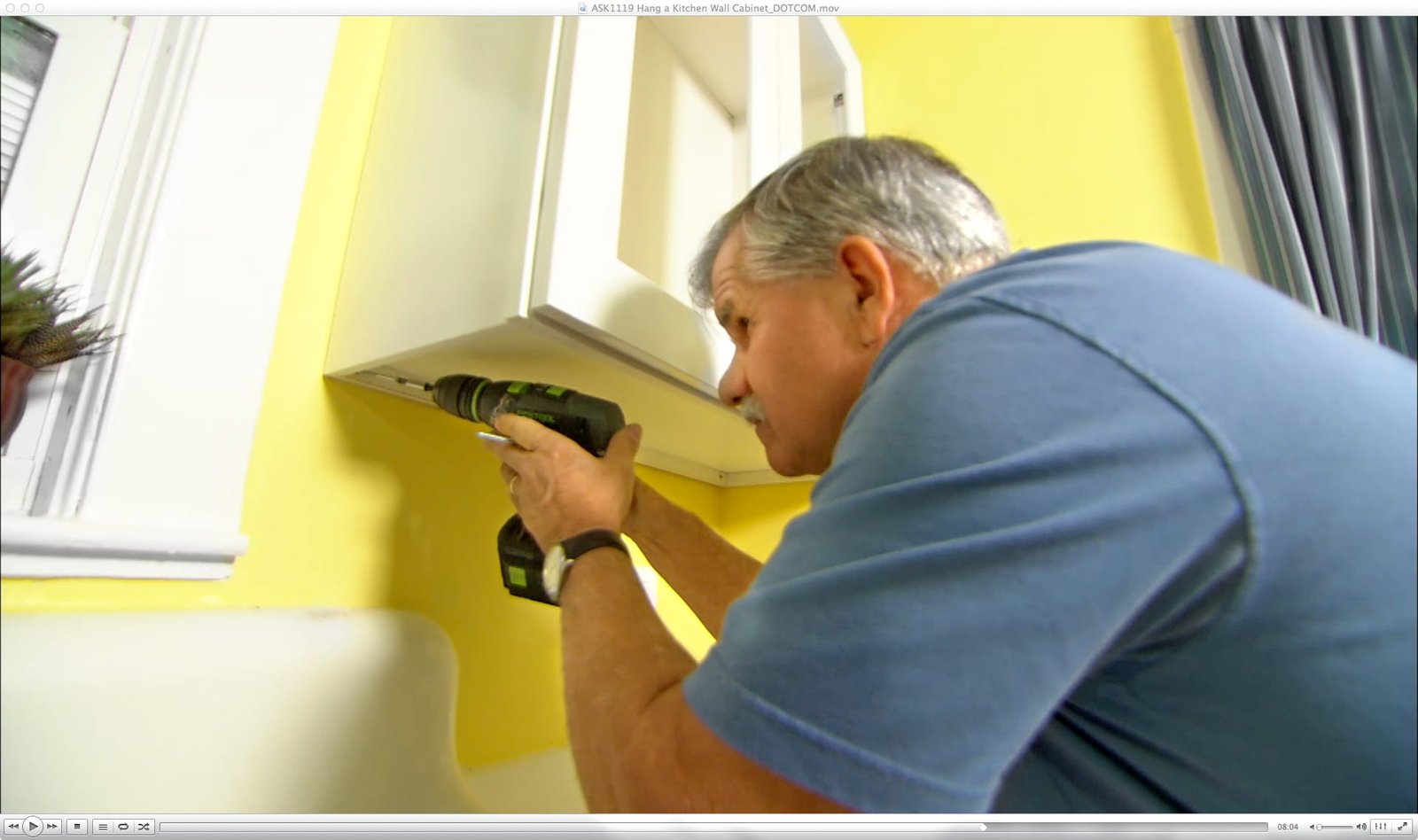
Attach mounting brackets to the wall using screws and anchors. Tighten screws firmly but avoid overdriving to prevent damage. Align brackets carefully with cabinet sides.
Double-check with a level to keep brackets straight. Brackets hold the cabinet securely and help distribute its weight evenly. Confirm all brackets are solid before hanging the cabinet.
Lifting And Positioning Cabinets
Lifting and positioning kitchen wall cabinets requires care and planning. Cabinets are often heavy and bulky. Proper handling reduces the risk of damage or injury. It also ensures the cabinets fit well and look great on your wall.
Focus on smooth movements and clear communication. Prepare the workspace by clearing obstacles. Have all tools ready before lifting the cabinets. This makes the process faster and safer.
Teamwork Tips
- Work with at least one helper for large cabinets.
- Communicate clearly about when to lift and move.
- Lift with your legs, not your back, to avoid injury.
- Hold the cabinet steady to prevent swinging or tipping.
- Plan your steps before moving to avoid confusion.
Aligning Cabinets On Wall
Use a level to check the wall before mounting. Mark the studs with a pencil for secure fastening. Position the cabinet so it rests evenly against the wall. Adjust the cabinet until it is perfectly horizontal and vertical.
Check gaps between cabinets for a tight fit. Use shims if necessary to fill small spaces. Keep the cabinet front flush with adjacent cabinets or walls. Accurate alignment ensures doors open smoothly and the kitchen looks neat.
Temporary Support Methods
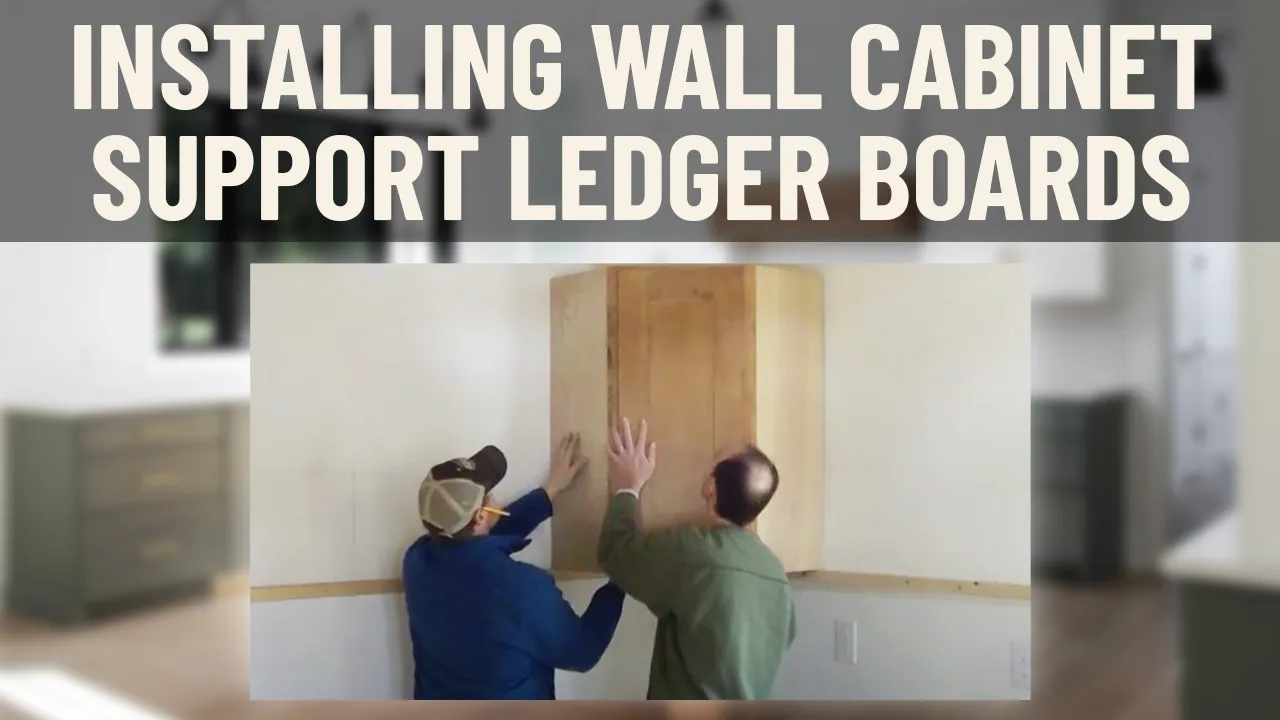
- Use a ledger board screwed into wall studs to hold cabinets.
- Place adjustable supports or braces under the cabinet bottom.
- Clamp cabinets together to keep them aligned during installation.
- Have helpers hold cabinets steady while you secure screws.
- Double-check support stability before releasing your hold.
Securing Cabinets To Wall
Securing your kitchen wall cabinets to the wall is a crucial step that ensures safety and durability. If your cabinets aren’t firmly anchored, they risk falling or becoming misaligned, which can cause damage or injury. Paying close attention to how you attach them will save you headaches down the road and give you confidence in your installation.
Using Screws Properly
Choosing the right screws makes all the difference. Use screws that are long enough to penetrate the wall studs by at least 1.5 inches for a strong hold.
Always pre-drill pilot holes to prevent the wood from splitting. This simple step keeps your cabinets secure without damaging the frame.
If you hit drywall without studs, add wall anchors specifically rated for the cabinet’s weight. Have you checked if your screws are rated for heavy-duty use? It’s worth the extra effort.
Ensuring Level Installation
Keeping your cabinets level is key to both appearance and function. Use a reliable spirit level or laser level to check alignment before fully tightening any screws.
Adjust shims behind the cabinet if you notice any tilt. Small gaps can cause big problems when doors don’t close properly or countertops don’t line up.
Imagine how much easier it is to work with cabinets that sit perfectly straight. Don’t rush this part—take the time to get it right.
Double-checking Stability
Once mounted, give your cabinet a gentle shake to test its firmness. If there’s movement, tighten screws or add additional support.
Check the cabinet edges and corners for any gaps between the wall and cabinet face. Even small gaps can signal improper attachment.
Ask yourself: Would this cabinet hold up if you leaned on it or stored heavy pots inside? If not, secure it more firmly before moving on.
Joining Multiple Cabinets
Joining multiple kitchen wall cabinets creates a seamless, professional look. Aligning and securing them properly ensures stability and durability. Each cabinet must connect tightly to avoid gaps or misalignment. This process requires careful handling and the right tools. Follow these steps to join your cabinets with confidence.
Clamping Cabinets Together
Place the cabinets side by side on a flat surface. Check that their edges are flush and doors are aligned. Use bar clamps or C-clamps to hold them tightly together. Clamp at the top and bottom of the adjoining edges. This prevents movement while you drill and fasten. Avoid over-tightening to protect the cabinet surfaces.
Drilling Connecting Holes
Mark the spots where the cabinets meet for drilling holes. Drill pilot holes through the cabinet sides at the marked points. Use a drill bit slightly smaller than the screws you plan to use. Drill slowly to avoid splitting the wood. Make sure holes align on both cabinets for a secure fit.
Fastening Cabinets Securely
Insert screws into the pilot holes to join the cabinets. Use wood screws that are long enough to hold firmly. Tighten screws evenly to keep cabinets flush and stable. Check alignment again before fully tightening. Remove clamps after securing all screws for a clean finish.
Credit: www.cabinetjoint.com
Finishing Touches
Finishing touches transform your kitchen wall cabinet from a simple installation to a polished, professional-looking feature. These final steps focus on functionality and aesthetics, ensuring your cabinet not only looks great but works smoothly every day. Paying attention to these details can save you time and frustration later.
Installing Cabinet Doors
Attaching the cabinet doors requires careful alignment to avoid gaps or uneven spacing. Use the hinges that came with your cabinet and follow the manufacturer’s instructions for secure attachment.
Hold the door in place and mark the screw holes before drilling to prevent mistakes. If you have a helper, ask them to hold the door steady while you work—it makes the process much easier and faster.
Adjusting Hinges
Once the doors are installed, check how they open and close. Hinges often have adjustment screws that let you move the door up, down, left, or right.
Take your time here; small tweaks can make a big difference in door alignment and overall appearance. If doors rub against each other or the cabinet frame, adjust the hinges until the doors sit flush and operate smoothly.
Adding Trim Or Molding
Trim or molding can cover gaps between the cabinet and the wall, giving your installation a custom look. Choose a style that matches your kitchen décor for a seamless finish.
Cut the trim carefully with a miter saw for clean corners. Attach it with finishing nails and fill any nail holes with wood putty for a flawless appearance.
Common Mistakes To Avoid
Mounting kitchen wall cabinets can seem simple. Yet, many make mistakes that cause damage or extra work. Avoiding common errors saves time and keeps cabinets safe. Focus on these key points to ensure a smooth installation.
Ignoring Stud Locations
Wall studs provide the strongest support for cabinets. Mounting only on drywall weakens the hold. Use a stud finder to locate them accurately. Attach cabinets directly to studs for safety and stability.
Overloading Cabinets
Cabinets have weight limits. Filling them too much risks pulling them off the wall. Spread heavy items evenly inside. Keep the heaviest things in lower cabinets or on shelves with extra support.
Skipping Level Checks
Skipping the level check leads to crooked cabinets. Even a slight tilt looks bad and causes doors to misalign. Use a spirit level during installation. Check multiple times to keep cabinets straight and balanced.

Credit: www.reddit.com

Credit: www.create-enjoy.com
Frequently Asked Questions
How Do You Find Studs For Kitchen Wall Cabinets?
Use a stud finder to locate studs behind drywall. Mark each stud location with a pencil. Cabinets must be anchored to studs for safety and stability.
What Tools Are Needed To Mount Wall Cabinets?
You will need a drill, level, stud finder, screwdriver, tape measure, and pencil. These tools ensure precise and secure cabinet installation.
How High Should Kitchen Wall Cabinets Be Mounted?
Standard height is 54 inches from the floor to the cabinet bottom. This allows for comfortable reach and countertop workspace.
Can I Mount Kitchen Cabinets Without Studs?
Mounting only on drywall is unsafe. Use toggle bolts for extra support if studs are unavailable, but stud mounting is highly recommended.
Conclusion
Mounting a kitchen wall cabinet is easier than it seems. Start by measuring and marking the wall carefully. Use a level to keep the cabinet straight. Secure the cabinet firmly with screws into wall studs. Take your time to avoid mistakes.
A well-installed cabinet looks great and holds strong. Enjoy your upgraded kitchen space with confidence. Keep practicing these steps for better results next time. Simple tools and clear steps make the task doable. Ready to add more cabinets? You’ve got this!