How to Paint My Kitchen Walls: Easy Steps for a Stunning Makeover
Transforming the look of your kitchen can be as simple as giving the walls a fresh coat of paint. Are you ready to breathe new life into your kitchen space?
Imagine the satisfaction of enjoying a bright, clean, and inviting area every time you cook or entertain guests. Painting your kitchen walls is an easy, affordable way to achieve a dramatic change. Whether you’re a novice or a seasoned DIY enthusiast, we’ve got you covered.
In this guide, you’ll discover essential tips and tricks to ensure your painting project is a success. From choosing the right color to mastering the perfect paint application technique, you’ll find everything you need to know. Ready to dive in and create the kitchen you’ve always dreamed of? Let’s get started!

Credit: www.youtube.com
Choosing The Right Paint
Choosing the right paint is essential for a beautiful kitchen. The right paint enhances the room’s style and protects the walls from moisture and stains. Knowing how to select color, finish, and paint type will make the painting process easier and more successful.
Selecting The Perfect Color
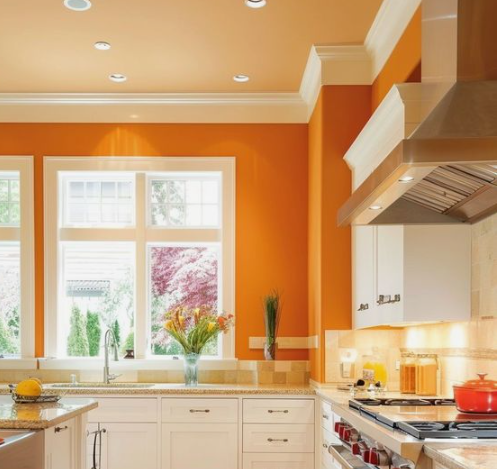
Color sets the mood in your kitchen. Light colors make the space feel bigger and brighter. Dark colors add warmth and coziness. Neutral tones like beige, gray, or soft white work well with many kitchen styles.
Consider the kitchen’s lighting. Natural light shows true color, while artificial light can change how paint looks. Test paint samples on your walls before deciding.
Picking The Best Paint Finish
Paint finish affects both look and durability. Here are common finishes:
- Matte:No shine, hides wall flaws but harder to clean.
- Eggshell:Slight shine, easier to clean, good for kitchens.
- Satin:Soft shine, durable, resists moisture and stains well.
- Semi-gloss:Shiny, very durable, ideal for trim and high-use areas.
Satin and semi-gloss finishes suit kitchen walls best. They handle grease and moisture better than matte.
Considering Paint Types
Choose paint based on quality and ingredients. Water-based (latex) paint dries fast and cleans easily. It works well in kitchens and has less odor.
Oil-based paint is durable but takes longer to dry and needs special cleaners. It resists stains and moisture well but is less popular today.
Look for paints with mildew resistance to keep walls fresh. Low-VOC paints improve indoor air quality and are safer for your family.
Credit: www.jswpaints.in
Gathering Supplies
Gathering the right supplies is the first step in painting kitchen walls. Having everything ready makes the process smooth and less stressful. The right tools and materials help achieve a clean, professional look. Here’s what you need to prepare before you start painting.
Essential Painting Tools
- Paint rollers for covering large areas quickly
- Angled brushes for corners and edges
- Painter’s tape to protect trim and cabinets
- Paint tray to hold and evenly distribute paint
- Sandpaper to smooth the wall surface
- Putty knife for filling holes or cracks
- Drop cloths to protect floors and furniture
Protective Gear And Materials
- Gloves to keep paint off your hands
- Safety goggles to protect eyes from splashes
- Face mask to avoid inhaling paint fumes
- Old clothes or a painting apron
- Plastic sheeting to cover appliances
Preparing Your Kitchen Walls
Preparing your kitchen walls is a vital step before painting. It ensures the paint sticks well and looks smooth. Clean and fix the walls to get the best results. Proper preparation saves time and gives your kitchen a fresh, new look.
Cleaning The Surface
Remove grease, dirt, and dust from the walls. Use warm water and mild soap for washing. Rinse with clean water and let the walls dry completely. Clean walls help the paint to stick better and last longer.
Repairing Imperfections
Check for holes, cracks, and dents on the walls. Use spackling paste or filler to fix these spots. Smooth the surface with sandpaper after the filler dries. A smooth wall creates a neat and professional finish.
Taping And Covering Areas
Protect kitchen cabinets, countertops, and trims with painter’s tape. Cover floors and appliances with drop cloths or plastic sheets. Taping and covering prevent paint splashes and keep your kitchen clean. Take time to secure all edges carefully.
Painting Techniques
Mastering painting techniques can transform your kitchen walls from dull to dazzling. Each stroke and layer matters, so understanding how to cut in edges, roll the walls properly, and apply multiple coats will make your project smoother and your results more professional. These techniques help you avoid common mistakes and achieve a clean, even finish.
Cutting In Edges
Cutting in edges means painting the borders where the wall meets the ceiling, trim, or cabinets. Use a high-quality angled brush for better control and less mess. Take your time and steady your hand to create a sharp, clean line that sets the foundation for the rest of your painting.
Tip: Paint a small section of the edge, then roll that area immediately to blend the brush strokes. This prevents noticeable brush marks and creates a seamless transition.
Rolling The Walls
Rolling covers large areas faster and gives your walls a smooth texture. Choose a roller with the right nap length—short for smooth walls, longer for textured surfaces. Load the roller evenly, avoiding drips and splatters by rolling off excess paint on a tray.
Work in small sections using a ‘W’ or ‘M’ pattern, then fill in the gaps with horizontal strokes. This technique ensures even coverage and prevents streaks.
Applying Multiple Coats
One coat rarely does the job, especially with bold colors or uneven surfaces. Allow each coat to dry fully before applying the next to avoid peeling or patchiness. Lightly sanding between coats can help paint adhere better and create a smoother finish.
Ask yourself: Is the color even and opaque? If not, another coat will make a big difference. Patience here pays off with a vibrant, durable wall that lasts.
Drying And Finishing Touches
After painting your kitchen walls, the work isn’t quite done yet. The drying phase and finishing touches are just as important as the painting itself. Paying close attention here ensures your fresh paint job looks smooth, sharp, and lasts longer.
Allowing Proper Drying Time
Paint needs enough time to dry fully between coats and before you touch the walls. Rushing this step can cause smudges or uneven texture. Usually, waiting at least 4 to 6 hours before applying another coat works well, but check your paint can for specific drying times.
Humidity and temperature affect drying speed too. A warm, dry room speeds things up, while a cold or damp kitchen slows it down. Ever tried wiping a wall too soon and ended up with sticky streaks? Letting paint dry properly avoids that frustration.
Removing Tape Cleanly
Painter’s tape protects your trim and edges but removing it at the right moment is key. Peel the tape off when the paint is dry to the touch but not fully cured. This helps prevent peeling off paint with the tape.
Pull the tape back slowly at a 45-degree angle. If you notice any paint lifting, stop and let the paint dry a bit more before trying again. This small patience pays off by giving your kitchen walls those crisp, clean lines you want.
Cleaning Up
Once the paint is dry and tape is off, clean your brushes and rollers right away to keep them in good shape. Use warm, soapy water for latex paints or the appropriate solvent for oil-based paints.
Don’t forget to remove any paint splatters from floors or countertops with a damp cloth before they dry. A quick cleanup now saves a lot of hassle later. What’s your go-to tip for keeping your painting area tidy?
:max_bytes(150000):strip_icc()/SimplySouthernCottage_HectorSanchez2-08b987e66409472fa83fdde79c1b81d5-b14649286e3948278e067be525b2cca1.jpg "How to Paint My Kitchen Walls: Easy Steps for a Stunning Makeover 4")
Credit: www.southernliving.com
Maintaining Your Painted Walls
Keeping your kitchen walls looking fresh takes simple care and quick fixes. Regular maintenance protects the paint and keeps your space inviting. Small efforts every week can extend the life of your paint job. Focus on easy cleaning and touching up any marks or scuffs.
Regular Cleaning Tips
Dust walls often using a soft cloth or microfiber duster. Clean spots gently with a damp sponge and mild soap. Avoid harsh chemicals that may damage the paint finish. Dry the area with a clean towel to prevent streaks. For greasy kitchens, use a mix of warm water and dish soap. Test cleaning solutions on a hidden spot first to check for color fading.
Touching Up Scuffs And Marks
Keep leftover paint for quick repairs. Match the original color exactly for best results. Use a small brush to carefully cover scuffs or scratches. Feather the edges to blend with the surrounding wall. Allow touch-ups to dry fully before adding extra coats. For larger marks, lightly sand the area before repainting. Regular touch-ups prevent damage from spreading and keep walls neat.
Frequently Asked Questions
What Type Of Paint Is Best For Kitchen Walls?
Use semi-gloss or satin finish paint for kitchen walls. These finishes resist moisture and are easy to clean. They also handle kitchen fumes and grease better than flat paints.
How Do I Prepare Kitchen Walls Before Painting?
Clean walls thoroughly to remove grease and dirt. Repair holes or cracks with spackle. Sand smooth and apply a primer for better paint adhesion and durability.
How Many Coats Of Paint Should I Apply?
Usually, two coats of paint are sufficient for kitchen walls. The first coat covers imperfections, and the second ensures even color and durability.
Can I Paint Over Wallpaper In My Kitchen?
It’s best to remove wallpaper before painting. Painting over wallpaper can cause peeling and uneven texture. If removal is tough, use a primer designed for wallpaper.
Conclusion
Painting your kitchen walls can change the whole room’s look. Choose colors that fit your style and space well. Prepare the walls carefully for the best results. Take your time and paint with steady strokes. Clean up any spills quickly to avoid stains.
Enjoy the fresh, new feel your kitchen now has. Small changes can make a big difference in your home. Try painting your kitchen walls and see the change yourself!