How to Hang Wall Cabinets: Easy Steps for a Perfect Fit
Are you ready to transform your space with stylish wall cabinets but unsure where to start? Hanging wall cabinets might seem tricky, but with the right steps, you can do it yourself and save money.
Imagine having sturdy, perfectly aligned cabinets that not only boost your storage but also elevate your room’s look. In this guide, you’ll discover simple, clear instructions that make the process easy—no confusion, no frustration. Keep reading to unlock the secrets to hanging your wall cabinets like a pro and enjoy the satisfaction of a job well done.
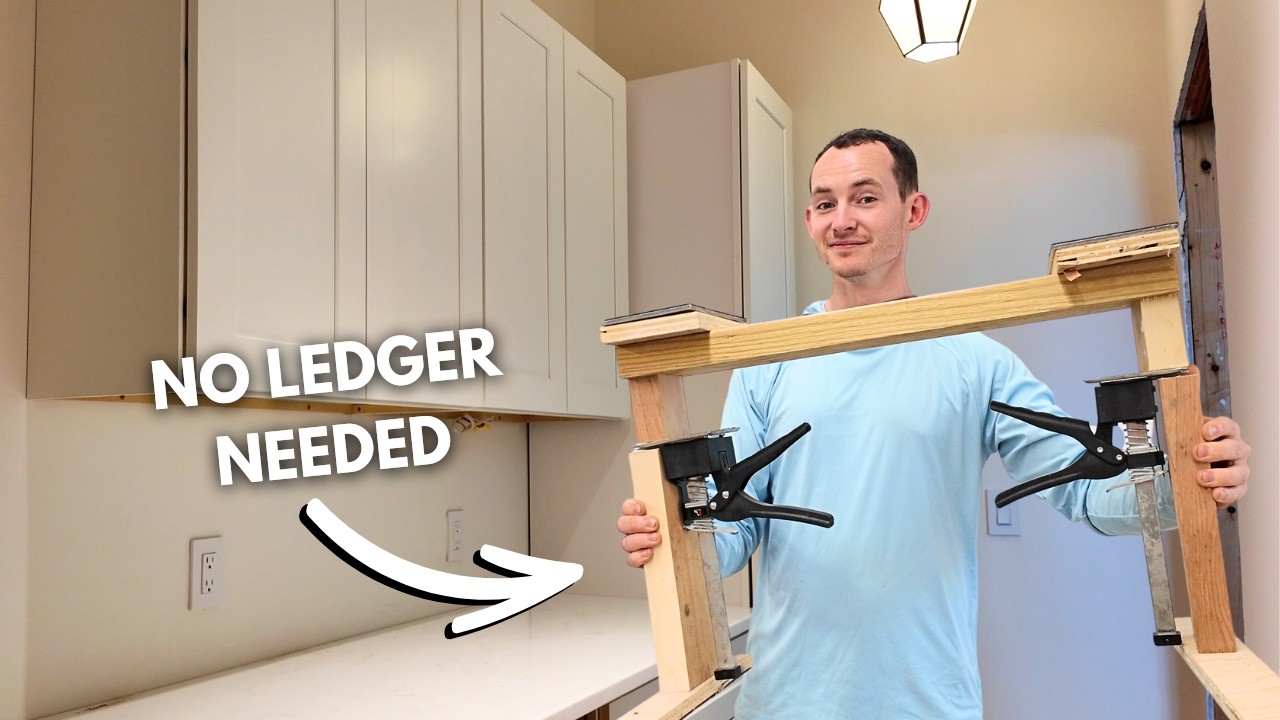
Credit: www.youtube.com
Tools And Materials Needed
Hanging wall cabinets requires the right tools and materials for a safe and sturdy installation. Preparing these items before starting saves time and avoids frustration. This section lists the essentials needed to complete the job efficiently.
Essential Tools
- Drill with screwdriver bits
- Stud finder
- Level
- Measuring tape
- Socket wrench or adjustable wrench
- Clamps
- Pencil for marking
- Safety goggles
- Step ladder or sturdy stool
Recommended Materials
- Wall cabinets
- Mounting screws (long and strong)
- Wood shims for leveling
- Anchors for drywall (if no studs found)
- Wood glue (optional, for extra hold)
- Cabinet hanging rail (optional for support)
Preparing The Wall
Preparing the wall is a crucial first step before hanging your wall cabinets. Skipping this step can lead to unstable cabinets or damage to your walls. Taking the time to properly prep ensures your cabinets stay secure and look professional.
Locating Wall Studs
Wall studs provide the strongest support for your cabinets. Use a stud finder to locate these vertical wooden beams behind your drywall. Mark each stud clearly with a pencil; cabinets anchored to studs hold much better than those attached only to drywall.
Try tapping the wall lightly and listen for a solid sound—this can help confirm stud locations if you don’t have a stud finder. Remember, cabinets are heavy, especially once filled. Securing them to studs prevents accidents and costly repairs.
Marking Cabinet Placement
Decide exactly where your cabinets will hang. Use a level and pencil to draw a straight horizontal line marking the cabinet’s top or bottom edge. This line acts as a guide to keep your cabinets even and aligned.
Measure carefully from corners and adjacent walls to ensure consistent spacing. It’s helpful to mark where cabinet sides will be to avoid surprises during installation. Imagine how your kitchen workflow will flow around these placements—does it feel right to you?
Checking For Obstacles
Before drilling, scan the wall for hidden obstacles like electrical wires, plumbing pipes, or HVAC ducts. These can cause injury or damage if punctured. Use a multi-purpose detector tool to identify these hidden elements.
Also, look for uneven surfaces or holes that need patching. Smooth walls make cabinet installation easier and more secure. Taking a few extra minutes here can save frustration and additional work later.
Measuring And Leveling
Measuring and leveling are crucial steps before hanging wall cabinets. Precise measurements ensure the cabinet fits well in the space. Leveling guarantees the cabinet hangs straight and looks professional. Skipping these steps can lead to crooked or unstable cabinets. Take your time to measure and level carefully for the best results.
Measuring Cabinet Dimensions
Start by measuring the width, height, and depth of the cabinet. Use a tape measure for accuracy. Write down each measurement clearly. Check the wall space to confirm the cabinet fits comfortably. Measure from the floor or countertop to the desired height. Mark the position on the wall with a pencil. Double-check all measurements before drilling any holes.
Using A Level For Accuracy
A level ensures the cabinet hangs perfectly straight. Place the level on the cabinet’s top edge. Adjust the cabinet until the bubble is centered. Mark the wall through the cabinet’s mounting points. Use a laser level for longer walls to maintain consistency. Recheck the level after each adjustment. Proper leveling prevents doors from swinging open or closed.
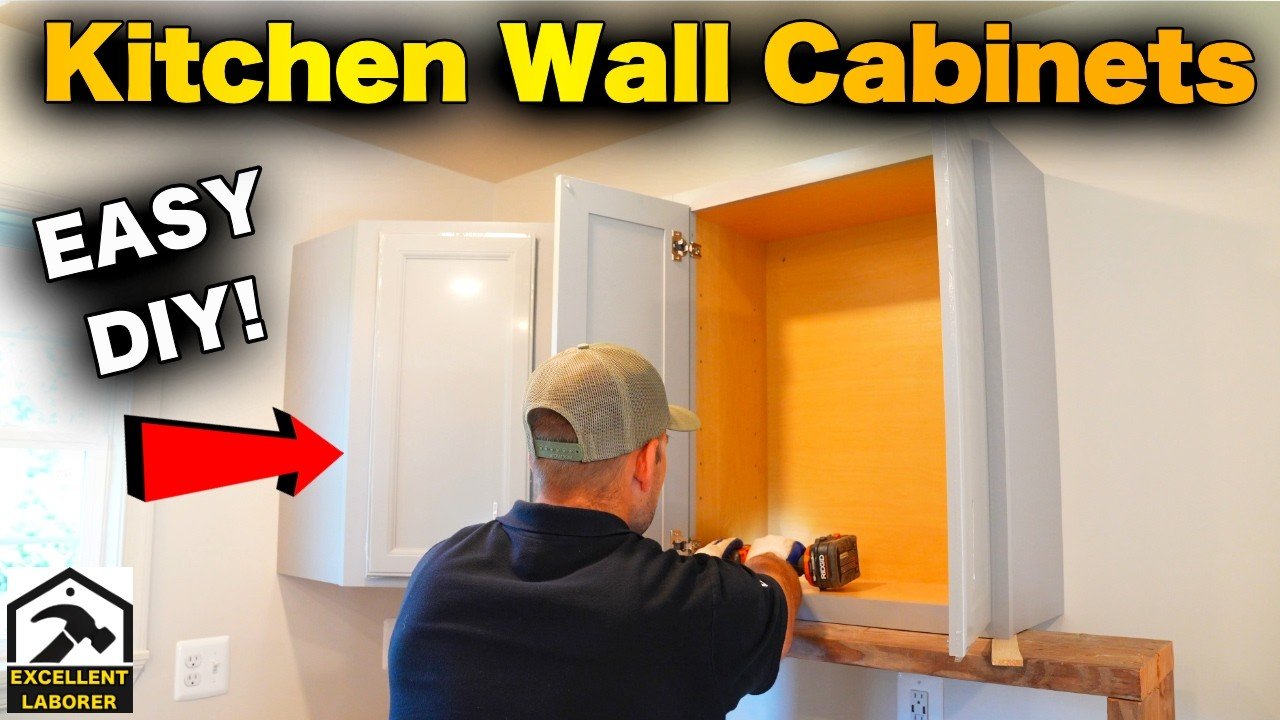
Installing The Support Ledger
Installing the support ledger is a crucial step in hanging wall cabinets. The ledger acts as a temporary shelf. It holds the cabinet weight during installation. This makes the process safer and easier. Proper installation ensures the cabinets stay level and secure.
Purpose Of The Ledger
The ledger supports the cabinet’s bottom edge. It prevents cabinets from slipping during mounting. It also keeps the cabinet level while you fasten it to the wall. Without a ledger, holding heavy cabinets can be difficult. The ledger saves time and effort.
Attaching The Ledger To The Wall
First, find the wall studs using a stud finder. Mark the stud locations with a pencil. Next, cut a piece of wood the length of your cabinets. This wood is the ledger board.
Use a level to position the ledger on the wall. Align it where the cabinet bottom will sit. Secure the ledger to the studs with screws. Make sure the ledger is perfectly horizontal. Check with the level again before tightening all screws.
Hanging The Cabinets
Hanging wall cabinets is a crucial part of kitchen or storage room setup. This process requires careful handling to ensure cabinets are level and secure. Correct placement and fastening guarantee safety and long-lasting use. Follow clear steps to lift, position, and attach cabinets firmly to the wall.
Lifting And Positioning Cabinets
Start by lifting the cabinet carefully to avoid damage. Use a helper if the cabinet is heavy or large. Position the cabinet at the desired height on the wall. Use a level tool to check for straightness. Adjust the cabinet until it is perfectly horizontal. Mark the wall lightly to indicate cabinet edges and mounting points. Keep the cabinet steady while preparing to secure it.
Securing Cabinets To Studs
Find the wall studs using a stud finder or by tapping the wall. Mark the stud locations clearly. Align the cabinet’s mounting holes with the studs. Use long wood screws to fasten the cabinet to the studs. Drive screws through the cabinet back into the wall studs. Check the cabinet for firmness and level once secured. Add extra screws if needed for stability. Avoid screwing only into drywall to prevent accidents.
Aligning And Adjusting Cabinets
Aligning and adjusting cabinets is crucial for a neat and functional installation. Proper alignment ensures the cabinets look balanced and doors open smoothly. Small adjustments can make a big difference in the final appearance and usability.
Checking For Level And Plumb
Start by checking if the cabinet is level horizontally. Use a spirit level across the top edge of the cabinet. Adjust until the bubble is centered between the lines.
Next, check if the cabinet is plumb vertically. Place the level against the side of the cabinet. The cabinet must stand perfectly straight without leaning forward or backward.
Mark any spots where the cabinet is out of level or plumb. These marks guide your adjustments for a perfect fit.
Making Necessary Adjustments
Use shims to correct any gaps or unevenness. Insert thin pieces of wood behind the cabinet at the marked spots. This will raise or tilt the cabinet as needed.
Secure the cabinet while checking with the level again. Adjust the shims until the cabinet stays level and plumb without gaps.
Tighten the screws slowly and evenly to avoid shifting. Double-check the alignment after tightening all fasteners.
Securing Cabinets Together
Securing wall cabinets together is crucial for a stable and professional-looking installation. When cabinets are firmly connected, they support each other, preventing gaps and misalignment. Let’s focus on how to join and reinforce these cabinets to make your setup solid and durable.
Joining Cabinets Side By Side
Start by placing the cabinets next to each other on a flat surface. Align the edges so the faces are flush and the doors will close evenly. Use clamps to hold the cabinets tightly together before securing them.
Drill pilot holes through the cabinet sides where they meet. This prevents the wood from splitting and makes screwing easier. Then, use 1½-inch screws to fasten the cabinets together. Drive screws through the holes slowly, checking that the cabinets stay aligned.
Have you noticed small gaps between your cabinets after installation? That often happens when they aren’t joined tightly from the start. Clamping before screwing can save you from this common issue.
Reinforcing Cabinet Connections
Once the cabinets are joined, reinforce the connection for long-term strength. Apply wood glue along the joint before screwing to add extra hold. This small step can make a big difference in stability.
For additional support, consider installing corner brackets inside the cabinets. These metal braces keep the cabinets from shifting over time. Secure them with screws that match the cabinet material.
If you’re installing heavy cabinets or plan to store weighty items, reinforcing the joints becomes even more important. Do you want your cabinets to stay solid for years without sagging or separating? Adding these reinforcements is the key.
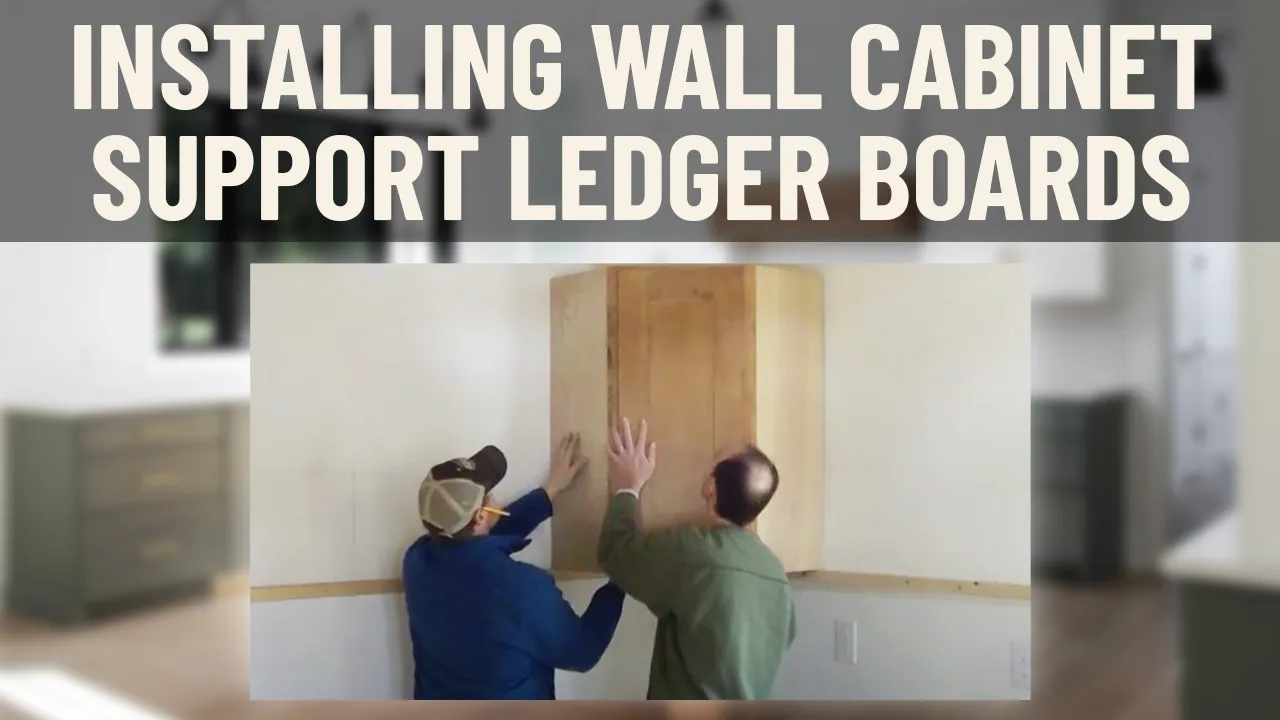
Credit: www.cabinetjoint.com
Finishing Touches
Finishing touches bring your wall cabinets to life. They enhance both look and function. Take time to complete these final steps carefully. This ensures your cabinets work well and look great for years.
Installing Cabinet Doors And Hardware
Attach cabinet doors using hinges provided with your cabinets. Align doors evenly before tightening screws. Check that doors open and close smoothly.
Next, install hardware like handles or knobs. Measure and mark the spots carefully. Use a drill to make holes, then screw in the hardware securely.
Adjust hardware if needed for perfect alignment. This step improves usability and adds style to your cabinets.
Sealing And Cleaning Up
Seal around cabinets to prevent dust and moisture. Use painter’s caulk along edges where cabinets meet walls. Smooth the caulk with a damp finger for a clean finish.
Clean the cabinet surfaces with a soft cloth. Remove dust, fingerprints, and debris from installation. Check all screws and fittings are tight.
Proper sealing and cleaning keep your cabinets fresh and durable. It also gives your space a neat, polished look.
Common Mistakes To Avoid
Hanging wall cabinets might seem easy, but many people make common mistakes. These errors can cause cabinets to be unstable or crooked. Avoid these pitfalls to ensure a safe and neat installation.
Improper Stud Location
Wall studs provide the main support for cabinets. Missing a stud means the cabinet hangs on drywall alone. Drywall cannot hold heavy weight well. Use a stud finder to locate studs accurately. Mark their positions clearly before drilling.
Incorrect Leveling
Even a small tilt makes cabinets look wrong. Use a level to check cabinet alignment constantly. Measure both horizontally and vertically to ensure straightness. Fix any unevenness before securing the cabinet to the wall.
Skipping The Ledger
A ledger board holds the cabinet while you fasten it. Skipping this step makes the process harder and riskier. Attach a temporary ledger at the right height. This keeps the cabinet steady and frees your hands for screwing.

Credit: www.thisoldhouse.com
Frequently Asked Questions
How Do I Find Studs For Hanging Wall Cabinets?
Use a stud finder to locate studs behind drywall. Mark the stud positions with a pencil. Anchoring cabinets into studs ensures secure mounting and supports the weight properly.
What Tools Are Needed To Hang Wall Cabinets?
You’ll need a drill, stud finder, level, measuring tape, screws, and a helper. These tools ensure accurate placement and safe installation of your wall cabinets.
How High Should Wall Cabinets Be Hung?
Typically, wall cabinets are hung 54 inches from the floor to the bottom. This height allows for comfortable use and aligns with standard countertop heights.
Can I Hang Wall Cabinets Without Studs?
It’s not recommended to hang cabinets without studs. Use heavy-duty wall anchors if studs are unavailable, but for safety, always aim for stud mounting.
Conclusion
Hanging wall cabinets can be straightforward with the right steps. Start with gathering all necessary tools. Measure your space carefully. Secure your cabinets properly for safety. Double-check your work for stability. A little patience ensures a successful project. Now, your kitchen or room has more storage.
Plus, a cleaner look. Enjoy the satisfaction of a job done well. Share your success with friends. They might need help next time too. Happy home improvement!