How to Remove Kitchen Cabinets from Wall: Easy Step-by-Step Guide
Are you planning a kitchen makeover or just want to replace those outdated cabinets? Removing kitchen cabinets from the wall may sound like a daunting task, but with the right guidance, it can be a smooth and rewarding experience.
Imagine the satisfaction of freeing up your kitchen space and giving it a fresh new look. You might be surprised at how straightforward the process can be with a little patience and the right steps. In this guide, you’ll discover a simple, step-by-step method to safely and efficiently remove your kitchen cabinets.
Ready to transform your kitchen? Let’s dive in and get started!
Prepare Your Workspace
Preparing your workspace is a crucial step before removing kitchen cabinets from the wall. A well-organized area helps you work efficiently and safely. It also minimizes the risk of damaging your kitchen or injuring yourself.
Clear The Area
Start by removing everything from your countertops and nearby shelves. This creates a clutter-free zone where you can move freely without knocking things over. Don’t forget to take out small appliances, dishes, and decorative items that might get in your way or fall during the removal process.
Think about where you’ll place removed cabinet doors and hardware. Clearing the space not only protects your belongings but also gives you a clear view of the cabinet structure, making it easier to spot screws and fasteners.
Gather Necessary Tools
Having the right tools at hand saves you from frustrating interruptions. Basic tools you’ll need include a screwdriver (both flathead and Phillips), a drill, a pry bar, a utility knife, and a stud finder. Don’t overlook safety gear like gloves and safety glasses—they protect your hands and eyes from sharp edges and dust.
Prepare a container or magnetic tray to hold screws and small parts so they don’t get lost. If you’re unsure about the tools required, take a moment to inspect your cabinets closely to identify the types of screws and fasteners used.
Protect Surrounding Surfaces
Kitchen cabinets are attached to walls and often sit close to countertops and floors. Protect these surfaces to avoid scratches, dents, or paint damage. Lay down drop cloths or old sheets on the floor, and use painter’s tape to cover edges of countertops and walls adjacent to the cabinets.
Protecting your kitchen might seem like extra work, but it saves you time and money later. Have you considered how a small scratch could turn into a costly repair? Taking a few extra minutes now prevents those headaches.

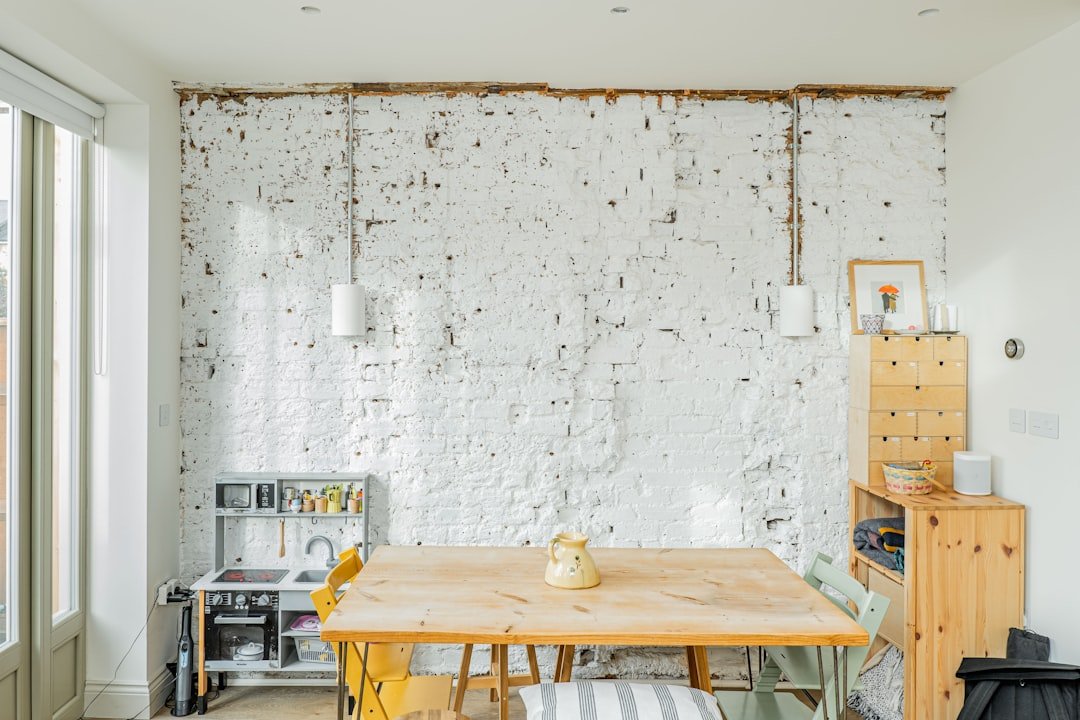
Credit: www.familyhandyman.com
Turn Off Utilities
Before you start removing kitchen cabinets from the wall, it’s crucial to turn off all related utilities. This step protects you from electric shocks and water damage, making your task safer and smoother. Skipping this might lead to costly repairs or even personal injury.
Shut Off Power
Locate your home’s main electrical panel and switch off the circuit breakers that power the kitchen area. This will cut electricity to outlets, lights, and appliances connected near your cabinets.
Double-check by using a non-contact voltage tester around outlets and switches to confirm no electricity is flowing. Have you ever experienced a sudden shock while working on a home project? Turning off power helps you avoid that risk completely.
Turn Off Water Supply
Identify the water shut-off valves under the sink or near your kitchen plumbing. Turning these valves clockwise will stop water flow to the cabinet area.
If you can’t find individual valves, use the main water shut-off valve for your home. This prevents unexpected leaks or flooding when you disconnect pipes or remove cabinets.
Taking these precautions saves you from water damage disasters. Have you ever had to mop up a flood during a kitchen renovation? Avoid that hassle by stopping the water first.
Remove Cabinet Doors And Drawers
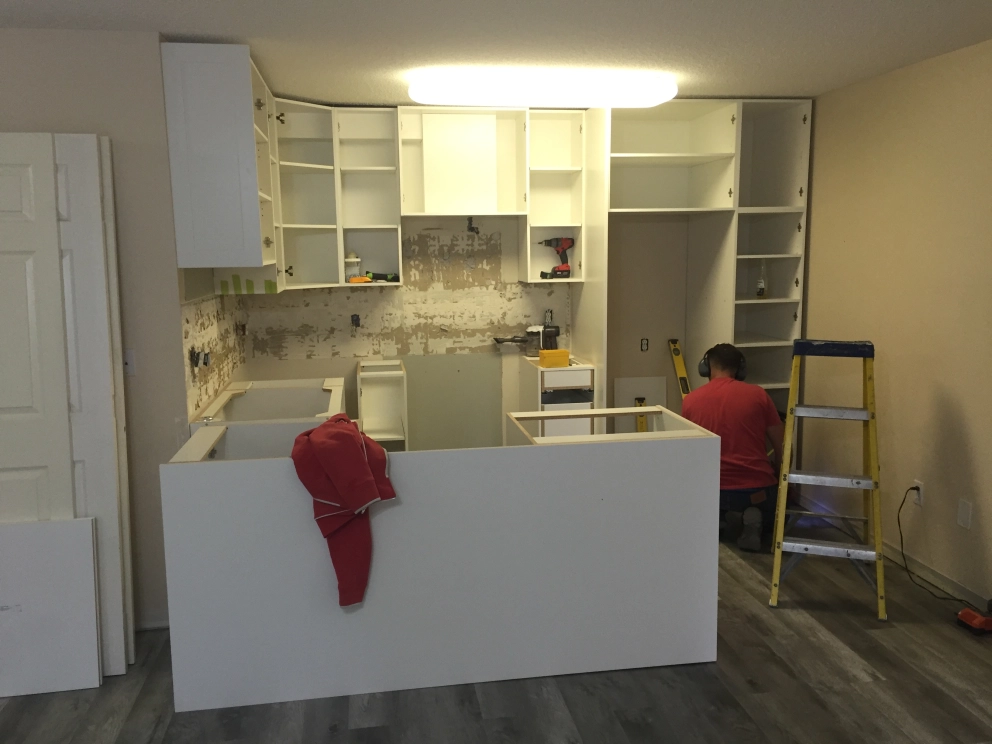
Removing cabinet doors and drawers is a key step in taking down kitchen cabinets. It makes the cabinets lighter and easier to handle. Plus, it prevents damage to the doors and drawers during removal.
This process requires simple tools and careful handling. Follow these tips to remove cabinet doors and drawers smoothly and safely.
Unscrew Hinges
Start by opening the cabinet doors fully. Locate the screws that attach the hinges to the cabinet frame. Use a screwdriver to unscrew them carefully.
Keep the screws in a small container to avoid losing them. Gently pull the door away from the cabinet once the screws are removed. Set the doors aside on a soft surface to prevent scratches.
Take Out Drawers
Pull the drawers out as far as they will go. Look for any stops or clips on the drawer slides. Press or lift these stops to release the drawer from the cabinet.
Slowly slide the drawer out completely. Place the drawers safely aside to protect them. Check the slides for damage or dirt and clean if needed before reinstalling.
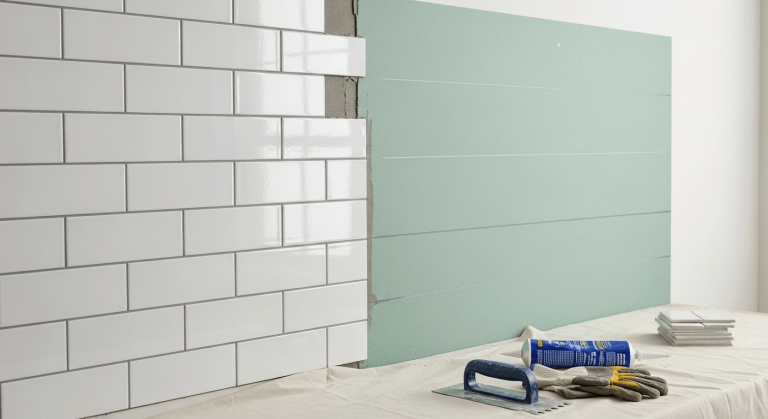
Credit: cut2size.ca
Locate And Remove Fasteners
Locating and removing fasteners is a crucial part of taking kitchen cabinets off the wall. Cabinets are held in place by screws and nails. Finding these fasteners lets you safely detach the cabinet without causing damage. This process takes patience and the right approach. Knowing where to look and what tools to use will make the job easier and quicker.
Find Screws And Nails
Start by examining the inside of the cabinet. Look along the edges where the cabinet meets the wall. Screws often hide behind shelves or inside corners. Nails may be harder to spot but usually appear along the cabinet frame. Use a flashlight to see into darker spots. Check the top and bottom edges carefully. Mark the locations of all fasteners you find. This helps plan their removal and prevents missing any.
Use Proper Tools For Removal
Choose the right tools to remove screws and nails safely. A screwdriver fits most screws. Use a drill with a screwdriver bit for quicker removal. For nails, a claw hammer or pry bar works best. Insert the claw under the nail head and pull gently. Avoid forcing tools to prevent wall or cabinet damage. Keep a container nearby to hold removed fasteners. This keeps the workspace tidy and reduces the chance of losing parts.
Detach Cabinets From Walls
Detaching kitchen cabinets from walls requires care and the right approach. Cabinets are often secured tightly, so patience helps avoid damage. Knowing how to loosen and handle cabinets ensures safety and protects your walls.
Loosen Cabinets Carefully
Begin by removing any doors and drawers. This makes the cabinets lighter and easier to move. Use a screwdriver to remove screws along the cabinet edges. Look inside and under the cabinets for hidden screws. Gently pry the cabinet away from the wall with a putty knife if it sticks. Avoid forcing the cabinet off to prevent wall damage. Work slowly and check for any remaining fasteners.
Handle Heavy Units Safely
Kitchen cabinets can be heavy, especially larger ones. Ask for help to support the weight while detaching. Lift with your legs, not your back, to avoid injury. Use a dolly or cart for moving heavy cabinets after removal. Clear the area around you to prevent tripping. Keep a firm grip and move steadily. Taking these precautions protects both your body and the cabinets.
Clean Up And Inspect Walls
After removing kitchen cabinets, cleaning and inspecting the walls is essential. This step prepares the space for repainting, repairs, or new cabinet installation. It ensures the wall’s surface is smooth and free of obstacles.
Careful cleaning removes dust, dirt, and leftover materials. Inspection helps find any damage that needs fixing before moving forward. This process prevents future problems and keeps the kitchen looking neat.
Remove Remaining Hardware
Check the walls for leftover screws, nails, or brackets. Remove all hardware using a screwdriver or pliers. Small holes from nails or screws should be filled with spackle or wall filler. Smooth the patches with sandpaper once dry. This creates an even surface and avoids bumps under new paint or cabinets.
Check For Wall Damage
Look closely for cracks, dents, or holes on the wall. Tap the wall gently to find loose or weak spots. Mark damaged areas with a pencil. Repair these using appropriate fillers or patch kits. For large damage, consider using drywall patches. Sand the repairs smooth after drying. A clean, intact wall ensures the new cabinets will fit securely and look good.
Dispose Or Store Cabinets
Once you’ve removed your kitchen cabinets from the wall, deciding what to do with them next is crucial. Whether you want to get rid of them quickly or keep them for future use, handling the disposal or storage properly saves you time and hassle. Think about your space, budget, and plans before making a choice.
Decide On Disposal Methods
Ask yourself if the cabinets still have value. Are they in good shape, or worn out beyond repair? If they’re solid and stylish, donating or selling might be your best bet.
If you choose to donate, contact local charities or community centers. Many accept gently used cabinets and will even pick them up. Selling online through platforms like Craigslist or Facebook Marketplace can also earn you some extra cash.
For cabinets that are damaged or outdated, recycling or trash disposal is necessary. Check with your local waste management services to see if they accept construction materials or offer special pickup days. Avoid illegal dumping, as it can lead to fines and environmental harm.
Prepare Cabinets For Storage
Storing cabinets requires careful preparation to prevent damage. Start by cleaning each cabinet thoroughly. Dust and grease left on surfaces can attract pests and cause deterioration.
Next, remove all hardware like handles and hinges and store them in labeled bags. This makes reinstallation easier later on.
Choose a dry, temperature-controlled area to keep your cabinets safe from moisture and warping. Place them upright on pallets or blocks to avoid direct contact with the floor. Cover them with breathable fabric or plastic sheeting to keep dust and dirt away without trapping moisture.

Credit: www.create-enjoy.com
Frequently Asked Questions
How Do I Safely Remove Kitchen Cabinets From The Wall?
First, turn off power to outlets nearby. Remove cabinet doors and shelves. Unscrew mounting screws carefully. Use a pry bar gently if needed. Always wear safety gear like gloves and goggles.
What Tools Are Needed To Remove Kitchen Cabinets?
You’ll need a drill or screwdriver, pry bar, utility knife, and safety gloves. A stud finder helps locate screws inside walls. A helper is useful for heavy cabinets.
Can I Remove Cabinets Without Damaging Walls?
Yes, by carefully unscrewing cabinets and using a utility knife to cut paint seal. Pry gently to avoid drywall damage. Patch small holes with spackle afterward.
How Long Does It Take To Remove Kitchen Cabinets?
Removing cabinets typically takes 1 to 3 hours, depending on size and fasteners. Preparation and safety steps add to the time. Having an extra pair of hands speeds up the process.
Conclusion
Removing kitchen cabinets from the wall can be simple with the right steps. Take your time and work carefully to avoid damage. Always use the right tools and follow safety tips. This helps keep your kitchen safe and ready for new cabinets.
With patience, the task becomes easier than you expect. Now, you can move forward with your kitchen project confidently.