How to Cover Up Kitchen Wall Tiles: Easy & Stunning Makeover Ideas
Are you tired of staring at those outdated kitchen wall tiles every time you cook or entertain guests? You’re not alone.
Many homeowners feel stuck with the tiles they once loved but now see as an eyesore. The good news is, you don’t have to live with them forever. There are simple, creative ways to cover up those tiles without a full renovation.
Imagine transforming your kitchen into a space you adore, one that reflects your style and impresses your friends. This guide will show you how to refresh your kitchen walls with minimal effort and cost. Ready to fall in love with your kitchen again? Let’s dive in and discover the possibilities!
Assessing Your Kitchen Tiles
Before you decide how to cover up your kitchen wall tiles, take time to assess them thoroughly. Understanding the material, condition, and size of your tiles will help you choose the best covering method. Your kitchen’s overall style also plays a crucial role in ensuring the new look feels natural and cohesive.
Identifying Tile Material And Condition
Start by figuring out what type of tiles you have. Are they ceramic, porcelain, glass, or maybe natural stone? Different materials react differently to adhesives and coverings.
Next, check the condition of your tiles. Look for cracks, loose tiles, or any damage. Covering up tiles that are falling apart can lead to problems later, such as peeling or uneven surfaces.
Think about whether you’ll need to repair or replace any tiles before applying a cover. Addressing these issues early saves you time and frustration.
Measuring The Tile Area
Grab a tape measure and carefully measure the height and width of the tiled area. Multiply these numbers to get the total square footage.
Don’t forget to account for any outlets, switches, or corners that might affect your coverage. Precise measurements help you buy the right amount of materials and avoid waste.
Have you ever started a project only to run out of supplies halfway through? Accurate measuring prevents that headache and keeps your project on track.
Considering Your Kitchen Style
Think about the style you want to achieve. Is your kitchen modern, rustic, or traditional? The covering choice should complement the existing design.
For example, sleek glass panels might fit a contemporary kitchen, while beadboard panels could suit a farmhouse look. Matching the style ensures your kitchen feels intentional and welcoming.
Ask yourself: Will the new covering blend well with your cabinets, countertops, and appliances? Visual harmony matters more than you might expect.
Painting Over Tiles
Painting over kitchen wall tiles is a fantastic way to refresh your space without the hassle and cost of a full renovation. It’s a practical option that can transform outdated or plain tiles into a stylish focal point. However, success depends on the right approach and materials.
Choosing The Right Paint
Not all paints work well on tiles. You need a paint specifically designed for glossy, non-porous surfaces, such as epoxy or enamel paint. These types provide strong adhesion and resist moisture, which is vital in kitchens.
Consider the finish you want—matte, satin, or glossy. Glossy finishes are easier to clean but may highlight imperfections. Satin or matte finishes can hide minor flaws but might be harder to wipe down.
Preparing The Tile Surface
Preparation is key to a long-lasting finish. Start by cleaning the tiles thoroughly to remove grease and dirt. Use a degreaser or a mixture of warm water and mild detergent.
Next, lightly sand the tile surface with fine-grit sandpaper. This creates a rough texture that helps the paint stick better. After sanding, wipe away dust with a damp cloth and let the tiles dry completely.
If your grout is cracked or damaged, repair it before painting. Fresh grout will ensure a smooth and even surface for painting.
Step-by-step Painting Process
- Use painter’s tape to mask off areas you don’t want to paint, like cabinets or countertops.
- Apply a primer made for tile surfaces. This step improves paint adhesion and durability.
- Once the primer is dry, apply the first coat of your chosen tile paint using a high-quality brush or roller.
- Allow the paint to dry completely before applying a second coat for even coverage.
- After the final coat dries, remove the painter’s tape carefully to avoid peeling the fresh paint.
- Let the paint cure for a few days before exposing it to heavy use or moisture.
Have you ever tried painting tiles yourself? The satisfaction of a job well done can be quite rewarding and cost-effective. What kind of look would you want to create with your kitchen tiles?
Using Peel-and-stick Wallpaper
Using peel-and-stick wallpaper is a smart way to cover up kitchen wall tiles quickly. It offers a fresh look without heavy work or mess. This wallpaper type sticks directly onto tiles, hiding them while adding color and style. It’s perfect for renters or anyone avoiding permanent changes.
This option is budget-friendly and easy to change later. It comes in many patterns and finishes, so matching your kitchen’s style is simple. Peel-and-stick wallpaper also resists moisture, which suits kitchen conditions well.
Selecting Durable Wallpaper
Choose wallpaper made from vinyl or waterproof materials. These types handle heat, steam, and cleaning better. Look for products labeled as washable and moisture-resistant. A textured surface can hide tile bumps and seams nicely. Select patterns that suit your kitchen’s size and light to keep the space bright and open.
Surface Preparation Tips
- Clean tiles thoroughly to remove grease and dirt.
- Dry the surface completely to ensure good adhesion.
- Fill any cracks or holes with a tile filler or caulk.
- Sand glossy tiles lightly to create a rough surface.
- Wipe again to remove dust after sanding.
Applying And Removing Wallpaper
Start by measuring the wall and cutting wallpaper strips with extra length. Peel off the backing slowly as you stick the paper to the tile. Smooth out air bubbles using a plastic squeegee or credit card. Work from top to bottom for best results. Overlap edges slightly or butt them together neatly.
To remove, peel wallpaper gently from a corner. Use warm water or a mild adhesive remover if residue remains. This process causes no damage to tiles, making it easy to update your kitchen look again.
Installing Tile Stickers And Decals
Installing tile stickers and decals is a quick way to refresh kitchen walls. These adhesive coverings can hide old or damaged tiles easily. They offer a simple way to change the kitchen’s look without heavy work. Many styles and patterns are available, making it easy to match your kitchen’s style.
Best Sticker Options For Kitchens
- Vinyl stickers: Water-resistant and easy to clean.
- Peel-and-stick decals: Simple to apply and remove.
- Matte finish stickers: Reduce glare and give a modern look.
- Glossy stickers: Brighten the space with a shiny surface.
- Patterned tiles: Replicate classic tile designs without grout.
Creative Design Ideas
- Mix plain and patterned stickers for a unique wall.
- Create a backsplash with colorful mosaics or geometric shapes.
- Use stickers that mimic natural stone or wood textures.
- Apply decals in a border style around the kitchen counters.
- Combine bright colors to energize the cooking area.
Maintenance And Longevity
Clean tile stickers with mild soap and a soft cloth. Avoid harsh chemicals or scrubbing tools that damage the surface.
Proper installation prevents peeling and bubbles. Press firmly and smooth out air pockets.
Replace stickers after a few years to keep the kitchen fresh. Some stickers last longer depending on quality and kitchen conditions.
Adding A Backsplash Over Tiles
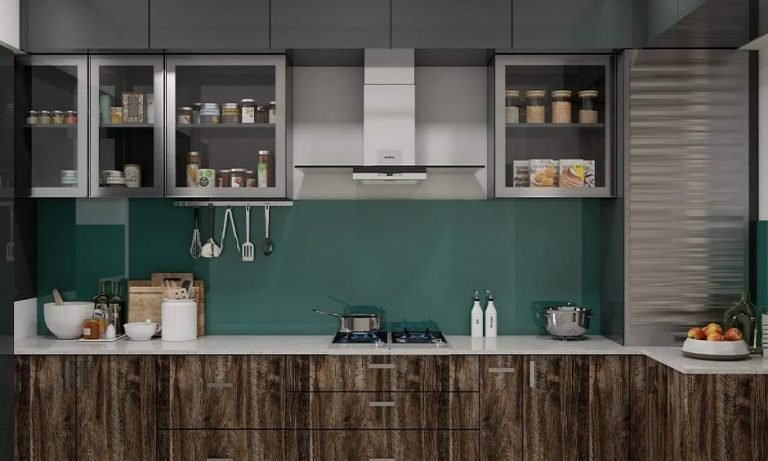
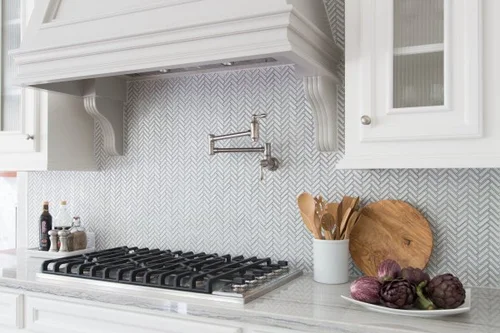
Adding a backsplash over kitchen wall tiles is a smart way to refresh your kitchen’s look. It covers old or outdated tiles without removing them. This saves time and reduces mess. Plus, it adds style and protects the walls from splashes and stains. You can choose from many materials and designs to match your kitchen’s vibe. This approach works well for renters and homeowners alike. Below, learn about the materials, installation options, and popular backsplash styles.
Materials For Over Tile Installation
Selecting the right material is key for a backsplash over tiles. Some options work better over existing tiles than others.
- Peel-and-Stick Tiles:Easy to apply and remove, great for quick updates.
- Beadboard Panels:Add texture and a classic look, paintable for custom colors.
- Glass Sheets:Smooth, shiny surface that’s easy to clean.
- Laminate Panels:Durable and affordable, available in many patterns.
- Tile Over Tile:Installing new tiles directly on old ones with proper adhesive.
Diy Vs Professional Installation
Deciding between DIY and hiring a pro depends on your skills and budget. Simple materials like peel-and-stick tiles suit DIYers.
- DIY saves money and offers personal satisfaction.
- Professionals ensure a perfect finish and handle complex materials.
- Some materials require special tools or expertise.
- Hiring a pro reduces risk of damage and uneven surfaces.
Popular Backsplash Styles
Backsplashes can change the kitchen’s mood instantly. Choose a style that fits your taste and space.
- Subway Tiles:Classic, clean, and versatile for any kitchen.
- Mosaic Tiles:Colorful and artistic, ideal for small accent areas.
- Marble or Stone:Luxurious look with natural patterns.
- Metal Sheets:Modern, sleek, and easy to wipe clean.
- Patterned Ceramic:Adds personality with bold designs.

Credit: mercurymosaics.com
Using Fabric Or Panels
Using fabric or panels to cover kitchen wall tiles offers a quick and stylish solution without the mess of demolition. It allows you to refresh your kitchen’s look with textures and colors that reflect your personality. This approach also gives you the flexibility to change the design anytime, making your kitchen adaptable to your evolving tastes.
Choosing Fabric Types
Not all fabrics work well in a kitchen environment, where moisture and stains are common. Look for materials that are easy to clean, like polyester blends or vinyl-coated fabrics. These options resist water and grease better than cotton or linen.
Think about the style you want to create. Do you want a smooth, modern look or a cozy, textured feel? Heavyweight fabrics like canvas or denim add texture but may require more effort to keep clean.
Have you considered patterned fabrics? Stripes, florals, or geometric prints can add interest and hide minor stains. Choose a fabric that complements your countertops and cabinets for a cohesive look.
Mounting Fabric Panels
You can mount fabric directly onto the tiles using adhesive sprays or double-sided tape designed for walls. Make sure the tiles are clean and dry before application to ensure the fabric sticks well.
Another option is to stretch fabric over lightweight wooden frames and hang these panels like artwork. This method lets you remove or swap panels easily without damaging tiles.
If you want a seamless look, consider using magnetic strips on the tile surface and attaching fabric panels with magnets. This gives you the freedom to change fabrics seasonally or whenever inspiration strikes.
Maintaining Fabric Covers
Keeping fabric covers looking fresh requires regular attention. Dust them weekly with a soft brush or vacuum using an upholstery attachment to avoid grime buildup.
Spot clean stains promptly using mild soap and water. Avoid harsh chemicals that can damage the fabric or affect its color.
If panels are removable, take them down occasionally for a deeper clean or even machine wash if the fabric allows. This keeps your kitchen bright and inviting without the hassle of redoing tiles.
Applying Decorative Plaster Or Cladding
Applying decorative plaster or cladding is a fantastic way to transform your kitchen walls without the hassle of removing old tiles. This approach lets you customize the look, add texture, and even improve durability. It’s a smart choice if you want a fresh, modern vibe or a unique style that stands out.
Types Of Plaster And Cladding
You have several options when choosing plaster or cladding for your kitchen walls. Popular plasters include Venetian plaster, lime plaster, and acrylic plaster. Each offers different finishes, durability, and ease of application.
For cladding, materials like wood panels, PVC boards, and stone veneers are common. Wood adds warmth, PVC is low-maintenance, and stone gives a natural, rustic feel. Think about the kitchen’s style and how much upkeep you’re ready to handle.
Preparation And Application
Preparation is key to getting a smooth, lasting finish. Start by cleaning the tile surface thoroughly to remove grease and dirt. Lightly sanding the tiles helps the plaster or cladding stick better.
Apply a primer or bonding agent to improve adhesion. When working with plaster, use a trowel to spread it evenly, layering until you reach the desired thickness. For cladding, carefully measure and cut panels to fit your wall, then secure them with adhesive or screws.
Patience during drying times makes a big difference. Rushing the process can cause cracks or peeling later, so allow each layer to dry fully before adding the next.
Textured Vs Smooth Finishes
Deciding between textured and smooth finishes depends on your kitchen’s look and feel. Textured plaster can hide imperfections and add visual interest. It works well in rustic or industrial kitchens.
Smooth finishes offer a sleek, modern appearance. They’re easier to clean but can show flaws more readily. Which style fits your daily routine better? If you cook a lot, a smooth surface might be easier to wipe down.
Try samples on a small area first to see how each finish changes the room’s atmosphere. This hands-on test can save you from surprises and help you feel confident about your choice.

Credit: www.create-enjoy.com
Budget And Time Considerations
Covering up kitchen wall tiles can refresh your space without a full renovation. However, your choice depends heavily on how much you’re willing to spend and how much time you have. Balancing budget and time upfront helps you avoid surprises and keeps the project manageable.
Cost Comparison Of Methods
Different ways to cover tiles come with varying price tags. Painting tiles is one of the cheapest options, costing around $30-$60 for supplies like primer and tile paint. Installing peel-and-stick vinyl tiles runs higher, around $100-$200 depending on your kitchen size.
More permanent solutions, like drywall or tile overlays, can cost $300 or more because of materials and labor. Think about the long-term value versus upfront costs. Would a quick paint job satisfy you, or is investing in a durable fix worth the extra cash?
Time Required For Each Option
Time investment varies with each approach. Painting tiles might take just a weekend if you allow drying time between coats. Peel-and-stick tiles usually take a few hours, but careful alignment is key to avoid peeling later.
More involved methods like installing drywall or new tile overlays require a few days, including prep, installation, and cleanup. Do you want a fast weekend project, or can you handle a longer process for a more polished outcome?
Diy Tips To Save Money
- Prep properly:Clean and sand your tiles well before painting or applying adhesive materials to ensure better results.
- Buy quality but affordable supplies:Look for mid-range products with good reviews instead of premium brands to cut costs without risking poor quality.
- Plan your layout:Measure carefully and sketch your design to avoid costly mistakes or waste of materials.
- Use online tutorials:Watching step-by-step videos can boost your confidence and help you avoid common pitfalls.
I once saved over $150 by painting my kitchen tiles myself instead of hiring a pro. The key was taking my time and not rushing the prep stage. What small investment in effort could save you money on your project?
Maintaining Your New Kitchen Walls
Maintaining your new kitchen walls is key to keeping your space looking fresh and inviting. After investing time and effort to cover up those old tiles, you want your walls to stay vibrant and damage-free. Simple care habits can extend the life of your paint or wallpaper and keep your kitchen feeling like new.
Cleaning Painted Or Wallpapered Surfaces
Regular cleaning prevents grime and grease buildup, which can dull your walls over time. Use a soft cloth or sponge with mild soap and warm water to gently wipe down painted walls. Avoid harsh scrubbing to protect the finish.
For wallpaper, spot-clean any stains immediately using a damp cloth. Test a small hidden area first to ensure the wallpaper doesn’t react badly to moisture. Would you believe that skipping quick cleanups can lead to stubborn stains that are tough to remove later?
Repairing Minor Damages
Small nicks or scratches happen, but they don’t have to ruin your kitchen’s look. Keep a repair kit handy with touch-up paint or wallpaper paste for quick fixes. Filling in tiny holes and smoothing out bubbles keeps your walls seamless.
If you notice peeling wallpaper edges or chipped paint, address them right away. Ignoring these minor issues can lead to bigger repairs down the line. How often do you check your walls for these small but fixable flaws?
Keeping Your Kitchen Fresh
Ventilation plays a huge role in preserving your wall coverings. Use your kitchen fan or open windows to reduce moisture and odors that can damage surfaces. This simple step helps avoid mold and discoloration.
Consider adding a clear protective coat over painted walls near cooking areas for added durability. Changing your cleaning routine seasonally also helps adapt to humidity changes. How might adjusting these little habits improve your kitchen’s longevity?

Credit: decorateandmorewithtip.com
Frequently Asked Questions
How Can I Paint Over Kitchen Wall Tiles?
Clean tiles thoroughly and use a tile primer first. Then apply epoxy or latex paint designed for tiles. This method offers a fresh look without removing tiles.
What Materials Cover Kitchen Wall Tiles Effectively?
Peel-and-stick tiles, beadboard panels, or tile decals cover tiles well. These options are easy to install and cost-effective for quick kitchen updates.
Can Wallpaper Be Applied Over Kitchen Wall Tiles?
Yes, but tiles must be cleaned and sanded for adhesion. Use a strong adhesive wallpaper designed for non-porous surfaces to ensure durability.
How To Remove Kitchen Wall Tiles Safely?
Use a hammer and chisel to carefully chip away grout and tiles. Wear safety gear and work slowly to avoid damaging the wall underneath.
Conclusion
Covering kitchen wall tiles can refresh your space quickly. Choose a method that fits your style and budget. Paint, peel-and-stick tiles, or panels work well. These options hide old tiles without major work. You can create a fresh, clean look in hours.
Enjoy your updated kitchen without a full remodel. Small changes make a big difference. Start your project today and see the change. Simple steps lead to a brighter kitchen space.