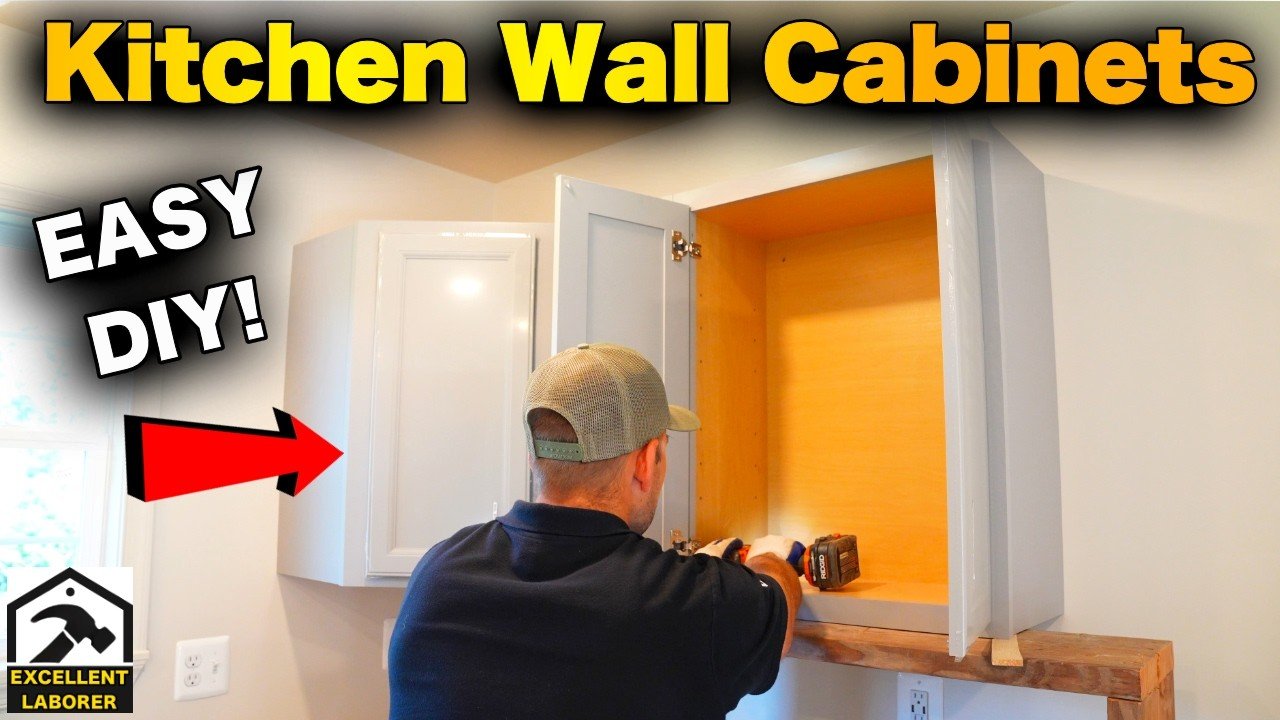
How to Hang Kitchen Wall Units: Easy Steps for a Perfect Fit
Are you ready to transform your kitchen into a more functional and visually appealing space? Hanging kitchen wall units can be a game-changer, providing extra storage and a sleek look.
But if you’re feeling a bit overwhelmed about getting started, you’re not alone. The good news is, with the right guidance, you can tackle this project like a pro. Imagine the satisfaction of standing back and admiring your handiwork, knowing you’ve added both value and style to your home.
In this guide, we’ll walk you through the step-by-step process of hanging kitchen wall units, ensuring you feel confident and equipped every step of the way. So, let’s get started and turn your kitchen dreams into reality!

Credit: www.create-enjoy.com
Tools And Materials Needed
Hanging kitchen wall units needs the right tools and materials. Without proper items, the process can be slow or unsafe. Gather everything before starting. This saves time and helps avoid mistakes.
Essential Tools
- Drill with various drill bits
- Screwdriver (manual or electric)
- Spirit level to ensure units are straight
- Measuring tape for accurate placement
- Stud finder to locate wall supports
- Pencil for marking spots on the wall
- Hammer for light tapping
- Step ladder to reach higher areas safely
Materials Checklist
- Wall units or cabinets to hang
- Mounting brackets supplied with the units
- Heavy-duty wall plugs or anchors
- Appropriate screws matching wall and unit type
- Protective gloves to avoid injuries
- Masking tape to mark drilling spots
Preparing The Wall
Preparing the wall is a crucial step before hanging kitchen wall units. It ensures the units are secure and aligned properly. Taking time to prepare the wall helps avoid damage and uneven cabinets.
Locating Studs
Studs provide the strongest support for heavy kitchen cabinets. Use a stud finder to locate wooden beams behind the drywall. Mark each stud with a pencil. Typically, studs are spaced 16 or 24 inches apart. Avoid hanging cabinets on drywall alone, as it cannot hold much weight.
Marking The Layout
Plan the cabinet positions by marking the wall clearly. Measure the height from the countertop to the bottom of the wall unit. Use a level to draw a straight horizontal line. This line shows where the cabinet base will sit. Mark vertical lines where each cabinet edge will align. These guidelines help keep the installation even and tidy.
Measuring And Leveling
Measuring and leveling are the foundation of successfully hanging kitchen wall units. Getting this right saves you from uneven cabinets and the frustration of redoing work. Before drilling any holes, it’s crucial to take your time with measurements and ensure everything lines up perfectly.
Accurate Measurements
Start by measuring the height where you want your wall units to hang. Use a tape measure and mark the height clearly on the wall with a pencil. Double-check these marks by measuring from a fixed point, like the floor or countertop, to avoid any mistakes.
Measure the width of each cabinet and the space between them. This helps you plan the layout precisely and avoid awkward gaps. Remember to account for any obstacles like light switches or electrical outlets that might interfere with placement.
Think about the depth of the units too. Will they align well with your countertop or backsplash? Taking all these dimensions into account ensures your kitchen looks balanced and functional.
Using A Level
Once your measurements are marked, it’s time to check if the marks are perfectly horizontal. A carpenter’s level is your best friend here. Place it against the marks and adjust until the bubble is centered.
If you don’t have a traditional level, a smartphone app can also do the job. Just be sure to calibrate it first for accuracy. Using a laser level is another option, especially if you’re hanging multiple units in a row—it projects a straight line across the wall, making alignment easier.
Don’t rush this step. Even a small tilt can cause cabinets to look crooked and affect the doors closing properly. Have you ever noticed how a slightly uneven shelf can throw off the whole room’s vibe? Your kitchen wall units deserve better.
Installing The Mounting Rail
Installing the mounting rail is a vital part of hanging kitchen wall units. This rail supports the entire weight of the cabinets. Proper placement and secure fixing ensure safety and stability. Take time to measure and mark the wall accurately before attaching the rail. Follow clear steps for a smooth installation.
Positioning The Rail
Start by finding the wall studs using a stud finder. Mark the stud locations with a pencil. The rail should be level and straight across the wall. Use a spirit level to draw a horizontal line where the rail will sit. This line guides the rail placement and keeps cabinets aligned.
Measure the height carefully. The rail must be high enough to allow room for the cabinets below. Double-check measurements for consistency. Hold the rail against the wall along the level line. Confirm it covers all marked studs.
Securing With Screws
Use long wood screws to fix the rail into the studs. Pre-drill holes in the rail for easy screwing and to avoid splitting. Drive screws through the rail into the studs firmly. Ensure the rail does not move or wobble.
- Check the rail again with the level before final tightening.
- Place screws about 12 inches apart along the rail.
- Use washers if the screw heads need extra support.
Properly secured rail provides a strong base for your wall units. Test the rail by applying slight pressure. It should feel solid without any give. This step guarantees your kitchen units will hang safely.
Hanging The Wall Units
Hanging kitchen wall units properly is key for safety and style. It takes care, focus, and the right tools. Follow clear steps to get the units straight and secure on the wall. This part covers lifting, aligning, and attaching units to the rail.
Lifting And Aligning
Lift the unit carefully. Use both hands to avoid damage. Ask for help if the unit is heavy or large. Hold it steady close to the wall.
Check the unit’s position. Make sure it lines up with the marks or rail. The unit must be level. Use a spirit level to check. Adjust the unit until it is perfectly straight.
Attaching Units To The Rail
Slide the unit onto the wall rail securely. The rail supports the unit’s weight. Make sure the hooks or brackets fit properly. Push the unit gently but firmly against the wall.
Use screws to fix the unit to the rail. Tighten screws evenly. Do not overtighten to avoid damage. Check the unit again with the level. Confirm it stays straight and stable.

Credit: www.youtube.com
Adjusting And Securing Units
After hanging your kitchen wall units, adjusting and securing them is vital. This ensures the cabinets are straight, stable, and safe to use. Proper adjustment prevents damage and gives a neat look. Follow simple steps to level and tighten the units correctly.
Leveling The Cabinets
Start by checking the cabinet’s alignment using a spirit level. Place the level on the top edge of the unit. Adjust the cabinet until the bubble is centered. Small gaps can be fixed with shims behind the unit. Check side-to-side and front-to-back to ensure perfect leveling.
Level cabinets make doors close smoothly and look professional. Take time to adjust each unit carefully. This avoids problems in future use.
Tightening Fixings
Secure the cabinets by tightening all screws and fixings. Use a screwdriver or drill with the correct bit. Tighten wall brackets and screws holding the cabinet to the wall. Check all fixings inside the cabinet for extra strength.
Do not overtighten screws to avoid damage. Tight fixings keep the units stable during daily use. Always double-check after tightening to confirm the units do not move.
Finishing Touches
Finishing touches can make or break the look of your kitchen wall units. These final details not only enhance the appearance but also ensure durability and a polished feel. Paying close attention here means your hard work will truly stand out every time you enter your kitchen.
Adding Trim And Moulding
Trim and moulding add a professional, custom look to your kitchen wall units. They cover any gaps between the units and the wall or ceiling, hiding uneven edges and making the installation appear seamless.
Choose moulding that matches or complements your cabinetry style. For instance, a classic crown moulding works beautifully with traditional cabinets, while simple flat trim suits modern designs.
Cut the pieces carefully to fit snugly using a miter saw. Attach them with finishing nails and fill any nail holes with wood filler for a flawless finish. Have you considered how a well-chosen trim can transform the entire space?
Cleaning Up
Cleaning up after installation is crucial but often overlooked. Dust, wood shavings, and fingerprints can dull your newly hung units and distract from their beauty.
Use a soft cloth and mild cleaner to wipe down all surfaces. Avoid harsh chemicals that might damage the finish or paint.
Don’t forget to vacuum or sweep the floor area thoroughly to remove debris that could cause scratches or accidents later. How much difference does a spotless, tidy workspace make to your satisfaction with a project?

Credit: www.familyhandyman.com
Common Mistakes To Avoid
Hanging kitchen wall units can transform your space, but certain mistakes can turn this simple task into a frustrating challenge. Avoiding common pitfalls will save you time, effort, and potential damage to your walls. Let’s look at some key errors to watch out for so your installation goes smoothly and your cabinets stay secure.
Incorrect Measurements
Taking accurate measurements is critical. Even a small error can cause your units to hang unevenly or not fit properly. Double-check the height, width, and depth of your wall space and the cabinets themselves before drilling any holes.
Think about the last time you measured something hastily—did it fit perfectly on the first try? This mistake often leads to unnecessary adjustments or damage. Use a reliable tape measure and mark the exact spots on the wall where the units will go.
Also, consider the space needed for appliances, countertops, and backsplash. Overlooking these can create awkward gaps or force you to reposition your cabinets later, which is avoidable with proper measuring.
Ignoring Studs
Wall studs are your cabinets’ best friends. Hanging heavy kitchen units on drywall alone is risky and can cause your cabinets to fall, damaging both the units and your walls. Always locate the studs using a stud finder and screw directly into them for a secure hold.
Have you ever seen a cabinet sag or heard it creak? That’s a sign the support isn’t strong enough. Using drywall anchors instead of studs might seem like a shortcut, but it compromises safety and durability.
Mark stud locations clearly and plan your cabinet placement accordingly. If your design requires hanging between studs, consider adding a wooden support strip anchored into the studs to distribute the weight evenly.
Frequently Asked Questions
How Do I Prepare Walls For Kitchen Wall Units?
Clean and clear the wall surface. Locate and mark studs using a stud finder. Remove any obstacles like old nails or screws before installation.
What Tools Are Needed To Hang Kitchen Wall Units?
You need a drill, level, tape measure, screwdriver, stud finder, pencil, and wall plugs. These tools ensure secure and accurate mounting.
How High Should Kitchen Wall Units Be Hung?
Typically, hang units 54 to 60 inches from the floor. This height allows easy access and accommodates most countertops and appliances.
Can I Hang Kitchen Wall Units On Drywall Alone?
No, drywall alone can’t support heavy units. Always mount units onto wall studs or use strong wall anchors designed for heavy loads.
Conclusion
Hanging kitchen wall units can improve your space and storage. Always measure carefully and use the right tools. Secure the units firmly to avoid accidents. Take your time and follow each step clearly. Small mistakes can cause big problems later.
Enjoy your new kitchen look and extra storage. This task feels hard but is doable with patience. Try it yourself and see the difference it makes.