How to Tile a Kitchen Wall With Large Tiles: Expert Tips & Tricks
Are you ready to transform your kitchen into a stunning masterpiece with large tiles? Imagine the sleek, modern look of a beautifully tiled kitchen wall.
It’s not just about aesthetics; it’s about creating a space that feels fresh and inviting every time you walk in. You might think tiling with large tiles is a daunting task, but with the right guidance, it can be a rewarding DIY project.
This guide will walk you through every step, from preparing your wall to laying the last tile. Say goodbye to outdated designs and hello to a kitchen that mirrors your style. Stick with us, and you’ll soon see how easy it is to achieve a professional look on your own. Let’s get started and make your kitchen the heart of your home!

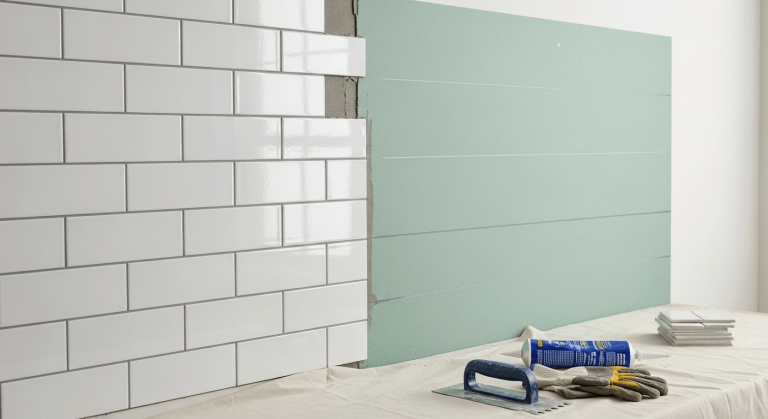
Credit: www.tilemountain.co.uk
Choosing Large Tiles
Choosing the right large tiles for your kitchen wall is a crucial step that sets the tone for the entire project. Your selection affects not only the look but also the ease of installation and long-term maintenance. Let’s break down what you need to consider to pick tiles that fit your style and practical needs perfectly.
Benefits Of Large Tiles
Large tiles create a sleek, modern look by reducing the number of grout lines on your kitchen wall. This means less cleaning and a more seamless appearance. They also make small kitchens feel bigger by opening up the visual space.
Have you noticed how grout lines can collect dirt and become a hassle to maintain? With large tiles, you spend less time scrubbing and more time enjoying your kitchen. Plus, large tiles tend to be sturdier, reducing the chance of cracking over time.
Material Options
Choosing the right material is essential for durability and style. Porcelain tiles are a popular choice because they resist moisture and stains, which is perfect for kitchen walls. Ceramic tiles offer a wide range of designs and are budget-friendly.
If you want something unique, natural stone tiles like marble or slate add texture and character but require more care. Glass tiles can brighten up your kitchen with a reflective surface but might be more fragile. Consider how much time you want to spend on upkeep before deciding.
Color And Pattern Selection
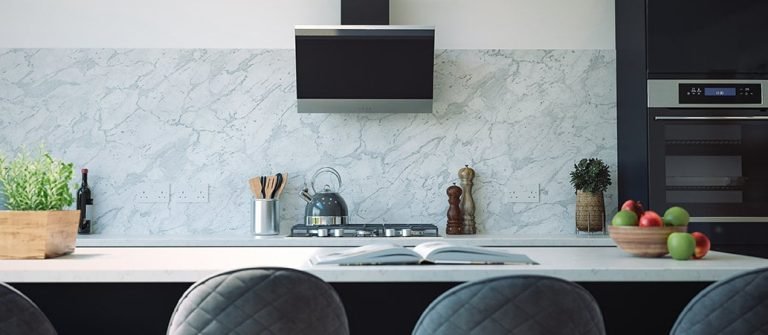
Color plays a major role in setting the mood of your kitchen. Light colors can make your space feel airy and clean, while darker shades add warmth and coziness. Think about the color of your cabinets and countertops when choosing your tile color.
Patterns on large tiles are subtle but impactful. You could go for a simple solid color or choose tiles with natural veining or slight texture for interest. Ask yourself: do you want the tiles to be the star of the show or a calm backdrop? Your answer will guide your pattern choice.

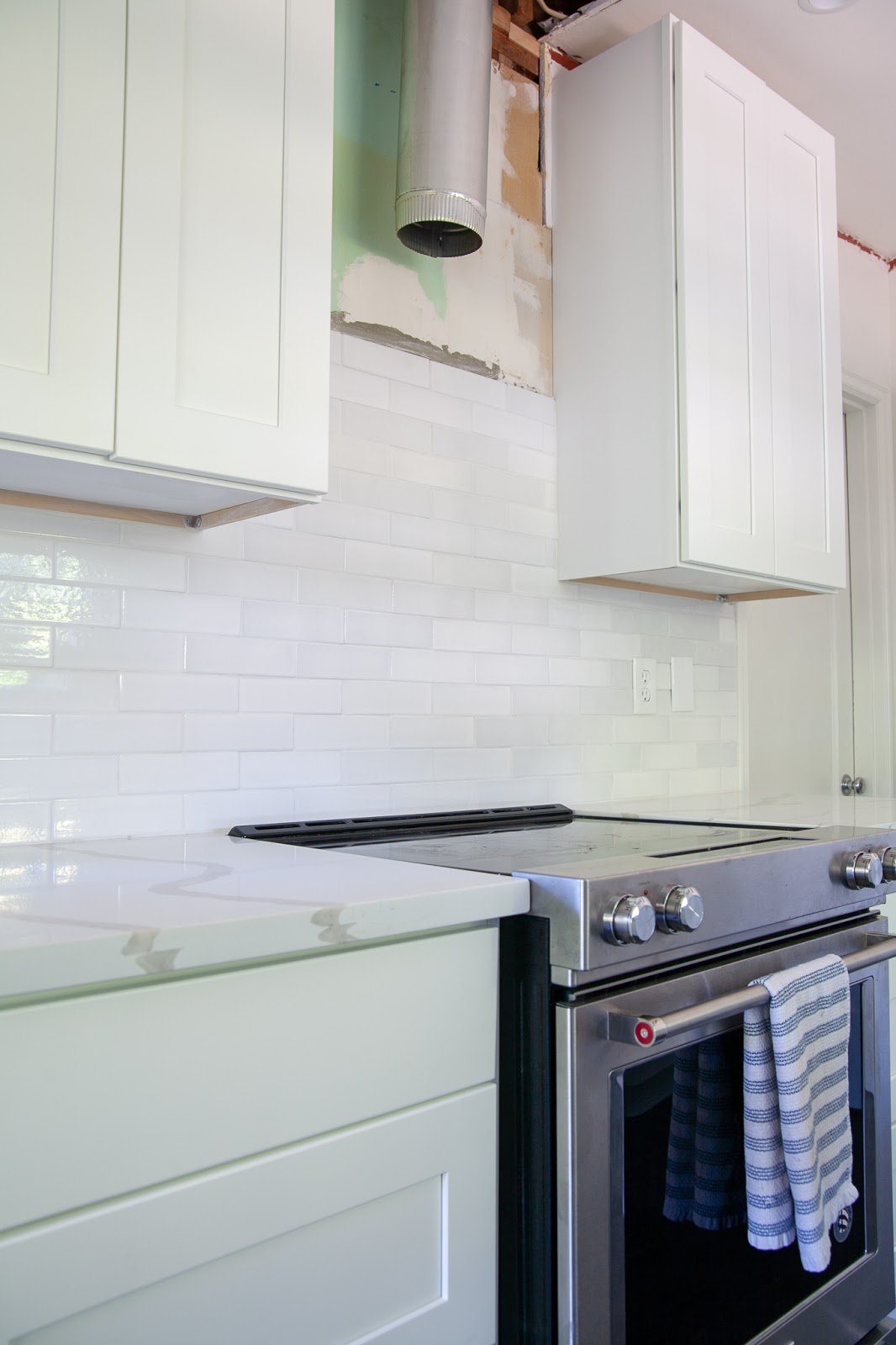
Credit: www.create-enjoy.com
Preparing The Wall
Preparing the wall is the foundation of a successful large tile installation in your kitchen. Skipping this step can lead to uneven tiles, weak adhesion, and a finish that won’t last. Taking your time here ensures that your tiles lay flat and stay in place for years to come.
Cleaning And Smoothing
Start by thoroughly cleaning the wall. Remove grease, dust, and any loose paint using a mild detergent and a sponge. A clean surface helps the adhesive stick better and prevents tiles from slipping.
After cleaning, check for rough patches or bumps. Sand these down gently with medium-grit sandpaper to create a smooth surface. This step is crucial because large tiles will highlight any imperfections beneath them.
Repairing Damages
Look closely for cracks, holes, or damaged drywall. These can cause tiles to crack or come loose over time. Fill small holes or cracks with a quality wall filler and let it dry completely before sanding smooth.
If the damage is extensive, consider replacing the drywall or using a cement backer board. Large tiles require a sturdy, stable base to prevent shifting. Have you noticed uneven spots that might need extra attention? Fixing these now saves headaches later.
Measuring And Marking
Precise measurements are essential when working with large tiles to avoid awkward cuts and uneven spacing. Use a level and a pencil to mark horizontal and vertical guidelines on the wall. This creates a reference grid for your tile layout.
Measure from the center outwards to ensure symmetry, especially if your kitchen wall has unique features like windows or outlets. Mark the position of each tile edge lightly. This clear plan helps you stay organized and confident while tiling.
Gathering Tools And Materials
Before you start tiling your kitchen wall with large tiles, gathering the right tools and materials is crucial. Having everything ready not only saves time but also helps you avoid frustration during the process. Let’s break down what you need to get started on the right foot.
Essential Tools
You’ll need a set of specific tools to handle large tiles smoothly. A tile cutter or wet saw is vital for clean, precise cuts. A notched trowel helps spread adhesive evenly, ensuring the tiles stick well.
Other must-haves include a level to keep your tiles straight and spacers to maintain consistent gaps. Don’t forget a rubber mallet to gently tap tiles into place without breaking them. Having a measuring tape and pencil handy will make marking your tiles easier.
Adhesives And Grout
Choosing the right adhesive is key for large tiles because they’re heavier and require strong bonding. Thin-set mortar is the most common and works well for kitchen walls. Look for a product that suits your tile material and wall surface.
Grout fills the gaps between tiles, so pick one that matches your tile color and is easy to clean. Sanded grout is usually better for wider joints, while unsanded grout works for narrow gaps. Think about how much moisture the kitchen wall faces to select grout with the right durability.
Safety Equipment
Safety should never be an afterthought. Protect your eyes with safety goggles, especially when cutting tiles. Gloves shield your hands from sharp edges and adhesive chemicals.
Wear a dust mask if you’re cutting tiles indoors to avoid inhaling dust particles. Comfortable knee pads can also save your knees during long hours of work. Are you prepared to keep yourself safe while creating your beautiful tile wall?
Cutting Large Tiles
Cutting large tiles is a key part of tiling a kitchen wall. It helps fit tiles into corners, around outlets, and near edges. Large tiles can be harder to cut because of their size and thickness. Using the right tools and techniques ensures clean cuts and a professional look.
Using A Wet Saw
A wet saw is ideal for cutting large tiles smoothly. It uses water to cool the blade and reduce dust. This tool makes straight cuts and angled cuts easier.
- Mark the tile with a pencil before cutting.
- Keep the tile steady on the saw table.
- Slowly push the tile into the blade for a clean cut.
- Wear safety glasses and gloves for protection.
Manual Tile Cutters
Manual tile cutters work well for straight cuts on large tiles. They have a scoring wheel and a breaking mechanism. This tool is quieter and easier to use than a wet saw.
- Score the tile surface firmly along the cutting line.
- Press down the handle to snap the tile cleanly.
- Best for ceramic and porcelain tiles.
- Not suitable for thick or very hard tiles.
Tips For Precision Cuts
- Measure twice, cut once to avoid mistakes.
- Use a straight edge or ruler to guide marks.
- Practice on spare tiles before cutting important pieces.
- Keep blades sharp and clean for better cuts.
- Take your time to ensure neat edges.
Applying Adhesive
Applying adhesive correctly is a crucial part of tiling your kitchen wall, especially with large tiles. The right adhesive ensures your tiles stay put and look great for years. Let’s break down how you can master this step with confidence and precision.
Choosing The Right Adhesive
Not all adhesives work well with large tiles. You need a strong, flexible adhesive designed for heavy and large-format tiles to avoid future cracks or tiles slipping.
Look for adhesives labeled as “large format tile adhesive” or “modified thinset mortar.” These provide better grip and flexibility. Have you checked if your adhesive suits your tile material and wall surface? It’s a detail often overlooked but makes a big difference.
Spreading Techniques
Using a notched trowel is key to spreading adhesive evenly. The size of the notches depends on your tile size; larger tiles require bigger notches to hold enough adhesive.
Hold the trowel at a 45-degree angle and apply the adhesive in straight lines. This creates ridges that help the tile stick better. Avoid smearing or spreading too thin; too little adhesive means weak bonding.
Working In Sections
Don’t cover the entire wall with adhesive at once. Apply it in small sections that you can tile within 15 to 20 minutes. This prevents the adhesive from drying out before you place the tile.
Focus on one section at a time, pressing each tile firmly into the adhesive. This approach keeps the process manageable and ensures each tile adheres properly. Have you thought about how working in sections can save you from costly mistakes?

Credit: www.tilemountain.co.uk
Laying The Tiles
Laying large tiles on a kitchen wall requires care and precision. Each tile must fit perfectly to create a smooth, attractive surface. Attention to detail helps avoid gaps and uneven lines. Start with a clear plan and the right tools to make tiling easier and faster.
Starting Point Selection
Choose a flat, visible wall section to begin. Usually, start from the center or a corner near the countertop. This helps keep tiles balanced on both sides. Check for any obstacles like outlets or cabinets. Mark a straight vertical and horizontal line as your guide.
Maintaining Straight Lines
Keep tiles aligned by following your guide lines carefully. Use a level to check horizontal and vertical straightness often. Adjust tiles immediately if they shift or tilt. Consistent spacing between tiles ensures a neat look. Work slowly and step back to review your progress.
Using Spacers Correctly
Place tile spacers between tiles to keep gaps even. Choose spacer sizes based on the grout width you want. Insert spacers at all corners of each tile. Remove spacers only after the adhesive sets. This prevents tiles from moving and keeps lines straight.
Grouting And Sealing
Grouting and sealing are crucial steps in finishing your kitchen wall tiling project, especially with large tiles. These processes not only fill the gaps but also protect your work from moisture and stains, ensuring it lasts longer and looks great. Paying attention to detail here can make a big difference in the overall outcome.
Mixing Grout Properly
Getting the grout mixture just right is essential for a smooth application and strong adhesion. Use clean water and gradually add grout powder, stirring continuously to avoid lumps. The consistency should be similar to peanut butter—thick enough to stay on your float but soft enough to spread easily.
Have you noticed how some grouts crack or crumble? Often, that’s due to improper mixing or using too much water. Stick to the manufacturer’s guidelines, and don’t rush this step; well-mixed grout sets evenly and lasts longer.
Applying Grout Evenly
Use a rubber float held at a 45-degree angle to spread grout across the tiles, pressing firmly to fill every joint. Work in small sections to prevent the grout from drying too fast, which makes cleaning harder. Remove excess grout by wiping diagonally with a damp sponge to avoid pulling grout out of the gaps.
Applying grout evenly requires patience and a steady hand. If some joints look shallow or uneven, go back and add more grout before it dries. It’s better to fix it now than deal with repairs later.
Sealing For Durability
Once your grout has fully cured—usually after 48 to 72 hours—it’s time to seal it. Sealing protects the grout from stains, moisture, and mold, especially in a kitchen where spills are common. Use a high-quality grout sealer and apply it with a small brush or applicator bottle, making sure to cover all grout lines thoroughly.
Think about how often your kitchen walls get splashed with oil or water. Without sealing, grout absorbs these substances and becomes discolored or weakened. Sealing not only keeps your kitchen looking clean but also reduces the time you spend on maintenance.
Cleaning And Finishing Touches
After installing large tiles on your kitchen wall, focusing on cleaning and finishing touches brings your project to life. These steps ensure your work looks sharp and lasts long. Let’s dive into the details that make a real difference.
Removing Excess Grout
Excess grout can dull the beauty of your tiles if not cleaned properly. Use a damp sponge to gently wipe the tile surfaces, removing grout from the face while leaving it in the joints.
Don’t rush this step; wait about 15-30 minutes after applying grout before cleaning. If you clean too early, grout can smear; too late, and it becomes harder to remove.
Keep rinsing your sponge frequently to avoid spreading grout residue. A little patience here saves you from tedious scrubbing later on.
Polishing Tiles
Once the grout has set, polish your tiles to enhance their shine. Use a dry, soft cloth to buff away any haze left on the tile surface.
If haze persists, a small amount of white vinegar diluted in water can help break it down—test on a small area first to avoid damage. Polishing not only improves appearance but also feels rewarding as you see your kitchen wall gleam.
Think of this as the final stroke that turns a good job into a great one.
Final Inspection
Before you step back and admire your handiwork, inspect every inch carefully. Look for uneven grout lines, loose tiles, or spots where grout might have been missed.
Use a flashlight at an angle to spot imperfections your eyes might miss in normal lighting. Fixing small issues now prevents bigger problems later.
Ask yourself: does the wall look seamless and clean? If not, take a moment to address those details—you’ll appreciate the effort every time you cook in your kitchen.
Common Mistakes To Avoid
Tiling a kitchen wall with large tiles can transform your space, but it’s easy to stumble if you’re not careful. Avoiding common mistakes will save you time, money, and frustration. Let’s look at some pitfalls that could ruin your project and how to steer clear of them.
Misaligning Tiles
Keeping tiles perfectly aligned is critical, especially with large tiles where any misalignment becomes very noticeable. You might think a slight shift won’t matter, but it quickly throws off the entire pattern. Use a level and tile spacers consistently to maintain straight lines and even gaps.
Ask yourself: Are you checking alignment after placing every tile? Waiting until the end can make corrections impossible without starting over.
Using Wrong Adhesive
Choosing the right adhesive for your large tiles and wall surface is essential. Thinset mortar is usually the best choice, but not all thinsets work the same. Some are formulated for floor tiles, others for walls, and some are better for heavy, large-format tiles.
I once used a standard adhesive that wasn’t rated for large tiles—it caused tiles to loosen after a few weeks. Don’t make the same mistake; check product specifications and ask your supplier if you’re unsure.
Ignoring Wall Preparation
Skipping proper wall prep is a recipe for disaster. Large tiles need a flat, clean, and dry surface to stick well. If your wall has bumps, old paint, or dust, the adhesive won’t bond correctly.
Take time to sand rough spots, wash the wall, and repair any holes or cracks. This step might feel tedious but it ensures your tiles stay put for years.
Maintenance Tips
Maintaining large tiles on a kitchen wall keeps them looking fresh and new. Regular care prevents damage and extends tile life. Simple maintenance steps help preserve the beauty of your tiled kitchen.
Regular Cleaning
Clean tiles often to avoid dirt build-up. Use a soft cloth or sponge with warm water. Mild dish soap works well for daily cleaning. Avoid harsh chemicals that can damage tile surfaces. Dry tiles with a clean towel to prevent water spots.
Handling Stains
Tackle stains quickly to stop them from setting. Use a baking soda paste for tough stains. Apply paste, wait 5 minutes, then scrub gently. For greasy stains, use a vinegar solution diluted with water. Rinse thoroughly after cleaning to remove residue.
Repairing Chips And Cracks
Fix small chips with a tile repair kit. Match the color closely for a seamless look. For cracks, apply clear epoxy or tile adhesive. Press the edges together and wipe excess glue. Replace tiles if damage is severe to avoid bigger problems.
Frequently Asked Questions
What Tools Do I Need To Tile A Kitchen Wall With Large Tiles?
You need a tile cutter, notched trowel, level, spacers, tile adhesive, grout, and a sponge. These tools ensure precise cuts and proper tile placement for a smooth finish.
How Do I Prepare The Kitchen Wall Before Tiling?
Clean the wall thoroughly, remove old tiles or wallpaper, and ensure it’s dry and smooth. Apply a primer if needed for better tile adhesion.
What Is The Best Adhesive For Large Kitchen Wall Tiles?
Use a high-quality, flexible thin-set mortar. It provides strong bonding and accommodates slight wall movements, preventing tile cracks or loosening.
How Should I Space Large Tiles On A Kitchen Wall?
Use tile spacers to maintain consistent gaps, usually 1/8 to 1/4 inch. Proper spacing ensures even grout lines and a professional look.
Conclusion
Tiling a kitchen wall with large tiles can change your space quickly. Take your time to measure and plan carefully. Use the right tools and materials for best results. Keep tiles aligned and grout lines even for a neat look.
Clean any excess grout before it dries. Small steps lead to a big difference. Enjoy your fresh, stylish kitchen wall that you made yourself. This simple project can boost your home’s feel and value. Give it a try and see the results!