How to Remove Grease from Kitchen Walls: Easy & Effective Tips
Are you tired of those stubborn grease stains ruining the look of your kitchen walls? You’re not alone.
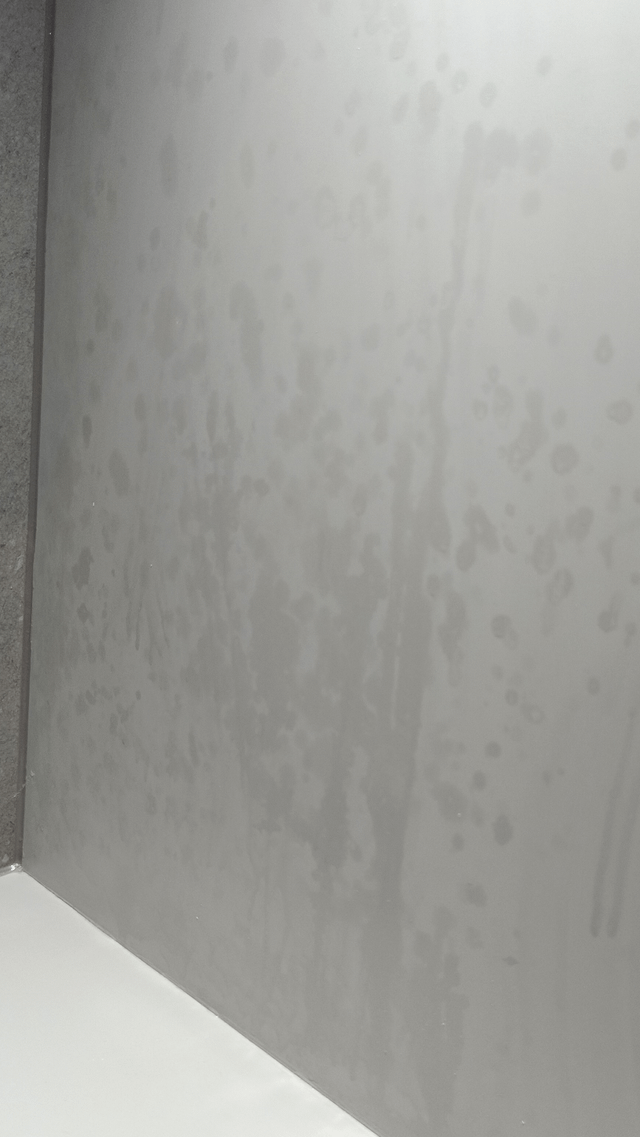
Grease splatters are a common issue in kitchens, especially if you love to cook. These unsightly marks can make your kitchen feel less inviting and more of a cleaning nightmare. But don’t worry, there’s good news! You can restore your kitchen walls to their former glory with some simple tips and tricks.
Imagine walking into a kitchen that feels fresh, clean, and welcoming every time. Intrigued? Keep reading, and discover how you can effortlessly remove grease from your kitchen walls and enjoy a spotless cooking space once again.
Causes Of Grease Buildup
Grease buildup on kitchen walls happens over time and can be hard to notice at first. Cooking releases oil and fat particles that float in the air. These tiny droplets stick to nearby surfaces, especially walls close to the stove.
Different factors affect how much grease collects on your walls. Understanding these causes helps keep your kitchen cleaner and easier to maintain.
Cooking Oil And Food Splatter
Frying, sautéing, and grilling create oil splashes. Hot oil can spray and land on walls. This splatter leaves sticky grease marks that attract dust and dirt.
Poor Ventilation
Kitchens without good airflow trap smoke and grease. Without a fan or open window, oil particles stay in the air longer. They settle on walls and build up fast.
Frequent Use Of High Heat
Cooking at high temperatures releases more grease. Hot oil vapor rises and sticks on surfaces. Continuous high heat makes grease layers thicker and tougher to clean.
Close Proximity Of Walls To Cooking Area
Walls near the stove get the most grease. The closer the wall, the more grease it collects. Walls farther away have less buildup.
Lack Of Regular Cleaning
Not cleaning walls often lets grease harden. Over time, this makes stains darker and harder to remove. Routine wiping stops grease from settling deeply.

Credit: www.youtube.com
Essential Cleaning Supplies
Cleaning grease off kitchen walls can feel like a tough chore, but having the right supplies makes a huge difference. The right tools and products not only save time but also protect your walls from damage. Before you start scrubbing, gather these essential cleaning supplies to make the process smoother and more effective.
Cleaning Solutions
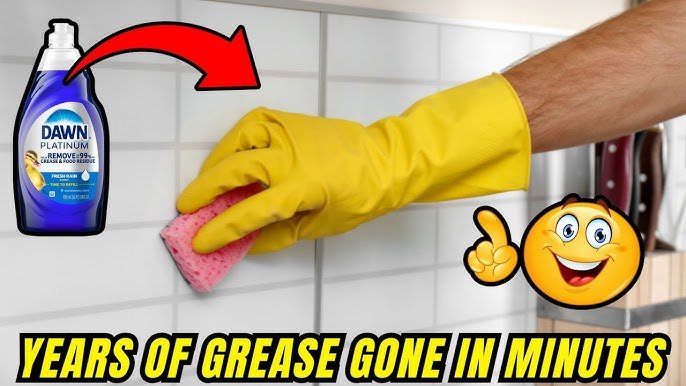
Your choice of cleaning solution matters a lot. Simple mixtures like warm water and dish soap work well for light grease. For tougher spots, you might need vinegar, baking soda, or a commercial degreaser designed specifically for kitchen use.
Think about what’s safest for your wall paint or wallpaper. Testing a small hidden area first can prevent unwanted damage.
Scrubbing Tools
Not all scrubbing tools are created equal. Soft sponges or microfiber cloths help lift grease without scratching your walls. For stubborn grease, a non-abrasive scrub brush can provide extra power without harming surfaces.
Have you noticed how using the wrong sponge can just smear grease around? Choosing the right tool can make your cleaning much easier and more satisfying.
Protective Gear
Don’t overlook your own protection. Gloves keep harsh chemicals off your skin, and goggles protect your eyes from splashes. If you’re sensitive to strong smells, consider working in a well-ventilated area or using a mask.
Comfort while cleaning often means better results. When you feel protected, you’re less likely to rush and miss spots.
Additional Supplies
- Spray Bottles:Great for applying cleaning solutions evenly.
- Old Towels or Rags:Useful for wiping down walls after scrubbing.
- Step Stool:Helps you reach higher areas without strain.
Having these extras at hand keeps your workflow steady and efficient. You won’t waste time hunting for tools mid-clean.
Preparing The Wall Surface
Before you tackle the grease itself, your kitchen wall needs the right preparation. Cleaning grease off is easier when the surface is ready to absorb cleaning solutions effectively. Skipping this step often means stubborn stains linger longer than they should.
Gathering Your Cleaning Supplies
Start by assembling everything you need: microfiber cloths, a bucket, mild dish soap, warm water, and a sponge. Having these items ready prevents interruptions and keeps you focused on the task.
Don’t forget gloves to protect your hands from harsh cleaners. A spray bottle can also be handy for evenly distributing cleaning solutions.
Removing Loose Dirt And Dust
Before applying any cleaner, wipe down the wall with a dry cloth or duster. Dust and dirt on the wall can mix with grease and make stains harder to remove.
Pay attention to corners and edges where grime tends to accumulate unnoticed. This step ensures your cleaning efforts target the grease, not just surface debris.
Testing A Small Area
Try your cleaning solution on a hidden patch of the wall first. This simple test helps you avoid damage or discoloration on your visible kitchen walls.
Observe the spot for a few minutes after cleaning. If the paint or wallpaper reacts poorly, adjust your cleaning formula accordingly.
Protecting Surrounding Areas
Cover countertops, cabinets, and floors near the wall with old towels or plastic sheets. Grease removal can get messy, and you want to avoid creating extra work.
This step keeps your kitchen tidy and prevents accidental damage to surfaces not meant for heavy cleaning.
Natural Grease Removal Methods
Natural grease removal methods use simple ingredients found at home. These solutions are gentle on walls and safe for family use. They cut through grease without harsh chemicals. The best part: they are easy to prepare and apply.
Using natural products keeps your kitchen fresh and clean. These methods work well on painted or tiled kitchen walls. Regular use helps prevent grease build-up over time. Let’s explore some effective natural ways to remove kitchen wall grease.
Using Vinegar And Water
Mix equal parts of white vinegar and water in a spray bottle. Spray the solution on greasy spots and let it sit for five minutes. Wipe the area with a clean cloth or sponge. Vinegar’s acidity breaks down grease and leaves no residue. It also deodorizes the kitchen walls naturally.
Baking Soda Paste
Combine baking soda with a small amount of water to form a thick paste. Apply the paste directly on tough grease stains using a soft cloth. Let it sit for ten minutes before scrubbing gently. Baking soda acts as a mild abrasive and lifts grease easily. Rinse with warm water and dry the wall.
Lemon Juice Application
Squeeze fresh lemon juice onto a cloth or sponge. Rub the greasy areas on your kitchen wall gently. Lemon’s natural acidity dissolves grease and brightens surfaces. For stubborn spots, leave lemon juice on for a few minutes before wiping. It also adds a fresh, clean scent to your kitchen.
Commercial Cleaning Products
Commercial cleaning products can save you time and effort when tackling tough grease on kitchen walls. These products are specially formulated to break down oily residues without damaging your paint or wallpaper. Choosing the right one depends on the level of grease and the surface you’re cleaning.
Degreasers
Degreasers are powerful cleaners designed to cut through heavy, baked-on grease quickly. They often contain solvents that dissolve oil, making scrubbing easier and faster. If your kitchen walls look dull or sticky from cooking fumes, a degreaser can restore their original shine.
When using degreasers, test a small area first to avoid discoloration. Wear gloves to protect your skin, as these products can be strong. Have you ever noticed how a single wipe with a degreaser can reveal the real color of your wall beneath layers of grime?
All-purpose Cleaners
All-purpose cleaners offer a gentler option for light to moderate grease buildup. They work well on painted walls and surfaces that need regular cleaning without harsh chemicals. Many brands combine cleaning agents and mild degreasers in one formula.
These cleaners often come in concentrated forms, so you can dilute them to suit the job. This flexibility makes them a budget-friendly choice. Think about how much easier your weekly cleaning routine becomes with a single product that handles grease and dirt alike.
Spray Solutions
Spray solutions provide convenience and control when removing grease from kitchen walls. Their fine mist allows you to target greasy spots without soaking the entire surface. This helps avoid water damage and reduces drying time.
Look for sprays labeled “kitchen” or “degreaser” to ensure they are safe for walls. Many come with added antibacterial properties, giving your kitchen an extra layer of hygiene. Could using a spray cleaner turn your dreaded grease cleanup into a quick, manageable task?
Credit: www.realhomes.com
Step-by-step Cleaning Process
Removing grease from kitchen walls requires a clear and careful cleaning process. Following a simple step-by-step guide helps restore the walls to their clean state. The process involves wiping, applying cleaner, scrubbing, and rinsing. Each step targets grease effectively without damaging the paint or wallpaper.
Initial Wipe Down
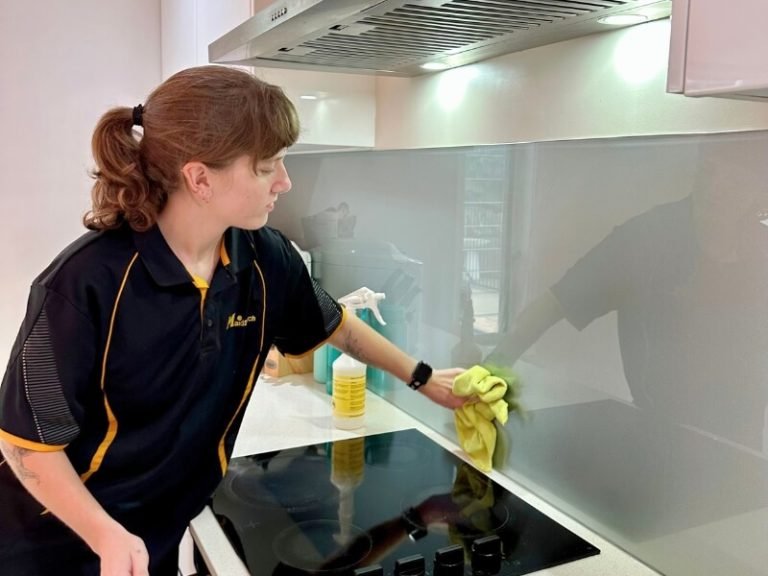
Start by wiping the walls with a dry microfiber cloth. This removes loose dust and dirt. Use gentle strokes to avoid spreading grease. Focus on the areas with visible grease spots. This step prepares the surface for deeper cleaning.
Applying Cleaner
Choose a mild kitchen cleaner or a vinegar-water solution. Mix one part vinegar with two parts water in a spray bottle. Spray the cleaner evenly on the greasy areas. Let it sit for five minutes to break down the grease. Avoid soaking the wall to prevent damage.
Scrubbing Techniques
Use a soft sponge or cloth for scrubbing. Move in small circular motions to lift the grease. Apply light pressure to avoid scratching the surface. For stubborn spots, repeat spraying and scrubbing gently. Avoid harsh brushes that can harm the paint.
Rinsing And Drying
Wipe the wall with a clean cloth dampened with plain water. This removes any cleaner residue left behind. Use a dry towel to pat the wall dry. Ensure no moisture remains to prevent mold or stains. Let the wall air dry completely before touching or decorating.
Tips To Prevent Future Grease Buildup
Stopping grease buildup on your kitchen walls starts with smart habits and simple changes. Preventing grease means less scrubbing and a fresher kitchen overall. Here are practical tips you can use to keep your walls clean longer and avoid the frustration of stubborn stains.
Regular Cleaning Schedule
Cleaning your kitchen walls regularly is a game-changer. Set a weekly or bi-weekly reminder to wipe down surfaces with a mild detergent or vinegar solution. This habit stops grease from settling and turning into tough grime.
Don’t wait until you see stains. Even a quick wipe after cooking can make a big difference. Think of it as a small effort that saves you from heavy-duty cleaning later.
Ventilation Improvements
Good airflow reduces grease buildup by keeping steam and cooking fumes moving away from walls. Check if your kitchen fan or range hood is strong enough and clean the filters often.
If your kitchen lacks ventilation, consider adding an exhaust fan or opening windows during cooking. Proper ventilation cuts down on moisture and airborne grease particles, making your walls less likely to attract dirt.
Protective Wall Coverings
Using washable or grease-resistant wall coverings can save you a lot of trouble. Materials like tile, stainless steel panels, or special paint finishes make cleaning easier and prevent grease from soaking in.
Have you thought about adding a backsplash behind your stove? It’s a small upgrade that protects your walls and gives your kitchen a fresh look. Choose surfaces that wipe clean without much effort to keep your space shiny and grease-free.
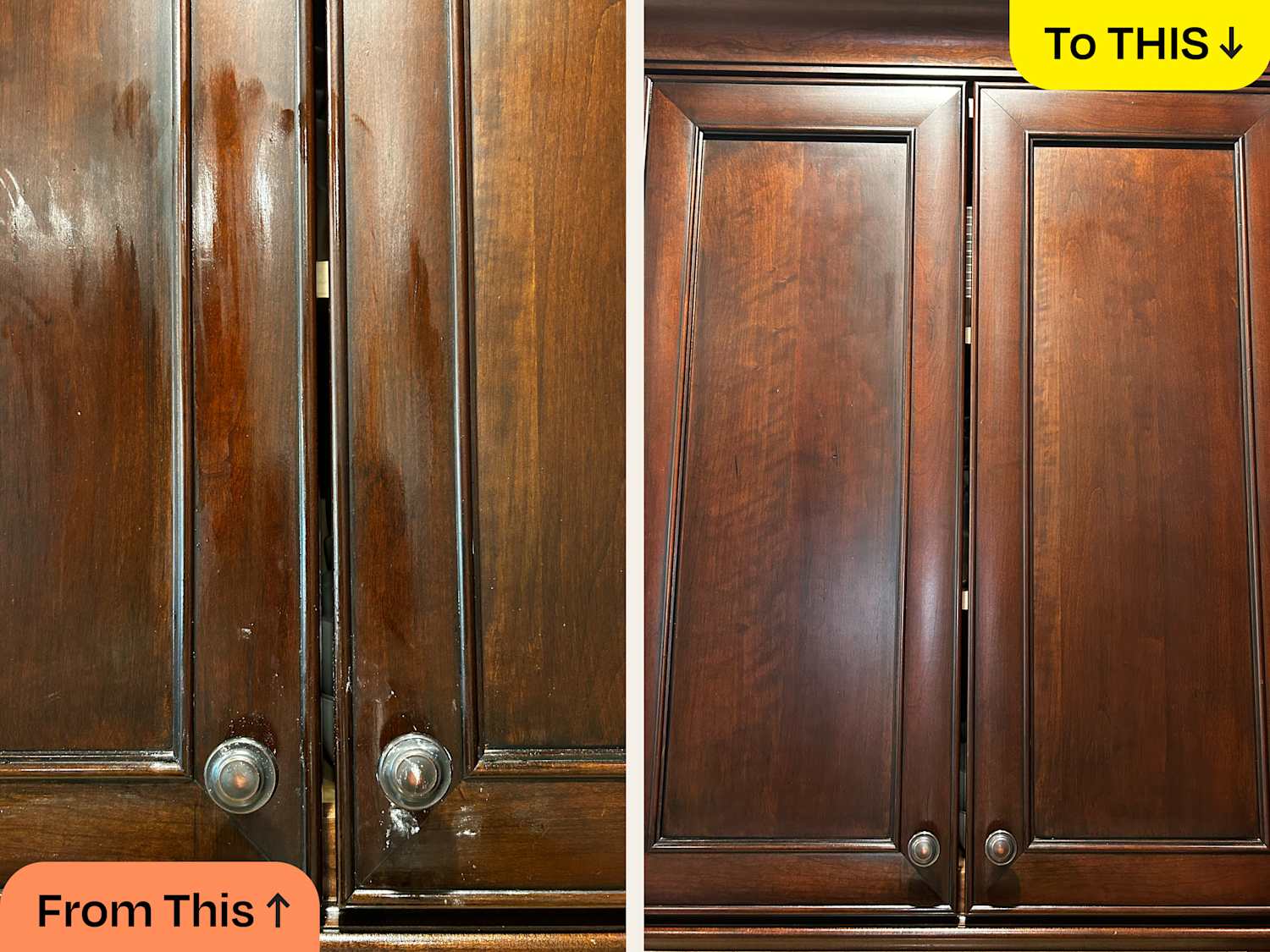
Credit: www.thekitchn.com
Frequently Asked Questions
How Do I Remove Grease From Kitchen Walls Easily?
Use warm water mixed with dish soap to scrub grease gently. For tough stains, add vinegar or baking soda. Rinse with clean water and dry with a cloth. Repeat if necessary for a spotless finish.
What Household Items Effectively Clean Greasy Kitchen Walls?
Common items like dish soap, white vinegar, baking soda, and lemon juice work well. These natural cleaners break down grease without harsh chemicals. They are safe, affordable, and eco-friendly for regular kitchen wall cleaning.
Can Vinegar Remove Tough Grease From Kitchen Walls?
Yes, vinegar is acidic and cuts through grease effectively. Mix equal parts vinegar and water in a spray bottle. Spray the solution on the wall, let it sit for minutes, then wipe clean with a cloth.
How Often Should I Clean Greasy Kitchen Walls?
Clean kitchen walls every 1 to 2 weeks to prevent grease buildup. Regular cleaning keeps walls fresh and reduces tough stain formation. Increase frequency if you cook frequently with oil or frying.
Conclusion
Cleaning grease from kitchen walls is simple with the right steps. Use gentle cleaners and soft cloths to protect paint. Regular wiping stops grease from building up over time. Small efforts keep your kitchen fresh and bright. Try these tips soon and enjoy cleaner walls every day.
A little care goes a long way in your home.