How to Tile a Wall Kitchen: Easy Steps for a Stunning Upgrade
Tiling your kitchen wall can transform the entire look and feel of your space, turning it from ordinary to extraordinary. Imagine walking into your kitchen and being greeted by a stunning backsplash that not only adds character but also protects your walls from spills and splatters.
You might think that tiling is a job best left to the professionals, but what if you could achieve professional results yourself? By learning how to tile a wall in your kitchen, you have the power to customize your space exactly the way you want it.
The best part? It’s easier than you think. Follow along to discover simple, step-by-step instructions that will guide you through the process with confidence. Don’t miss out on the opportunity to enhance your home with this rewarding DIY project—your dream kitchen is just a tile away.

Credit: www.tilemountain.co.uk
Preparing The Wall
Preparing the wall is a crucial step before tiling your kitchen. It ensures the tiles stick well and last long. Taking time to prepare the surface properly will save you from future problems like tiles falling off or uneven surfaces.
Clearing And Cleaning The Surface
Remove anything hanging on the wall. Clear cabinets, hooks, or decorations. Clean the wall thoroughly to remove grease, dust, and dirt. Use a mild detergent and warm water. Rinse and let the wall dry completely before moving on.
Repairing Imperfections
Check the wall for holes, cracks, or bumps. Use spackle or filler to fix small holes and cracks. For larger damage, use a patch or replace the drywall section. Sand the repaired areas smooth to create an even surface. Dust off sanding residue to keep the wall clean.
Measuring And Marking
Measure the wall to know how many tiles you need. Mark a level line to guide the first row of tiles. Use a pencil and a spirit level for accuracy. Mark where outlets or switches are to cut tiles later. This step helps keep the tiles straight and even.

Credit: www.create-enjoy.com
Choosing The Right Tiles
Choosing the right tiles for your kitchen wall can make a huge difference in both the look and durability of your space. The options out there can feel overwhelming, but focusing on the tile type, color, pattern, size, and layout will help you narrow down what fits your style and needs. Think about how the tiles will work with your kitchen’s lighting, cabinets, and daily use.
Tile Types And Materials
There are several tile materials to consider, each with its own benefits. Ceramic tiles are affordable and easy to clean, making them a popular choice for kitchen walls. Porcelain is denser and more water-resistant, which is great if your kitchen gets a lot of steam or splashes.
Glass tiles add a modern, sleek look and reflect light beautifully but require careful installation. Natural stone like marble or slate offers unique textures but needs sealing to prevent stains. Which material feels right for your kitchen’s atmosphere and your maintenance willingness?
Color And Pattern Selection
Colors affect the mood and perceived size of your kitchen. Lighter tiles can make a small kitchen feel open and airy, while darker tones bring warmth and sophistication. Don’t shy away from bold colors if you want a statement wall that energizes the space.
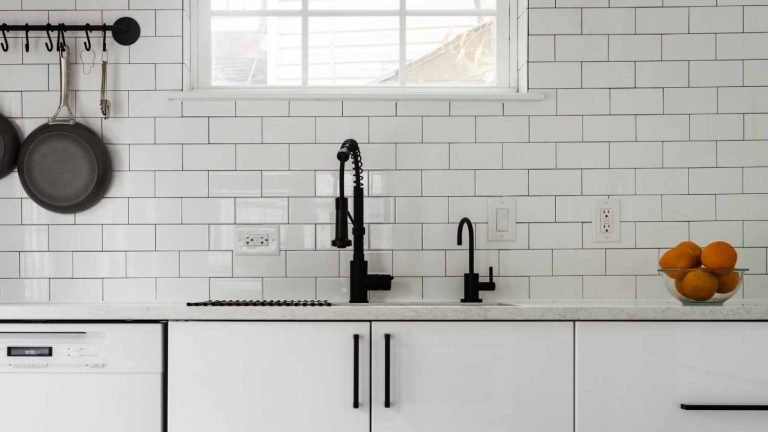
Patterns can add personality—think subway tiles for a classic look or herringbone for a trendy twist. Mixing different tile shapes or colors in a subtle way can create depth without overwhelming the space. What kind of vibe do you want your kitchen to express?
Tile Size And Layout
Tile size influences how busy or calm your wall looks. Large tiles create a clean, modern feel and require less grout, which means easier cleaning. Smaller tiles offer more texture and detail but can make a small kitchen feel cluttered if overused.
Layout also plays a big role—straight rows are classic and simple, while diagonal or staggered layouts add visual interest. Sometimes, a combination of sizes and layouts can balance style and practicality perfectly. How much attention do you want your backsplash to draw?
Gathering Tools And Materials
Before you start tiling your kitchen wall, gathering the right tools and materials is crucial. Having everything ready saves time and prevents frustration during the project. It also ensures your tile job will look professional and last long.
Essential Tools Checklist
Make sure you have these tools on hand before you begin:
- Tile cutter or wet saw:Clean, straight cuts are easier with the right cutter.
- Notched trowel:This helps spread adhesive evenly on the wall.
- Tile spacers:They keep your tiles aligned and gaps consistent.
- Spirit level:A level surface is key to avoid crooked tiles.
- Measuring tape and pencil:Accurate measurements and markings prevent costly mistakes.
- Rubber grout float:It helps you apply grout smoothly between tiles.
- Sponge and bucket:For cleaning off excess grout and adhesive.
Having these tools ready will keep your workflow smooth and efficient. Missing one can slow you down or ruin your tile layout.
Adhesives And Grouts
Choosing the right adhesive and grout is just as important as the tiles themselves. For kitchen walls, a high-quality, water-resistant adhesive is essential to keep tiles firmly in place.
Grout fills the gaps and prevents moisture from seeping behind tiles. Look for grout that matches your tile color and is designed for kitchen use. Epoxy grout is durable and stain-resistant, but cement-based grout is easier for beginners to work with.
Ask yourself: Will you need flexible grout for areas with slight movement? Selecting the right products upfront avoids redoing your work later.
Safety Equipment
Protect yourself while working with tiles and adhesives. Safety goggles shield your eyes from flying tile shards and dust.
Gloves protect your hands from sharp edges and harsh chemicals found in adhesives and grout. Consider wearing a dust mask if you’re cutting tiles indoors to avoid inhaling dust particles.
Don’t skip safety gear just to save a few minutes. Your well-being matters and keeps your project on track without injuries.
Installing The Tiles
Installing tiles on a kitchen wall requires care and precision. Proper installation ensures tiles stay secure and look great for years. Follow each step closely for a smooth tiling process.
Applying Adhesive
Start with a clean, dry wall surface. Use a notched trowel to spread tile adhesive evenly. Hold the trowel at a 45-degree angle to create ridges. These ridges help the tiles stick better. Work in small sections to prevent the adhesive from drying out.
Setting The Tiles
Press each tile firmly into the adhesive. Move the tile slightly side to side for a good bond. Use tile spacers to keep even gaps between tiles. Check alignment often with a level. Clean off any excess adhesive immediately before it hardens.
Cutting Tiles To Fit
Measure spaces carefully where tiles must fit around edges or outlets. Mark the tile with a pencil for cutting. Use a tile cutter or wet saw for straight cuts. For curves or small cuts, use tile nippers. Wear safety glasses and gloves for protection. Smooth rough edges with a rubbing stone.
Grouting And Finishing
Grouting and finishing are crucial steps that bring your tiled kitchen wall to life. This process not only fills gaps but also seals the tiles, preventing water damage and giving your wall a polished look. Getting these details right ensures your hard work lasts for years and keeps your kitchen looking fresh.
Mixing And Applying Grout
Start by mixing the grout according to the package instructions. You want a smooth, peanut butter-like consistency—not too runny or too thick.
Use a rubber float to apply the grout diagonally across the tiles. This helps push grout deep into the gaps and avoids air pockets.
Don’t rush. Applying grout in small sections helps you manage the process and keeps it neat.
Cleaning Excess Grout
After applying grout, wait about 10-15 minutes for it to set slightly but not harden completely.
Use a damp sponge to gently wipe off excess grout from the tile surfaces. Rinse your sponge frequently to avoid spreading grout residue.
Be careful not to remove grout from the joints. It’s a delicate balance that takes a bit of practice but makes a huge difference in the finish.
Sealing And Protecting
Once the grout has fully dried—usually 48 to 72 hours—apply a grout sealer to protect against stains and moisture.
Choose a sealer suitable for kitchen environments, as some offer extra resistance to mold and mildew.
Apply the sealer with a small brush or applicator bottle, making sure to cover all grout lines evenly. This step will keep your tiled wall looking clean and fresh for longer.
Tips For A Professional Look
Achieving a professional look when tiling your kitchen wall is about more than just placing tiles. It requires attention to detail and patience throughout the process. These tips will help you avoid common pitfalls and deliver a polished finish that you’ll be proud of.
Maintaining Straight Lines
Keeping your tile lines straight is crucial for a neat appearance. Use a level and chalk line to mark your starting points clearly before you begin. This guide will help you stay aligned and avoid a crooked tile layout that’s hard to fix later.
Check your work frequently as you go. Even a small shift can throw off the pattern and become obvious once the grout is applied. If you notice a tile slipping out of place, stop and adjust immediately.
Allowing Proper Drying Time
Rushing the drying process can ruin the entire project. After setting your tiles, allow the adhesive to dry completely before grouting. This can take anywhere from 24 to 48 hours depending on the product and room conditions.
Don’t be tempted to speed things up. Touching or moving tiles too soon can cause them to shift or loosen. Patience here ensures your tiles stay securely in place for years to come.
Common Mistakes To Avoid
- Skipping surface preparation:Make sure your wall is clean, dry, and smooth before tiling. Uneven surfaces cause tiles to lift or crack.
- Ignoring tile spacing:Use spacers to keep gaps consistent. Uneven spacing looks unprofessional and affects grout application.
- Using too much adhesive:Excess adhesive can ooze out between tiles and create a mess. Apply just enough to hold tiles firmly.
- Neglecting to seal grout:Sealing grout protects against stains and moisture. Skipping this step shortens your tile’s lifespan.
Have you ever started a tiling job only to realize midway that your lines are off or your tiles don’t stick well? These mistakes are common but easily preventable. Paying attention to these details will save you time and frustration.
Maintaining Your Tiled Kitchen Wall
Maintaining your tiled kitchen wall keeps it looking fresh and clean for years. Regular care prevents damage and keeps grout bright. A well-maintained wall also protects your kitchen from moisture and stains.
Regular Cleaning Tips
Clean tiles with a soft cloth or sponge. Use warm water mixed with mild dish soap. Avoid harsh cleaners that can damage the tile surface.
- Wipe spills immediately to prevent stains.
- Dry tiles after cleaning to avoid water marks.
- Use a soft brush for grout cleaning.
Handling Repairs
Check tiles regularly for cracks or loose pieces. Replace broken tiles quickly to avoid bigger issues. Use tile adhesive to fix loose tiles carefully.
- Remove damaged grout with a grout saw.
- Apply new grout and smooth it with a grout float.
- Seal grout after repairs to keep moisture out.
Long-term Care
Seal grout once or twice a year to protect it. Avoid using abrasive tools on the tiles. Keep kitchen walls dry by ventilating the room well.
- Inspect grout lines for wear or discoloration.
- Reapply sealant as needed to maintain protection.
- Consider professional cleaning for deep stains.

Credit: www.tilemountain.co.uk
Frequently Asked Questions
What Tools Are Needed To Tile A Kitchen Wall?
You need a tile cutter, notched trowel, tile spacers, level, grout float, sponge, and adhesive for tiling a kitchen wall.
How Do I Prepare The Wall Before Tiling?
Clean the wall, remove grease, repair holes, and apply a primer for better tile adhesion.
What Type Of Tile Is Best For Kitchen Walls?
Ceramic and porcelain tiles are best due to durability, water resistance, and ease of cleaning.
How Long Does It Take To Tile A Kitchen Wall?
It usually takes 1 to 3 days depending on wall size, tile type, and drying time.
Conclusion
Tiling a kitchen wall brings style and function together. It protects your walls from spills and stains. Choosing the right tiles and tools makes the job easier. Take your time to measure and cut carefully. Applying adhesive and grout correctly ensures long-lasting results.
Clean your tiles well after finishing for a fresh look. Small steps lead to a great kitchen upgrade. You can enjoy your new wall for years to come. Simple work, big impact. Ready to start your tiling project?