What is a Good Color for Kitchen Walls: Stunning Ideas to Transform Your Space
Choosing the right color for your kitchen walls can feel like a daunting task. After all, the kitchen is often the heart of your home, where you gather with loved ones, cook meals, and create memories.
The color you choose can influence not only the aesthetic appeal but also the mood and functionality of the space. You want a color that energizes you in the morning and comforts you in the evening. So, what is a good color for kitchen walls?
By understanding the psychology of color, you can make a choice that not only looks great but also feels just right for you and your family. Stick around as we explore the hues that could transform your kitchen into the perfect space for cooking, dining, and living.

Credit: www.goodhousekeeping.com
Choosing The Right Color Tone
Choosing the right color tone for your kitchen walls can transform the entire space. The color you pick affects not only the look but also the mood and perceived size of your kitchen. Think about how you want to feel in your kitchen—energized, calm, or inspired—and let that guide your choice.
Warm Vs Cool Colors
Warm colors like reds, oranges, and yellows create an inviting and cozy atmosphere. They can make a large kitchen feel more intimate and lively. If you enjoy cooking and socializing, warm tones might boost your energy and appetite.
Cool colors such as blues, greens, and purples bring a calming and refreshing vibe. These shades often make smaller kitchens appear more spacious and airy. Do you want your kitchen to feel like a peaceful retreat? Cool tones could be the answer.
Neutral Shades
Neutral colors like beige, gray, and soft white offer versatility and timelessness. They create a clean backdrop that pairs well with almost any décor and appliance style. If you prefer flexibility and want your kitchen to adapt to changing trends, neutrals keep your options open.
Neutrals also balance well with both warm and cool accents, giving you freedom to add colorful accessories. Are you looking for a safe choice that still allows personality? Neutral walls could be your perfect canvas.
Bold Color Choices
Bold colors such as deep navy, forest green, or even black can make a striking statement. They add depth and drama, especially when paired with lighter cabinetry or metallic hardware. If you want your kitchen to reflect a strong personality, bold tones are worth considering.
However, bold colors can feel overwhelming if overused. Try painting one accent wall or using bold colors in combination with neutrals to keep balance. How much color intensity feels right for your kitchen space?
Popular Kitchen Wall Colors
Choosing the right color for your kitchen walls can transform the entire space. Popular kitchen wall colors often balance style with functionality, creating an inviting atmosphere. Whether you want a timeless look or a bold statement, there’s a color that fits your kitchen’s personality.
Classic White And Off-white
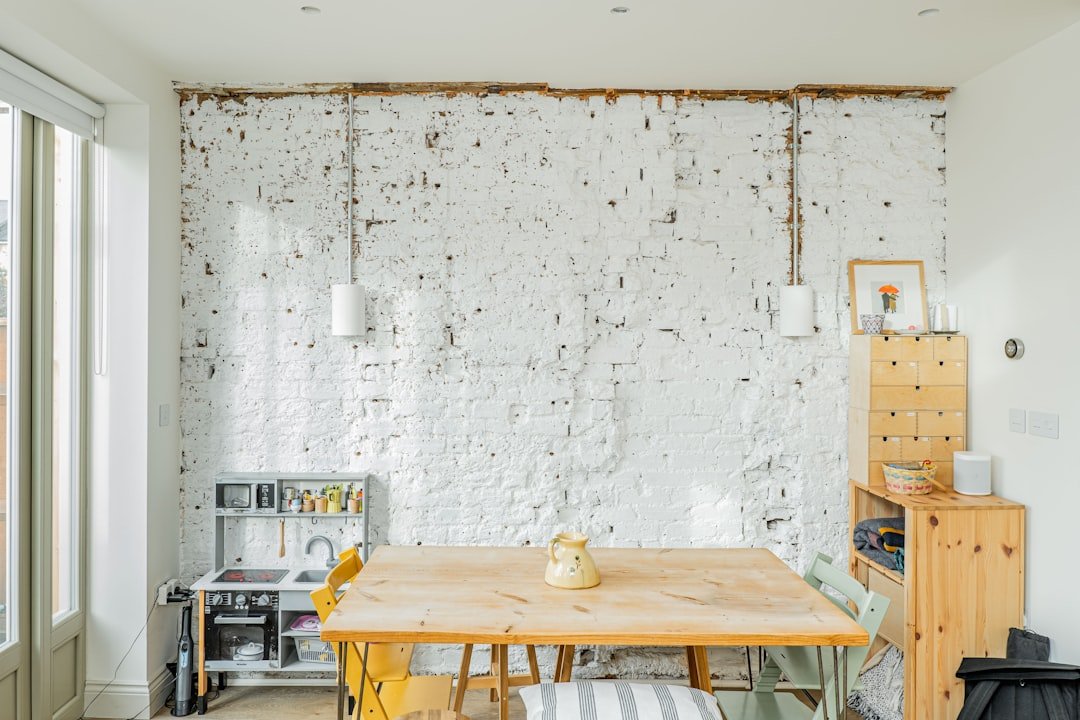
White and off-white remain the top choices for kitchen walls because they make the space feel clean and bright. These colors work well in small kitchens, making them appear larger and more open. They also provide a neutral backdrop that lets your cabinets, countertops, and decor stand out.
Soft Pastels
Soft pastels like pale pink, mint green, or light lavender add a gentle touch of color without overwhelming the room. These shades create a calm, welcoming vibe that encourages relaxation and conversation. Pastels pair nicely with white or wood finishes, giving your kitchen a fresh, airy feel.
Earthy Greens And Browns
Earth tones bring warmth and a natural element to your kitchen walls. Shades like olive green, sage, or warm taupe can make your kitchen feel cozy and grounded. These colors also hide dirt and smudges well, which is practical for busy cooking spaces.
Vibrant Blues And Teals
Blue and teal walls add energy and personality to your kitchen. These hues can evoke a sense of calm or invigorate your mornings, depending on the shade. Pair vibrant blues with white accents for a crisp look, or mix with rustic elements for a balanced style.
Sunny Yellows And Oranges
Yellow and orange bring sunshine into your kitchen every day. These warm colors stimulate appetite and create a cheerful atmosphere. Use softer shades for a subtle glow or bright tones if you want to energize your space instantly.
Matching Colors With Kitchen Styles
Choosing the right color for kitchen walls depends on the kitchen style. Colors should match the design and mood of the space. Each style has colors that highlight its best features. This helps create a balanced and inviting kitchen.
Modern And Minimalist
Modern kitchens favor clean and simple colors. White, light gray, and soft beige work well. These shades make the space look open and bright. Darker tones like charcoal or navy add a sleek edge. Use colors that keep the look uncluttered and fresh.
Rustic And Farmhouse
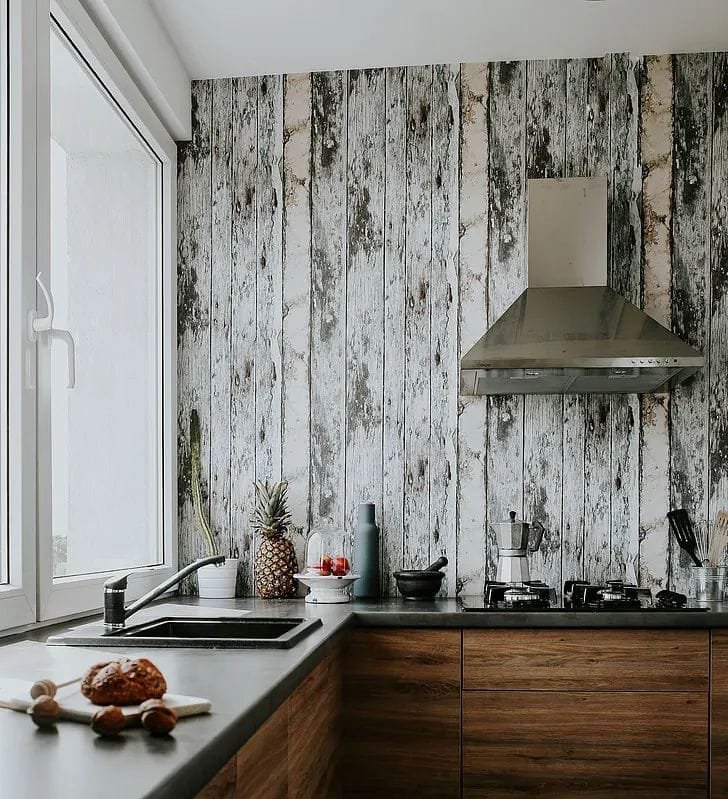
Warm and earthy colors fit rustic kitchens. Soft greens, warm browns, and creamy whites feel natural. These colors bring out wood and stone textures. They create a cozy and welcoming atmosphere. Muted tones work best for a relaxed farmhouse vibe.
Industrial Looks
Industrial kitchens call for strong, bold colors. Dark grays, blacks, and deep blues match metal and brick elements. Rust tones and deep reds add warmth. Use colors that highlight raw materials. This style thrives on contrast and rugged charm.
Traditional And Vintage
Classic kitchens suit timeless colors. Soft pastels, warm yellows, and muted blues shine here. These colors evoke nostalgia and comfort. Creamy whites and light taupes also work well. The goal is a gentle, inviting space with charm.
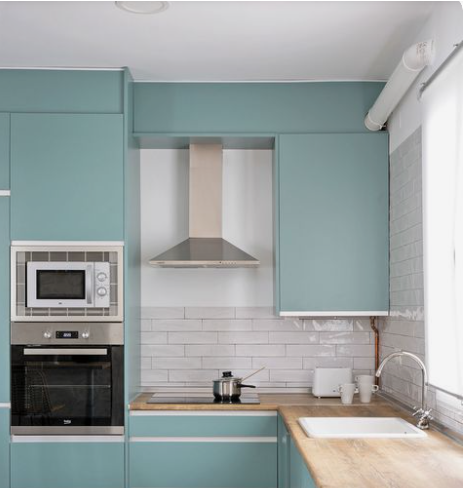
Credit: www.jswpaints.in
Color Combinations And Accents
Choosing the right color combinations and accents for your kitchen walls can transform the entire space. It’s not just about picking a single shade but how different colors interact to create an inviting and balanced atmosphere. Your kitchen should feel lively yet comfortable, and the right accents can highlight your style without overwhelming the room.
Two-tone Walls
Two-tone walls offer a dynamic look by pairing two complementary or contrasting colors. You might paint the lower half a deep navy and the upper half a soft white to add depth and interest. This approach breaks monotony and allows you to balance bold colors with neutrals effortlessly.
Think about your kitchen’s natural light before choosing colors. Darker shades work well on lower walls because they ground the space, while lighter tones on top keep it feeling open and airy.
Accent Walls
An accent wall is a simple way to introduce a splash of personality without overwhelming your kitchen. Pick one wall—maybe behind the stove or dining area—and paint it a vibrant color like mustard yellow or forest green. This creates a focal point and can energize your cooking and dining experience.
Ask yourself which area of your kitchen you want to draw attention to. Accent walls work best when they highlight architectural features or add warmth to an otherwise plain space.
Colorful Backsplashes
Backsplashes provide a perfect spot for colorful accents that are both practical and stylish. You can choose tiles in bright blues, fiery reds, or soft pastels to contrast or complement your wall color. This small area can carry a bold pattern or unexpected hues, making your kitchen unique.
Consider materials like glass or ceramic tiles that reflect light and add texture. A colorful backsplash can be a low-commitment way to experiment with color before painting your walls.
Complementary Trim Colors
Don’t overlook your trim when planning kitchen colors. Using a complementary color on window frames, door trims, or crown molding can tie the whole look together. For example, soft gray walls with crisp white trim create a clean, timeless look, while cream walls paired with a bold charcoal trim add modern contrast.
Choosing the right trim color can also help define the space and enhance architectural details. What small changes could make your kitchen’s features pop?
Lighting And Color Impact
Lighting plays a huge role in how your kitchen wall colors look and feel. The same paint can appear warm and inviting in daylight but cold and dull under artificial lights. Understanding how different light sources interact with color helps you pick a shade that works all day long.
Natural Light Effects
Natural light changes throughout the day, impacting your kitchen walls differently in the morning, afternoon, and evening. South-facing kitchens get bright, warm sunlight that makes colors appear more vibrant and true to their tone.
North-facing kitchens receive cooler, softer light, which can mute warm shades and highlight cooler tones instead. Have you noticed how a creamy beige can look almost gray in northern light? Testing your paint samples at different times of day reveals how your chosen color will really perform.
Artificial Lighting Choices
The type of bulbs you use affects wall color perception more than you might expect. Warm white bulbs (2700K-3000K) enhance reds, yellows, and oranges, making your kitchen feel cozy and inviting.
Cool white or daylight bulbs (4000K-6500K) bring out blues and greens, creating a fresh, modern vibe. Mixing lighting types in one kitchen can confuse your eyes and dull your paint color, so choose your fixtures and bulbs carefully.
Color Reflection And Mood
Colors reflect light differently, influencing the overall mood of your kitchen. Light colors bounce light around, making the space feel larger and more open, perfect for smaller kitchens.
Darker colors absorb more light and create a cozy, intimate atmosphere but can make the room feel smaller. Think about how you want to feel in your kitchen every day—energized, calm, or cheerful—and select colors that reflect that mood under your specific lighting.
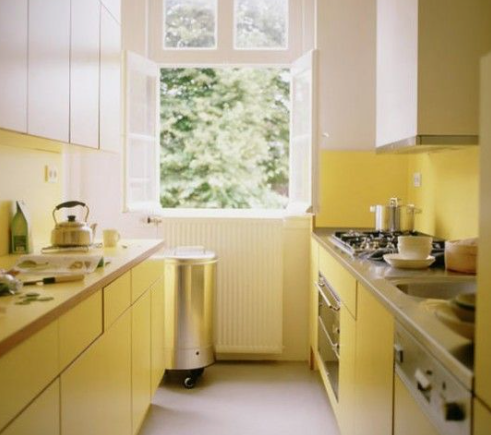
Credit: www.jswpaints.in
Practical Tips For Painting Kitchen Walls
Painting kitchen walls requires careful planning and the right materials. Practical tips help you get a smooth, lasting finish. Choosing the right paint, preparing surfaces well, and adding final touches make a big difference. These steps protect your walls and keep the kitchen looking fresh.
Choosing Durable Paint
Select paint designed for kitchens. It must resist stains, moisture, and heat. Look for paints labeled “washable” or “scrubbable.” Satin or semi-gloss finishes work well. They handle cleaning better than flat paint. Durable paint saves money on repairs later.
Preparation And Primer
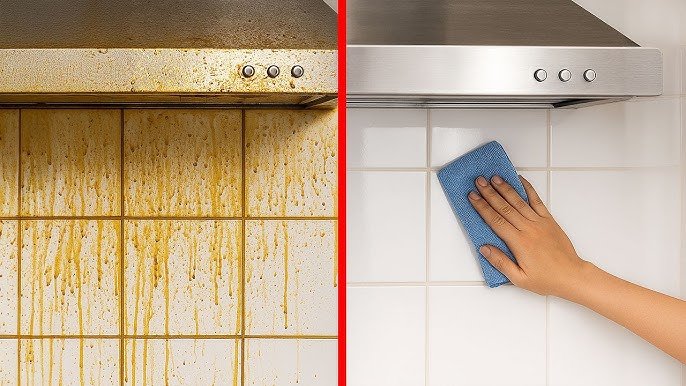
Clean walls thoroughly before painting. Remove grease, dust, and old paint flakes. Use a good primer to cover stains and seal the surface. Primer helps paint stick better and last longer. It also creates a smooth base for color.
Finishing Touches
Apply paint evenly with quality brushes or rollers. Use thin layers to avoid drips and uneven spots. Let each coat dry fully before adding the next. After painting, clean brushes quickly to keep them usable. Proper finishing keeps your kitchen walls beautiful for years.
Frequently Asked Questions
What Colors Make Kitchen Walls Look Bigger?
Light colors like white, cream, or soft pastels reflect light. This creates an illusion of more space, making kitchens feel larger and more open.
Which Color Suits Small Kitchen Walls Best?
Soft neutrals like light gray, beige, or pale blue work well. They brighten the area and prevent small kitchens from feeling cramped or dark.
How Do Warm Colors Affect Kitchen Wall Appearance?
Warm colors like yellow, orange, or red add energy and coziness. They stimulate appetite and create an inviting atmosphere in kitchen spaces.
Are Bold Colors Good For Kitchen Walls?
Yes, bold colors like navy or emerald green add personality. Use them as accent walls to avoid overwhelming the space.
Conclusion
Choosing the right kitchen wall color can change the room’s feel. Soft shades make the space calm and bright. Bold colors add energy and personality. Think about light, size, and style before picking. Your kitchen should feel warm and welcoming.
Simple colors often work best for many homes. Trust your taste and enjoy the process. A good color can make cooking and gathering more fun. Keep it easy, fresh, and true to you.