How Tall are Kitchen Wall Units: Ideal Heights for Perfect Storage
Are you planning to revamp your kitchen or just curious about the dimensions of kitchen wall units? Knowing the right height for these units can make all the difference in creating a functional and aesthetically pleasing space.
Imagine reaching for your favorite mug without stretching or struggling to store your cookware efficiently. The height of your kitchen wall units isn’t just a detail—it’s a crucial factor that can enhance your daily cooking experience and overall satisfaction with your kitchen layout.
We’ll explore the standard heights, the factors that influence them, and how to choose the perfect height to fit your needs. Stick with us to ensure your kitchen is designed to support your lifestyle seamlessly.

Credit: www.hth-kitchen.com
Standard Heights For Wall Units
Standard heights for kitchen wall units help create a balanced and functional space. These heights ensure easy reach and efficient use of storage. Knowing the typical measurements can guide your kitchen design or renovation. Proper height also improves comfort during cooking and cleaning tasks.
Common Measurements
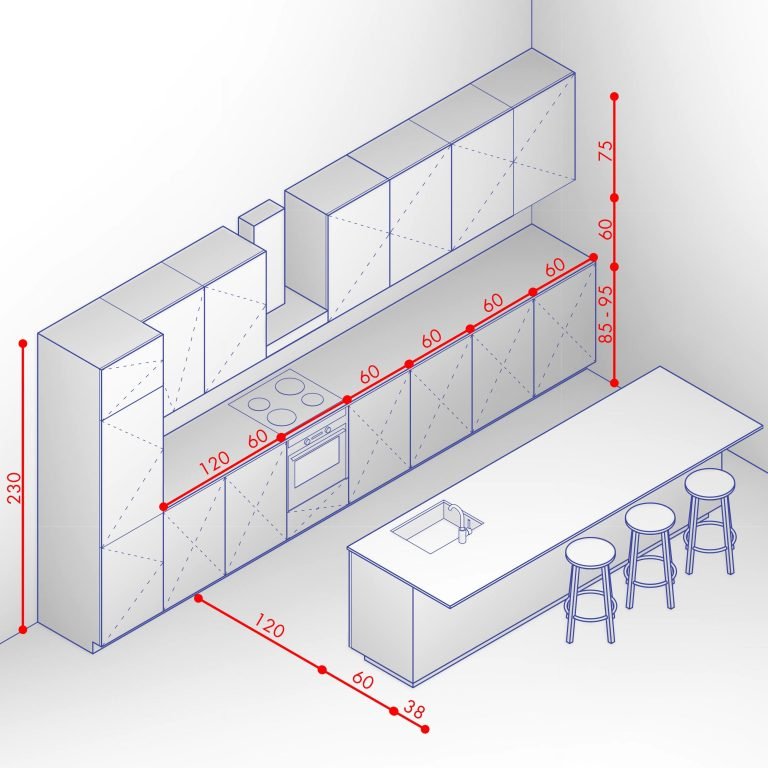
Most kitchen wall units have a height ranging from 30 to 42 inches. The typical installation height is about 54 inches from the floor to the bottom of the wall unit. This allows enough space between the countertop and the cabinet for appliances and work.
Standard depths for wall cabinets range from 12 to 15 inches. The width of wall units varies widely, usually in 12-inch increments from 12 to 36 inches. These sizes fit well with standard kitchen layouts and appliances.
Variations By Region
Different countries have varying standards for wall unit heights. In Europe, wall cabinets often sit slightly lower, around 50 inches above the floor. This suits smaller kitchen spaces and shorter users.
In the United States, wall units tend to be installed a bit higher to accommodate taller counters and appliances. Asian kitchens may use custom heights to fit compact, efficient designs.
Adapting wall unit heights to local preferences and body sizes improves kitchen comfort. Custom options are common for unique spaces or specific needs.

Credit: www.yahoo.com
Factors Affecting Wall Unit Height
Choosing the right height for kitchen wall units depends on several important factors. These factors ensure the units fit well and serve their purpose effectively. They influence comfort, style, and functionality in the kitchen space.
Ceiling Height
The height of your kitchen ceiling is a major factor in deciding wall unit height. Tall ceilings allow for higher units that maximize storage. Low ceilings require shorter units to keep the room open and airy. Standard kitchens usually have ceilings around 8 feet, so wall units often end near 7 feet. Adjusting unit height to ceiling size keeps the kitchen balanced.
User Height And Accessibility
The height of the people using the kitchen matters a lot. Wall units should be easy to reach without stretching or bending too much. For families with shorter members, lower units improve access. Taller users might prefer higher shelves for extra storage. Accessibility ensures safety and comfort during daily cooking tasks.
Appliance Integration
Many kitchens include built-in appliances like microwaves or ovens in wall units. These appliances need space and proper positioning. The height of the units must align with appliance sizes and controls. Planning around appliances helps create a smooth workflow. It also keeps the kitchen tidy and organized.
Customizing Wall Unit Heights
Customizing the height of kitchen wall units helps create a space that fits your needs perfectly. Different heights can improve comfort, style, and how you use your kitchen. Adjusting these units allows you to make the best use of your space and adds a personal touch to your kitchen design.
Ergonomic Considerations
Setting the right height makes kitchen tasks easier and safer. Wall units should be reachable without stretching or bending too much. This reduces strain on your back and shoulders. Ideal heights depend on the user’s height and kitchen layout. Keeping frequently used items at eye level saves time and effort.
Space Optimization
Custom heights help maximize storage in small or large kitchens. Taller units use vertical space, freeing up counters and floors. Shorter units create an open feel and allow for decorative backsplashes. Combining different heights can balance storage needs with open areas. This approach makes kitchens more functional and less cluttered.
Style And Design Preferences
Wall unit heights affect the kitchen’s overall look. Uniform heights create a clean, modern appearance. Varied heights add visual interest and character. Consider the ceiling height and kitchen style when choosing heights. Matching unit heights with appliances keeps the design cohesive and polished.
Combining Wall Units With Base Cabinets
Combining kitchen wall units with base cabinets creates a balanced and functional space. Proper alignment and spacing improve both look and usability. Careful planning helps avoid awkward gaps or mismatched heights. The connection between these units impacts the overall kitchen flow.
Distance Between Units
The space between wall units and base cabinets is important. Standard distance is usually around 18 inches. This gap allows enough room for working and placing appliances. Too little space feels cramped. Too much space breaks the kitchen’s design harmony.
Backsplash Height
The backsplash fits between wall units and base cabinets. It protects the wall from spills and splashes. Typical backsplash height ranges from 15 to 18 inches. This height matches the distance between the two units. Choose materials that are easy to clean and durable.
Countertop Compatibility
Countertops must fit well with base cabinets and wall units. Standard base cabinet height is 36 inches including countertop. This height supports comfortable cooking and working. Check countertop thickness to avoid clashing with wall unit doors. Proper alignment ensures smooth cabinet doors operation.
Installation Tips For Perfect Height
Installing kitchen wall units at the right height improves both style and function. Proper placement makes your kitchen safe and easy to use. Follow these tips to ensure perfect height installation.
Measuring Accurately
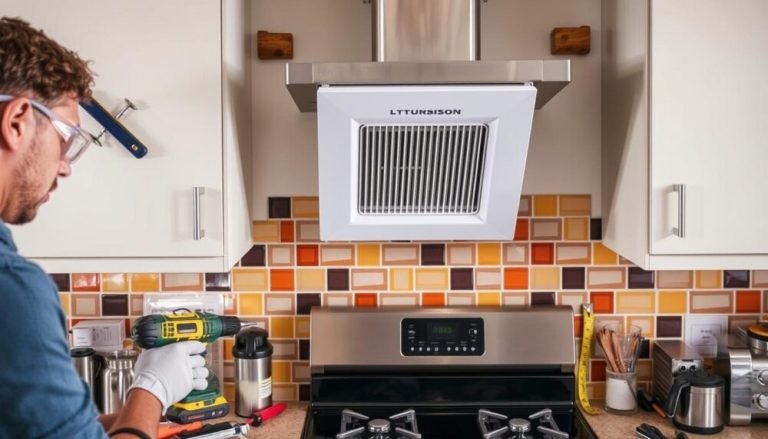
Start by measuring the wall space where units will go. Use a tape measure to find the distance from the countertop to the ceiling. Mark the height clearly on the wall. Double-check measurements before drilling or fixing anything. Keep standard heights in mind, usually 54 to 60 inches from the floor to the bottom of the wall units. Adjust based on your kitchen layout and user needs.
Tools And Materials
- Tape measure for precise measurements
- Spirit level to keep units straight
- Drill and screws for mounting
- Wall plugs suitable for your wall type
- Pencil for marking positions
- Stud finder to locate secure fixing points
Gather all tools before starting. This keeps the process smooth and fast.
Safety Considerations
Wear safety goggles to protect your eyes during drilling. Use a sturdy ladder or step stool for reaching high spots. Check for electrical wires and plumbing inside walls before drilling. Secure units firmly to wall studs for stability. Avoid overloading shelves to prevent accidents. Take breaks if you feel tired to maintain focus and prevent mistakes.
Common Mistakes To Avoid
Choosing the right height for your kitchen wall units can make a big difference in how comfortable and functional your kitchen feels. Many people make avoidable mistakes that affect both the look and usability of their space. Understanding these common errors helps you design a kitchen that works well every day.
Too High Or Too Low Placement
Placing wall units too high makes it hard to reach items, especially if you’re shorter or have kids helping in the kitchen. I once installed cupboards that were just out of easy reach, and it quickly became frustrating to grab everyday dishes without a step stool.
On the other hand, units placed too low waste valuable counter space and can feel cramped. You want your wall units to be at a height that balances accessibility with workspace below. Think about your daily habits: How often do you reach for things up high? Adjust accordingly.
Ignoring User Comfort
Comfort isn’t just about height; it’s about how the design fits you and everyone who uses the kitchen. If you’re taller or shorter than average, standard heights might not suit you. Ask yourself: Are you stretching or bending awkwardly when accessing these units?
Consider who else uses the kitchen. If children or elderly family members are involved, you might need to customize heights or add pull-down shelves. Ignoring these details makes your kitchen less user-friendly and more frustrating over time.
Overlooking Storage Needs
Wall unit height affects not just reachability but also what you can store inside. Tall units might accommodate large items but become hard to access. Shorter ones offer easy reach but limit vertical storage space.
Think about what you need to store and how often you use those items. If your wall units don’t fit your storage needs, you’ll end up cluttering counters or drawers. Do your kitchen essentials fit comfortably, or are you constantly rearranging to make room?
Trends In Wall Unit Heights
Kitchen wall units have evolved beyond traditional heights. Today, their dimensions reflect both style and function, influenced by how we live and use our kitchens. Understanding these trends can help you choose the perfect height that suits your space and lifestyle.
Modern Minimalist Designs
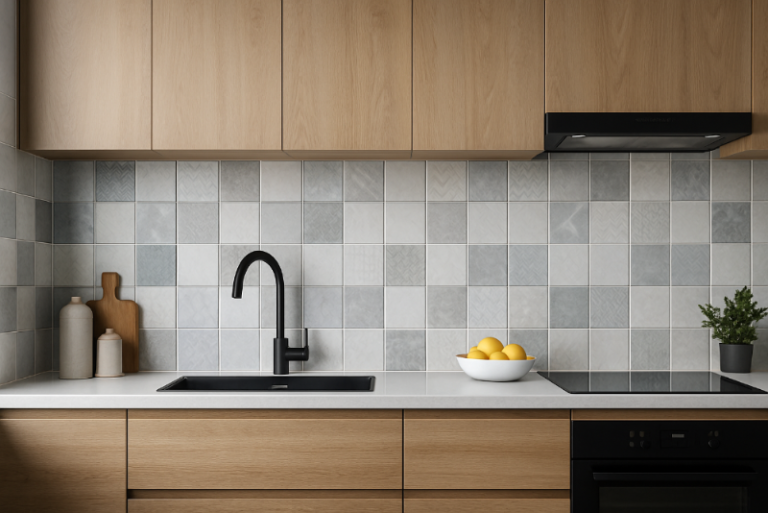
Modern kitchens favor clean lines and simplicity, which means wall units often follow sleek, uniform heights. Many designers keep these units around 30 to 36 inches tall to maintain a balanced look without overwhelming the space.
In my own kitchen remodel, I found that keeping wall cabinets at 36 inches created a neat, uncluttered appearance. It also made the room feel more open, while still providing ample storage. Could your kitchen benefit from this streamlined approach?
Maximizing Vertical Space
Some kitchens reach for the ceiling to gain extra storage, especially in smaller homes. Wall units that extend up to 42 or even 48 inches make use of vertical space that often goes unused.
This approach works well if you have high ceilings or want to store items you rarely use. Adding a sturdy step stool nearby can keep those upper shelves accessible without sacrificing safety or convenience.
- Taller units free up counter space by holding more kitchenware.
- They can visually elongate your walls, making the room seem larger.
- Consider the height of your family members to ensure daily usability.
Accessible Kitchens
Accessibility is reshaping how wall units are designed and installed. Lower heights, sometimes around 24 to 30 inches, make kitchens easier to use for everyone, including children and people with mobility challenges.
When I helped a friend redesign her kitchen for better accessibility, we chose wall units at 28 inches. This small change made a big difference in her independence and comfort.
Think about who uses your kitchen the most. Could adjusting the height of your wall units create a more welcoming and practical environment?

Credit: www.impactfurniture.co.uk
Frequently Asked Questions
What Is The Standard Height Of Kitchen Wall Units?
The standard height of kitchen wall units is typically 30 to 36 inches. This range fits most kitchens and allows for comfortable access and efficient storage.
How Far Should Wall Units Be From The Countertop?
Wall units are usually installed 18 to 20 inches above the countertop. This spacing provides enough workspace and easy reach for everyday kitchen tasks.
Can Wall Unit Heights Be Customized?
Yes, kitchen wall unit heights can be customized. Adjustments depend on ceiling height, user preference, and kitchen design requirements.
Why Does Kitchen Wall Unit Height Matter?
Wall unit height affects kitchen ergonomics, storage efficiency, and overall design. Proper height enhances safety and convenience during cooking.
Conclusion
Kitchen wall units usually stand between 30 to 42 inches tall. This size fits most kitchens well and keeps things easy to reach. Choosing the right height helps keep your kitchen neat and organized. It also makes cooking and cleaning simpler.
Remember, measure your space before buying any units. A good fit makes your kitchen look better and work smoother. Keep these points in mind for a comfortable kitchen setup.