How to Decorate a Kitchen Wall With Plates: Stunning Ideas Revealed
Are you looking for a simple way to add charm and personality to your kitchen? Decorating your kitchen wall with plates is an easy, creative idea that can transform your space instantly.
Imagine turning plain walls into eye-catching displays that tell a story or showcase your favorite colors and patterns. Whether you prefer vintage, modern, or eclectic styles, using plates as wall decor lets you express your taste uniquely. Keep reading to discover practical tips and inspiring ideas that will help you make your kitchen walls come alive—without spending a fortune or needing expert skills.
Your kitchen is about to become your favorite room in the house!
Choosing The Right Plates
Choosing the right plates is key to creating a beautiful kitchen wall display. The plates should match your kitchen’s style and colors. Balance between shapes, sizes, and designs makes the wall look inviting and lively. The right choice brings personality and charm to your space.
Mixing Patterns And Colors
Mix patterns carefully to avoid a cluttered look. Combine solid colors with simple prints for balance. Use a color palette that complements your kitchen’s tones. For example, soft blues and whites create a calm feel. Bright colors like red or yellow add energy and warmth.
Choose plates with different patterns but similar colors. This keeps harmony while adding interest. Avoid too many clashing designs. Let one or two plates be the focal point, with others supporting them.
Vintage Vs Modern Styles
Decide if you want a vintage or modern look. Vintage plates often have floral or intricate designs. They add a cozy, nostalgic feel to the kitchen. Modern plates tend to have clean lines and bold shapes. They fit well with minimalist or contemporary kitchens.
Mixing vintage and modern styles can work if done carefully. Use vintage plates as accents with mostly modern ones. Or choose plates that blend both styles for a unique look. Keep the overall theme clear for a cohesive display.
Selecting Plate Sizes
Vary plate sizes to create visual interest. Large plates can serve as the centerpiece on the wall. Smaller plates fill gaps and add detail around bigger ones. Arrange plates in a balanced way to avoid empty spaces.
Use a few large plates and many small ones for a dynamic design. Or group plates of similar sizes for a uniform look. Consider the wall size and available space before choosing.
Credit: inagarten.substack.com
Preparing Your Wall
Preparing your kitchen wall before decorating with plates is important. A clean, smooth surface ensures your plates stay secure and look great. Planning the layout helps create balance and style. Gather the right tools and materials for a smooth process. Follow these steps to get your wall ready.
Cleaning And Priming Surfaces
Start by cleaning the wall to remove dust, grease, and dirt. Use a mild detergent and warm water with a sponge. Let the wall dry completely before moving on. If the wall has stains or uneven patches, apply a primer. Primer creates a smooth base and helps paint stick better. Wait until the primer dries fully before hanging plates.
Measuring And Planning Layout
Measure the wall space you want to decorate. Use a tape measure to find width and height. Sketch your plate arrangement on paper or use painter’s tape on the wall. This helps you visualize the final look. Space the plates evenly to avoid clutter. Consider plate size, shape, and color for a balanced design.
Tools And Materials Needed
- Measuring tape
- Painter’s tape
- Level
- Wall cleaner or mild detergent
- Primer and paintbrush (if needed)
- Plate hangers or adhesive hooks
- Pencil for marking
- Stud finder (optional)
Creative Plate Arrangements
Creative plate arrangements can transform a plain kitchen wall into an eye-catching display. Plates offer endless design options. Their shapes, colors, and patterns bring personality to the space.
Choosing the right arrangement style sets the mood for your kitchen. Balance, contrast, and theme guide the layout. Each style has its charm and suits different kitchen vibes.
Symmetrical Designs
Symmetrical designs create harmony and order. Plates are placed evenly on both sides of a center point. This style works well with matching or similar plates.
Try shapes like circles, squares, or rectangles for a balanced look. Use plates of the same size or color for uniformity. Symmetry brings a calm and classic feel to the kitchen.
Asymmetrical Collages
Asymmetrical collages add energy and creativity. Plates are arranged without strict rules, creating a freeform design. This style fits kitchens with eclectic or modern decor.
Mix different sizes, colors, and patterns. Group plates closer in some areas and spread them out in others. The varied layout captures attention and sparks interest.
Themed Displays
Themed displays tell a story or reflect a passion. Choose plates with related images, colors, or styles. Themes can be seasonal, cultural, or food-inspired.
Example themes:
- Vintage floral patterns for a cozy farmhouse look
- Blue and white plates for a nautical style
- Fruit or vegetable motifs for a fresh, natural vibe
Themed arrangements add personality and make the kitchen unique. They invite conversation and show your style clearly.
Mounting Techniques
Mounting plates on your kitchen wall can turn a simple space into a charming focal point. Choosing the right technique affects both the look and safety of your display. Let’s look at some practical ways to mount plates that keep them secure and stylish.
Using Plate Hangers
Plate hangers are a classic choice that offer a reliable grip without damaging your plates. These metal or plastic hangers stretch around the plate’s edge and have hooks for easy wall mounting. They work well for both vintage and modern plates.
If you want a clean look, select hangers with thin wires that blend with your plate’s design. Always check the weight limit before buying, especially if your plates are heavy or valuable. I once used sturdy plate hangers on a set of antique china, and they held perfectly without slipping or scratching.
Adhesive Options
For a no-nail solution, adhesive hooks and strips are a quick way to mount plates on smooth walls. These options avoid holes but need careful surface preparation and weight consideration. Adhesives can work great for lightweight decorative plates.
Try using removable adhesive strips if you want to change your display often. Keep in mind, humid kitchen conditions might weaken the adhesive over time. Testing with one plate first helps you avoid unexpected falls and damage.
Custom Shelves And Racks
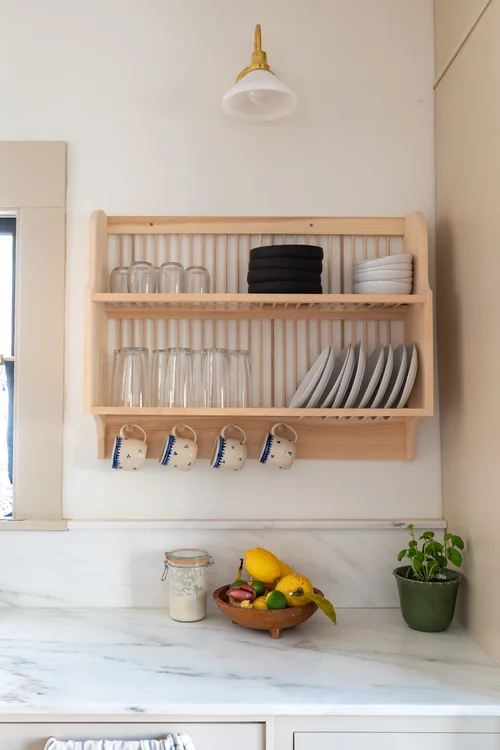
Custom shelves and racks give you a versatile way to display plates and other kitchen items together. Floating shelves let you arrange plates standing up or leaning, adding depth to your wall decor. Racks designed specifically for plates offer slots to hold them securely.
Building or buying a rack lets you mix plates with small plants or cookbooks, creating a layered look. Think about the space you have—vertical racks save room, while wider shelves let you add personal touches. Have you considered how adding shelves could turn your wall into a mini-gallery?
Incorporating Lighting
Lighting plays a key role in showcasing plates on a kitchen wall. It highlights their colors, shapes, and textures. Proper lighting creates a warm and inviting atmosphere. It also draws attention to your decorative display.
Different lighting styles can change the look and feel of your kitchen wall. Using focused or soft lights can emphasize plates uniquely. Choosing the right lighting adds depth and charm to your space.
Spotlights For Focus
Spotlights direct light exactly where you want it. They create a bright focus on your plates. Small spotlights installed above or below the plates work well. They bring out details and make the plates pop.
Adjustable spotlights offer flexibility. You can change the angle to highlight new arrangements. This type of lighting adds drama and interest to your wall.
Ambient Lighting Ideas
Ambient lighting gives a soft and gentle glow. It fills the room with even light without harsh shadows. Wall sconces, pendant lights, or ceiling fixtures provide ambient light.
This lighting style enhances the overall mood. Plates look beautiful with a warm background light. It creates a cozy space for cooking and dining.
Led Strips Behind Plates
LED strips placed behind plates add a modern touch. They create a halo effect around each plate. This subtle backlighting makes plates stand out without glare.
LED strips are energy-efficient and easy to install. They come in various colors to match your kitchen theme. Use dimmable strips to adjust brightness as needed.

Credit: www.thecoolist.com
Maintaining Your Plate Wall
Keeping your plate wall looking fresh and beautiful takes some care, but it doesn’t have to be difficult. A little attention to cleaning, protection, and occasional updates will make a big difference. Think of your plate wall as a living art piece that evolves with your kitchen.
Cleaning Tips
Dust can quickly dull the shine of your plates. Use a soft, dry microfiber cloth to gently wipe each plate regularly.
If you notice grease or fingerprints, dampen the cloth slightly with warm water and mild dish soap. Avoid harsh chemicals that might damage the plate’s finish or pattern.
For hard-to-reach spots, try a soft-bristled brush or a cotton swab. Have you tried cleaning your plates this way? You might be surprised how much brighter they look afterward.
Preventing Damage
Keep your plate wall safe by hanging plates securely using sturdy hooks or plate hangers designed for ceramics.
Check the mounts periodically to ensure they remain tight and haven’t loosened over time. A falling plate can cause serious damage.
Consider the kitchen’s humidity and temperature changes. Placing plates away from direct heat sources or steam will reduce the risk of cracks or fading.
Seasonal Updates
Changing a few plates with the seasons keeps your display fresh and interesting. Swap in bright floral patterns for spring or rich, warm tones for fall.
You can also rearrange the plates to create a new visual flow or add small decorative elements like wreaths or fairy lights around the edges.
Does your plate wall reflect the current season? Small updates can make your kitchen feel more inviting and alive all year round.
Inspiration From Real Kitchens
Decorating kitchen walls with plates brings charm and personality to any space. Real kitchens offer a variety of styles that inspire unique wall designs. These examples show how plates can transform plain walls into eye-catching features. Each style uses different colors, shapes, and arrangements to fit the kitchen’s mood.
Rustic Farmhouse Walls
Rustic kitchens use plates with earthy tones and vintage patterns. Hand-painted floral designs and worn edges add character. Plates often hang on wooden walls or above open shelves. Grouping plates in clusters or rows creates a warm, cozy feel. Mixing different sizes adds depth and interest.
Modern Minimalist Displays
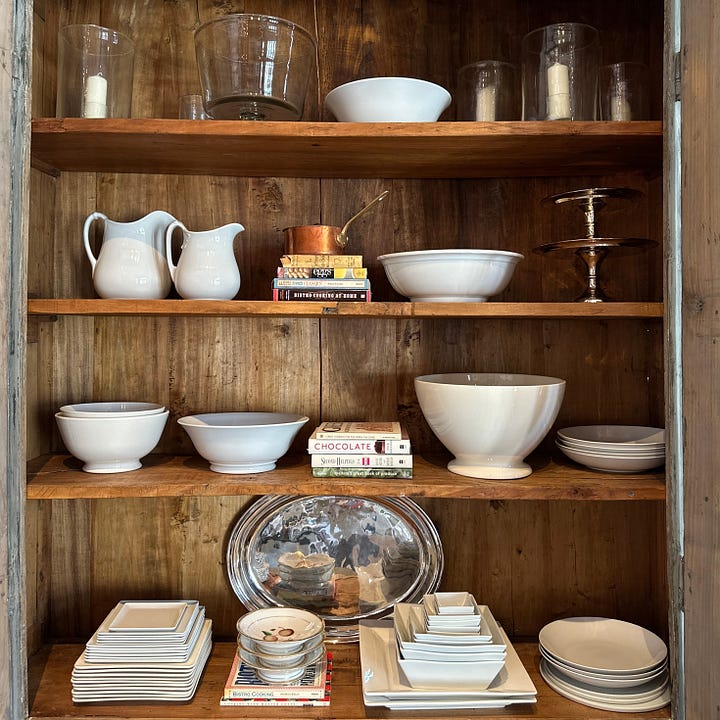
Modern kitchens prefer clean lines and simple colors. White or solid-colored plates arranged in neat grids look sleek. Space between plates keeps the wall airy and light. Using plates with subtle textures or geometric shapes adds a modern touch. This style keeps the kitchen fresh and uncluttered.
Eclectic And Colorful Walls
Eclectic kitchens mix bright plates with various patterns and shapes. Bold colors and playful designs create lively walls. Plates are arranged in asymmetrical layouts for a fun, casual look. Combining antique and new plates adds unique character. This style suits kitchens that celebrate creativity and joy.

Credit: www.aol.com
Frequently Asked Questions
How Do I Hang Plates On A Kitchen Wall?
Use plate hangers or adhesive hooks designed for wall mounting. Ensure they support the plate’s weight and position plates evenly for a balanced look.
What Styles Suit Kitchen Wall Plate Decor Best?
Vintage, rustic, and modern plates work well. Mix patterns or colors to add charm. Choose styles that complement your kitchen’s theme.
Can I Use Real Plates For Wall Decoration?
Yes, real plates add authentic charm. Secure them properly to prevent damage. Consider using less valuable or vintage plates for safety.
How To Arrange Plates On A Kitchen Wall Creatively?
Create symmetrical or asymmetrical patterns. Use grids, clusters, or random placements. Plan layout on the floor before hanging to visualize the design.
Conclusion
Decorating a kitchen wall with plates adds charm and personality. Plates come in various styles and colors. Choose ones that match your kitchen theme. Arrange them creatively for visual interest. Use plate hangers or adhesive hooks for easy hanging. Ensure they are secure to prevent accidents.
Mix different sizes and patterns for a unique look. Consider spacing for balance and harmony. Enjoy the process and make your kitchen wall a focal point. Your creativity will transform the space beautifully. Happy decorating!