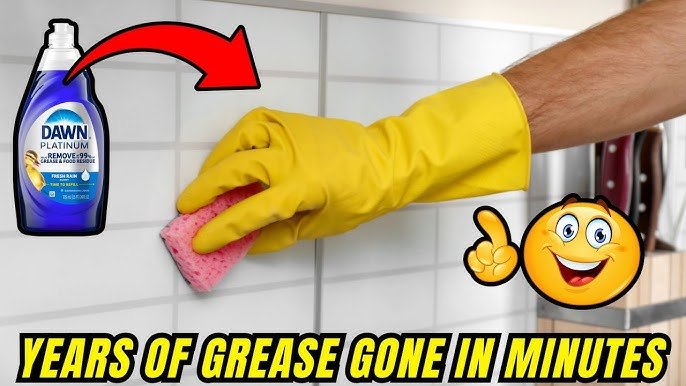
How to Clean Grease on Kitchen Walls: Easy and Effective Tips
Grease on kitchen walls can be a frustrating sight. No matter how often you cook, those stubborn stains seem to appear out of nowhere, clinging to your walls and mocking your cleaning efforts.
Have you ever found yourself scrubbing until your arms ache, only to see that stubborn grease still lingering? You’re not alone. But what if there was a simpler, more effective way to tackle this greasy problem once and for all?
Imagine walking into your kitchen and seeing walls that look as pristine as the day you painted them. Intrigued? You’ll discover the secrets to effortlessly removing grease from your kitchen walls, using techniques that are not only easy but also surprisingly quick. Get ready to transform your kitchen into a spotless haven that you’ll be proud to show off. Keep reading to find out how!
Causes Of Grease Buildup
Grease buildup on kitchen walls can be frustrating, especially when it dulls the look of your cooking space. Understanding what causes this stubborn layer helps you tackle it more effectively. Let’s break down the main reasons your walls attract grease and what happens when it sticks around too long.
Common Kitchen Sources
Grease mainly comes from cooking oils and fats released during frying, sautéing, and grilling. If you’ve ever noticed a fine mist or tiny droplets settling on surfaces nearby, that’s the culprit. Steam carrying these tiny particles floats and lands on your walls, creating a sticky film over time.
Another source is splatters from pans or pots, especially if you cook with high heat or don’t use lids. Even baking or roasting can send grease particles into the air. Ventilation plays a big role here — without a good exhaust fan, grease hangs around longer.
Effects On Wall Surfaces
Grease buildup makes your walls look grimy and dull, affecting the overall cleanliness of your kitchen. It creates a sticky surface that attracts dust and dirt, making the problem worse. Over time, this layer can cause paint to peel or discolor, leading to costly repairs.
Have you noticed how your walls feel tacky or look yellowish near the stove? That’s grease’s handiwork. Ignoring this buildup doesn’t just hurt aesthetics; it can also promote bacteria growth, which isn’t safe in a food preparation area.
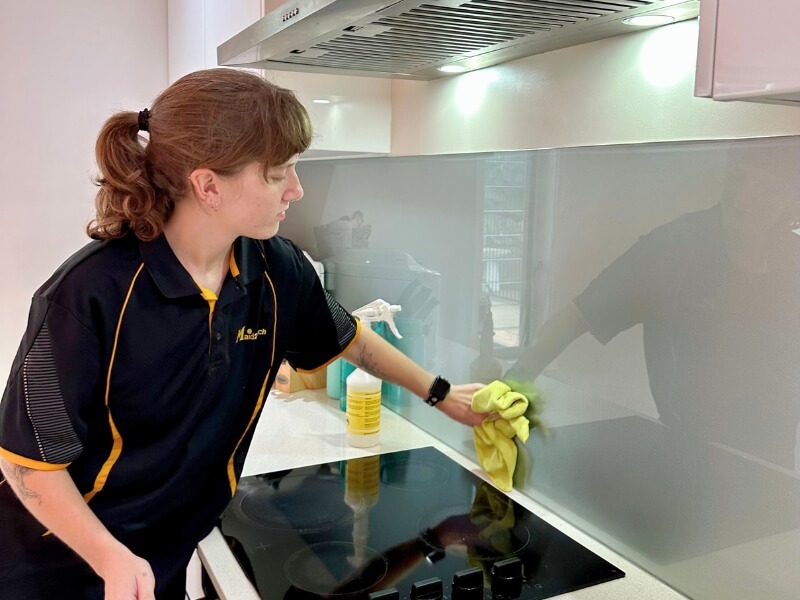
Credit: www.maid2match.com.au
Essential Cleaning Supplies
Cleaning grease off kitchen walls needs the right supplies. Using proper items makes the task easier and quicker. Choose cleaners and tools that work well on greasy surfaces. These supplies help remove sticky residue without damaging paint or wallpaper.
Household Cleaners
- Dish soap: Cuts grease effectively and is gentle on surfaces.
- White vinegar: Breaks down oily stains and deodorizes the wall.
- Baking soda: Works as a mild abrasive to scrub off grease spots.
- All-purpose cleaner: Designed to tackle tough kitchen grease safely.
- Degreaser spray: Stronger option for stubborn, baked-on grease.
Tools And Equipment
- Soft sponges: Ideal for scrubbing without scratching walls.
- Microfiber cloths: Absorb grease and clean without leaving streaks.
- Spray bottles: Help apply cleaning solutions evenly and easily.
- Bucket: Holds warm water mixed with cleaner for soaking cloths.
- Rubber gloves: Protect skin from harsh cleaners and hot water.
Preparation Before Cleaning
Preparing before cleaning grease on kitchen walls is key for effective results. It helps protect your kitchen and keeps the process safe. Proper preparation saves time and avoids damage.
Start by clearing the area near the walls. Remove items like utensils, small appliances, and decorations. This makes cleaning easier and prevents accidents.
Protecting Surrounding Areas
Cover countertops and floors close to the wall. Use old towels, plastic sheets, or newspapers. This stops cleaning liquids from dripping and causing stains.
Move furniture or kitchen tools away from the wall. Keep electrical outlets and switches dry by covering them with plastic wrap. This avoids damage or short circuits.
Safety Precautions
Wear gloves to protect your skin from harsh cleaners. Use goggles if you work with strong chemicals to shield your eyes. Make sure the room is well ventilated by opening windows or turning on fans.
Keep cleaning products out of children’s reach. Avoid mixing different cleaners as this can create harmful fumes. Follow all instructions on product labels carefully for safe use.
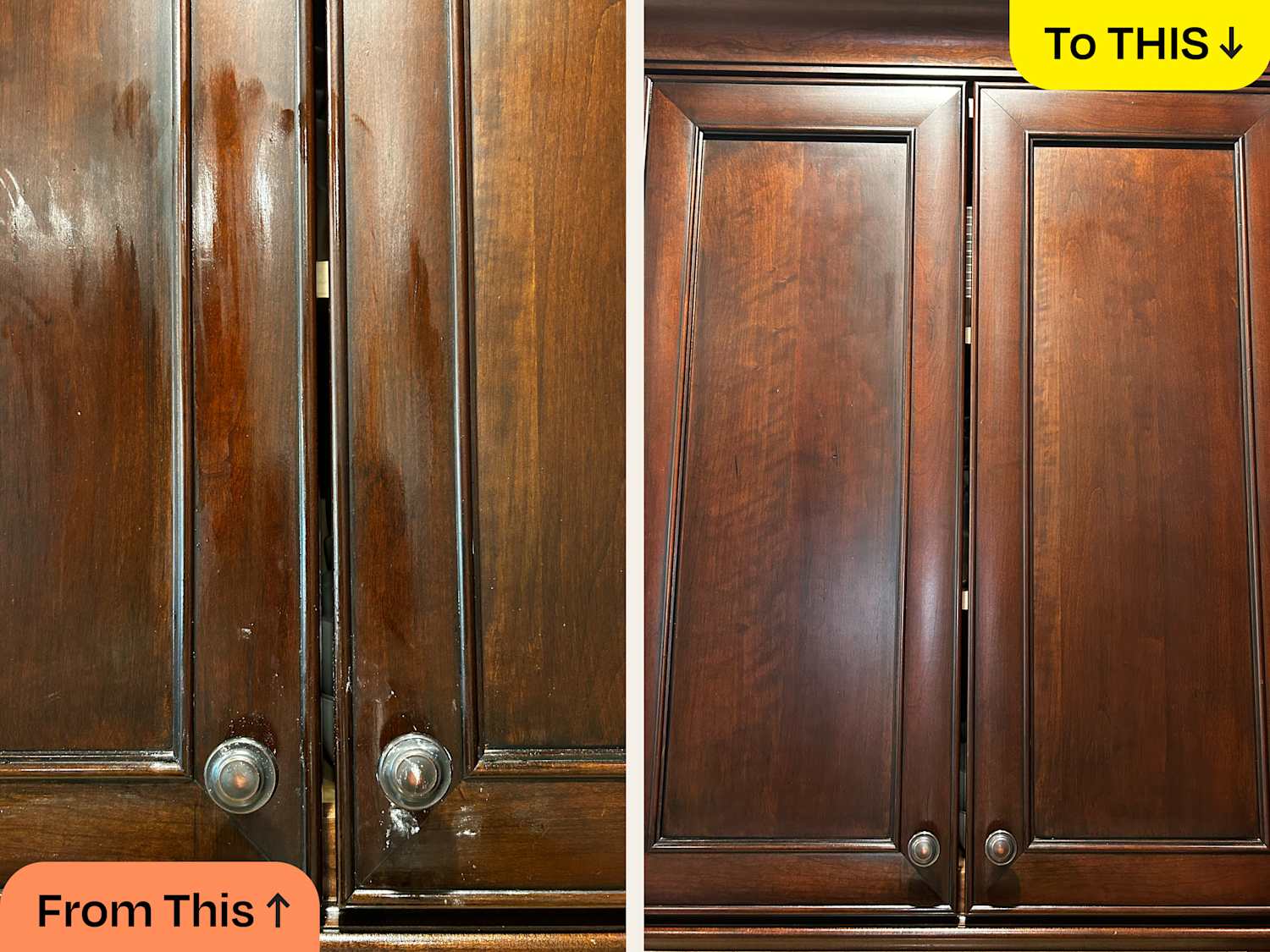
Credit: www.thekitchn.com
Step-by-step Cleaning Methods
Cleaning grease off kitchen walls can feel like a tough job, but with the right approach, you can restore your walls to their clean, fresh state. The key is to use effective cleaning agents and techniques that cut through the grease without damaging your paint or wallpaper. Here are practical, step-by-step methods you can try using common household items or commercial products.
Using Vinegar And Baking Soda
Vinegar and baking soda make a powerful duo against grease buildup. Start by mixing equal parts white vinegar and warm water in a spray bottle. Spray the solution onto the greasy areas and let it sit for 5-10 minutes to break down the grime.
Next, sprinkle baking soda on a damp sponge or directly on the wall and gently scrub the surface. The mild abrasive effect of baking soda helps lift stubborn grease without scratching. Rinse with a clean damp cloth to remove residue, and dry with a towel.
This combo is safe and eco-friendly, perfect if you want to avoid harsh chemicals. Have you ever noticed how vinegar’s sharp smell can actually make your kitchen feel cleaner?
Applying Dish Soap Solutions
Dish soap is designed to cut grease on dishes, so it works well on kitchen walls too. Mix a few drops of dish soap with warm water in a bucket. Dip a soft cloth or sponge into the mixture, wring it out, and wipe the greasy spots.
For thicker grease, leave the soapy water on the wall for a few minutes before scrubbing gently. Rinse with plain water to avoid leaving any soap film, which can attract more dirt later. Dry the area with a microfiber cloth for a streak-free finish.
Does your dish soap have a pleasant scent? Using it can freshen up your kitchen walls while cleaning.
Commercial Degreasers
If natural remedies aren’t cutting it, commercial degreasers offer a strong solution. Choose a degreaser labeled safe for painted or wallpapered surfaces to prevent damage. Spray or apply the product according to the instructions.
Use a soft cloth or sponge to wipe away the grease, then rinse thoroughly with water. Always test the degreaser on a small hidden spot first to check for any adverse reaction. These products are designed for tough grease, so they can save time and effort.
Have you tried a commercial degreaser that surprised you with its effectiveness? Sometimes investing in the right product is worth it.
Tackling Stubborn Grease Stains
Stubborn grease stains on kitchen walls need extra effort to remove. These tough spots often resist simple cleaning. You must use strong scrubbing methods and repeat treatments. Persistence is key to restore your walls to their clean state.
Scrubbing Techniques
Use a soft brush or sponge for scrubbing. Avoid harsh tools that can damage paint. Apply a degreaser or a mix of warm water and dish soap. Scrub in circular motions to break down grease. Focus on stained areas but be gentle. Rinse with clean water to remove residue. Dry the wall with a soft cloth to prevent streaks.
Repeating Treatments
Some stains need more than one cleaning session. Wait a few minutes after the first scrub. Check if grease starts to lift from the surface. Repeat scrubbing with fresh cleaner as needed. Multiple treatments improve the chance of full stain removal. Always dry the wall after each cleaning round. This prevents moisture damage and keeps the wall smooth.
Preventing Future Grease Buildup
Preventing grease buildup on kitchen walls keeps your space clean and fresh. Taking small steps daily stops grease from sticking and hardening. Maintaining clean walls saves time and effort later. Focus on habits and ventilation to reduce grease in your kitchen.
Regular Cleaning Habits
Clean kitchen walls often to stop grease buildup. Wipe walls after cooking with a damp cloth. Use mild soap or a vinegar solution to remove grease. Avoid letting grease sit for days; it becomes harder to clean. Keep a spray bottle with cleaner handy for quick touch-ups. Regular cleaning keeps walls bright and grease-free.
Ventilation Tips
Good airflow reduces grease settling on walls. Use exhaust fans while cooking to pull out smoke and grease. Open windows to let fresh air in and push grease out. Position fans near the stove to capture grease particles. Clean fan filters regularly to keep airflow strong. Proper ventilation stops grease from spreading and sticking to surfaces.
Maintaining Clean Kitchen Walls
Maintaining clean kitchen walls is essential to keep your cooking space fresh and inviting. Grease and splatters can build up quickly, making the walls sticky and dull. Regular care not only preserves the look but also prevents tough stains that are harder to remove later.
Quick Daily Wipes
You don’t need to spend hours cleaning every day to keep grease at bay. A simple wipe down after cooking can make a huge difference.
- Use a damp microfiber cloth or sponge to gently wipe the walls.
- Add a few drops of dish soap to warm water for better grease removal.
- Focus on areas near the stove and backsplash where splatters happen most.
Try to make this a habit, especially if you cook oily or fried foods often. Have you noticed how much easier cleaning is when you don’t let grease sit for days?
Deep Cleaning Schedule
Even with quick daily wipes, grease can still build up in less visible spots. Setting a deep cleaning schedule helps tackle stubborn grime effectively.
- Choose a day each month for a thorough wash of kitchen walls.
- Mix baking soda with water to form a gentle abrasive paste that lifts grease without damaging paint.
- Use a soft brush or cloth to scrub the walls, then rinse with clean water.
Consider areas around vents and light switches where grease can collect unnoticed. How often do you check those spots? A consistent cleaning routine will keep your kitchen walls looking fresh and reduce the effort needed over time.

Credit: www.youtube.com
Frequently Asked Questions
How Do I Remove Grease From Kitchen Walls Effectively?
Use a mixture of warm water, dish soap, and vinegar. Apply with a sponge, scrub gently, then rinse with clean water. Repeat if needed for stubborn grease.
What Household Items Clean Kitchen Wall Grease Safely?
Common items like baking soda, vinegar, and dish soap work well. These are non-toxic, affordable, and effective for cutting through grease without damaging paint.
Can I Use Commercial Cleaners On Greasy Kitchen Walls?
Yes, but choose non-abrasive, kitchen-safe cleaners. Always follow label instructions and test on a small area first to avoid damage or discoloration.
How Often Should I Clean Grease Off Kitchen Walls?
Clean kitchen walls every 1-2 weeks to prevent buildup. Regular cleaning keeps grease manageable and maintains a fresh kitchen environment.
Conclusion
Cleaning grease on kitchen walls keeps your space fresh and neat. Simple tools and common cleaners work well. Regular cleaning stops grease from building up too much. It also helps keep your kitchen healthy and nice to use. Take time to wipe down walls after cooking.
Small efforts make a big difference over time. Grease stains won’t stand a chance with these easy tips. Your kitchen will look cleaner and feel more welcoming every day.