How to Measure Kitchen Wall for Backsplash: Easy Step-by-Step Guide
Are you ready to transform your kitchen with a stunning backsplash? Before you dive into the exciting world of tiles and colors, there’s one crucial step you need to master: measuring your kitchen wall accurately.
Imagine walking into your kitchen and feeling a sense of pride every time you glance at your perfectly installed backsplash. By learning how to measure your kitchen wall correctly, you ensure a seamless and flawless installation, avoiding costly mistakes and unnecessary frustration.
In this guide, we’ll walk you through the simple steps to get those measurements just right, setting you on the path to a kitchen makeover that will leave you smiling every time you step into the room. Let’s get started on turning your dream kitchen into a reality!
Credit: mercurymosaics.com
Gather Necessary Tools
Gathering the right tools is the first step to measure your kitchen wall for a backsplash accurately. Having these tools ready helps you work efficiently. It also reduces mistakes and saves time.
Measuring Tape
A measuring tape is essential to get exact wall dimensions. Choose a tape that extends at least 25 feet. This length covers most kitchen walls without moving the tape.
Use the tape to measure the width and height of the backsplash area. Keep the tape straight for accurate results. Note down each measurement carefully.
Level And Pencil
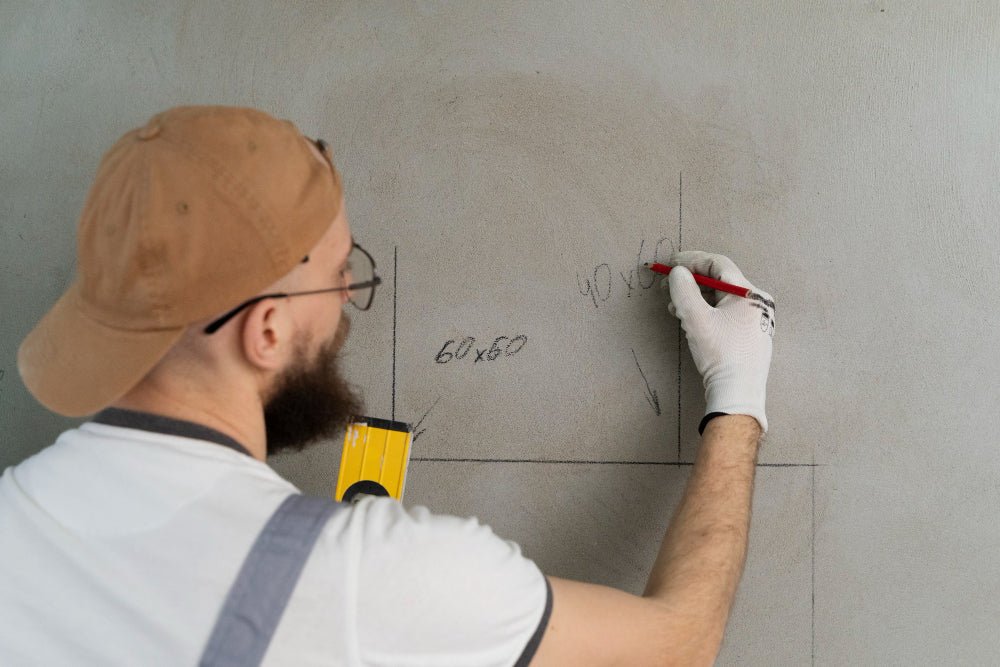
A level ensures your lines are straight and even. Mark the backsplash boundaries with a pencil before measuring. This step helps avoid crooked cuts or gaps.
Hold the level against the wall and draw light lines. These marks guide your measuring tape and backsplash installation. Use a sharp pencil for clear, visible lines.
Notepad For Recording
Record all measurements on a notepad. Write down width, height, and any special wall features. Keep notes organized for easy reference.
Double-check your numbers before starting the backsplash project. Clear notes prevent errors and make the installation smoother. A small notebook or paper sheet works well.
Prepare The Wall Surface
Preparing the wall surface is a crucial step before measuring for your kitchen backsplash. A clean, obstacle-free wall ensures accurate measurements and a smooth installation process. Skipping this part can lead to errors that might cost you time and money.
Clear The Area
Start by removing everything from the countertop and wall space where the backsplash will go. This includes appliances, utensils, and any decorative items. Clearing the area gives you full access to the wall and prevents damage to your belongings.
Take a moment to wipe down the wall with a damp cloth. Dust and grease can hide imperfections that affect your measurement and installation. A clean surface helps you spot any cracks or holes that need attention.
Check For Obstacles
Look closely for any obstacles that might interfere with your backsplash, such as electrical outlets, switches, or plumbing fixtures. Measure the exact locations and sizes of these to plan around them effectively.
Have you ever started a project only to find a hidden pipe or uneven surface halfway through? Identifying these issues early saves frustration later. Mark these spots clearly on your wall or measurement notes to keep everything organized.
Measure Wall Width
Measuring the wall width accurately is key for a perfect kitchen backsplash fit. Knowing the exact width ensures the backsplash covers the right area without gaps or overlaps. Use a tape measure to get precise numbers. Measure more than once to confirm accuracy. This step helps avoid costly mistakes and wasted materials.
Measure From Edge To Edge
Start measuring from one end of the wall to the other. Place the tape at the edge where the backsplash will begin. Stretch it straight across to the opposite edge. Keep the tape level to avoid errors. Write down the exact measurement. This gives the total width of the backsplash space.
Account For Cabinets And Fixtures
Take note of any cabinets, outlets, or fixtures on the wall. Measure the space between these objects carefully. Subtract the width of cabinets or fixtures that do not need backsplash coverage. This adjustment ensures the backsplash fits perfectly around obstacles. Always double-check these measurements for precision.
Measure Wall Height
Measuring the wall height accurately is essential before installing a kitchen backsplash. It ensures the backsplash fits perfectly, avoiding gaps or overlaps that can ruin the look and function. Taking the time to measure carefully saves you from costly mistakes and frustration later.
Determine Backsplash Height
Start by deciding how tall you want your backsplash to be. Standard backsplash heights range from 15 to 18 inches, but this can vary based on your kitchen design and countertop height. If your countertops are higher or you want a more dramatic look, consider going taller.
Think about the area between your countertop and the bottom of your wall cabinets. Measuring this space gives you a clear idea of the maximum backsplash height. You might also want to check the height of existing backsplashes in similar kitchens for a quick reference.
Mark Measurement Points
Use a pencil and a level to mark measurement points on the wall. Start by measuring from the countertop surface upward to your chosen backsplash height. Mark this spot at several points along the wall to get an accurate outline.
Connecting these marks with a straight line will help you visualize the backsplash area clearly. If the wall isn’t perfectly straight, marking multiple points ensures you adjust and cut the backsplash material correctly. Are your walls completely flat, or do you notice any bumps or uneven spots that might affect the fit?
Calculate Total Area
Calculating the total area of your kitchen wall for a backsplash is essential. It ensures you buy the right amount of material. Accurate measurement avoids extra costs and waste. Follow simple steps to find the exact area.
Multiply Width By Height
Measure the width of the wall in inches or centimeters. Measure the height from the countertop to the bottom of the cabinets. Multiply width by height to get the total wall area. For example, a 10-foot wide wall and 2-foot high backsplash equals 20 square feet. Use the same units for both measurements.
Subtract Openings Or Fixtures
Identify areas without backsplash like windows, outlets, or vents. Measure each opening’s width and height. Multiply to find the area of each opening. Add all opening areas together. Subtract this total from the wall area. This gives the net backsplash area needed. Always double-check measurements for accuracy.
Credit: mercurymosaics.com
Record Measurements Accurately
Recording your kitchen wall measurements accurately is crucial before installing a backsplash. Mistakes in this step can lead to wasted materials and extra costs. Taking your time to capture every dimension precisely will save you headaches during installation.
Double-check Numbers
After measuring, always check your numbers twice, or even thrice. It’s easy to misread the tape or write down a wrong digit. Re-measure the same wall areas and compare results to catch any discrepancies early.
Think about the last time you rushed a measurement. Did you have to redo your work? Avoid that by taking a moment to verify. Use a helper if possible—one person measures, the other records. This simple step reduces human error significantly.
Note Measurement Units
Make sure you are consistent with your measurement units—whether inches, centimeters, or millimeters. Mixing units can cause confusion and errors when ordering tiles or cutting materials. Always label your numbers clearly to avoid misunderstandings.
For example, if you measure one wall in inches and another in centimeters, converting them later can lead to mistakes. Keep a ruler or tape measure handy that shows the units you need. If you’re working with a contractor or supplier, confirm which unit they prefer before you start.
Plan For Material Overages
Planning for material overages is a crucial step when measuring kitchen walls for a backsplash. It ensures you have enough tiles or materials to cover the entire area, including any cuts or mistakes. Without extra material, you might face delays or mismatched batches. Preparing for overages saves time and keeps your project on track.
Add Extra For Cuts And Breakage
Tiles often need cutting to fit edges, outlets, or corners. Some pieces may break during cutting or installation. Adding at least 10% more material covers these losses. This extra amount helps avoid running out of tiles mid-project. It also allows room for small errors or changes in design.
Consider Design Patterns
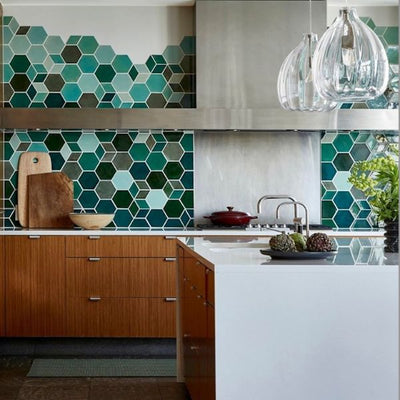
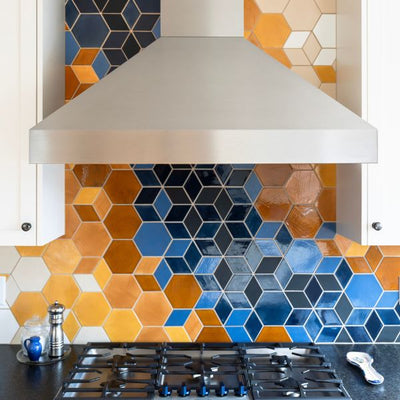
Complex patterns like herringbone or diagonal layouts require more material. Matching tile patterns can create waste from trimming pieces. Plan for an additional 15% to 20% extra when using intricate designs. This ensures enough material to maintain pattern consistency across the backsplash.

Credit: apollotile.com
Frequently Asked Questions
How Do I Measure Kitchen Wall For Backsplash Installation?
Measure the width and height of the wall area. Use a tape measure from edge to edge. Note all measurements accurately for precise backsplash fitting.
What Tools Are Needed To Measure Backsplash Area?
You need a tape measure, pencil, and paper. These help record dimensions clearly. A level can ensure measurements are straight.
Should I Measure Around Outlets And Switches?
Yes, measure around outlets and switches carefully. Include their dimensions to cut backsplash tiles precisely. This ensures a clean, professional finish.
How To Calculate Backsplash Area In Square Feet?
Multiply the wall width by height in feet. This gives the total square footage. Use this to estimate tile quantity and cost.
Conclusion
Measuring your kitchen wall for a backsplash is simple with the right steps. Take clear measurements of the height and width. Double-check your numbers to avoid mistakes. Accurate measurements help you buy the right amount of material. This saves time and money.
A well-measured backsplash fits perfectly and looks great. Stay patient and careful during the process. Soon, your kitchen will have a fresh, new look. Ready to start your backsplash project?