How to Cover Kitchen Wall Tiles Without Removing Them: Easy DIY Hacks
Are you tired of the outdated look of your kitchen tiles but dreading the mess and expense of tearing them out? You’re not alone.
Many homeowners face the same dilemma, wanting a fresh new look without the hassle of a full renovation. The good news is, you can revamp your kitchen walls without removing a single tile. Imagine transforming your kitchen’s aesthetic in just a few simple steps, saving time and money.
This guide will show you how to cover kitchen wall tiles effectively, giving your space a brand-new feel. Ready to discover the secrets to a stylish kitchen makeover? Keep reading to learn how you can achieve stunning results effortlessly.
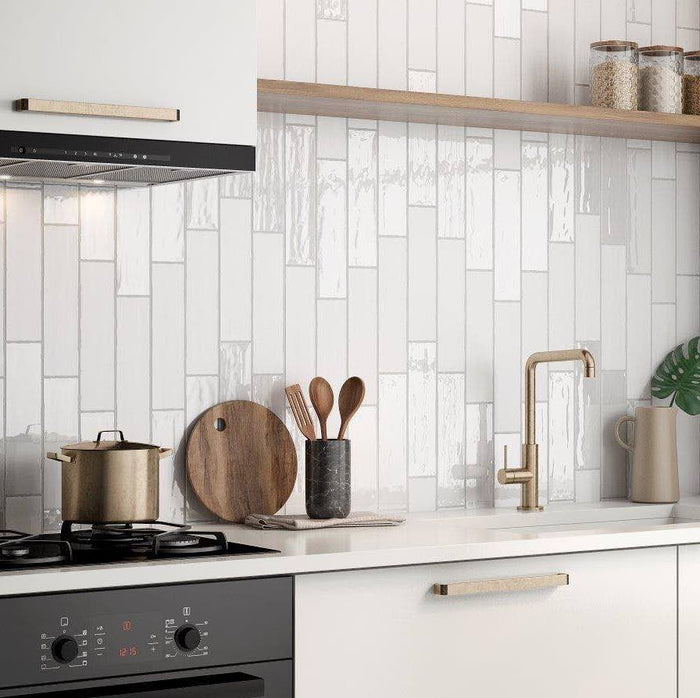
Credit: www.mineraltiles.com
Assessing Your Kitchen Wall Tiles
Before you start covering your kitchen wall tiles, it’s essential to assess their current state. This step helps you choose the right materials and methods for a smooth, long-lasting finish. Taking a careful look now can save you from headaches later.
Checking Tile Condition
Start by closely inspecting your tiles for any cracks, chips, or loose sections. Damaged tiles can cause uneven surfaces, making it hard for coverings like paint or panels to stick properly.
If you find any broken tiles, think about repairing or reinforcing them first. You don’t want your new covering to peel off or look bumpy because of hidden damage.
Also, check for mold or mildew, especially around grout lines. Cleaning these areas thoroughly before applying anything new is crucial to prevent future problems.
Measuring Wall Space
Next, measure the entire area you want to cover accurately. Use a tape measure to note the height and width of each wall section with tiles.
Write down these measurements to calculate how much material you’ll need. Whether you’re using peel-and-stick panels, wallpaper, or paint, knowing the exact size helps you avoid ordering too little or too much.
Have you considered any obstacles like outlets, switches, or cabinets? Measure around these too, so your covering fits perfectly without awkward cuts or gaps.

Credit: casacor.abril.com.br
Choosing The Right Covering Material
Choosing the right covering material is key to updating kitchen wall tiles without removing them. The material must stick well, resist moisture, and suit your kitchen style. It should be easy to install and clean. The options vary from quick fixes to more durable solutions.
Peel And Stick Tiles
Peel and stick tiles offer a simple, affordable way to cover old tiles. They come in many designs and colors. These tiles are easy to apply and remove. They work well on smooth, clean surfaces. They resist water and stains, perfect for kitchens. Ideal for renters or quick updates.
Wall Panels
Wall panels provide a solid, long-lasting covering. Made of materials like PVC or acrylic, they resist heat and moisture. Panels come in sleek or textured styles. They cover large areas quickly and hide tile grout. They need precise cutting and fitting for best results. Great for a modern, seamless look.
Wallpaper Options
Wallpaper designed for kitchens can add color and pattern over tiles. Choose vinyl or washable wallpaper for durability. It must stick well to glossy tile surfaces. Use a primer before applying to improve adhesion. Wallpaper offers endless design choices. Perfect for a budget-friendly style refresh.
Paint And Primer Choices
Painting tiles is a practical way to change their look. Use a high-adhesion primer made for tiles first. Then apply epoxy or enamel paint for durability. These paints resist moisture and cleaning chemicals. Painting requires careful surface prep and multiple coats. Ideal for a smooth, solid color finish.
Preparing The Surface
Preparing the surface is the most crucial part of covering kitchen wall tiles without removing them. If you skip or rush through this step, your new finish might peel off or look uneven. Taking the time to get your tiles ready ensures the best possible result and a longer-lasting update.
Cleaning Tiles Thoroughly
Start by scrubbing the tiles with a heavy-duty cleaner to remove grease, dirt, and grime. Kitchen tiles often have a layer of cooking residue that can stop paint or adhesive from sticking properly.
Use a sponge or scrub brush and warm soapy water, then rinse well. If you notice any stubborn stains, try a mixture of vinegar and water for extra cleaning power. Ask yourself: have you ever painted over a dirty wall? The result is never smooth or durable.
Sanding For Better Adhesion
Tiles have a glossy, smooth surface that paint or covering materials struggle to grip. Lightly sanding the tiles creates tiny scratches that help your new covering stick.
Use fine-grit sandpaper and sand each tile gently but thoroughly. You don’t want to damage the tile, just roughen the surface enough. After sanding, wipe the tiles with a damp cloth to remove dust—cleanliness matters here.
Fixing Damaged Areas
Inspect your tiles for cracks, chips, or loose grout before proceeding. Damaged spots can cause your new covering to fail or look uneven.
Fill cracks and chips with a tile filler or epoxy putty and let it dry completely. Re-grout areas where grout is missing or crumbling to create a stable surface. Taking care of these issues now saves you headaches down the line.
Applying Peel And Stick Tiles
Applying peel and stick tiles is a quick and efficient way to update your kitchen walls without the mess of removing existing tiles. These self-adhesive tiles stick directly onto your current surface, making the process less time-consuming and more budget-friendly. Before you start, planning and careful execution can make a huge difference in the final look.
Cutting And Planning Layout
Measure your wall area precisely to determine how many peel and stick tiles you’ll need. Plan the layout by placing tiles loosely on the surface to visualize patterns and avoid awkward cuts at the edges.
Use a sharp utility knife or scissors to cut tiles to fit corners or around outlets. Take your time—accurate cuts prevent gaps and uneven edges that can ruin the overall appearance.
Peeling And Sticking Tips
Peel the backing slowly to avoid the tile sticking prematurely or folding over. Start applying from the center or a corner and press firmly as you go to eliminate air bubbles.
Use a flat edge, like a credit card, to smooth out the tiles and ensure full contact with the wall. Have you noticed how some tiles seem to peel off after a few days? Pressing well during installation helps prevent that.
Sealing Edges
Once all tiles are in place, seal the edges with a clear silicone caulk or grout sealer. This step protects against moisture and dirt getting behind the tiles, which can cause them to loosen over time.
Run a thin bead along seams and wipe away excess with a damp cloth for a clean finish. Sealing edges might feel like an extra step, but it’s crucial for durability and keeping your kitchen looking fresh longer.
Installing Wall Panels
Installing wall panels over existing kitchen tiles is a smart way to refresh your space without the mess of demolition. Wall panels can instantly transform your kitchen’s look while saving time and effort. Let’s break down how to choose the right panels, mount them securely, and add the final touches for a polished finish.
Selecting Panel Types
Choosing the right panel starts with understanding your kitchen’s style and your budget. PVC panels are waterproof and easy to clean, perfect for busy kitchens. Wood-effect panels add warmth and texture, while metal or glass panels offer a modern, sleek vibe.
Think about durability too. Will the panels withstand steam and heat? Some materials handle moisture better than others, so pick something designed for kitchen environments.
Mounting Techniques
Mounting panels over tiles can be straightforward, but surface preparation matters. Clean the tiles thoroughly to remove grease and dust for better adhesion. You can use strong construction adhesive for a simple stick-on method if the surface is even.
If your wall is uneven, consider using furring strips to create a flat base. Screw the strips into the grout lines, then attach the panels to the strips. This method also allows for running wiring or adding insulation behind the panels.
Finishing Touches
Once panels are mounted, focus on sealing edges to prevent moisture from sneaking behind. Use waterproof silicone caulk around corners and seams for a clean, protected finish. Adding trim or molding can hide panel edges and give your kitchen a professional look.
Don’t forget about matching your new panels with lighting and fixtures. A well-placed light can highlight the texture and color of your panels, making the space feel inviting and complete.
Using Wallpaper Over Tiles
Using wallpaper over kitchen wall tiles is a smart way to refresh your space without the mess of removal. It saves time and avoids damage to the walls. Wallpaper adds color, patterns, and texture to your kitchen easily.
This approach works well if your tiles are smooth and clean. The key is to pick the right wallpaper and apply it carefully. Here is how to do it.
Choosing Tile-friendly Wallpaper
Select wallpaper designed for difficult surfaces like tiles. Vinyl wallpapers are best because they stick well and resist moisture. Look for washable and durable options.
Choose patterns and colors that match your kitchen style. Avoid thin or fragile paper that may tear on tiles. Thick, textured wallpaper hides tile edges better.
Applying Adhesive
Use strong adhesive made for non-porous surfaces. Wallpaper paste may not hold on tiles. Consider a clear, heavy-duty glue or double-sided wallpaper tape.
Clean tiles thoroughly before applying adhesive. Remove grease, dust, and grime. Apply glue evenly to the tile surface or wallpaper back.
Press wallpaper onto tiles firmly. Work from top to bottom to avoid air bubbles.
Smoothing And Trimming
Use a smoothing tool or a soft cloth to remove air pockets. Start from the center and push outward gently. Check edges carefully to make sure they stick well.
Trim excess wallpaper with a sharp utility knife. Cut along grout lines for a neat finish. Take your time to keep lines straight and smooth.
Allow wallpaper to dry fully before using the kitchen. This helps the adhesive set strong and prevents peeling.
Painting Tiles For A New Look
Painting kitchen wall tiles is a smart way to give your space a fresh look without the hassle of removing existing tiles. This approach saves time, cuts costs, and lets you customize your kitchen’s style instantly. With the right materials and techniques, you can transform old tiles into a sleek, modern surface that matches your vision.
Selecting Tile Paint
Choosing the right paint is crucial for a durable finish. Look for paints specifically made for tiles or high-gloss epoxy paints designed for smooth surfaces. These paints stick better and resist moisture, which is essential in a kitchen environment.
Consider color options carefully—lighter shades can brighten the room, while darker hues add drama. Have you thought about trying bold colors or soft pastels to refresh your kitchen’s mood?
Priming Tiles Properly
Tiles have a slick surface that paint struggles to grip without proper preparation. Start by cleaning the tiles thoroughly to remove grease and dirt. Use a mild detergent and let them dry completely before proceeding.
Apply a high-quality bonding primer designed for glossy surfaces. This step creates a rougher texture for the paint to hold onto. Skipping primer can lead to peeling or chipping paint, so don’t rush this part.
Applying Paint Evenly
Use a foam roller or a high-density foam brush for smooth, even coverage. Apply thin coats rather than thick layers to avoid drips and uneven texture. Let each coat dry fully before adding the next one.
Patience pays off here—multiple light coats build a stronger, more professional-looking finish. Have you noticed how a steady hand and the right tools make all the difference in your DIY projects?
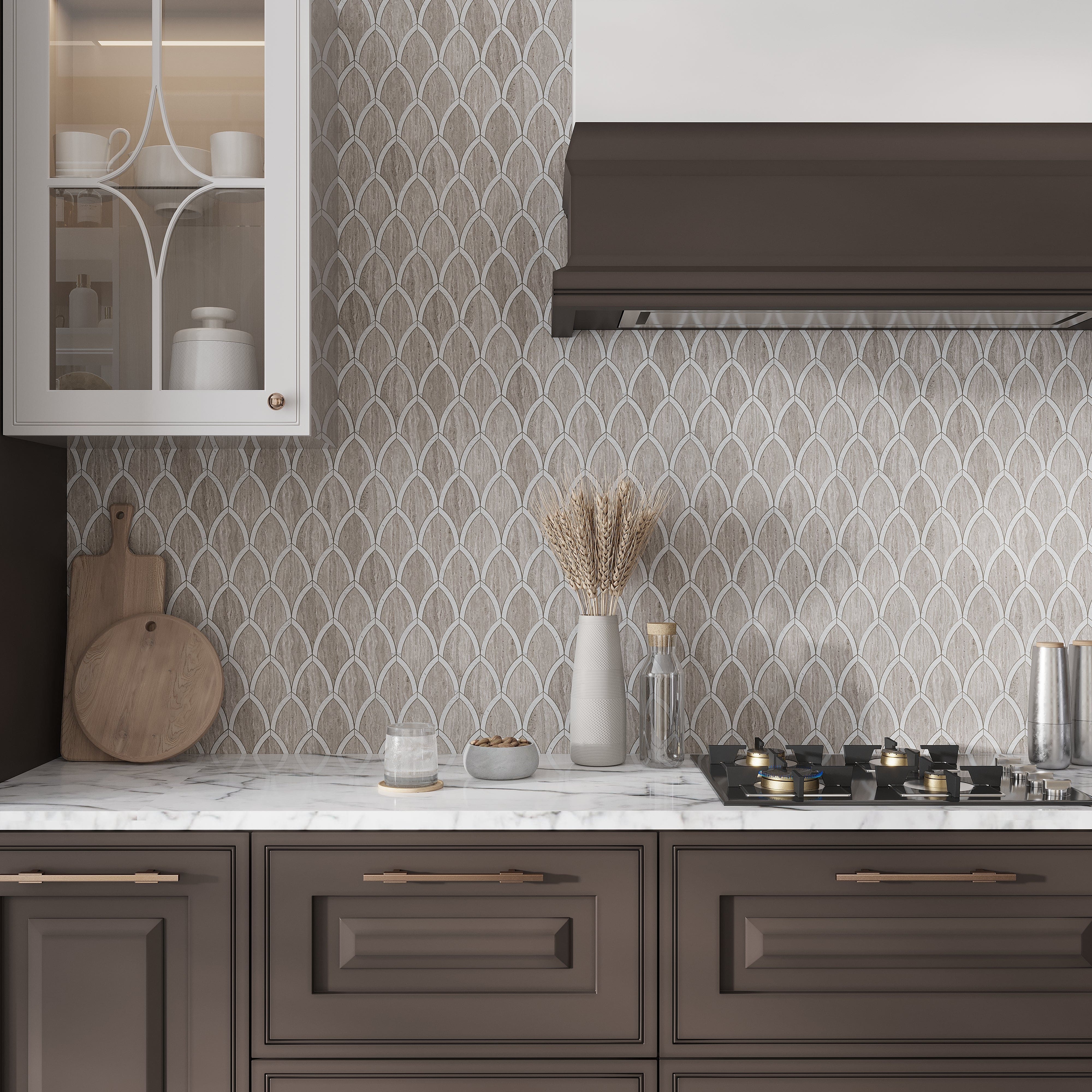
Credit: apollotile.com
Maintaining Your New Kitchen Wall Covering
After covering your kitchen wall tiles, maintaining that fresh look is key to keeping your space inviting and functional. The right care helps your new wall covering stay vibrant and intact, saving you from extra costs and hassle down the line. Let’s look at some practical ways to keep your kitchen walls looking their best.
Cleaning Tips
Regular cleaning prevents grime buildup that dulls the surface of your new wall covering. Use a soft cloth or sponge with mild soap and warm water—harsh chemicals can damage finishes or cause discoloration.
Spot clean spills immediately to avoid stains setting in. For textured or patterned coverings, a gentle brush can reach into crevices without causing wear.
Repairing Minor Damages
Small scratches or chips can happen despite your best efforts. Keep a repair kit handy that matches your wall covering’s material and color.
If you notice peeling edges or loose spots, reattach them with appropriate adhesive before moisture gets underneath. Addressing these issues quickly stops damage from spreading.
Extending Longevity
Think about how often your kitchen walls get exposed to steam or grease. Installing a vent or using a dehumidifier can reduce moisture, which helps prevent warping or mold growth.
Rotate your cleaning routine to avoid wearing out one area more than others. Changing your approach keeps the surface looking evenly fresh over time.
Have you noticed any particular spots that seem more vulnerable? Focusing your care there might extend the life of your entire wall covering.
Frequently Asked Questions
How Can I Cover Kitchen Wall Tiles Without Removal?
You can cover kitchen tiles using peel-and-stick panels, tile paint, or adhesive wallpaper. These methods are quick and less messy. They save time and avoid the hassle of tile removal, offering a fresh, modern look without construction.
Are Peel-and-stick Tiles Durable For Kitchen Walls?
Peel-and-stick tiles are generally water-resistant and easy to clean. They are durable for kitchen walls but may not last as long as traditional tiles. Proper surface preparation ensures better adhesion and longevity.
Can I Paint Over Kitchen Wall Tiles Directly?
Yes, you can paint over tiles with special tile paint. Clean and sand tiles before painting for better adhesion. Use a primer designed for glossy surfaces to ensure paint durability.
What Materials Work Best To Cover Old Kitchen Tiles?
Materials like vinyl panels, beadboard, and laminate sheets work well. They are easy to install, affordable, and provide a smooth finish. These options conceal old tiles effectively without extensive renovation.
Conclusion
Covering kitchen wall tiles without removing them saves time and effort. You can change your kitchen’s look quickly and affordably. Using paint, peel-and-stick tiles, or panels works well for many homes. Each option offers a fresh style without a big mess.
This approach suits renters and homeowners alike. Try these ideas to refresh your kitchen walls today. Small changes can make a big difference. Give your kitchen a new vibe easily and enjoy your space more.