How to Update Kitchen Wall Tiles Without Removing Them: Easy, Stunning Hacks
Are you tired of staring at the same old kitchen wall tiles every day? Do you dream of refreshing your space without the hassle and cost of tearing them down?
You’re in the right place. Updating kitchen wall tiles doesn’t have to mean a full-blown renovation. In fact, you can transform your kitchen quickly and easily without removing a single tile. Imagine walking into a kitchen that feels brand new with a fraction of the effort.
Intrigued? Keep reading to discover clever, budget-friendly techniques that will breathe new life into your kitchen walls, making them the envy of anyone who steps into your home. Ready to get started? Let’s dive in!
Refresh With Paint
Refreshing kitchen wall tiles with paint breathes new life into your space. It is a budget-friendly way to update tiles without removing them. A fresh coat of paint can change the entire look of your kitchen. This method works well for smooth, ceramic tiles and adds color or pattern easily.
Choosing The Right Tile Paint
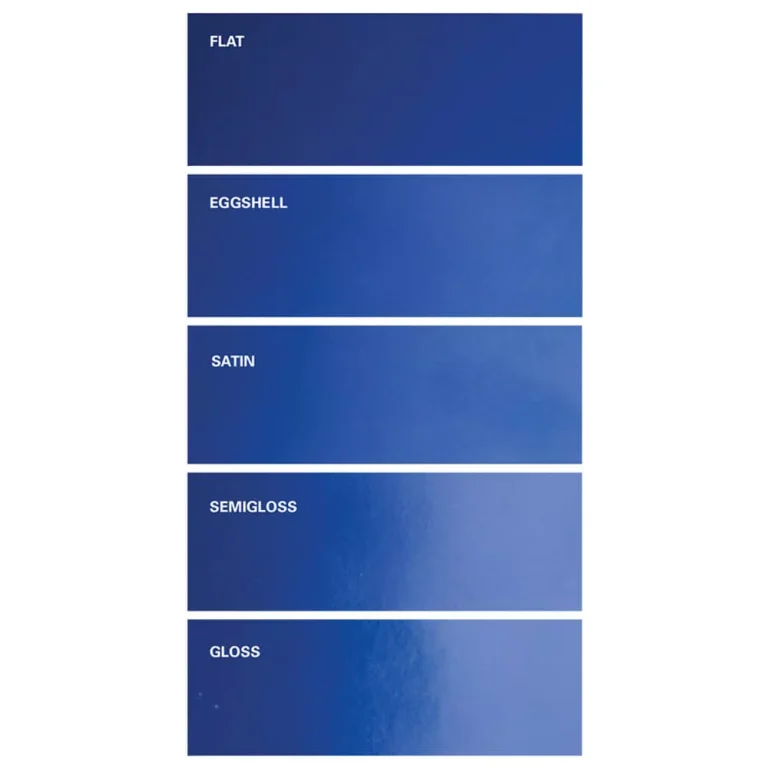
Select paint designed for tiles or bathrooms. These paints resist moisture and stick well to smooth surfaces. Epoxy or enamel paints work best for durability. Pick a finish like satin or semi-gloss for easy cleaning. Test a small tile first to check adhesion and color.
Preparing Tiles For Painting
Clean tiles thoroughly using soap and water. Remove grease, dirt, and grime to help paint stick. Lightly sand the tile surface with fine-grit sandpaper. This creates a rough texture for the paint to grip. Wipe away dust with a damp cloth. Mask edges and grout lines with painter’s tape.
Step-by-step Painting Guide
- Apply a primer made for tiles to seal the surface.
- Let the primer dry completely, usually a few hours.
- Use a small brush or roller to apply the paint evenly.
- Paint thin, smooth coats to avoid drips and bubbles.
- Allow each coat to dry fully before adding another.
- Apply 2 to 3 coats for full coverage and richness.
Sealing For Durability
Seal painted tiles to protect the finish from water and stains. Use a clear polyurethane or epoxy sealer suitable for tiles. Apply with a clean brush in thin, even layers. Let each layer dry before applying the next. Sealing extends the life of the paint and keeps tiles easy to clean.
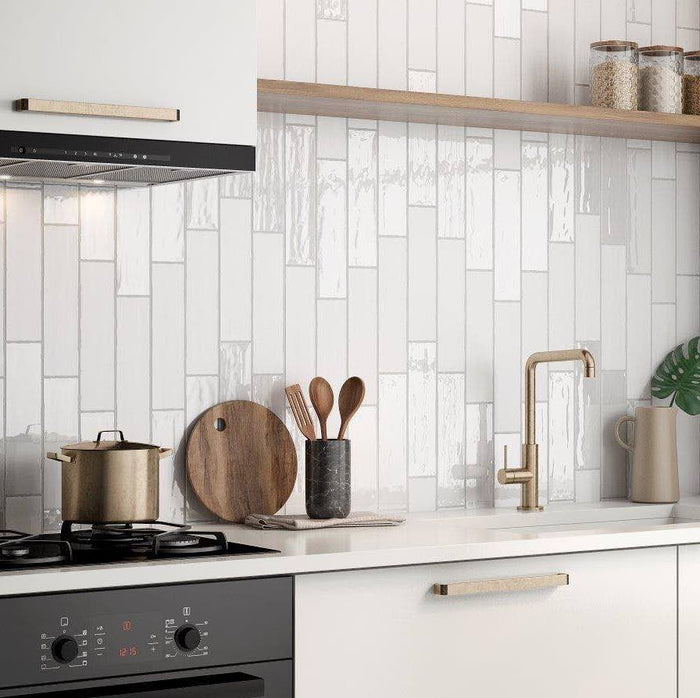
Credit: www.mineraltiles.com
Add Peel-and-stick Tiles
Adding peel-and-stick tiles is an easy way to update your kitchen wall tiles without the mess of removing old ones. These tiles offer a fresh look instantly and save you time and effort. Plus, they come in a variety of styles, so you can pick something that matches your kitchen’s vibe perfectly.
Selecting Adhesive Tile Overlays
Choose peel-and-stick tiles designed specifically for kitchen walls to ensure durability and water resistance. Look for options with strong adhesive backing that won’t peel off easily, especially in areas exposed to steam or grease.
Consider the tile material too—vinyl and gel are flexible and easy to cut, while metal or glass overlays add a sleek, modern touch. Do you want a bold pattern or something subtle? Your choice will impact the overall feel of your kitchen.
Surface Preparation Tips
Make sure your existing tiles are clean and dry before applying the new overlays. Use a mild detergent to remove grease and dirt, then wipe with rubbing alcohol to ensure the surface is free from residue.
Check for loose or cracked tiles and repair them first; peel-and-stick tiles won’t adhere well to unstable surfaces. A smooth, flat wall helps the new tiles stick better and look more professional.
Applying Peel-and-stick Tiles Smoothly
Start by peeling off the backing carefully without touching the adhesive side too much. Align the tile precisely to avoid gaps or uneven edges—taking your time here makes a big difference.
Press firmly from the center outward to remove air bubbles and ensure a tight bond. If you need to cut tiles for edges or corners, use a sharp utility knife or scissors for clean lines.
Have you ever tried a DIY update that looked better than expected? Applying these tiles can give you that same rewarding feeling, transforming your kitchen with minimal hassle.
Use Decorative Decals
Updating your kitchen wall tiles doesn’t always mean tearing them out. Decorative decals offer a quick, affordable way to transform your space without the mess or cost of a full renovation. These decals stick right onto your existing tiles, giving you fresh style in just a few simple steps.
Types Of Tile Decals
There are various tile decals designed to suit different styles and needs. Some popular types include:
- Vinyl decals:Waterproof and easy to clean, perfect for kitchen use.
- Peel-and-stick tiles:These mimic real tile textures and come in many colors and patterns.
- Custom printed decals:Allow you to add personalized designs or photos to your tiles.
Choosing the right type depends on your kitchen’s moisture levels and the look you want to achieve.
Application Techniques
Applying decals properly makes all the difference. Start by cleaning your tiles thoroughly to remove grease and dirt.
Measure and mark where each decal will go to keep your design aligned. Slowly peel off the backing and press the decal firmly onto the tile.
Use a squeegee or a flat edge to smooth out air bubbles. Patience here pays off, as a smooth finish looks much more professional.
Combining Decals For Custom Looks
Why settle for a single pattern when you can mix and match? Try combining different decal types or colors to create a unique backsplash or accent wall.
For example, pair solid color decals with patterned ones to add depth without overwhelming the space. You can even create geometric shapes by cutting decals into smaller pieces.
Think about your kitchen’s overall theme and experiment with various combinations. What kind of style would make your kitchen feel more like you?

Credit: casacor.abril.com.br
Install Tile Stickers
Updating your kitchen wall tiles can feel like a huge project, especially if the thought of ripping them out is daunting. Tile stickers offer a clever alternative that lets you refresh your space without the mess and cost of removing old tiles. They’re easy to apply and can instantly change the look of your kitchen walls.
Benefits Of Tile Stickers
Tile stickers are budget-friendly and save you time. Unlike re-tiling, you don’t need special tools or professional help. You can do it yourself over a weekend, even if you’re not a DIY expert.
They’re also versatile. Whether your tiles are plain or outdated, stickers can cover imperfections and give your kitchen a new style. Plus, they’re removable, so you can change your design anytime without damaging the original tiles.
Choosing Patterns And Colors
Think about the mood you want in your kitchen. Do you prefer something bold and modern or subtle and classic? Tile stickers come in countless patterns—from geometric shapes to floral prints—that can match your taste perfectly.
Consider the size of your kitchen too. Lighter colors and smaller patterns can make a small space feel bigger. Darker or more intricate designs work well in larger kitchens where they won’t overwhelm the room.
Maintaining Tile Stickers
Keeping your tile stickers looking fresh is simple. Clean them regularly with a soft cloth and mild soap to avoid buildup of grease or dust. Avoid abrasive cleaners that can scratch or peel the stickers.
If you notice any edges lifting, gently press them back down or use a little clear adhesive to secure them. With proper care, your kitchen can maintain its updated look for years.
Apply Grout Paint Or Stain
Applying grout paint or stain is a simple way to refresh kitchen wall tiles. It changes grout color without removing tiles. This method brightens the space and hides stains or discoloration. It also protects grout from dirt and moisture. The process is quick and cost-effective, ideal for minor updates.
When To Use Grout Paint
Use grout paint if grout looks dirty or faded. It works well for small cracks or discoloration. Choose this option when tiles are in good shape. Avoid grout paint if grout is crumbling or missing. In such cases, repair or replace grout first.
Color Options For Grout
Grout paint comes in many colors. Common choices include white, gray, and beige. Dark colors like black or charcoal create contrast. Light colors make the space look bigger and cleaner. Pick a color that matches or contrasts with tiles. Test a small area before full application.
Applying Grout Paint Safely
- Clean grout thoroughly before painting.
- Use painter’s tape to protect tiles.
- Wear gloves to avoid skin contact.
- Apply grout paint with a small brush.
- Allow paint to dry fully between coats.
- Ventilate the room well during and after application.
- Follow manufacturer instructions carefully.
Add A Tile Overlay
Adding a tile overlay is an excellent way to refresh your kitchen walls without the hassle of removing old tiles. This method lets you create a new look quickly, saving time and effort. By installing a thin layer of new tiles or panels directly over existing ones, you can transform your kitchen’s style efficiently.
Materials For Overlays
You can choose from a variety of materials depending on your style and budget. Popular options include:
- Thin porcelain or ceramic tiles:These are lightweight and durable, ideal for a classic tiled look.
- Peel-and-stick vinyl tiles:Easy to apply and great for a quick update with minimal mess.
- Glass tile sheets:These offer a modern, glossy finish and reflect light well.
- Laminate panels:These come in various patterns and are simple to clean.
Choosing the right material depends on your desired finish and how much wear your kitchen walls endure daily.
Installation Process
Start by cleaning the existing tiles thoroughly to ensure good adhesion. Any grease or dirt can cause the overlay to peel off later.
Next, use a high-quality adhesive designed for tile overlays. Apply it evenly on the back of the new tiles or panels.
Press the overlay firmly onto the existing tiles, making sure to align everything carefully. Use spacers if necessary to maintain even gaps.
Once installed, allow the adhesive to cure fully before using the kitchen. Finally, seal the edges with waterproof caulk to protect against moisture.
Pros And Cons Of Overlays
| Pros | Cons |
|---|---|
|
|
Think about how much time you want to spend on your project versus how long you want the update to last. Would you prefer a quick fix or a long-term solution? This choice can guide whether a tile overlay is right for your kitchen.
Use Fabric Or Wallpaper
Updating your kitchen wall tiles without the hassle of removing them can be both creative and cost-effective. Using fabric or wallpaper is a brilliant way to refresh your space quickly. It adds color, texture, and personality while protecting the existing tiles underneath.
Choosing Water-resistant Materials
Since kitchens are prone to moisture and spills, selecting water-resistant fabric or wallpaper is crucial. Vinyl wallpaper or laminated fabrics work best because they repel water and resist stains. Avoid regular paper or cotton fabrics that can soak up moisture and peel off over time.
Think about the colors and patterns that match your kitchen’s style. Bold prints can brighten up dull tile walls, while subtle textures add warmth without overwhelming the space.
Adhering Fabric Or Wallpaper To Tiles
Tiles have a smooth surface, so regular glue may not hold well. Use a strong adhesive designed for non-porous surfaces, such as a heavy-duty wallpaper paste or fabric glue made for vinyl. Applying a primer to the tiles first can improve adhesion.
Make sure to clean the tile surface thoroughly before you start. Any dirt or grease will prevent the glue from sticking properly. Press the fabric or wallpaper firmly and smooth out air bubbles as you go.
Protecting The Surface
Once your fabric or wallpaper is in place, seal it with a clear, water-resistant topcoat to extend its life. A polyurethane or acrylic sealer can protect against moisture, stains, and wear from kitchen activities.
This extra layer also makes cleaning easier—you can wipe down the walls without worrying about damaging your new look. Would you try this method to update your kitchen walls without the mess of demolition?
Credit: www.lemon8-app.com
Accessorize With Shelves And Hooks
Accessorizing kitchen walls with shelves and hooks offers a fresh look without removing tiles. This simple update adds function and style at the same time. Shelves bring extra storage space, while hooks keep everyday items easy to reach. These small changes brighten the kitchen and make it more organized.
Creative Storage Options
Use floating shelves to display jars, plants, or cookbooks. Wire baskets mounted on shelves hold utensils or spices. Magnetic strips can store knives or metal tools. Pegboards with hooks offer flexible hanging spots. Small racks keep cutting boards or trays upright.
Placement Ideas On Tile Walls
Place shelves above countertops for quick access. Hooks under cabinets hold mugs or towels. Corners offer unused space for angled shelves. Near the stove, hang pots and pans. Near the sink, hooks hold dishcloths or brushes.
Securing Fixtures Safely
Use adhesive hooks designed for tile surfaces. Drill holes with a tile bit for anchors. Avoid heavy loads to prevent damage. Check weight limits on all fixtures. Seal drilled holes with silicone to stop water damage.
Frequently Asked Questions
How Can I Refresh Kitchen Tiles Without Removal?
You can refresh kitchen tiles by painting them with tile-specific paint. Clean tiles thoroughly, apply primer, then paint. This method saves time and money while giving your kitchen a fresh look without the mess of removal.
What Materials Are Needed To Update Tiles Easily?
You’ll need tile cleaner, primer, tile paint, painter’s tape, and brushes or rollers. These materials prepare and coat the tiles efficiently. Using the right products ensures durability and a professional finish on your kitchen wall tiles.
Is It Safe To Paint Kitchen Wall Tiles?
Yes, painting kitchen wall tiles is safe if you use non-toxic, heat-resistant paint. Proper ventilation during application is important. This method avoids dust and debris from tile removal, making it a cleaner and safer update option.
How Long Does Tile Painting Last In Kitchens?
With proper preparation and quality paint, tile painting can last 5 to 10 years. Regular cleaning and avoiding harsh chemicals extend the finish. This makes painting a durable and cost-effective way to update kitchen tiles without removal.
Conclusion
Updating kitchen wall tiles without removing them saves time and effort. Paint, peel-and-stick tiles, or decals offer fresh looks quickly. These options keep your kitchen clean and usable during the update. Small changes can make a big difference in style and feel.
Try one method or combine a few for a unique touch. Enjoy your renewed kitchen space without the mess or cost of full tile removal. Simple updates can bring new life to your walls today.