How to Clean Kitchen Wall Tile Grout: Easy Steps for Sparkling Results
Imagine walking into your kitchen and being greeted by a spotless, gleaming space that feels inviting and fresh. Now, imagine that same kitchen with dull, grimy grout lines that steal the spotlight for all the wrong reasons.
It’s a scene we all want to avoid, yet maintaining clean kitchen wall tile grout can feel like an uphill battle. But what if you could easily transform those stubborn lines into crisp, clean ones with just a few steps?
You’re not alone in wanting to restore your kitchen’s sparkle, and the good news is, it’s simpler than you think. Dive into this guide to discover how you can effortlessly revitalize your kitchen wall tile grout, leaving your space looking like new and making you feel proud of your culinary haven once again.

Credit: food52.com
Tools And Materials Needed
Cleaning kitchen wall tile grout requires a few specific tools and materials to get the job done effectively. Having the right supplies on hand can save you time and effort while ensuring your grout looks fresh and clean. Let’s look at what you’ll need to tackle this task efficiently.
Essential Cleaning Supplies
- Grout Brush or Old Toothbrush:A stiff-bristled brush helps scrub away dirt and stains without damaging the grout.
- Bucket:Use it to mix your cleaning solution and rinse your tools.
- Cleaning Cloths or Sponges:For wiping away residue and drying the tiles after cleaning.
- Protective Gloves:These protect your hands from harsh chemicals and keep your skin safe.
- Spray Bottle:Handy for applying cleaning solutions evenly on grout lines.
- Grout Cleaner or Mild Detergent:Choose a cleaner designed specifically for grout or a gentle dish soap to avoid damage.
Having these supplies ready makes the cleaning process smoother. I once tried scrubbing grout with just a cloth, and it took forever and barely worked. Using a grout brush changed everything—it reached those tight spots and removed grime much faster.
Optional Natural Ingredients
- Baking Soda:A gentle abrasive that helps lift stains without harsh chemicals.
- White Vinegar:Great for cutting through grease and mildew, but use it carefully as it can erode grout if overused.
- Lemon Juice:Adds a fresh scent and helps brighten grout naturally.
- Hydrogen Peroxide:Effective for whitening grout and killing bacteria.
Have you ever wondered if natural ingredients can replace store-bought cleaners? Many find that mixing baking soda with water to create a paste works wonders. Adding a splash of vinegar can boost the cleaning power but test it on a small area first to avoid damage. Experimenting with these options lets you control what touches your kitchen walls and can save money too.
Preparing The Area
Preparing the area is the first important step before cleaning kitchen wall tile grout. This makes the task easier and keeps the space safe and clean. Taking time to set up the area helps avoid mess and protects your belongings. Follow these simple tips to get started.
Clear The Kitchen Wall
Remove all items from the kitchen wall. Take down decorations, hooks, or kitchen tools. Clear shelves and wipe off any dust. This gives you full access to the tiles and grout. It also prevents damage to your belongings during cleaning.
Ventilate The Space
Open windows and doors to let fresh air in. Use a fan if you have one to increase airflow. Good ventilation helps to clear out fumes from cleaning products. It also keeps the air fresh and prevents irritation to your eyes and skin.
Initial Cleaning Steps
Cleaning kitchen wall tile grout starts with some simple but important initial steps. These prepare the surface and make the deep cleaning more effective. Skipping these can leave dirt trapped and reduce the impact of your cleaning solution.
Remove Surface Dirt
Begin by wiping down the tiles and grout with a dry cloth or a soft brush. This clears away loose dust, crumbs, and any surface grime that could block your cleaner from reaching the grout.
If you notice stubborn spots, try using a vacuum with a brush attachment. This can pull out dirt stuck in the tiny grooves, especially in older grout lines that have collected years of buildup.
Have you ever cleaned grout only to see it still look dull afterward? Removing this surface dirt first helps prevent that frustrating outcome.
Apply Cleaning Solution
Next, select a cleaning solution suited for grout. You can use a store-bought grout cleaner or a homemade mix like baking soda and vinegar.
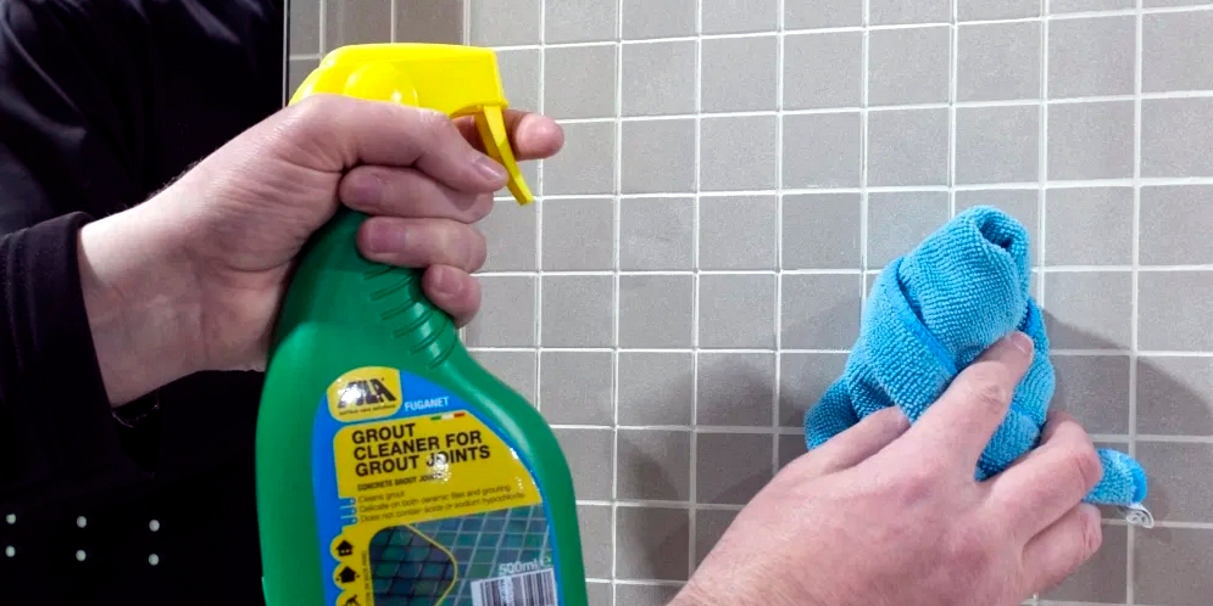
Apply the solution directly onto the grout lines using a spray bottle or a small brush. This targets the grime without wasting product on the tiles themselves.
Let the solution sit for 5 to 10 minutes. This gives it time to break down grease, stains, and mildew. Resist the urge to scrub immediately; patience here really pays off in the final result.

Credit: www.youtube.com
Deep Cleaning Techniques
Deep cleaning kitchen wall tile grout removes stubborn dirt and stains. It refreshes the look of your kitchen walls. Regular cleaning might not reach deep grime in grout lines. Using the right techniques helps maintain cleanliness and hygiene.
These methods restore grout’s original color and prevent mold growth. Prepare to make your grout look almost new again with simple tools.
Scrubbing The Grout
Start by applying a grout cleaner or a baking soda paste. Spread it evenly over the grout lines. Let it sit for 5 to 10 minutes to loosen dirt. Use firm pressure to scrub the grout thoroughly.
Focus on stained or discolored areas. Rinse with warm water to remove residue. Repeat if necessary to achieve a deeper clean. Avoid harsh scrubbing to prevent grout damage.
Using A Toothbrush Or Grout Brush
Choose a stiff-bristled toothbrush or a specialized grout brush. These tools reach narrow grout lines easily. Dip the brush in cleaning solution before scrubbing. Use small circular motions for better dirt removal.
Brush all grout lines one by one. Rinse the brush often to avoid spreading dirt. This method targets tough grime and mold buildup. It helps keep grout clean without chemicals.
Dealing With Stubborn Stains
Stubborn stains on kitchen wall tile grout can be a real headache. These marks often come from grease, food splatters, or mold, and they don’t respond well to quick wipes. Tackling them requires a bit more effort, but with the right approach, you can restore your grout’s fresh look without harsh chemicals.
Using Baking Soda Paste
Baking soda is a powerful yet gentle cleaner that works wonders on grout stains. Mix baking soda with a little water to create a thick paste, then apply it directly onto the stained grout lines. Let it sit for 10 to 15 minutes to break down the grime.
After waiting, scrub the grout with a toothbrush or small brush using circular motions. You’ll notice the paste turning gray as it lifts dirt away. Rinse the area with warm water and wipe dry. If some stains remain, repeat the process until your grout looks clean.
Applying Vinegar Or Hydrogen Peroxide
Both vinegar and hydrogen peroxide are excellent for tackling tough grout stains due to their natural bleaching and disinfecting properties. Spray or dab either liquid onto the grout and leave it to work for about 5 to 10 minutes.
Use a stiff brush to scrub the grout, focusing on the stained spots. Vinegar works well on mildew and mold, while hydrogen peroxide is great for whitening and removing organic stains. Rinse thoroughly and dry the tiles.
Have you tried mixing these two? Be cautious—mixing vinegar and hydrogen peroxide can create a strong reaction, so use them separately. Which one do you think would be easier to find in your kitchen right now?

Credit: www.tilemountain.co.uk
Rinsing And Drying
Rinsing and drying are important steps after cleaning kitchen wall tile grout. Proper rinsing removes leftover cleaner and dirt. Drying prevents mold and mildew from forming on grout lines. These steps keep your kitchen tiles fresh and clean for longer.
Wiping Off Residue
Use a clean, damp cloth or sponge to wipe the grout. Start from the top and work downwards. This removes cleaning solution and loosened dirt. Rinse the cloth often to avoid spreading grime. Repeat wiping until no cleaner remains on the grout.
Ensuring Proper Dryness
Dry the grout with a soft towel or microfiber cloth. Press gently to soak up moisture without damaging the grout. Leave tiles to air dry fully before using the kitchen. Good airflow helps speed up drying and stops mold growth. Avoid heavy scrubbing that can weaken grout during drying.
Preventing Future Grime
Keeping kitchen wall tile grout clean can be a challenge. Dirt and moisture easily settle into the grout lines. Preventing grime from building up saves time and effort later. Simple habits and protective steps keep grout looking fresh and new.
Sealing The Grout
Sealing grout creates a barrier that repels water and stains. Use a high-quality grout sealer designed for kitchen use. Apply the sealer evenly with a brush or applicator. Allow it to dry fully before exposing the grout to water. Reapply the sealer every six to twelve months. This step reduces dirt absorption and keeps grout cleaner longer.
Regular Maintenance Tips
- Wipe tiles and grout with a damp cloth daily.
- Use mild soap or a gentle cleaner for weekly cleaning.
- Avoid harsh chemicals that can damage grout.
- Dry grout lines after cleaning to prevent mold growth.
- Clean spills immediately to stop stains from setting.
- Use a soft brush to scrub grout gently when needed.
Consistent care prevents grime buildup and extends grout life. Small efforts keep kitchen walls bright and inviting.
Frequently Asked Questions
How Do I Clean Kitchen Wall Tile Grout Effectively?
To clean kitchen wall tile grout, use a baking soda paste and vinegar spray. Scrub gently with a brush, then rinse with water. This method removes dirt and stains safely and restores grout’s original color without harsh chemicals.
What Homemade Solution Works Best For Grout Cleaning?
A mix of baking soda and white vinegar forms an effective homemade grout cleaner. Apply the paste, spray vinegar, scrub with a brush, and rinse. This natural solution kills mold and removes grime, making grout look fresh and clean.
How Often Should I Clean Kitchen Tile Grout?
Clean kitchen tile grout at least once a month to prevent mold and stains. Regular cleaning maintains grout’s appearance and hygiene. More frequent cleaning may be needed in high-use or damp areas to avoid buildup.
Can Grout Be Cleaned Without Harsh Chemicals?
Yes, grout can be cleaned using natural ingredients like baking soda, vinegar, and lemon juice. These alternatives effectively remove stains and disinfect grout without toxic effects, making them safe for kitchens and families.
Conclusion
Cleaning kitchen wall tile grout does not have to be hard. Use simple ingredients like baking soda and vinegar for good results. Scrub gently but firmly to remove dirt and stains. Regular cleaning keeps grout looking fresh and bright. Avoid harsh chemicals to protect your tiles and health.
A clean kitchen feels more inviting and safe. Keep these easy steps in mind to maintain your grout well. Your kitchen will look neat and welcoming every day. Small efforts bring big changes.