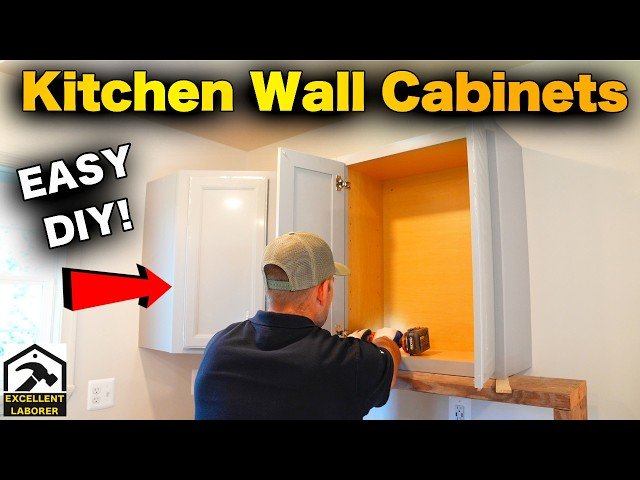
How to Put Up Kitchen Wall Units: Easy Steps for Perfect Installation
Are you tired of cluttered countertops and chaotic kitchen spaces? Imagine transforming your kitchen into a more organized and stylish haven by simply installing wall units.
This guide will show you how to put up kitchen wall units with ease, even if you’re not a seasoned DIY enthusiast. You’ll discover step-by-step instructions that make the process straightforward, ensuring you achieve a professional look without the hefty price tag.
As you read on, you’ll find practical tips and insights that can save you time and prevent common mistakes. Get ready to unlock the full potential of your kitchen space and enjoy the satisfaction of a job well done.
Tools And Materials Needed
Before you start putting up kitchen wall units, gathering the right tools and materials can save you time and frustration. Having everything at hand allows you to focus on the installation itself without constant interruptions. What tools do you think are absolutely necessary for a smooth, safe job?
Essential Tools
- Drill and Drill Bits:A power drill is crucial for making holes in your wall to fix the units securely. Use a variety of drill bits for different wall types like drywall or brick.
- Stud Finder:This tool helps you locate the wooden studs behind your walls, ensuring the units are anchored properly and can hold weight.
- Spirit Level:Keeping your cabinets level is vital for both appearance and function. A spirit level helps you check this easily.
- Measuring Tape:Accurate measurements prevent mistakes and wasted effort. Measure twice before marking your drill points.
- Screwdrivers:Both flathead and Phillips screwdrivers come in handy for tightening screws and adjusting fittings.
- Hammer:Useful for light tapping and securing anchors if needed.
- Pencil or Marker:For marking drill points and alignment guides on your walls.
Required Materials
- Wall Units:Choose units that fit your kitchen space and style. Check the manufacturer’s instructions for weight limits and mounting recommendations.
- Screws and Wall Anchors:Use heavy-duty screws and appropriate anchors for your wall type. They ensure the units stay fixed and safe.
- Brackets or Mounting Plates:Some wall units come with specific brackets; make sure you have them ready for secure installation.
- Protective Gear:Safety glasses and gloves protect you from dust and sharp edges.
- Cleaning Cloth:Keep a cloth handy to wipe dust off surfaces before fixing the units.

Credit: www.create-enjoy.com
Preparing The Kitchen Wall
Preparing your kitchen wall correctly is the foundation for safely and securely installing wall units. It ensures your cabinets will stay in place and hold the weight of your kitchen essentials without any issues. Taking the time to prepare the wall means fewer problems down the road and a smoother installation process.
Measuring And Marking
Start by measuring the height where you want your wall units to hang. Most kitchens have a standard height for upper cabinets, typically around 54 inches from the floor, but adjust this based on your countertop height and personal preferences.
Use a pencil and a level to draw a straight, horizontal line across the wall. This line will guide you during installation and help keep your cabinets perfectly aligned. Don’t rush this step—any mistake here means crooked cabinets.
Mark the width and spacing of each unit on the wall to visualize how they will fit together. This helps you avoid surprises and allows you to spot any potential fitting issues before you start drilling.
Locating Wall Studs
Wall studs provide the strongest support for your kitchen units. You need to find them before mounting anything heavy. Grab a stud finder and slowly move it along the wall; it will beep or light up when it detects a stud.
Once you find a stud, mark its position clearly on your measurement line. Check for multiple studs since most cabinets require at least two points of support to hold their weight.
If you can’t locate studs where you want to place your units, consider using heavy-duty wall anchors designed for drywall. However, studs are always the safest bet, especially for heavy kitchen items.
Choosing The Right Wall Units
Choosing the right wall units for your kitchen is key to creating a functional and stylish space. These units store your kitchen essentials and enhance the room’s look. Picking units that fit your needs and taste makes cooking easier and keeps your kitchen organized.
Types Of Wall Units
Wall units come in different types to suit various needs. Some common types include:
- Open shelves:Easy access and display for dishes or cookbooks.
- Closed cabinets:Hide clutter and protect items from dust.
- Glass-door units:Show off beautiful dishware while keeping them clean.
- Corner units:Maximize space in hard-to-reach corners.
Choosing the right type depends on your storage needs and kitchen style.
Selecting Size And Style
Measure your wall space carefully before buying units. Size must fit the available space without crowding.
Consider the style that matches your kitchen décor. Modern kitchens suit sleek, simple units. Traditional kitchens look great with detailed, classic units.
Think about color and finish too. Light colors make a kitchen feel bigger. Dark colors add warmth and richness.
Installing Support Rails
Installing support rails is a crucial part of putting up kitchen wall units. These rails bear the weight of your cabinets, keeping them secure and stable. If you miss this step or do it poorly, your units might sag or even fall, which can cause damage and safety hazards.
Mounting The Rail
Start by choosing a sturdy rail, often made of metal or strong wood. Locate the wall studs with a stud finder, as these provide the best anchoring points. Mark the rail position across the studs at the desired height of your wall units.
Use a drill to attach the rail firmly into the studs with screws designed for heavy loads. Avoid just screwing into drywall, as it won’t support the cabinet weight. Double-check that each screw is tight to prevent any future loosening.
Ensuring Level Alignment
Before securing the rail completely, use a spirit level to check its alignment. A slightly off-level rail will make your cabinets hang crooked, which looks bad and affects door operation. Adjust the rail as needed until it’s perfectly horizontal.
It helps to ask someone to hold the level while you make small adjustments. Once level, secure all screws tightly and re-check. This attention to detail saves you from headaches later on.
Mounting The Wall Units
Mounting kitchen wall units requires care and precision for a secure fit. Proper mounting keeps the units stable and safe. It also ensures the kitchen looks neat and organized. Follow clear steps to lift, position, and secure the units firmly on the wall.
Lifting And Positioning
Lift the wall unit carefully to avoid damage. Use both hands to hold the unit steady. Position the unit at the marked spot on the wall. Check if it aligns well with other units and kitchen features. Use a level tool to confirm it is straight horizontally.
Securing Units To Wall
Locate wall studs using a stud finder for strong support. Mark the stud positions inside the unit for screw placement. Use appropriate screws and wall plugs for the wall type. Drill pilot holes through the unit’s back panel at marked points. Screw the unit tightly to the wall, ensuring no movement. Double-check the unit remains level after securing.

Credit: www.reddit.com
Adjusting And Aligning Units
Adjusting and aligning your kitchen wall units is a crucial step to ensure they look professional and function properly. Even a small misalignment can cause doors to hang unevenly or make shelves unstable. Taking the time to carefully check and adjust each unit will save you headaches down the road.
Checking For Level And Plumb
Start by using a spirit level to check if your wall units are perfectly level from side to side. Place the level on top of each unit and look for any gaps or bubbles that indicate unevenness. Don’t forget to check if the units are plumb—meaning perfectly vertical—by holding the level against the sides.
If you find the unit isn’t level or plumb, you might need to adjust the fixing points or add shims behind the unit. This is especially common if your walls aren’t perfectly flat. Remember, even a small tilt can affect the doors and shelves, so take your time here.
Making Final Adjustments
Once the units are hung roughly level and plumb, fine-tune the alignment by adjusting the mounting brackets or screws. Slightly loosening screws allows you to nudge the unit into the perfect position before tightening them again.
Check door gaps and handles to ensure they line up evenly across all units. Uneven spacing can ruin the overall look of your kitchen. If a door swings open or closed on its own, adjust the hinges until it sits correctly.
Have you noticed some units seem trickier to align than others? It’s normal. Sometimes, working on one unit affects the alignment of adjacent ones, so go back and forth until everything fits together seamlessly.
Finishing Touches
Finishing touches bring your kitchen wall units to life. They improve both look and function. These final steps make sure your units fit perfectly in your space. Small details create a polished and tidy appearance. Focus on installing hardware and cleaning for a flawless finish.
Installing Handles And Doors
Attach handles carefully to avoid damaging the doors. Use a drill and screws that fit the hardware. Align handles evenly for a neat look. Hang doors on hinges with steady hands. Check that doors open and close smoothly. Adjust hinges if doors feel loose or tight.
Sealing And Cleaning
Seal edges to protect against moisture and dirt. Use silicone or a suitable sealant for kitchen walls. Wipe off excess sealant before it dries. Clean all surfaces with a soft cloth and mild cleaner. Remove dust, fingerprints, and smudges gently. Let everything dry fully before use.

Credit: penniesforafortune.com
Safety Tips And Common Mistakes
Putting up kitchen wall units can transform your space, but safety is key to avoid accidents and costly errors. Knowing the common mistakes helps you stay on track and protect your walls, cabinets, and yourself. Let’s focus on practical safety tips that keep your installation smooth and secure.
Avoiding Damage
One of the biggest risks is damaging your walls or cabinets during installation. Always check the wall type before drilling—drywall, brick, or plaster each needs different anchors. Using the wrong fixings can cause the unit to fall or create large holes that need repair.
Mark your drill points carefully. I once rushed this step and ended up with uneven cabinets that made cooking feel off-balance. Use a level and pencil to ensure precision.
Don’t forget to protect your cabinets. Place soft cloths or cardboard underneath when positioning them to avoid scratches or dents.
Ensuring Secure Installation
Secure installation means your units won’t shift or fall under weight. Always locate and fix into wall studs rather than just drywall. If you can’t find studs, use heavy-duty wall anchors designed for your wall type.
Double-check the weight your wall units will carry. Overloading is a common mistake that leads to failure. Distribute heavy items evenly or consider additional supports.
- Use a stud finder to locate strong points in the wall.
- Tighten all screws firmly but avoid over-tightening to prevent wood damage.
- Test the unit’s stability before loading it with kitchenware.
Have you tested your installation with a gentle shake? It’s a simple way to catch loose fittings early.
Frequently Asked Questions
How Do I Measure Wall Units For My Kitchen?
Measure the wall length and height accurately. Note any obstructions like windows or switches. This ensures units fit perfectly and align well.
What Tools Are Needed To Install Kitchen Wall Units?
You need a drill, screwdriver, spirit level, tape measure, pencil, and wall plugs. These tools help secure units safely and straight.
How High Should Kitchen Wall Units Be Installed?
Typically, install wall units 54 to 60 inches from the floor. This height balances accessibility and maximizes storage space efficiently.
Can I Install Kitchen Wall Units On Drywall?
Yes, but use appropriate wall anchors or locate studs. Proper support prevents units from falling and protects your wall.
Conclusion
Putting up kitchen wall units can be simple and quick. Plan carefully and measure twice before starting. Use the right tools and strong anchors for safety. Take your time and follow each step closely. A well-installed unit looks neat and lasts longer.
Enjoy your new kitchen space with more storage. Small effort brings big changes to your kitchen’s look. Try this project to improve your home today.