How to Choose Kitchen Wall Tiles: Expert Tips for Perfect Style
Choosing the perfect kitchen wall tiles can feel like a daunting task. With so many options available, how do you decide which ones will truly transform your kitchen into a stylish and functional space?
The right tiles can make a world of difference, adding character and charm while protecting your walls from splashes and spills. You might be wondering how to balance aesthetics with practicality. Don’t worry, you’re not alone! In this guide, we’ll walk you through the essential steps to make the best choice for your kitchen.
Get ready to uncover the secrets to selecting tiles that reflect your style and meet your needs. Keep reading to discover how you can turn your kitchen into the heart of your home with the right wall tiles.
Tile Materials
Choosing the right tile material affects your kitchen’s look and durability. Each material offers unique qualities. Consider your kitchen’s style, use, and cleaning needs before deciding. Here are common tile materials to explore.
Ceramic Tiles
Ceramic tiles are popular and affordable. They come in many colors and patterns. These tiles resist moisture well, making them good for kitchen walls. They are easy to cut and install. Ceramic tiles need sealing to prevent stains.
Porcelain Tiles
Porcelain tiles are denser and stronger than ceramic. They handle heat, moisture, and stains better. These tiles work well for busy kitchens. Porcelain tiles have a smooth, sleek finish. They often look like natural stone or wood.
Glass Tiles
Glass tiles add brightness and shine to kitchen walls. They reflect light, making the space feel larger. Glass tiles resist stains and water easily. They come in many colors and shapes. Cleaning glass tiles is simple but requires gentle care.
Natural Stone Tiles
Natural stone tiles bring a classic, earthy look. Popular stones include marble, granite, and slate. Stone tiles are durable but need regular sealing. They can show stains and scratches if not cared for. Natural stone adds texture and warmth to kitchens.
Tile Size And Shape
Choosing the right tile size and shape can dramatically affect your kitchen’s look and feel. These decisions influence the space’s perception—making it feel bigger, cozier, or more modern. Let’s break down how different sizes and shapes work and what might suit your kitchen best.
Small Vs Large Tiles
Small tiles can add intricate detail and texture to your walls. They work well in tight spaces or on backsplashes where you want a bit of visual interest. However, they require more grout lines, which means more cleaning and maintenance.
Large tiles create a sleek, seamless look with fewer grout lines. They often make your kitchen feel more spacious and modern. But if your kitchen walls aren’t perfectly flat, large tiles might highlight imperfections.
Think about your cleaning habits and the style you want. Would you prefer a detailed mosaic or a clean, open surface?
Square And Rectangular Options
Square tiles offer a classic, balanced look. They are easy to align and work well in traditional or minimalist kitchens. You can also create interesting patterns, like checkerboards, with different colors.
Rectangular tiles add a dynamic element to your walls. They can be arranged in various patterns like subway, herringbone, or stacked bond. These patterns can bring movement and depth to your kitchen design.
Ask yourself if you want your tiles to blend in quietly or stand out with pattern and direction.
Unique Shapes And Patterns
Tiles don’t have to be just squares or rectangles. Hexagons, diamonds, and even fish scales can add personality to your kitchen. These shapes create eye-catching walls that become a focal point.
Mixing shapes or adding patterned tiles can make your kitchen truly unique. But be careful not to overwhelm the space. Balance is key—pair bold shapes with neutral colors or simple backgrounds.
Would you like your kitchen to have a signature style that sparks conversation every time someone visits?
Color And Finish
Choosing the right color and finish for your kitchen wall tiles can dramatically change the feel of your space. These elements not only affect the aesthetics but also the mood and functionality of your kitchen. Understanding how color and finish work together helps you create a look that feels just right for you.
Choosing Color Schemes
Think about the overall vibe you want in your kitchen. Do you prefer calm and neutral tones, or are you drawn to bold, vibrant colors? Light colors like whites and pastels can make a small kitchen feel bigger and brighter.
On the other hand, darker shades add warmth and coziness but might make the space seem smaller. Consider matching tile colors with your cabinets and countertops for a balanced look.
Ask yourself: Do you want the tiles to be the main focus, or should they blend quietly with the rest of your kitchen? Your answer will guide your color choice.
Matte Vs Glossy Finishes
Matte tiles absorb light, giving a soft, understated look. They hide fingerprints and smudges well, which is a big plus in a busy kitchen.
Glossy tiles reflect light, making your kitchen feel lively and bright. However, they show water spots and grease more easily, so they need frequent cleaning.
Think about your kitchen’s lighting and how much maintenance you’re willing to handle. Do you want a sleek, shiny surface or a subtle, textured one?
Textured Surfaces
Textured tiles add depth and interest to your kitchen walls. They can hide minor stains and scratches better than smooth tiles.
However, textured surfaces can be harder to clean, especially in areas prone to splashes like near the stove or sink. Choose textures that suit your cleaning routine and lifestyle.
Would you rather have a practical surface or one that stands out with unique patterns? Deciding this helps you pick the right texture for your kitchen walls.

Credit: www.tilemountain.co.uk
Style And Design Trends
Choosing the right kitchen wall tiles means thinking about style and design trends. These trends shape the look of your kitchen and affect its feel. Tiles can make your kitchen cozy, modern, or full of character. Picking a style that suits your home and taste helps create a space you enjoy spending time in.
Classic Patterns
Classic tile patterns never go out of style. They offer a timeless look that works in many kitchens. Popular patterns include subway tiles and herringbone designs. These patterns bring order and elegance to the kitchen walls. White or neutral colors often complement these classic styles well.
Modern Minimalism
Modern minimalism focuses on simplicity and clean lines. Tiles in this style usually have solid colors and smooth surfaces. Large tiles with little grout create a sleek, seamless look. Neutral shades like gray, white, and black fit perfectly with minimalist kitchens.
Vintage And Retro Looks
Vintage and retro tiles add charm and personality to kitchens. These tiles often feature bold colors and unique shapes. Patterns like floral, geometric, or checkerboard create a playful vibe. Using these tiles can bring a nostalgic feel to your kitchen space.
Functionality And Durability
Choosing kitchen wall tiles involves more than just style. Functionality and durability are key. Tiles must handle daily kitchen tasks without losing their charm. Picking the right tiles can save time and money in the long run. Focus on qualities that make tiles practical and long-lasting.
Water Resistance
Kitchens have moisture and spills. Tiles with strong water resistance prevent damage and stains. Porcelain and ceramic tiles are top choices. They block water from soaking through. This stops mold and mildew growth behind the tiles. Good water resistance keeps walls safe and clean.
Ease Of Cleaning
Kitchen tiles should be easy to clean. Smooth surfaces without many grooves work best. Dirt and grease wipe off quickly. Tiles with glossy finishes often clean faster. Avoid porous materials that trap stains. Simple cleaning saves time and keeps your kitchen fresh.
Scratch And Heat Resistance
Tiles must resist scratches from utensils and tools. Durable surfaces stay looking new longer. Heat resistance is vital near stoves and ovens. Tiles that tolerate heat won’t crack or discolor. Choose tiles that combine both strengths for lasting beauty.

Credit: www.stonetilecompany.co.uk
Budget Considerations
Budget plays a big role in choosing kitchen wall tiles. It sets clear limits on what tiles are possible. Spending wisely means balancing quality and price. The goal is a beautiful kitchen without overspending. It helps to know all costs before buying. Consider the price of tiles, installation, and future value. These factors guide smart decisions for your space.
Cost Of Materials
Tile prices vary widely. Ceramic tiles usually cost less than natural stone or porcelain. Glass tiles tend to be pricier. Small tiles often cost more per square foot than large tiles. Some tiles come with extra features like anti-slip or heat resistance. These can raise the price. Always check the price per square foot to compare fairly.
Installation Expenses
Installation is a key cost to remember. Complex tile patterns take more time and skill. This raises labor charges. Wall preparation may require extra work, adding costs. Hiring a professional ensures a smooth finish. DIY installation saves money but risks mistakes. These can cost more to fix later.
Long-term Value
Think about how long tiles last. Durable tiles reduce the need for repairs. Easy-to-clean tiles save time and effort. Tiles that resist stains and scratches keep your kitchen looking new. Quality tiles improve home value. They attract buyers if you sell your house. Spending a bit more now can save money later.
Installation Tips
Choosing the right kitchen wall tiles is just the start; installing them properly ensures they last and look great. Whether you decide to hire experts or take on the project yourself, understanding the installation process can save you time, money, and frustration. Let’s dive into some essential tips that will help you get the best results.
Hiring Professionals
Professional tile installers bring experience and skill that can make a big difference, especially with tricky layouts or large surfaces. They know how to prepare walls, apply adhesives, and cut tiles precisely, reducing the risk of mistakes.
Think about your budget and timeline. Hiring pros might cost more upfront, but it often saves money on repairs or replacements later. If your kitchen has uneven walls or unusual angles, a professional’s expertise will ensure a flawless finish.
Diy Installation Advice
Installing tiles yourself can be rewarding and cost-effective if you’re prepared. Start by gathering quality tools like a tile cutter, spacers, and a notched trowel. You’ll want to practice cutting tiles on scrap pieces before working on your kitchen walls.
Take your time with layout planning. Dry-fit your tiles to avoid awkward cuts or gaps. Use a level frequently to keep rows straight, and remember: thinset mortar should be spread evenly to prevent tiles from slipping.
Maintaining Grout Lines
Grout lines are often overlooked but play a key role in the tile’s appearance and durability. After installation, sealing grout prevents stains and moisture damage, which is vital in a kitchen environment.
Regularly clean grout with a gentle brush and mild cleaner to avoid buildup. If you spot cracks or chips, repair them quickly to stop water from seeping behind the tiles, which can cause costly damage.

Credit: www.tilemountain.co.uk
Matching Tiles With Kitchen Elements
Choosing the right kitchen wall tiles means thinking about other kitchen parts too. Tiles should blend well with cabinets, countertops, and lighting. This match creates a balanced and beautiful space. It also helps each element stand out without clashing.
Matching tiles with kitchen elements improves the room’s style. It makes the kitchen look planned and neat. Here are key points to consider for a perfect match.
Coordinating With Cabinets
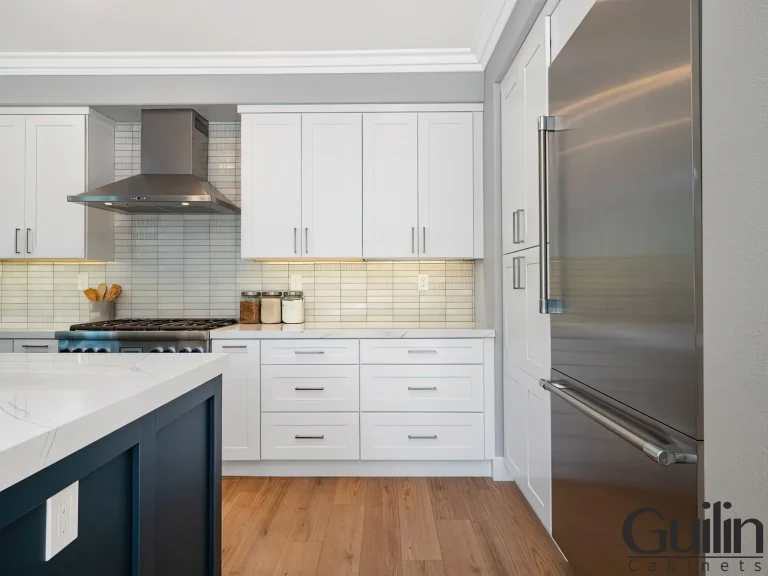
Cabinets set the tone for your kitchen’s look. Pick tiles that match or contrast softly with cabinet colors. Light cabinets work well with darker tiles. Dark cabinets suit lighter or neutral tiles. Think about the cabinet style too. Modern cabinets pair well with simple, clean tiles. Classic cabinets match decorative or patterned tiles better.
Texture matters. Smooth tiles fit sleek cabinets. Rough or matte tiles go well with rustic cabinets. Keep cabinet handles and finishes in mind. Tile color and texture should not clash with hardware.
Complementing Countertops
Countertops are a big part of kitchen design. Tiles should highlight countertop colors and patterns. For busy countertops, choose plain or subtle tiles. For simple countertops, try bold or patterned tiles. Balance is key to avoid a crowded look.
Consider material differences. Granite, quartz, and wood countertops pair well with ceramic or glass tiles. Marble countertops look great with soft-hued tiles. Match tile grout color to countertop tones for smooth transitions.
Lighting Impact On Tiles
Lighting changes how tiles look in your kitchen. Natural light brings out true tile colors. Artificial light can change tile shade and shine. Warm light makes tiles look cozy and soft. Cool light can make tiles appear brighter and sharper.
Glossy tiles reflect more light, brightening the space. Matte tiles absorb light for a calm feel. Think about light placement. Tiles near lights look different than those in shadows. Test tile samples under your kitchen lights before buying.
Frequently Asked Questions
What Are The Best Materials For Kitchen Wall Tiles?
Ceramic and porcelain tiles are popular for kitchens. They resist moisture, stains, and heat, making them durable and easy to clean. Glass tiles add a modern look but require careful installation. Choose materials based on durability, maintenance, and style preferences.
How To Choose The Right Tile Size For Kitchen Walls?
Tile size affects the kitchen’s visual appeal. Larger tiles create a spacious feel and fewer grout lines, while smaller tiles offer detailed patterns. Consider your kitchen size and style when selecting tile size for balance and aesthetics.
Which Tile Colors Work Best For Kitchen Walls?
Neutral colors like white, beige, and gray brighten kitchens and match various designs. Bold colors add personality but can overwhelm small spaces. Choose colors that complement your cabinets, countertops, and overall kitchen theme.
Are Mosaic Tiles Suitable For Kitchen Wall Backsplashes?
Yes, mosaic tiles are excellent for backsplashes. They add texture and color variety, enhancing kitchen aesthetics. They are easy to clean and resistant to moisture, making them practical and stylish for kitchen walls.
Conclusion
Choosing the right kitchen wall tiles can change your space completely. Think about color, texture, and durability first. Pick tiles that fit your style and kitchen use. Easy cleaning tiles save time and keep your kitchen fresh. Measure your walls carefully before buying tiles.
Take your time to compare prices and quality. The perfect tiles make cooking and cleaning more enjoyable. Enjoy your new kitchen look with confidence and style.