
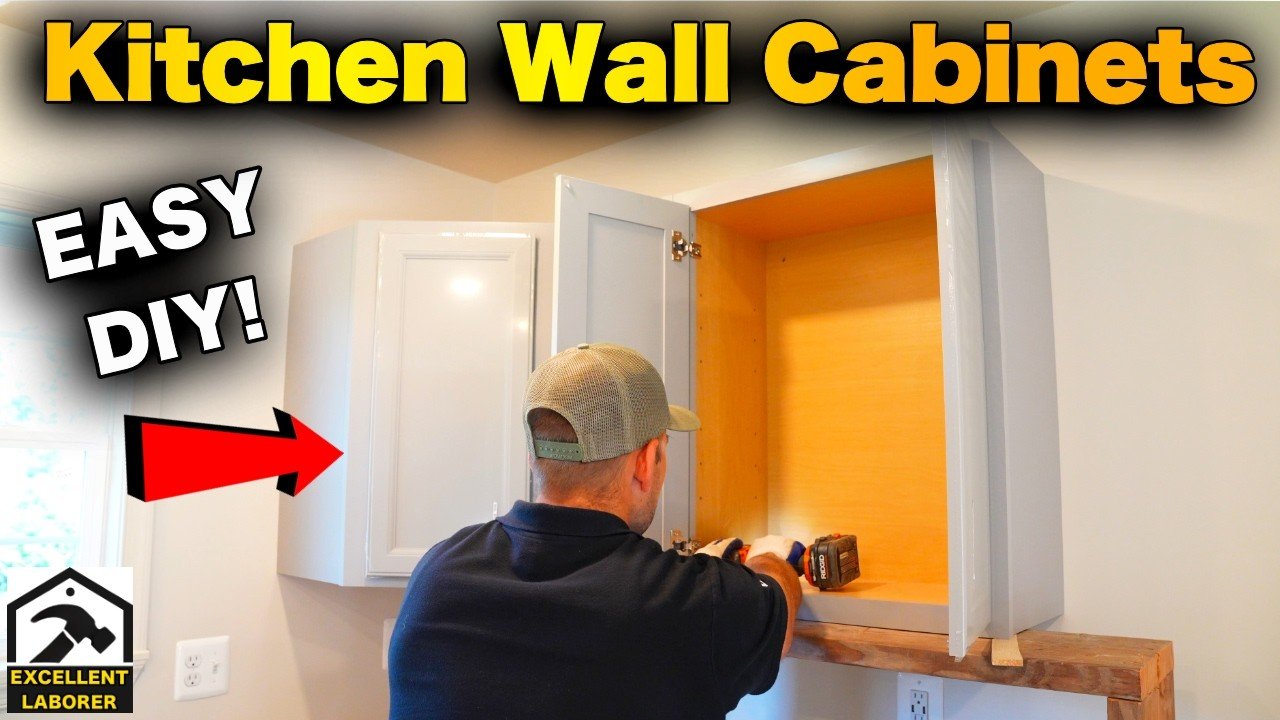
How to Take Kitchen Cabinets off Wall: Easy Step-by-Step Guide
Are you planning to revamp your kitchen space or perhaps replace those old cabinets that have seen better days? Taking kitchen cabinets off the wall might seem like a daunting task, but with the right guidance, you can handle it yourself with ease.
Imagine transforming your kitchen into a more functional, stylish, and inviting space without the hefty price tag of hiring professionals. By the end of this article, you’ll have the confidence and know-how to safely and efficiently remove your kitchen cabinets, preparing your kitchen for a fresh new look.
Get ready to unleash your inner handyman and give your kitchen the makeover it deserves. Stick around, and let’s get those cabinets off the wall!

Credit: penniesforafortune.com
Tools Needed
Removing kitchen cabinets from the wall needs the right tools. Using proper tools helps avoid damage and makes the task easier. Prepare all tools before starting to save time and effort.
Basic Hand Tools
- Screwdriver set (both flathead and Phillips)
- Power drill with screwdriver bits
- Pry bar for loosening edges
- Hammer for tapping nails or loosening parts
- Adjustable wrench for bolts and nuts
- Utility knife to cut caulk or paint
- Measuring tape to check cabinet size and spacing
Safety Gear
- Work gloves to protect your hands
- Safety goggles to guard your eyes
- Dust mask to avoid inhaling dust
- Long sleeves to protect your arms
- Closed-toe shoes for foot safety
Prepare The Area
Preparing the area before taking kitchen cabinets off the wall is crucial for a smooth and safe process. It helps you avoid damage and keeps your workspace organized. Taking a little extra time upfront can save you from headaches later on.
Clear The Space
Start by removing everything from the countertops and inside the cabinets. You don’t want any items falling or getting damaged during the removal. Clear the floor area as well to give yourself plenty of room to work and move around safely.
Think about how much easier it was for me when I cleared the space first—I avoided tripping over stuff and didn’t have to stop to move things out of the way repeatedly. Wouldn’t you agree that a clutter-free zone makes any task less stressful?
Protect Surfaces
Cover your countertops, floors, and appliances with drop cloths or old sheets. Cabinets can be heavy and awkward to handle, so protecting surfaces from scratches and dents is smart. Use painter’s tape to secure coverings so they don’t shift while you’re working.
Don’t forget to protect nearby walls and door frames too. Even a small slip can cause damage, and patching those up takes time you could spend finishing your project. What’s your strategy for keeping your home safe during renovations?
Turn Off Utilities
Before you start removing kitchen cabinets, it’s crucial to turn off the utilities connected to them. This simple safety step can prevent accidents and damage to your home. Ignoring utilities can lead to electric shocks or water leaks, which might cause costly repairs.
Shut Off Electricity
Locate the circuit breaker panel and turn off the power to the kitchen area. This stops electricity from flowing to outlets, switches, and appliances near the cabinets.
Double-check that the power is off by using a voltage tester or plugging in a small device. If you’re unsure which breaker controls the kitchen, turn off the main breaker to be safe.
Remember, working with electricity without shutting it off can be dangerous. Taking this precaution is a simple way to protect yourself and your home.
Turn Off Water Supply
If your cabinets surround the sink or dishwasher, you need to turn off the water supply. Find the shut-off valves under the sink and close them by turning clockwise.
If there are no individual shut-offs, use the main water valve for your home. After closing the valves, open the faucet to release any remaining water pressure.
Water leaks during cabinet removal can cause damage to your floors and walls. Taking a moment to stop the water flow will save you from unexpected mess and repairs.
Remove Cabinet Doors And Drawers
Removing cabinet doors and drawers is a crucial step before detaching kitchen cabinets from the wall. It lightens the load, making the cabinets easier and safer to handle. Plus, it prevents damage to the doors and drawers during removal.
Unscrew Hinges
Start by opening each cabinet door fully. Locate the screws holding the hinges to the cabinet frame. Use a screwdriver to carefully remove these screws while supporting the door with your other hand.
Place the removed doors on a soft surface to avoid scratches. Keep all screws in a small container to prevent losing them. Have you noticed how much easier it gets to work when the doors are out of the way?
Take Out Drawers
Pull each drawer out as far as it will go. Look for the release mechanism—usually clips or levers on the sides or bottom. Press or lift these to free the drawer from the cabinet slides.
Gently slide the drawer completely out of the cabinet. Store the drawers safely with the doors to keep your workspace organized. Removing drawers not only reduces weight but also gives you clear access to cabinet walls and screws.
Locate And Remove Fasteners
Locating and removing fasteners is a key part of taking kitchen cabinets off the wall. Cabinets attach to walls using screws, nails, or a mix of both. Finding all these fasteners ensures a smooth removal process. Missing even one can cause damage to walls or cabinets.
Take time to check all areas around the cabinet edges and inside the cabinet. Fasteners may hide behind shelves or under the cabinet frame. Use a flashlight to spot hard-to-see screws or nails. Careful inspection prevents surprises during removal.
Find Screws And Nails
Look along the cabinet sides and top edges for screws. Screws often hold the cabinet tightly to wall studs. Nails may also secure the cabinet back or sides. Sometimes nails are harder to see because they sit flush with wood.
Check inside the cabinet, especially near corners. Screws can be hidden behind shelves or brackets. Use a flashlight to help spot them. Mark the fastener locations with a pencil for easy removal.
Use Proper Tools
Choose tools suited for the type of fastener. A screwdriver or drill with the correct bit works best for screws. Use a pry bar or claw hammer carefully to remove nails.
- Phillips and flathead screwdrivers cover most screws
- Power drills speed up screw removal
- Pry bars help loosen nailed cabinets gently
- Needle-nose pliers can pull stubborn nails
Applying steady, controlled force prevents damage. Use tools with comfortable grips for better control. Prepare all tools before starting to avoid delays.

Credit: www.create-enjoy.com
Detach Cabinets From Wall
Detaching kitchen cabinets from the wall requires a careful approach to avoid damage to both the cabinets and your walls. Understanding how to gently separate the cabinets without forcing them off is key to keeping your workspace safe and intact. Let’s look at how to handle this part of the process effectively.
Gently Pry Cabinets
Start by locating the edges where the cabinets meet the wall. Use a flat pry bar or a putty knife, inserting it slowly between the cabinet and the wall.
Apply gentle pressure to loosen the cabinet without cracking the drywall. Move the tool along the seams gradually rather than forcing one spot. Have a helper support the cabinet to prevent it from falling once it starts to come loose.
Do you notice any resistance or unusual sounds? Stop and reassess to avoid damage. This approach helps you keep both the wall and cabinet in good condition for future use or repairs.
Handle Cabinets Safely
Once the cabinets are detached, make sure you have a clear path to move them. Cabinets can be heavy and awkwardly shaped, so plan your route to avoid bumping into doorways or furniture.
Wear gloves to protect your hands from sharp edges or nails. If possible, enlist help to carry larger units; this prevents injury and keeps the cabinets steady.
Have you prepared a sturdy surface to place the cabinets on? Keeping them off the floor can prevent moisture damage and make it easier to work on them later. Safe handling reduces the risk of accidents and preserves your investment.
Clean Up And Inspect
After removing kitchen cabinets from the wall, cleaning up and inspecting the area is vital. This process helps you spot damage and prepare the space for new installations or painting. Taking time to tidy the site improves safety and makes the next steps easier.
Patch Wall Holes
Remove any loose debris from the holes left behind. Use spackle or wall filler to cover small holes and dents. For larger holes, apply a patch before filling. Smooth the surface with a putty knife and let it dry completely. Sand the area lightly until the wall feels even. This step creates a clean base for paint or wallpaper.
Dispose Or Store Cabinets
Decide whether to keep or discard the cabinets. If you plan to reuse them, clean each cabinet thoroughly. Label shelves and parts to avoid confusion later. Store cabinets in a dry, safe place to prevent damage. For disposal, check local rules on furniture recycling. Arrange for proper pickup or drop-off to keep your space organized.

Credit: www.create-enjoy.com
Frequently Asked Questions
How Do I Safely Remove Kitchen Cabinets From The Wall?
First, turn off power if cabinets have electrical fixtures. Use a screwdriver to remove screws securing the cabinets. Gently pry cabinets away from the wall, supporting their weight. Work slowly to avoid damaging drywall or cabinet surfaces.
What Tools Are Needed To Take Down Kitchen Cabinets?
You will need a screwdriver or drill, pry bar, utility knife, and a stud finder. These tools help safely detach cabinets without damaging walls or cabinets. Having a helper to support the cabinets is also recommended for safety.
Can I Remove Kitchen Cabinets Without Damaging Drywall?
Yes, by carefully removing screws and using a pry bar gently, you can avoid drywall damage. Score caulking with a utility knife before prying. Work slowly and support cabinets to prevent sudden pulls that harm drywall.
How Do I Prepare The Area Before Removing Cabinets?
Clear countertops and remove all items from cabinets. Turn off power to any electrical outlets inside or near cabinets. Cover floors with drop cloths to catch debris. Having all tools ready ensures a smooth removal process.
Conclusion
Removing kitchen cabinets from the wall takes care and patience. Start by clearing the cabinets and turning off the power if needed. Use the right tools to avoid damage. Unscrew the fasteners slowly and keep all parts safe. Take your time to avoid mistakes or injuries.
With these steps, you can remove cabinets smoothly. Ready for your next kitchen project?



One Comment