How to Install Kitchen Cabinets on Wall: Easy Step-by-Step Guide
Are you ready to transform your kitchen but unsure where to start? Installing kitchen cabinets on your wall might seem tricky, but with the right steps, you can do it yourself and save money.
Imagine opening your kitchen doors to a fresh, organized space that you built with your own hands. In this guide, you’ll discover simple, clear instructions that make the process easy to follow. Stick with me, and by the end, you’ll have the confidence to hang your cabinets perfectly and enjoy a kitchen that truly feels like yours.
Let’s get started!
Tools And Materials Needed
Installing kitchen cabinets on the wall requires a set of specific tools and materials. Having everything ready before starting makes the job easier and faster. This section lists the essential tools, cabinet materials, and safety gear needed for the installation.
Essential Tools
- Power drill with drill bits
- Screwdriver set
- Stud finder
- Level
- Measuring tape
- Clamps
- Hammer
- Pencil for marking
- Utility knife
- Adjustable wrench
Cabinet Materials
- Wall cabinets of chosen style and size
- Mounting screws and anchors
- Shims for leveling
- Wood glue (optional)
- Corner braces for extra support
- Touch-up paint or stain
Safety Gear
- Safety glasses to protect eyes
- Work gloves for hand protection
- Dust mask to avoid inhaling particles
- Ear protection for loud tools
- Sturdy shoes to protect feet
Credit: www.familyhandyman.com
Preparing The Wall
Preparing the wall is crucial before installing kitchen cabinets. A well-prepared wall ensures the cabinets fit securely and align correctly. Proper preparation prevents damage and makes the installation process smoother.
Clear The Installation Area
Remove any items from the wall and surrounding space. Take down old cabinets, nails, or hooks that can block installation. Clean the wall surface to remove dust and grease. A clean area helps the cabinets attach firmly.
Locate Wall Studs
Use a stud finder to find wooden studs behind the drywall. Mark the stud positions lightly with a pencil. Studs provide strong support for heavy cabinets. Avoid drilling into empty drywall sections for safety.
Mark Cabinet Placement
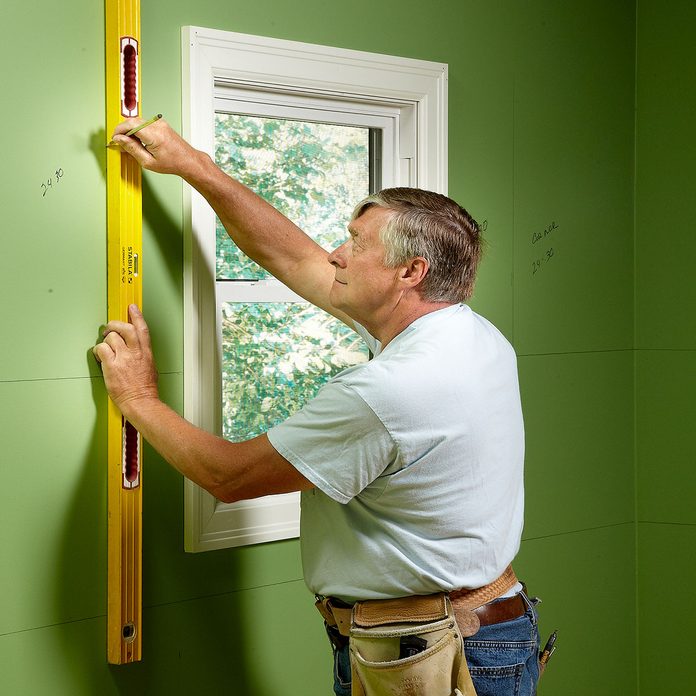
Measure and mark where each cabinet will go on the wall. Use a level to draw straight, horizontal lines. Mark vertical edges to guide cabinet placement. Clear markings help install cabinets evenly and avoid mistakes.
Assembling The Cabinets
Assembling kitchen cabinets is a crucial step before mounting them on the wall. This process ensures the cabinets are sturdy and ready for installation. Taking time here prevents problems later and helps the kitchen look great.
Unpack And Inspect Cabinets
Start by carefully unpacking each cabinet. Check for any damage or missing parts. Look inside and outside for scratches, dents, or broken pieces. Confirm all screws, hinges, and mounting hardware are present. Report any issues to the supplier immediately.
Attach Cabinet Doors And Hardware
Attach doors to the cabinet frames using the hinges provided. Align them so they open and close smoothly. Install handles or knobs on the doors and drawers. Use a level to ensure doors hang straight. Tighten all screws firmly but avoid over-tightening.
Assemble Multiple Cabinets
If installing more than one cabinet side by side, join them before mounting. Align edges and use clamps to hold them in place. Secure cabinets together with screws through the sides. Double-check alignment and spacing for a uniform look. This step makes installation on the wall easier and faster.
Mounting The Cabinets
Mounting kitchen cabinets on the wall is a crucial phase that sets the foundation for your entire kitchen setup. This part requires precision and care to ensure your cabinets are secure and perfectly aligned. Your cabinets will not only hold your kitchen essentials but also contribute to the overall look and feel of your space, so getting this right is essential.
Lift And Position Cabinets
Start by lifting the cabinet carefully and positioning it against the wall where you want it installed. It helps to have a helper, as cabinets can be heavy and awkward to handle alone. Hold the cabinet steady and align it with your marked measurements on the wall to avoid shifting during the securing process.
Using a temporary support like a cabinet jack or a stack of sturdy books can keep the cabinet in place while you work. Have you noticed how small adjustments here can prevent big headaches later? Take your time to get the cabinet sitting just right before moving on.
Secure Cabinets To Wall Studs
Securing your cabinets to wall studs is key to making sure they stay put and carry weight safely. Use a stud finder to locate the studs behind your drywall, then drill pilot holes through the cabinet back panel into the studs. This ensures a strong grip and reduces the risk of your cabinets pulling away from the wall.
Use long screws designed for cabinet installation—at least 3 inches—to penetrate deeply into the studs. Tighten the screws just enough to hold the cabinet firmly without warping the frame. Have you prepared your tools and hardware ahead of time to keep this step smooth and efficient?
Check For Level And Alignment
After securing the cabinet, check its level and alignment immediately. Use a spirit level on the cabinet’s top and sides to ensure it is perfectly horizontal and vertical. This step is critical because even a slight tilt can affect door operation and the overall appearance.
If the cabinet is off-level, adjust it by loosening the screws slightly and inserting shims behind the cabinet until it sits straight. Tighten the screws again once the cabinet is perfectly aligned. You’ll find that a well-leveled cabinet makes your kitchen look professional and functions better every day.
Connecting Cabinets Together
Connecting kitchen cabinets together ensures a seamless and sturdy installation. Cabinets must align perfectly to maintain a clean look and support weight evenly. Proper connection prevents gaps and movement over time. Follow these steps carefully for a tight, professional finish.
Clamp Cabinets For Stability
Start by placing cabinets side by side on the wall. Use clamps to hold them tightly together. Clamps keep cabinets from shifting while fastening. Check the edges to ensure they line up evenly. Clamping creates a strong, stable connection point.
Fasten Cabinets Together
Drill pilot holes through the face frames where cabinets meet. Use screws to join the cabinets securely. Tighten screws just enough to pull cabinets together without damaging wood. Fastening cabinets together prevents gaps and movement. Make sure screws are flush with the surface.
Fill Gaps And Adjust
Inspect the joint for small gaps or uneven spots. Use wood filler or caulk to fill any spaces. Smooth the filler with a putty knife for a clean finish. Adjust cabinet doors and hardware if needed for perfect alignment. Filling gaps improves appearance and keeps cabinets stable.

Credit: www.familyhandyman.com
Finishing Touches
Finishing touches make a huge difference in how your kitchen cabinets look and feel once installed. These final details not only improve the overall appearance but also ensure durability and a polished look. Paying attention now saves you from headaches later.
Install Trim And Molding
Adding trim and molding around your cabinets hides gaps and uneven edges. Choose styles that match your kitchen’s design—whether simple or decorative. Attach them carefully using finishing nails or a nail gun, making sure everything fits snugly against the wall and cabinets.
Have you noticed how much trim can change the vibe of a room? It frames your cabinets like artwork, giving your kitchen a custom, built-in look. Don’t rush this step; precise cuts and secure attachment matter.
Touch Up Paint Or Stain
After installing cabinets and trim, inspect surfaces for scratches, dents, or color inconsistencies. Use matching paint or stain to cover these imperfections. A small brush works best for tight spots, while a roller or sponge can handle larger areas.
Keep your touch-up materials handy during installation—it’s easier to fix marks as they happen than later on. Think about lighting too; checking your work under different lights helps spot areas needing extra attention.
Clean Up Work Area
Cleaning your work area isn’t just about looks; it prevents accidents and keeps tools organized. Remove dust, wood chips, and leftover materials promptly. Wipe down cabinet surfaces with a soft cloth to avoid scratches or stains.
Have you ever returned to a project only to find dust and debris hiding imperfections? Staying clean helps maintain your motivation and lets you appreciate the progress you’ve made. Plus, it’s a sign you’re close to finishing.

Credit: www.create-enjoy.com
Frequently Asked Questions
How Do I Find Studs For Kitchen Cabinet Installation?
Use a stud finder to locate wall studs accurately. Mark each stud with a pencil. Cabinets must be securely fastened to these studs for stability and safety during use.
What Tools Are Needed To Install Kitchen Cabinets?
Essential tools include a drill, level, tape measure, stud finder, screwdriver, and clamps. These tools ensure cabinets are mounted straight and securely on the wall.
How High Should Kitchen Cabinets Be Installed?
Standard upper cabinets are installed 54 inches from the floor. This height allows for a 18-inch space above countertops, providing ergonomic access and ample workspace.
Can I Install Kitchen Cabinets Without A Professional?
Yes, with proper tools and instructions, DIY installation is possible. Ensure accurate measurements and secure fastening to avoid damage and ensure safety.
Conclusion
Installing kitchen cabinets on the wall can seem tricky. But with the right tools and steps, it’s doable. Measure carefully to ensure a snug fit. Secure brackets or screws properly for safety. Ask for help if cabinets are heavy. Always double-check your work.
This ensures everything is straight and strong. With practice, your skills will improve. Enjoy your new kitchen look. Tackle one cabinet at a time. You’ll soon have a kitchen to be proud of. Keep learning and trying new projects. Your confidence will grow with each successful task.